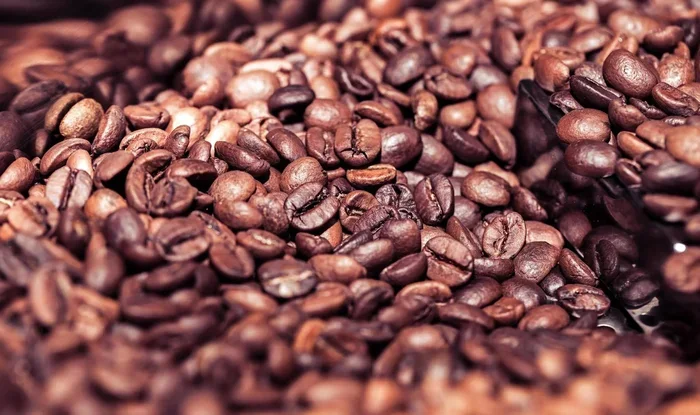
Quick Summary: How long do roasted coffee beans last depends on storage, but they stay fresh for 1 to 2 weeks at peak flavor. Proper sealing and cool, dark places extend shelf life up to a month. Always check aroma and grind quality to avoid stale coffee.
There is nothing worse than brewing a morning cup of coffee and tasting nothing but bitterness and dull flavors. You might blame your brewing method or your grinder, but the real culprit is often old beans. Freshness plays a huge role in how your coffee tastes, and knowing how long do roasted coffee beans last can save you from wasting money on stale brews.
Coffee beans are living seeds that change rapidly after roasting. The roasting process creates gases and flavors that slowly escape over time. If you store them poorly, those flavors vanish fast. In this guide, we will break down exactly how long your beans stay fresh, the best ways to store them, and how to spot when it is time to toss them out. Let us dive into the details so you can enjoy every sip.
Key Takeaways
- Peak freshness window: Roasted coffee beans taste best within 1 to 2 weeks after roasting.
- Storage matters: Keep beans in an airtight container away from heat, light, and moisture.
- Whole beans last longer: Whole roasted coffee beans retain flavor longer than pre-ground coffee.
- Freezing works: You can freeze roasted coffee beans for up to 6 months if sealed properly.
- Signs of staleness: Loss of aroma, flat taste, and oily residue indicate old beans.
- Grind right before brewing: Grinding just before brewing preserves flavor and freshness.
- Check roast date: Always look for a roast date on the bag to track freshness.
📑 Table of Contents
Understanding Coffee Bean Freshness and Shelf Life
When you buy a bag of roasted coffee, you are starting a countdown. The clock begins ticking the moment the beans leave the roaster. How long do roasted coffee beans last is not a simple yes or no question. It depends on several factors, including the roast level, the packaging, and how you store them at home.
Most coffee experts agree that whole roasted coffee beans reach their peak flavor within one to two weeks after roasting. During this time, the beans release carbon dioxide and develop complex flavor notes. After that window, the flavors start to fade. You might notice the coffee tasting flat, sour, or overly bitter. This happens because the volatile compounds that create aroma and taste begin to evaporate.
It is also important to distinguish between whole beans and ground coffee. Ground coffee has more surface area exposed to air. This means it loses freshness much faster than whole beans. If you grind your beans right before brewing, you lock in the flavor until the last moment. Pre-ground coffee, on the other hand, starts losing its magic within minutes of grinding. That is why many coffee lovers prefer to buy whole beans and grind them at home.
The Role of Roast Date vs. Best By Date
Many coffee bags display a best by date, but this date can be misleading. Manufacturers often set this date months after roasting to extend shelf life on the shelf. However, the roast date is a much better indicator of freshness. Some specialty coffee brands print the roast date directly on the bag. This allows you to track exactly how old your beans are.
If you see a roast date, aim to use the beans within two to four weeks for the best experience. After a month, the beans are still safe to drink, but the flavor profile will be noticeably weaker. You can still use older beans for cold brew or espresso blends where strong flavors are less critical. Just do not expect a bright, aromatic cup from beans that are several months old.
Factors That Affect How Long Roasted Coffee Beans Last
Several elements speed up the aging process of coffee beans. Oxygen is the biggest enemy. When beans are exposed to air, oxidation breaks down the oils and compounds that give coffee its flavor. Light is another factor. UV rays can degrade the beans and cause them to lose their rich color and taste. Heat also plays a role. Warm environments accelerate chemical reactions that stale the beans faster.
Moisture is equally damaging. Coffee beans are hygroscopic, meaning they absorb water from the air. This can lead to mold growth and a dull, muddy flavor. Humidity in your kitchen or storage area can quietly ruin your beans over time. Finally, strong odors in your storage space can transfer to the beans. Coffee acts like a sponge for smells, so storing beans near spices or cleaning products can alter their taste.
To maximize shelf life, you need to control these factors. Keep your beans in a cool, dark, and dry place. Use an opaque container or a bag with a one-way valve to protect against light and air. Avoid storing beans in the fridge unless you are freezing them for long-term storage. The fridge is full of moisture and odors that can harm your coffee.
Best Practices for Storing Roasted Coffee Beans
Now that you know how long do roasted coffee beans last under ideal conditions, let us talk about how to make them last longer. Proper storage is the key to preserving flavor and aroma. You do not need fancy equipment to keep your beans fresh. Simple habits can make a huge difference.
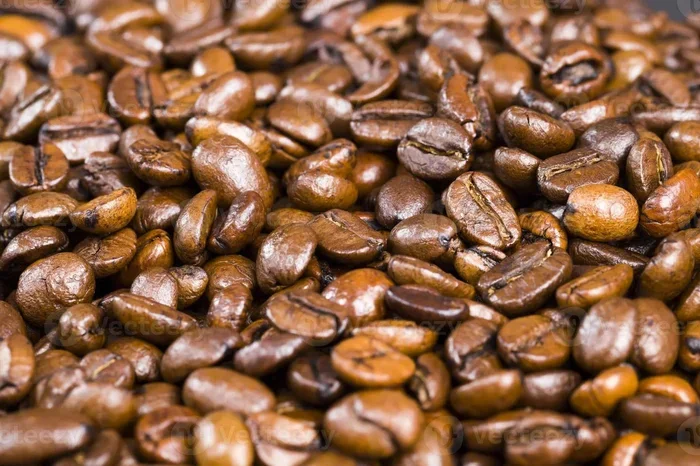
Visual guide about roasted coffee beans fresh
Image source: static.vecteezy.com
The first rule is to keep your beans in an airtight container. Glass jars with tight lids, ceramic canisters, or specialized coffee storage containers work well. Avoid clear containers if your storage area gets direct sunlight. If you must use a clear jar, store it in a cupboard or pantry away from light. Many coffee bags come with resealable zippers, which are convenient for short-term storage. Just make sure to squeeze out excess air before sealing the bag.
Whole Beans vs. Ground Coffee: Storage Differences
As mentioned earlier, whole beans stay fresh longer than ground coffee. If you have whole roasted coffee beans, you can store them at room temperature for up to a month without significant flavor loss. Ground coffee, however, should be used within a few days to a week for the best taste. The increased surface area means ground coffee oxidizes much faster.
If you buy pre-ground coffee, keep it in its original packaging or transfer it to an airtight container immediately. Use it as soon as possible. If you have a grinder at home, consider buying whole beans and grinding only what you need for each brew. This small change can dramatically improve the quality of your daily cup. You will notice brighter flavors and a smoother finish when you grind fresh.
Freezing Coffee Beans for Long-Term Storage
Sometimes you buy a large bag of coffee or find a great deal on your favorite roast. You might wonder if you can freeze the beans to extend their life. The answer is yes, but you must do it correctly. Freezing roasted coffee beans can preserve them for up to six months or even longer if sealed properly.
The key is to prevent moisture and air exposure. Divide your beans into small portions that you will use within a week or two. Place each portion in a vacuum-sealed bag or a heavy-duty freezer bag. Remove as much air as possible before sealing. Label the bags with the roast date so you can track freshness. When you are ready to use a portion, take it out of the freezer and let it come to room temperature before opening the bag. This prevents condensation from forming on the cold beans.
Do not freeze and refreeze beans repeatedly. Each time you thaw and refreeze, you risk introducing moisture and degrading the flavor. Only take out what you need for your next few brews. Freezing is a great option for long-term storage, but it is not necessary for beans you plan to use within a month.
Avoiding Common Storage Mistakes
Many coffee drinkers make simple mistakes that shorten the life of their beans. One common error is storing beans in the fridge. The refrigerator is humid and full of food odors. Your beans can absorb smells from onions, cheese, or leftovers, which ruins the coffee flavor. Another mistake is leaving beans in a clear jar on the counter near a window. Sunlight and heat will stale the beans quickly.
Some people also transfer beans to large containers that they do not empty frequently. If you keep adding fresh beans to an old batch, you mix stale and fresh flavors. It is better to use up older beans first or discard them if they are too old. Always clean your storage container regularly to remove old coffee oils and residue. Buildup can affect the taste of new beans over time.
Signs That Your Roasted Coffee Beans Have Gone Stale
Even with the best storage, beans eventually lose their charm. Knowing how long do roasted coffee beans last helps, but your senses are the best tools for checking freshness. You can often tell if beans are past their prime by looking, smelling, and tasting them. Here are the most common signs of stale coffee beans.
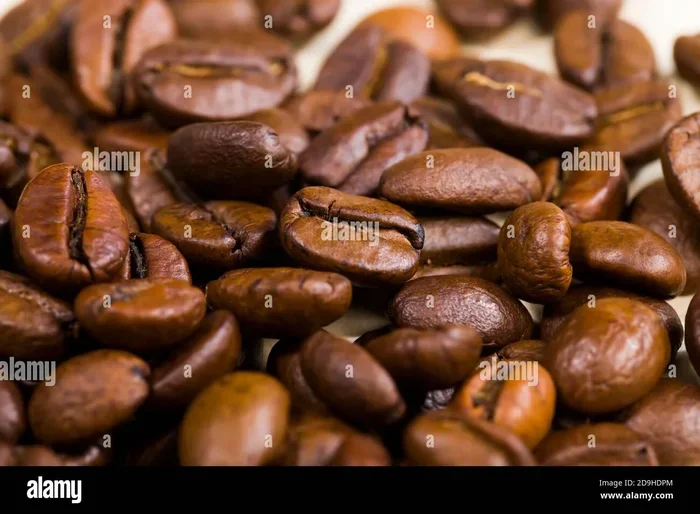
Visual guide about roasted coffee beans fresh
Image source: c8.alamy.com
Loss of Aroma
Fresh roasted coffee beans have a strong, inviting aroma. When you open the bag, you should smell rich notes of chocolate, fruit, nuts, or earth, depending on the roast. If the beans smell faint, musty, or like nothing at all, they have likely lost their volatile compounds. A weak aroma is one of the first signs that the beans are no longer at peak freshness.
Changes in Appearance
Look closely at your beans. Fresh beans often have a matte or slightly oily surface, depending on the roast level. Dark roasts tend to be oilier, while light roasts are drier. If your beans look excessively dry, cracked, or covered in a strange white coating, they may be old or improperly stored. Mold is a clear sign that moisture got into the beans. If you see any mold, discard the beans immediately. Do not risk your health for a cup of coffee.
Flavor and Taste Test
The ultimate test is brewing a cup. If your coffee tastes flat, sour, or overly bitter without the usual balance, the beans might be stale. Fresh coffee has a bright, complex flavor profile. Stale coffee often tastes one-dimensional or harsh. You might also notice that the crema on espresso is thin or disappears quickly. These are all indicators that the beans have lost their freshness.
If you are unsure, try brewing a small test batch. Compare it to a fresh bag if you have one. The difference in taste will usually make it clear whether your beans are still good. Trust your palate. If the coffee does not taste right, it is better to replace the beans than to force yourself to drink a bad cup.
Tips to Extend the Freshness of Your Coffee Beans
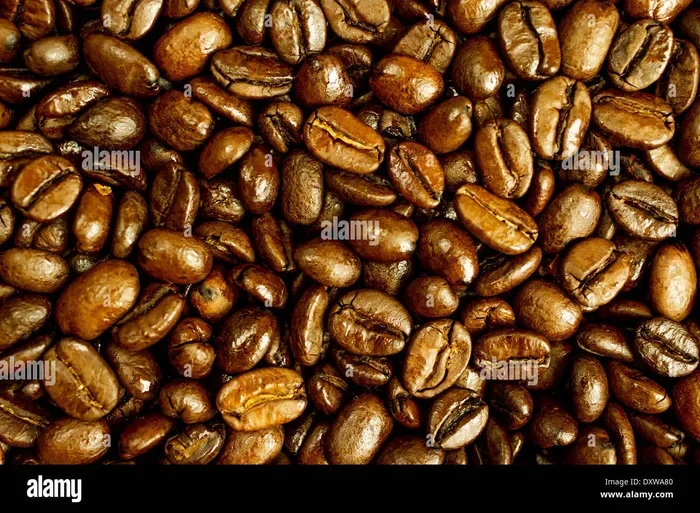
You can take several steps to keep your beans fresh for as long as possible. These tips work for both casual drinkers and coffee enthusiasts. Implementing them will help you get the most out of every bag of roasted coffee beans.
Visual guide about roasted coffee beans fresh
Image source: c8.alamy.com
Buy in Smaller Quantities
One of the best ways to ensure freshness is to buy coffee in smaller amounts. Instead of purchasing a huge bag that lasts for months, buy enough for one to two weeks. This way, you always have fresh beans on hand. Many local roasters and online shops offer smaller bags or subscription services that deliver fresh coffee regularly. This approach reduces waste and guarantees better flavor.
Grind Just Before Brewing
Grinding your beans right before you brew is a game changer. Once coffee is ground, it begins to lose flavor within minutes. By grinding only what you need for each cup, you preserve the integrity of the remaining beans. Invest in a good burr grinder for consistent results. A consistent grind size also improves extraction and taste. If you do not have a grinder, consider asking your local coffee shop to grind beans for you, but use the grounds quickly.
Use Proper Brewing Techniques
Fresh beans deserve proper brewing. Use the right water temperature, usually between 195 and 205 degrees Fahrenheit. Avoid boiling water, which can scorch the coffee and extract bitter compounds. Measure your coffee and water accurately for a balanced brew. Clean your coffee maker or espresso machine regularly to prevent old oils from affecting the taste. Fresh beans paired with good brewing practices yield the best results.
Rotate Your Stock
If you keep multiple bags of coffee, rotate them like grocery stores do. Use the oldest bags first and keep newer ones in the back. This practice, known as FIFO (first in, first out), ensures you do not accidentally let beans sit too long. Label your bags with the roast date or purchase date if the original packaging does not show it. A simple piece of tape and a marker can help you track freshness.
Frequently Asked Questions About Coffee Bean Shelf Life
Can I drink coffee beans that are past their best by date?
Answer: Yes, you can usually drink coffee beans past the best by date if they have been stored properly and show no signs of mold or spoilage. The beans may taste flat or less aromatic, but they are generally safe. Always check the smell and appearance before brewing. If the beans smell musty or look abnormal, discard them.
Does freezing coffee beans ruin their flavor?
Answer: Freezing coffee beans does not ruin their flavor if done correctly. Seal the beans in airtight, moisture-proof bags and avoid repeated thawing and refreezing. When you take a portion out, let it reach room temperature before opening to prevent condensation. Proper freezing can preserve flavor for several months.
How long do ground coffee beans stay fresh compared to whole beans?
Answer: Ground coffee loses freshness much faster than whole beans. While whole roasted coffee beans can stay fresh for a few weeks at room temperature, ground coffee is best used within a few days to a week. The increased surface area exposes more coffee to oxygen, speeding up oxidation and flavor loss.
What is the best container for storing roasted coffee beans?
Answer: The best container is an airtight, opaque vessel that blocks light and keeps air out. Glass jars with tight lids, ceramic canisters, or specialized coffee storage containers with one-way valves work well. Avoid clear containers if your storage area gets sunlight. Keep the container in a cool, dark, and dry place.
Can I store coffee beans in the refrigerator?
Answer: It is not recommended to store coffee beans in the refrigerator. The fridge is humid and full of food odors that can transfer to the beans. Moisture and smells can degrade the flavor and quality of your coffee. If you need long-term storage, use the freezer instead with proper sealing.
How do I know if my coffee beans are too old to use?
Answer: Check for a weak or absent aroma, dull appearance, and a flat or bitter taste when brewed. If the beans smell musty, look cracked or moldy, or produce coffee with no brightness or complexity, they are likely too old. Trust your senses. If the coffee does not taste right, it is time to replace the beans.
Conclusion
Knowing how long do roasted coffee beans last helps you make the most of every bag and enjoy better coffee every day. Freshness is the secret to a flavorful cup, and it starts with proper storage and smart habits. Whole roasted coffee beans stay at their best for one to two weeks after roasting, but you can extend their life with airtight containers, cool dark storage, and careful freezing.
Watch for signs of staleness like weak aroma, dull taste, and unusual appearance. Buy smaller amounts, grind just before brewing, and rotate your stock to keep your coffee fresh. With these simple steps, you can savor the rich flavors of quality coffee for longer. Your morning brew deserves the best, and fresh beans make all the difference.