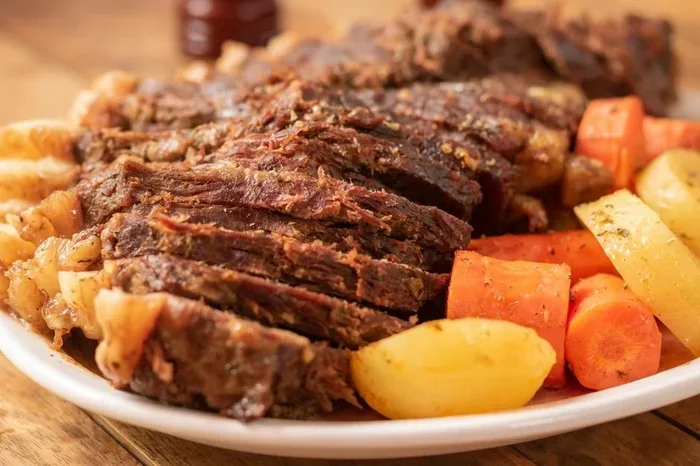
This corned beef recipe delivers tender, juicy results with simple steps and bold flavor. You will learn how to select the right cut, season it perfectly, and cook it using your preferred method. Whether you are new to cooking corned beef or looking for pro tips, this guide covers everything you need for a delicious meal.
There is something truly special about a well-made corned beef recipe. The rich, savory flavor and melt-in-your-mouth texture make it a favorite for family dinners, holidays, and cozy weekend meals. Whether you are cooking a corned beef brisket for the first time or looking to perfect your technique, this guide has everything you need.
A great corned beef recipe is all about patience and simple ingredients. You do not need fancy equipment or years of experience. With the right cut, the right seasoning, and the right cooking method, you can create a tender and juicy corned beef that rivals any restaurant. Let us walk through every step together.
Key Takeaways
- Choose the right cut: Flat cut corned beef is leaner and easier to slice, while point cut offers more marbling and flavor.
- Low and slow is key: Cooking corned beef at a gentle simmer keeps it tender and juicy every time.
- Season generously: A blend of classic corned beef spices like peppercorn, mustard seed, and bay leaf creates deep flavor.
- Rest before slicing: Letting the meat rest for 10 to 15 minutes helps it retain moisture and stay juicy.
- Store leftovers properly: Corned beef stays fresh in the fridge for up to 5 days and freezes well for longer storage.
- Pair with classic sides: Cabbage, potatoes, and mustard are the perfect accompaniments to any corned beef dish.
📑 Table of Contents
Why This Corned Beef Recipe Works
This corned beef recipe focuses on fundamentals that deliver consistent results. The method is straightforward, the ingredients are easy to find, and the cooking process is forgiving. Even if you have never cooked corned beef before, you will feel confident following these steps.
The secret to a great corned beef lies in three things: quality meat, proper seasoning, and gentle cooking. When you get all three right, the meat becomes incredibly tender. The fat renders slowly, the spices penetrate deeply, and every bite is packed with flavor. This approach works whether you cook corned beef on the stove, in the oven, or in a slow cooker.
Many people worry about ending up with tough or dry meat. The truth is, if you follow a few simple rules, that will not happen. We will cover those rules in detail below. You will also learn common mistakes to avoid and quick tips that make a big difference.
The Science Behind Tender Corned Beef
Corned beef comes from the brisket, a tough cut with lots of connective tissue. When you cook it slowly at a low temperature, that connective tissue breaks down into gelatin. This is what gives tender corned beef its silky, juicy texture. Rushing the process with high heat is the number one reason corned beef turns out tough and chewy.
The brine used in store-bought corned beef also plays a role. The salt in the brine helps break down muscle fibers over time. This is why corned beef has such a distinct flavor and why it benefits from a gentle cooking approach. If you are making homemade corned beef from scratch, the brining process works the same way.
Choosing the Right Cut of Corned Beef
Not all corned beef is created equal. The cut you choose affects both the flavor and the texture of your final dish. Understanding the difference between the two main types will help you pick the best one for your recipe.
Flat Cut vs. Point Cut
The flat cut, also called the first cut, is leaner and more uniform in shape. It is easier to slice and has a clean, neat appearance. This is the best choice if you want slices that look great on a plate. Flat cut corned beef is also more widely available in most grocery stores.
The point cut is fattier and more marbled. It has a richer flavor and tends to be more tender after cooking. However, it can be harder to slice evenly because of the fat distribution. If you want maximum juiciness and do not mind a little extra effort at the carving board, the point cut is a fantastic option.
What to Look for at the Store
When you are shopping for corned beef, look for a bright red piece with a good amount of fat on one side. Avoid any that look gray or dull. The fat should look creamy white, not yellowish. A heavier package usually means more moisture, which is a good sign for juiciness.
Check the label for added ingredients. Some brands include sugar or sodium nitrite, which can affect the final taste. If you prefer a cleaner flavor, look for simpler ingredient lists. This matters a lot if you are aiming for the best possible corned beef dinner.
How to Prepare and Season Your Corned Beef
Preparation is the step most people skip, but it makes a huge difference. Taking a little extra time before cooking sets you up for success. Here is exactly what to do.
Rinse and Soak the Meat
Start by rinsing your corned beef under cold water. This removes excess surface salt from the brine. Some cooks like to soak the meat in water for a few hours or overnight. This step is especially helpful if you are sensitive to salty food or if the package came with a very heavy brine.
After rinsing, pat the meat dry with paper towels. This helps the seasoning stick better and promotes a nice sear if you are browning it first.
Build Your Spice Blend
Most corned beef packages come with a packet of seasoning. But making your own corned beef spices gives you more control over the flavor. A classic blend includes:
- Black peppercorn for heat and depth
- Mustard seed for a subtle tang
- Bay leaves for a warm, herbal aroma
- Coriander seed for a citrusy note
- Red pepper flakes for a gentle kick
- Whole cloves for warmth and sweetness
Crush the spices lightly before adding them to the pot. This releases more flavor and helps the corned beef seasoning penetrate the meat more effectively. You can also add garlic cloves, fresh thyme, or a cinnamon stick for extra complexity.
Cooking Methods for Tender Corned Beef
There are several ways to cook corned beef, and each method has its own advantages. The key principle remains the same across all methods: cook it low and slow. High heat toughens the meat, while gentle heat breaks down the connective tissue and creates that signature tenderness.
Stovetop Method
The stovetop method is the most traditional way to cook corned beef. Place the meat in a large pot or Dutch oven and cover it with water. Add your spices and bring the liquid to a boil. Then reduce the heat to a low simmer and let it cook for about 3 to 4 hours.
A good rule of thumb is to cook corned beef for about 45 to 50 minutes per pound. Check the internal temperature with a meat thermometer. The corned beef internal temperature should reach 145 degrees Fahrenheit for safe eating, but many prefer it cooked to 190 to 200 degrees for maximum tenderness. The collagen needs time to fully break down, and that only happens at sustained low temperatures.
If you are cooking corned beef on the stove, keep the lid slightly ajar. This allows steam to escape and helps maintain a steady, gentle simmer rather than a rolling boil.
Oven Method
The oven method works well if you want to cook corned beef hands-free. Place the meat in a roasting pan with about two inches of water and your spices. Cover tightly with aluminum foil and cook at 300 to 325 degrees Fahrenheit for 3 to 4 hours.
This method is great for larger pieces of meat and gives you even heat distribution. It also frees up your stovetop for making side dishes like boiled potatoes or cabbage. The oven environment keeps the moisture trapped, which helps the meat stay juicy throughout the long cook.
Slow Cooker Method
A slow cooker is one of the easiest ways to prepare corned beef. Simply place the meat in the pot, add water and your spices, and set it to low for 8 to 10 hours. The slow, steady heat works beautifully for this tough cut.
One advantage of the slow cooker is that it requires almost no attention. You can start it in the morning and come home to perfectly cooked corned beef in the evening. Just be careful not to overcook it. If you leave it too long, the meat can become mushy rather than tender.
Comparing Cooking Methods
| Method | Time | Best For | Ease |
|---|---|---|---|
| Stovetop | 3 to 4 hours | Best control over simmer | Moderate |
| Oven | 3 to 4 hours | Hands-free, even cooking | Easy |
| Slow Cooker | 8 to 10 hours | Set and forget | Very Easy |
Each method produces excellent results when done correctly. The stovetop gives you the most control, while the slow cooker is the most convenient. Choose the one that fits your schedule and kitchen setup. The corned beef recipe itself remains the same regardless of the method.
Serving Suggestions and Side Dishes
Corned beef pairs beautifully with a wide range of sides. The classic combination is corned beef and cabbage, which is a comforting and complete meal. But there are many other options that work just as well.
Classic Pairings
Boiled potatoes, carrots, and cabbage are the traditional trio served alongside corned beef. The vegetables cook in the same flavorful broth, absorbing all those delicious spices. This one-pot approach makes dinner preparation simple and efficient.
Mustard is the quintessential condiment for corned beef. A sharp yellow mustard cuts through the richness of the meat and adds a tangy kick. Rye bread is another classic pairing that works beautifully for sandwiches. If you have leftover corned beef, a good corned beef sandwich on rye with mustard is hard to beat.
Creative Serving Ideas
Do not limit yourself to the traditional plate. Corned beef works well in many different dishes. Try chopping it up and adding it to a hash with eggs for breakfast. Use it as a filling for tacos or quesadillas. You can even shred it and toss it into a salad for a hearty lunch.
If you are looking for something different, consider making a corned beef hash with crispy potatoes and onions. Or serve sliced corned beef over creamy mashed potatoes with a rich gravy. The versatility of this cut of meat means you can get creative without wasting a single bite.
Leftover Corned Beef Ideas
Leftover corned beef is a gift for busy weeknights. It reheats beautifully and adds instant flavor to many dishes. Corned beef leftovers can be used in soups, sandwiches, casseroles, and more. Store them properly and you will have ready-made meals for days.
If you find yourself with more leftover corned beef than you can eat in a few days, consider freezing it. Properly stored corned beef freezes well and retains its flavor for up to three months. When you are ready to use it, thaw it in the refrigerator overnight and reheat gently on the stove.
Common Mistakes and How to Avoid Them
Even experienced cooks can run into trouble with corned beef. Knowing what goes wrong helps you avoid those pitfalls and achieve better results every time.
Cooking at Too High a Heat
The most common mistake is bringing the water to a hard boil and then cooking at that temperature. A rolling boil toughens the meat and dries it out. Always bring the liquid to a boil first, then reduce it to a gentle simmer. You want to see small bubbles barely breaking the surface, not a vigorous boil.
If you do end up with tough corned beef, do not panic. There are ways to fix it. You can slice it thin and simmer it in broth to rehydrate the meat. For more detailed guidance on rescuing tough meat, check out this guide on how to fix tough corned beef on the stove. The same principles apply when you are working to make any tough cut of beef tender.
Skipping the Rest Period
Cutting into your corned beef immediately after cooking releases all the juices onto the cutting board instead of staying in the meat. Let the corned beef rest for at least 10 to 15 minutes before slicing. This allows the juices to redistribute throughout the meat, resulting in a juicier and more flavorful bite.
Not Storing Leftovers Properly
Corned beef should be stored in an airtight container in the refrigerator within two hours of cooking. It stays fresh for up to 5 days. For longer storage, wrap it tightly and freeze it. Proper storage keeps the meat safe and maintains its quality. For more information on storage best practices, visit this guide on how to store beef to ensure your leftovers stay fresh and safe to eat.
Overcooking the Meat
While low and slow is the goal, there is such a thing as too much of a good thing. Overcooked corned beef can become mushy and fall apart in an unpleasant way. Use a meat thermometer to monitor the internal temperature and pull the meat off the heat once it reaches your desired tenderness.
Final Tips for the Perfect Corned Beef
Here are a few extra tips that will elevate your corned beef from good to great. These small details make a noticeable difference in both flavor and texture.
- Score the fat in a crosshatch pattern before cooking. This helps the fat render more evenly and gives the meat a better texture.
- Save the cooking liquid. It is packed with flavor and makes an excellent base for soups or gravies.
- Use a sharp knife. Slicing corned beef against the grain ensures tender, easy-to-chew pieces.
- Add vegetables in the last hour. This prevents them from turning to mush while still absorbing the corned beef spices.
- Taste the broth as you go. Adjust seasoning if needed. A pinch of sugar or a splash of vinegar can balance the flavors beautifully.
Cooking corned beef does not have to be intimidating. With the right recipe and a little patience, you can serve a meal that is tender, juicy, and full of flavor. This corned beef recipe gives you a solid foundation to work from, and you can always adjust the spices and cooking times to suit your personal taste.
Remember that every piece of corned beef is different. The thickness of the cut, the amount of fat, and the quality of the brine all affect the final result. Pay attention to the meat, use a thermometer, and trust the process. You will be rewarded with a delicious corned beef meal that everyone at the table will love.
Start with this recipe on your next cooking day. Try different spice combinations, experiment with serving styles, and make it your own. The beauty of a good corned beef recipe is that it adapts to your preferences while always delivering satisfying results. Enjoy the process, and savor every bite.
For those who want to explore more beef recipes, check out these healthy ground beef recipes for dinner and rice and ground beef dinner recipes for additional meal inspiration.
Frequently Asked Questions
What is the best corned beef recipe for beginners?
The stovetop method is the best starting point for beginners. It requires minimal equipment and gives you full control over the cooking process. Simply simmer the corned beef in water with spices for 3 to 4 hours, and you will have tender, juicy results.
How long does it take to cook corned beef?
Cooking time depends on the method and the size of the meat. On the stovetop or in the oven, plan for 3 to 4 hours. In a slow cooker, allow 8 to 10 hours on low. Always check the internal temperature to ensure it reaches at least 145 degrees Fahrenheit.
Can I cook corned beef without the brine?
Yes, you can rinse the corned beef to remove excess brine if you prefer a less salty flavor. Some cooks soak the meat overnight to reduce the salt content further. Just be aware that the brine contributes significantly to the traditional corned beef flavor.
What is the best way to slice corned beef?
Always slice corned beef against the grain. This means cutting perpendicular to the muscle fibers. Use a sharp knife and cut thin slices for the most tender result. Slicing against the grain shortens the muscle fibers and makes the meat much easier to chew.
How do I know when corned beef is done?
Use a meat thermometer to check the internal temperature. For safe eating, it should reach 145 degrees Fahrenheit. For maximum tenderness, cook it to 190 to 200 degrees Fahrenheit. The meat should be fork-tender and easy to pull apart when it is fully cooked.
Can I freeze leftover corned beef?
Yes, corned beef freezes well. Wrap it tightly in plastic wrap or aluminum foil, then place it in a freezer-safe bag. It will keep for up to 3 months in the freezer. Thaw it in the refrigerator overnight before reheating gently on the stove or in the microwave.