
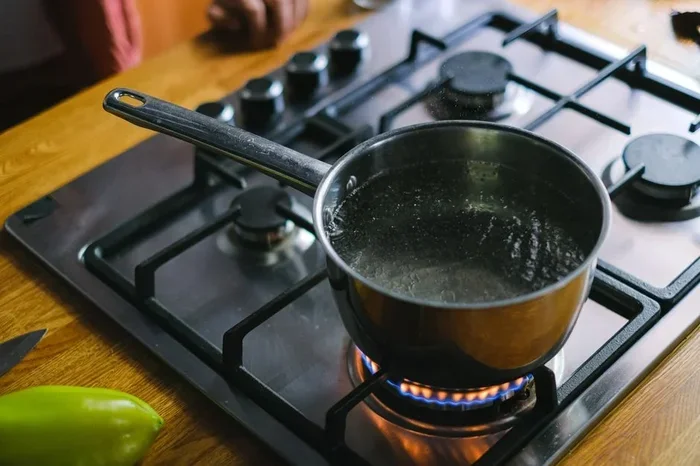
What temp does water boil at? The answer might surprise you! Learn about standard boiling points, factors affecting boiling temps, and essential takeaways to keep you informed and safe.
### Introduction
When it comes to cooking, cleaning, or even making a cup of tea, boiling water is a common and essential process. But have you ever wondered, “What temp does water boil at?” The answer might seem straightforward, but there’s more to boiling water than meets the eye. In this comprehensive guide, we’ll explore the standard boiling point of water, factors that affect it, and crucial tips to keep in mind.
### Standard Boiling Point of Water
At standard atmospheric pressure, which is 1 atmosphere (atm) or 101.325 kilopascals (kPa), water reaches its boiling point at:
– 100°C (212°F) on the Celsius scale
– 212°F (100°C) on the Fahrenheit scale
This is the temperature at which the vapor pressure of water equals the external atmospheric pressure, causing it to change into steam. However, it’s essential to understand that boiling isn’t an instant process. Water takes time to heat up and reach its boiling point.
### Factors Affecting Boiling Points
#### Altitude and Atmospheric Pressure
The boiling point of water isn’t fixed; it can change depending on the atmospheric pressure. As altitude increases, atmospheric pressure decreases, causing the boiling point of water to drop. This is why water boils at a lower temperature when you’re cooking at high altitudes, such as in the mountains.
At sea level, the atmospheric pressure is approximately 1 atm, but at higher altitudes, the pressure can be much lower. For example, at an altitude of 3,000 meters (9,842 feet), the atmospheric pressure is about 0.6 atm, and water boils at around 88°C (190°F).
#### Impurities and Solutes
Adding impurities or solutes to water can also affect its boiling point. This is because the dissolved particles interfere with the water molecules’ ability to escape into vapor, making it more difficult for the water to boil.
For instance, adding salt to water raises its boiling point because salt ions attract water molecules, making it harder for them to turn into vapor. This is why water boils at a higher temperature when you’re cooking pasta or making a saltwater solution.
#### Superheated Water
Under certain conditions, water can remain in a liquid state even when it’s heated above its normal boiling point. This is known as superheated water. Superheated water is typically found in circumstances where it’s not in contact with air, such as in a sealed container or when it’s being heated rapidly.
When superheated water is disturbed or comes into contact with air, it can suddenly and rapidly boil, causing a phenomenon known as “bumping.” This can be dangerous, so it’s essential to be cautious when handling superheated water.
### The Boiling Process
Now that we’ve discussed the factors affecting boiling points let’s explore the boiling process in more detail.
#### Heat Transfer
When you heat water, the heat energy is transferred to the water molecules, increasing their kinetic energy and causing them to move faster. As the water temperature rises, some of these energetic molecules escape from the liquid state and into the gas phase, forming water vapor or steam.
#### Vapor Pressure
As more water molecules turn into vapor, the vapor pressure inside the container increases. Vapor pressure is the pressure exerted by the water vapor above the liquid surface. At the standard boiling point of water, the vapor pressure equals the external atmospheric pressure, causing bubbles of vapor to form and rise through the liquid.
#### Nucleation Sites
Bubbles can only form where there are irregularities or imperfections in the liquid surface, known as nucleation sites. These sites can include tiny scratches, impurities, or gas bubbles already dissolved in the liquid. As the temperature of the water increases, more nucleation sites become active, and more bubbles form.
#### Boiling: A Continuous Process
Boiling isn’t a single event; it’s a continuous process that occurs as long as heat is applied to the water. As water molecules turn into vapor and escape from the liquid, new molecules at the surface take their place, and the process repeats.
### Boiling Water Techniques
Now that you understand the science behind boiling water let’s explore some practical techniques for boiling water efficiently and safely.
#### Boiling Water on the Stovetop
The most common method for boiling water is on the stovetop using a pot or kettle. Here are some tips for boiling water quickly and safely:
– Use a Suitable Container: Choose a container made of materials like stainless steel, enameled cast iron, or anodized aluminum, which conduct heat efficiently and are safe to use on the stovetop.
– Add Water Before Heating: Always add water to the container before placing it on the heat source. Adding water after the container is hot can cause it to crack or shatter.
– Use Just Enough Water: Boil only the amount of water you need to minimize energy waste and prevent accidental spills.
– Cover the Container: Covering the container with a lid helps retain heat and speeds up the boiling process. Make sure the lid fits securely to prevent hot water from splashing out.
– Monitor the Temperature: Keep an eye on the water temperature to prevent it from boiling over or becoming too hot for your intended use.
– Never Leave Boiling Water Unattended: Boiling water can be dangerous, so always keep an eye on it to prevent accidents.
#### Boiling Water in the Microwave
Boiling water in the microwave is a convenient and quick method, but it’s essential to follow safety guidelines to avoid injury or damage to your microwave:
– Use a Microwave-Safe Container: Only use containers specifically designed for microwave use, such as microwave-safe glass or ceramic bowls.
– Add Water Before Heating: Similar to boiling on the stovetop, add water to the container before heating it in the microwave.
– Use Just Enough Water: Boil only the amount of water you need to minimize heating time and prevent spillovers.
– Stir the Water: Stir the water occasionally while heating to ensure even heating and prevent hot spots.
– Be Careful When Removing the Container: The container and water will be extremely hot, so use oven mitts or a pot holder when removing the container from the microwave.
– Allow the Water to Rest: After heating, allow the water to sit for a few minutes before using it to ensure that the temperature has stabilized and is safe to handle.
#### Boiling Water in an Instant Pot or Pressure Cooker
Boiling water in an Instant Pot or pressure cooker is an energy-efficient method that’s perfect for large quantities of water. Here’s how to do it safely:
– Add Water Before Heating: As with other methods, add water to the Instant Pot before sealing the lid and turning it on.
– Use the Sauté Function: Set the Instant Pot to the sauté function to bring the water to a boil quickly.
– Allow the Steam to Release Naturally: Once the water has reached a boil, turn off the Instant Pot and allow the steam to release naturally. This ensures that the water is safely cooled before you remove the lid.
– Be Patient: It can take some time for the steam to release completely, so be patient and don’t try to force the lid open.
### Common Mistakes When Boiling Water
Even with the best intentions, it’s easy to make mistakes when boiling water. Here are some common pitfalls to avoid:
– Boiling Water Dry: Never boil water until it’s completely dry, as this can cause the container to overheat and potentially crack or shatter. Always keep some water in the container while boiling.
– Ignoring Bubbling Sounds: If you hear bubbling sounds coming from your pot or container, it’s a sign that water is boiling and may be about to boil over. Keep an eye on the water and reduce the heat if necessary.
– Leaving Boiling Water Unattended: As mentioned earlier, never leave boiling water unattended. It’s easy for water to boil over or become too hot, posing a risk of injury or property damage.
### Expert Insights: Boiling Water Safely
To ensure your safety when boiling water, follow these expert tips:
– Be Cautious with Hot Water: Boiling water is extremely hot and can cause severe burns if it comes into contact with your skin. Always use oven mitts or pot holders when handling hot containers, and be careful not to splash the water.
– Avoid Boiling Water in Plastic Containers: While it’s convenient to boil water in plastic containers, it’s not always safe. Some plastics can leach chemicals into the water when heated, which can be harmful to your health. Stick to non-plastic containers when boiling water.
– Be Wary of Superheated Water: As discussed earlier, superheated water can be dangerous. Be cautious when handling water that has been heated rapidly or is not in contact with air.
– Keep Children and Pets Away: Boiling water can be dangerous for children and pets, who may not understand the risks. Keep them away from the area where you’re boiling water to prevent accidents.
### Key Takeaways
To summarize, the standard boiling point of water is 100°C (212°F) at standard atmospheric pressure. However, several factors can affect the boiling point, including altitude, impurities, and the presence of solutes. When boiling water, it’s essential to follow safety guidelines to prevent accidents and ensure that the water is heated efficiently and safely.
### Conclusion
Understanding the science behind boiling water is crucial for cooking, cleaning, and other household tasks. By knowing the factors that affect boiling points and following safe boiling techniques, you can ensure that you’re using water efficiently and safely in your daily life. Whether you’re boiling water on the stovetop, in the microwave, or in an Instant Pot, these tips and insights will help you become a boiling water pro.
Stay informed, stay safe, and happy boiling!
Key Takeaways
- Standard Boiling Point: Water boils at 100°C (212°F) at standard atmospheric pressure.
- Altitude Matters: Boiling points decrease with higher altitudes due to lower atmospheric pressure.
- Impurities Affect Boiling: Adding impurities like salt can raise the boiling point.
- Boiling Isn’t Instant: Water takes time to reach its boiling point, and the process isn’t immediate.
- Superheated Water: Water can remain in a liquid state above its normal boiling point when it’s not in contact with air.
Frequently Asked Questions
What is the boiling point of water in Fahrenheit?
The boiling point of water in Fahrenheit is 212°F (100°C).
Why does water boil at different temperatures at high altitudes?
At higher altitudes, the atmospheric pressure is lower, which causes the boiling point of water to decrease. This is why water boils at a lower temperature when you’re cooking at high altitudes.
What happens when you superheat water?
Superheating water involves heating it above its normal boiling point without allowing it to boil. If the water is then disturbed or comes into contact with air, it can suddenly and rapidly boil, causing a phenomenon known as “bumping.” This can be dangerous, so it’s essential to be cautious when handling superheated water.
Why is it important to use a suitable container when boiling water?
Using a suitable container for boiling water ensures that the container can withstand the high temperatures and won’t crack or shatter. Additionally, using the right container can help distribute heat evenly and prevent hot spots that could cause the water to boil over.
Can you boil water in a plastic container?
While it’s possible to boil water in a plastic container, it’s not always safe. Some plastics can leach chemicals into the water when heated, which can be harmful to your health. It’s best to stick to non-plastic containers when boiling water.
What should you do if water boils over while cooking?
If water boils over while cooking, turn off the heat source immediately to prevent further boiling. If the boiling water has come into contact with your skin, run cold water over the affected area to cool it down and reduce the risk of burns. If the burns are severe, seek medical attention.



