
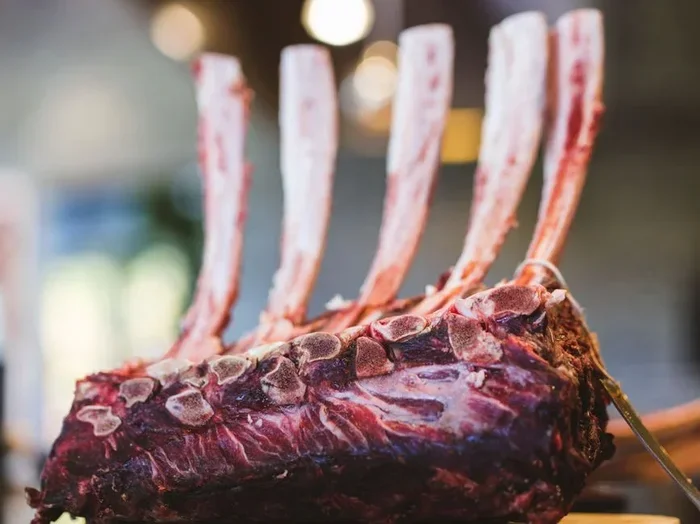
Knowing the right prime rib internal temp is the single most important factor in cooking a perfect roast. This guide walks you through ideal temperatures for every doneness level, how to measure accurately, and common mistakes to avoid. Whether you are a first-time cook or brushing up on your skills, you will find everything you need right here.
Key Takeaways
- Target 130-135°F for medium-rare: This is the sweet spot for juicy, flavorful prime rib.
- Use a meat thermometer: Never guess the internal temp. A reliable probe takes the guesswork out of cooking.
- Rest your roast for 20-30 minutes: The temperature rises during resting, so pull it off the heat early.
- Avoid overcooking: Going past 145°F dries out the meat and ruins the tender texture.
- Size matters: A 3-5 rib roast cooks differently than a single bone, so adjust your timing accordingly.
- Reverse searing helps control temp: Slow-roasting first, then searing, gives you a perfect crust and even doneness.
📑 Table of Contents
- What Is Prime Rib Internal Temp and Why Does It Matter?
- The Best Prime Rib Internal Temperatures by Doneness
- How to Measure Prime Rib Internal Temp Correctly
- Prime Rib Cooking Time and Temperature Guide
- Common Mistakes That Ruin Your Prime Rib Internal Temp
- Resting and Serving Your Prime Rib
- Final Thoughts on Prime Rib Internal Temp
What Is Prime Rib Internal Temp and Why Does It Matter?
Prime rib is one of the most impressive cuts of beef you can serve. It is rich, tender, and full of flavor. But getting it right depends on one thing above all else: your prime rib internal temp. The internal temperature determines whether your roast is juicy and pink or dry and overcooked.
Many beginners make the mistake of relying on time alone. They set a timer and hope for the best. But time is not a reliable indicator. Every oven is different. Every roast varies in size and starting temperature. The only way to know for sure is to monitor the prime rib internal temperature with a good meat thermometer.
Think of it this way. You would not bake a cake without checking if it is done. The same logic applies to a prime rib roast. A Nutribullet Prime can even help you whip up a quick pan sauce from the drippings, making your whole meal feel more polished.
The difference between a great roast and a ruined one often comes down to just a few degrees. That is why understanding beef roast internal temperature is so important. In this guide, we break everything down step by step.
The Best Prime Rib Internal Temperatures by Doneness
Not everyone likes their prime rib cooked the same way. Some people prefer a bright red center. Others want something more well-done. Here is a quick look at the most popular doneness levels and their target temperatures.
Rare: 120-125°F
Rare prime rib has a cool, red center. It is very juicy but not for everyone. If you love that deep beefy flavor with a raw-like center, aim for 120-125°F. Remove the roast from the oven at around 115°F and let carryover cooking bring it up.
Medium-Rare: 130-135°F
This is the gold standard for prime rib. A medium-rare prime rib has a warm pink center that is moist and tender. Most chefs and pitmasters recommend pulling the roast at 125-130°F to account for carryover heat. This gives you the best flavor and texture.
Medium: 135-145°F
Medium prime rib has a pinker center that is still juicy but slightly firmer. It is a good choice if you are feeding a crowd with mixed preferences. Pull the roast at around 130-135°F for this doneness.
Well-Done: 155°F+
Well-done prime rib is gray throughout and much drier. We do not recommend this for prime rib because you lose a lot of the flavor that makes this cut special. If you must cook it well-done, monitor the prime rib internal temp carefully and add extra liquid to keep it moist.
USDA Safe Temperature
The USDA states that beef is safe at 145°F with a 3-minute rest. However, prime rib is a high-quality cut that is best enjoyed at medium-rare. Many food experts agree that resting brings the internal temperature up enough to be safe while preserving juiciness.
How to Measure Prime Rib Internal Temp Correctly
Measuring the prime rib internal temperature correctly is just as important as knowing what temperature to aim for. A bad reading can send you off by 10 degrees or more. Here is how to do it right.
Use a Digital Instant-Read Thermometer
A digital instant-read thermometer is the best tool for the job. It gives you a fast, accurate reading every time. Avoid dial-style thermometers. They are slow and often inaccurate. Invest in a good probe, and your roasts will be much more consistent.
Where to Insert the Thermometer
Insert the probe into the thickest part of the roast. Avoid touching the bone. The bone conducts heat differently and will give you a false reading. Also, do not place the probe near the outer edge where it can pick up oven heat instead of the meat’s true temperature.
Take Multiple Readings
Check the temperature in at least two spots. The center and the thickest section should both be close. If one spot reads 130°F and another reads 125°F, you are getting close and can pull the roast soon.
Using a reliable thermometer is a game-changer. A tool like the one reviewed in the Nutribullet Prime Review may not be a thermometer, but quality kitchen tools in general make a big difference in your cooking results.
Quick Tips for Accurate Readings
- Wait at least 10 seconds after inserting the probe for a stable reading.
- Let the roast sit at room temperature for 30 minutes before cooking. This helps it cook more evenly.
- Calibrate your thermometer regularly to ensure accuracy.
- Never rely on the oven dial or timer alone.
Prime Rib Cooking Time and Temperature Guide
Now that you know what temperature to aim for, let us talk about how long to cook the roast. Cooking time depends on the size of the roast and your oven temperature.
Slow Roast Method
This is the most popular method for beginners. Preheat your oven to 325°F. Place the prime rib on a rack in a roasting pan. Cook for about 15-20 minutes per pound. This low-and-slow approach gives you an even cook and a beautiful crust.
Reverse Sear Method
The reverse sear is gaining popularity among home cooks. You start the roast in a low oven at around 250°F until it reaches about 10-15 degrees below your target prime rib internal temp. Then you sear it in a hot skillet or on a grill to develop a deep, caramelized crust.
This method gives you incredible control over the final temperature. It is especially helpful if you want a perfect medium-rare edge to edge. Many experienced cooks swear by this approach for achieving the best roast beef doneness results.
High-Heat Method
Some cooks prefer a hot start. Roast at 450°F for the first 15 minutes to sear the outside, then drop the temperature to 325°F and continue cooking. This method works well for smaller roasts, around 3-4 pounds.
Quick Reference Cooking Table
| Roast Size | Oven Temp | Approx. Time | Target Temp |
|---|---|---|---|
| 3-4 lbs (3 ribs) | 325°F | 1.5-2 hours | 130°F (pull at 125°F) |
| 5-7 lbs (4-5 ribs) | 325°F | 2.5-3.5 hours | 130°F (pull at 125°F) |
| 8-10 lbs (7-10 ribs) | 325°F | 3.5-4.5 hours | 130°F (pull at 125°F) |
| Any size (Reverse Sear) | 250°F then sear | Varies | 10-15°F below target |
Remember, these times are estimates. Always rely on your thermometer and the prime rib internal temp rather than the clock.
Common Mistakes That Ruin Your Prime Rib Internal Temp
Even experienced cooks can run into trouble with prime rib. Here are the most common mistakes and how to avoid them.
Skipping the Rest Period
This is the number one mistake. When you pull the roast from the oven, the prime rib internal temperature continues to rise. This is called carryover cooking. If you cut into it immediately, you will lose juice and the temperature will spike even further. Always rest your roast for at least 20-30 minutes before carving.
Not Letting the Roast Come to Room Temperature
A cold roast going into a hot oven cooks unevenly. The outside can be done while the center is still cold. Take the roast out of the fridge 30-60 minutes before cooking. This simple step leads to a much more even beef roast internal temperature.
Overseasoning or Underseasoning
Seasoning matters more than people think. A basic blend of salt, pepper, garlic powder, and rosemary works great. Too much salt can draw out moisture. Too little leaves the roast bland. Keep it simple and let the quality of the meat shine through.
Opening the Oven Door Too Often
Every time you open the oven door, the temperature drops. This slows cooking and can lead to uneven results. Check the prime rib internal temp only when you are close to the target time. Trust your process.
Using the Wrong Cut
Not all rib roasts are created equal. A standing rib roast with the bone in is ideal for prime rib. The bone adds flavor and helps insulate the meat. If you buy a boneless roast, adjust your timing slightly since it may cook faster.
Resting and Serving Your Prime Rib
Once your roast hits the target temperature, it is time to rest. This step is just as important as the cooking itself. During resting, the juices redistribute throughout the meat. This makes every slice moist and flavorful.
How Long to Rest Prime Rib
Rest a prime rib roast for 20-30 minutes before carving. Cover it loosely with aluminum foil. Do not wrap it tightly, or you will trap steam and soften the crust.
While the roast rests, you can use the drippings to make a quick gravy. Toss the pan juices into a Nutribullet Prime with some beef broth and a touch of flour for a silky, delicious sauce in seconds.
How to Carve Prime Rib Like a Pro
Slice against the grain for the most tender results. Cut slices about 1/2 inch thick. Serve immediately with your favorite sides like mashed potatoes, roasted vegetables, or a simple green salad.
Storing Leftover Prime Rib
Leftover prime rib keeps well in the fridge for up to 4 days. Slice it before storing for easier reheating. Reheat gently in the oven at 300°F with a splash of broth to keep it moist. Avoid microwaving, which can dry out the meat quickly.
Final Thoughts on Prime Rib Internal Temp
Cooking the perfect prime rib does not have to be intimidating. The key is understanding your prime rib internal temp and respecting the process. Use a reliable thermometer, pull the roast at the right time, and let it rest before serving.
Start with medium-rare at 130-135°F if you are unsure. This is the safest bet for flavor and tenderness. Once you nail that temperature a few times, you will feel confident experimenting with other doneness levels.
Great cooking comes from practice and attention to detail. Every roast you make will teach you something new. So fire up your oven, grab your thermometer, and enjoy the process. A perfectly cooked prime rib is one of the most rewarding things you can serve to family and friends.
Frequently Asked Questions
What is the best prime rib internal temp for medium-rare?
The best prime rib internal temp for medium-rare is 130-135°F. Pull the roast from the oven at around 125°F and let carryover cooking bring it up to the target range. This gives you a warm pink center that is juicy and full of flavor.
How long does it take to cook a 5-pound prime rib?
At 325°F, a 5-pound prime rib roast typically takes about 2.5 to 3.5 hours. However, time varies based on your oven and the starting temperature of the meat. Always rely on the internal temperature rather than the clock.
Can you eat prime rib at 130°F safely?
Yes, many food experts consider prime rib safe at 130°F when properly rested. The USDA safe temperature for beef is 145°F, but high-quality cuts like prime rib are often enjoyed at lower temperatures. Resting the roast for 20-30 minutes helps ensure food safety.
Why did my prime rib turn out dry?
Dry prime rib usually means the internal temp got too high. Overcooking past 145°F removes moisture and tender texture. Other causes include not resting the roast long enough or cooking at too high a temperature for too long.
Should I sear prime rib before roasting?
Searing is optional but recommended. A quick sear at high heat before roasting adds flavor and color. If you prefer the reverse sear method, you skip the initial sear and finish with a hot pan or grill after slow-roasting to your target prime rib internal temp.
What is carryover cooking and how does it affect prime rib?
Carryover cooking means the internal temperature continues to rise after removing the roast from the oven. For prime rib, this can add 5-10 degrees. That is why you should pull the roast 5-15 degrees below your target temperature and let it rest before serving.
=== CONCLUSION ===
Mastering your prime rib internal temp is the foundation of a perfect roast. From choosing the right doneness level to using a reliable thermometer and resting the meat properly, every step counts. The difference between good prime rib and great prime rib often comes down to just a few degrees.
Follow the guidelines in this guide, trust your thermometer, and do not be afraid to experiment. With a little practice, you will serve prime rib that is juicy, tender, and full of flavor every single time. Your family and guests will keep asking for more.



