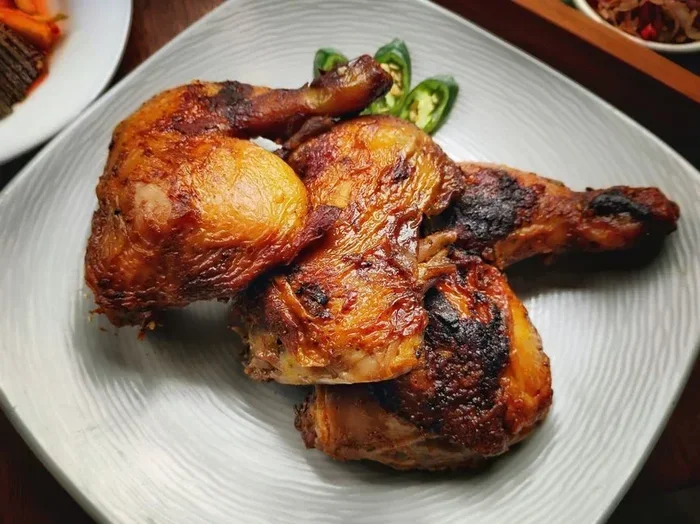
Elevate your chicken dishes with this perfect chicken brine recipe! Learn how to naturally tenderize and infuse your bird with mouthwatering flavors for juicy, delicious results every time.
Key Takeaways
- Understanding Brine: A brine is a saltwater solution that helps break down proteins, enhancing flavor and moisture in chicken.
- Basic Brine Recipe: Combine water, salt, sugar, and aromatics like herbs and spices, then submerge your chicken.
- Brine-to-Water Ratio: Aim for a 1:1 ratio of chicken to brine solution for optimal results.
- Brine Duration: Brine your chicken for 4 to 12 hours, depending on size and desired flavor intensity.
- After Brining: Rinse the chicken, pat it dry, then cook it as desired for moist, flavorful meat.
- Safety Tips: Ensure your chicken is properly chilled during brining and discard any leftover brine to avoid bacterial growth.
[FEATURED_IMAGE_PLACEHOLDER]
📑 Table of Contents
- Introduction
- Understanding Brine: The Science Behind Chicken Brining
- Creating the Perfect Chicken Brine Recipe: The Basics
- Customizing Your Chicken Brine Recipe: Flavor Combinations
- Mastering Chicken Brine: Tips & Techniques
- Preparing Your Chicken for Brining
- Brining Your Chicken: Step-by-Step
- Safety Tips for Brining Chicken
- Common Mistakes to Avoid When Brining Chicken
- Expert Insights: Taking Your Chicken Brine Recipe to the Next Level
- Key Takeaways: The Perfect Chicken Brine Recipe
- Conclusion
Introduction
Are you tired of dry, lackluster chicken dishes? It’s time to revolutionize your poultry cooking with the perfect chicken brine recipe! Brining is an effortless yet powerful technique that naturally tenderizes chicken, enhancing both flavor and moisture. In this comprehensive guide, we’ll explore the art of brining, providing you with a foolproof chicken brine recipe and expert tips to elevate your chicken dishes.
By the end of this article, you’ll understand the science behind brining, how to create a basic brine recipe, and various flavor combinations to suit your taste. Plus, we’ll share essential tips for brining time, temperature, and safety. So let’s dive in and discover the perfect chicken brine recipe for juicy, flavorful chicken every time!
Understanding Brine: The Science Behind Chicken Brining
Brine is a saltwater solution that, when used to soak meat or poultry, breaks down proteins and enhances both flavor and moisture. The process involves three main steps:
- Dissociation: Salt in the brine solution breaks down and dissociates protein strands, creating space for water to penetrate.
- Diffusion: Water molecules move into the chicken meat through osmosis, filling the spaces created by the dissociated proteins.
- Reassociation: Once the chicken is removed from the brine and cooked, the protein strands recombine, locking in the absorbed water and creating a tender, juicy texture.
Creating the Perfect Chicken Brine Recipe: The Basics
Now that you understand the science behind brining, let’s create a basic chicken brine recipe. The key ingredients are water, salt, and sugar. Aromatics like herbs, spices, and vegetables can also be added for extra flavor. Here’s a simple formula to get you started:
Basic Chicken Brine Recipe
- 4 cups (960 ml) water
- 1/4 cup (60 g) kosher salt
- 1/4 cup (50 g) granulated sugar
- 1 tbsp (15 ml) any combination of herbs and spices (optional)
Customizing Your Chicken Brine Recipe: Flavor Combinations
To create a unique chicken brine recipe, experiment with various aromatics to infuse your chicken with exceptional flavors. Here are some popular flavor combinations to inspire you:
Garlic & Herb Brine
- 4 cloves garlic, crushed
- 2 sprigs fresh rosemary
- 4 sprigs fresh thyme
- 1 tbsp (15 ml) olive oil
Citrus & Spice Brine
- 1 orange, sliced
- 1 lemon, sliced
- 1 tbsp (15 ml) black peppercorns
- 1 tbsp (15 ml) coriander seeds
- 1 tbsp (15 ml) brown sugar
Spicy & Smoky Brine
- 1 tbsp (15 ml) smoked paprika
- 1 tbsp (15 ml) chili powder
- 1 tbsp (15 ml) granulated garlic
- 1 tbsp (15 ml) olive oil
Mastering Chicken Brine: Tips & Techniques
Brine-to-Water Ratio
For optimal results, aim for a 1:1 ratio of chicken to brine solution. For example, brine a 3-pound (1.4 kg) chicken with 3 cups (720 ml) of brine solution. If your chicken is larger or smaller, adjust the brine volume accordingly.
Brine Duration
The ideal brining time depends on the size of your chicken and your desired flavor intensity. As a general rule, brine your chicken for 4 to 12 hours. Smaller birds and shorter brining times will result in milder flavors, while larger chickens and longer brining times will yield more robust flavors.
Brining Temperature
Ideally, brine your chicken at refrigerator temperature (35-40°F or 1-4°C) to prevent bacterial growth. If you’re short on time, you can brine at room temperature, but ensure the chicken is chilled within 30 minutes of completing the brining process.
Preparing Your Chicken for Brining
Before brining, ensure your chicken is clean and dry. Remove any giblets or packaging, and pat the chicken dry with paper towels. If using a whole chicken, you can brine it as is or separate it into pieces for easier brining and cooking.
Brining Your Chicken: Step-by-Step
Prepare the Brine
- In a large, non-reactive pot or bowl, combine water, salt, sugar, and any desired aromatics. Stir until the salt and sugar are completely dissolved.
- Add the chicken to the brine solution, ensuring it is fully submerged.
- Cover the pot or bowl with plastic wrap and refrigerate for 4 to 12 hours, depending on the desired flavor intensity and chicken size.
Rinse and Dry the Chicken
- After brining, remove the chicken from the brine solution and discard the brine.
- Rinse the chicken under cold water to remove any residual salt and aromatics.
- Pat the chicken dry with paper towels. This step is crucial for achieving a crispy skin when roasted or fried.
Cook and Enjoy!
- Cook the chicken using your preferred method, such as roasting, grilling, or frying.
- Serve your perfectly brined chicken with your favorite sides and enjoy the incredible flavors!
Safety Tips for Brining Chicken
- Always ensure your chicken is chilled during the brining process to prevent bacterial growth.
- Discard any leftover brine to avoid foodborne illnesses.
- Cook your brined chicken to a safe internal temperature of 165°F (74°C) to eliminate any potential bacteria.
Common Mistakes to Avoid When Brining Chicken
- Avoid over-brining, as it can make the chicken too salty and tough.
- Never re-use brine or brine chicken at room temperature for extended periods.
- Don’t skip the rinsing and drying steps after brining, as they are crucial for achieving a crispy skin and preventing bacterial growth.
Expert Insights: Taking Your Chicken Brine Recipe to the Next Level
Once you’ve mastered the basics of brining, experiment with these advanced techniques to create truly exceptional chicken dishes:
Dry Brine
For an even more tender and flavorful chicken, try dry brining. Coat your chicken with a mixture of salt, sugar, and any desired spices, then refrigerate uncovered for at least 4 hours or up to overnight. This allows the salt to break down proteins and draw out moisture, which will then reabsorb into the chicken, creating an ultra-tender and flavorful bird.
Reverse-Searing
After brining and drying your chicken, sear it in a screaming-hot cast-iron skillet or on the grill to create a beautiful, crispy skin. Then, finish cooking in a low oven to ensure even cooking and prevent tough, overcooked meat.
Key Takeaways: The Perfect Chicken Brine Recipe
- Understand the science behind brining: Dissociation, diffusion, and reassociation lead to tender, juicy chicken.
- Master the basic brine recipe: Combine water, salt, sugar, and aromatics for a versatile chicken brine.
- Customize your brine: Experiment with herbs, spices, and other aromatics to create unique flavor combinations.
- Optimize brine-to-water ratio and duration: Aim for a 1:1 ratio and brine your chicken for 4 to 12 hours for optimal results.
- Follow safety guidelines: Chill your chicken during brining, discard any leftover brine, and cook to a safe internal temperature.
- Explore advanced techniques: Dry brining and reverse-searing can take your chicken dishes to the next level.
Conclusion
With the perfect chicken brine recipe and expert tips in your culinary arsenal, you’re now equipped to create consistently juicy, flavorful chicken dishes that will impress your family and friends. So, what are you waiting for? Grab your chicken, and let the brining begin!
Happy cooking, and enjoy your perfectly brined chicken!
Frequently Asked Questions
What is the ideal chicken size for brining?
The ideal chicken size for brining is between 3 to 5 pounds (1.4 to 2.3 kg), as this allows for a 1:1 brine-to-chicken ratio, resulting in optimal tenderness and flavor. Larger or smaller chickens can also be brined, but you may need to adjust the brine volume or duration accordingly.
Can I use table salt for brining?
It’s best to use kosher salt or sea salt for brining, as table salt contains additives that can affect the brining process and may leave behind an off flavor. Additionally, table salt is usually finer and more densely packed than kosher salt, which can result in a saltier brine than intended.
Do I need to refrigerate my chicken during brining?
Yes, it’s crucial to refrigerate your chicken during the brining process to prevent bacterial growth. Aim for a refrigerator temperature between 35-40°F (1-4°C). If you’re short on time, you can brine at room temperature, but ensure the chicken is chilled within 30 minutes of completing the brining process.
Can I re-use brine?
It’s not recommended to re-use brine, as it can harbor bacteria that can lead to foodborne illnesses. Always discard any leftover brine after use.
Why is my brined chicken still dry?
If your brined chicken is still dry, it’s likely that you didn’t brine it long enough or didn’t follow the rinsing and drying steps after brining. Ensure you allow the chicken to brine for at least 4 hours and follow the post-brining steps to achieve the best results.
Can I freeze brined chicken?
While it’s not recommended to freeze chicken while it’s still in the brine, you can freeze brined chicken after it has been rinsed, dried, and cooked. Once cooked, portion the chicken and freeze it in airtight containers for up to 3 months. Thaw in the refrigerator overnight before reheating.