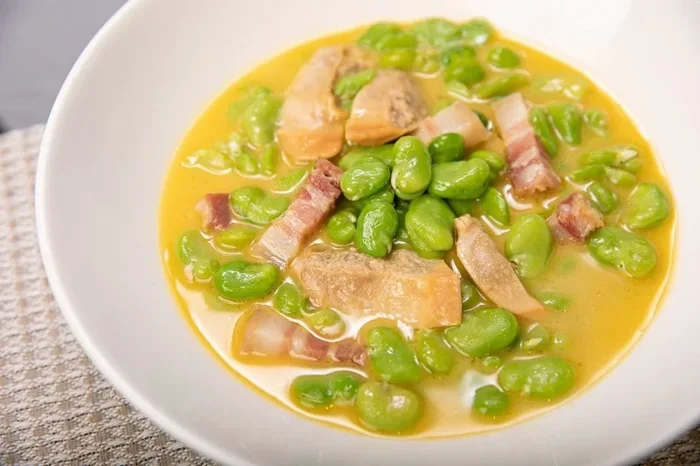
This guide shows you how to make a delicious homemade ham and bean soup from scratch. You will learn the best ingredients, step-by-step cooking methods, and tips for perfect flavor every time. Whether you use a stovetop or a slow cooker, this soup is easy to prepare and full of comfort. It is the ideal meal for cozy nights and family dinners.
There is something truly magical about a bowl of ham and bean soup on a chilly evening. The rich aroma fills your kitchen, and the first warm spoonful just melts away the stress of the day. This is not just any soup. It is a classic comfort dish that has been feeding families for generations.
If you have never tried making this at home, you are in for a real treat. The recipe is simple, the ingredients are easy to find, and the results are absolutely worth it. Whether you are a seasoned cook or a complete beginner, you can whip up a big pot of this soup without any fuss.
In this guide, we will walk you through everything you need to know. From choosing the right beans to perfecting the flavor, you will find all the details right here. Let us get started.
Key Takeaways
- Easy to Make: You only need a few simple ingredients and about an hour of your time.
- Highly Customizable: Swap beans, add vegetables, or adjust seasoning to suit your taste.
- Budget-Friendly: This soup uses affordable ingredients and stretches well for leftovers.
- Nutritious and Filling: Packed with protein, fiber, and wholesome vegetables.
- Perfect for Meal Prep: Tastes even better the next day and stores well in the fridge or freezer.
- Multiple Cooking Methods: Works great on the stovetop, in a slow cooker, or in a Dutch oven.
📑 Table of Contents
- Why Homemade Ham and Bean Soup Is the Best
- Ingredients You Will Need
- How to Make Ham and Bean Soup on the Stovetop
- Making Ham and Bean Soup in a Slow Cooker
- Tips for the Perfect Ham and Bean Soup
- Health Benefits of Ham and Bean Soup
- Serving Suggestions and Pairings
- How to Store and Reheat Leftover Soup
- Common Mistakes to Avoid
- Variations to Try
- Final Thoughts
Why Homemade Ham and Bean Soup Is the Best
Store-bought soup can be convenient, but nothing compares to the taste of a homemade pot. When you make ham and bean soup yourself, you control every ingredient. You decide how much salt goes in. You choose the type of beans. You can even add extra vegetables for more nutrition.
Homemade soup also tastes better because it simmers for a longer time. The flavors have a chance to meld together beautifully. The ham releases its savory juices into the broth, and the beans soak up all that deliciousness. The result is a thick, hearty bowl of warmth that hits the spot every single time.
Another big reason to make this soup at home is the cost. A pot of ham and bean soup feeds a family of four for less than the price of two takeout meals. The ingredients are simple and affordable. Dried beans, a ham bone or ham hock, onions, carrots, and a few seasonings are all you need to get started.
The Comfort Factor
Let us talk about comfort. There is a reason this soup is often called “soul food.” It is warm, filling, and deeply satisfying. A steaming bowl of ham and bean soup on a cold winter night is one of life’s simple pleasures. It is the kind of meal that makes you feel safe and cared for.
Many people associate this soup with family traditions. Maybe your grandmother made it every Sunday. Maybe your parents always had a pot simmering on the stove during the holidays. Whatever your memory, this soup carries a sense of home and nostalgia that is hard to beat.
Ingredients You Will Need
The beauty of ham and bean soup is that it requires very few ingredients. You probably already have most of them in your pantry. Here is what you will need to make a classic pot.
Essential Ingredients
- Dried white beans: Great northern beans or navy beans work best. You can also use cannellini beans for a creamier texture.
- Smoked ham or ham hock: This is the star of the show. It adds a deep, smoky flavor to the entire pot.
- Onion: One large yellow onion, diced. It forms the base of the soup’s flavor.
- Carrots and celery: Two carrots and two stalks of celery, chopped. These add sweetness and body.
- Garlic: Three to four cloves, minced. Do not skip this. It adds a wonderful depth of flavor.
- Chicken or vegetable broth: Six to eight cups. This forms the liquid base of the soup.
- Bay leaves: Two leaves for a subtle herbal note.
- Thyme and black pepper: A teaspoon of dried thyme and some freshly ground pepper.
- Salt: To taste. Be careful if your ham is already salty.
Optional Add-Ins
Once you have the basics down, you can get creative. Here are some popular add-ins that work beautifully in ham and bean soup:
- Diced potatoes for extra heartiness
- Chopped kale or spinach for nutrition
- A splash of apple cider vinegar to brighten the flavor
- A pinch of red pepper flakes for a gentle kick
- Fresh parsley for a pop of color and freshness
- A small turnip or rutabaga for a traditional twist
How to Make Ham and Bean Soup on the Stovetop
The stovetop method is the most traditional way to make ham and bean soup. It gives you full control over the cooking process and lets you adjust the heat as needed. Here is how to do it step by step.
Step 1: Soak the Beans Overnight
Start by rinsing your dried beans and picking out any debris. Place them in a large bowl and cover them with plenty of cold water. Let them soak for at least eight hours or overnight. Soaking reduces the cooking time and helps the beans cook more evenly.
If you are short on time, you can use the quick-soak method. Simply bring the beans and water to a boil, then remove them from the heat and let them sit for one hour. Drain and proceed with the recipe.
Step 2: Brown the Aromatics
In a large Dutch oven or heavy pot, cook your diced onion, carrots, and celery in a bit of olive oil over medium heat. Stir occasionally until the vegetables soften and turn golden, about five to seven minutes. Add the minced garlic and cook for one more minute until fragrant.
This step is important because it builds the flavor foundation of your soup. Do not rush it. Taking the extra few minutes to properly sauté your vegetables makes a noticeable difference in the final taste.
Step 3: Add the Ham and Broth
Add your smoked ham or ham hock to the pot. Pour in the broth and bring everything to a boil. Once it reaches a rolling boil, reduce the heat to low and let it simmer gently.
Add the soaked and drained beans, bay leaves, thyme, and black pepper. Stir everything together and cover the pot. Let the soup simmer for about one and a half to two hours. The beans should be tender and the ham should be falling apart.
Step 4: Season and Serve
Remove the ham hock or bone and let it cool slightly. Shred the meat and return it to the pot. Discard any bone, skin, or fat. Taste the soup and adjust the seasoning with salt and pepper as needed.
For a thicker soup, you can mash a few of the beans against the side of the pot with the back of a spoon. This creates a creamy, velvety texture without adding any cream. Serve hot with crusty bread for the full comfort experience.
Making Ham and Bean Soup in a Slow Cooker
If you prefer a hands-off approach, a slow cooker is your best friend. Making ham and bean soup in a crockpot is incredibly easy and perfect for busy days. You simply add all the ingredients, set the temperature, and let the machine do the work.
How to Do It
After soaking your beans overnight, drain them and add them to the slow cooker. Place the ham or ham hock on top. Add the diced onion, carrots, celery, garlic, broth, bay leaves, thyme, and pepper. Stir everything gently to combine.
Cook on low for eight to ten hours, or on high for four to five hours. The long, slow cooking time allows the flavors to develop fully and the beans to become perfectly tender. About thirty minutes before serving, remove the ham, shred the meat, and return it to the pot. Adjust the seasoning and serve.
If you want a more detailed recipe for the slow cooker method, check out this 15 Crockpot Ham And Beans Recipe Made Easy for step-by-step guidance and helpful tips.
Why the Slow Cooker Works So Well
The low and slow heat of a crockpot is ideal for dried beans. Unlike the stovetop method, where you need to monitor the heat closely, a slow cooker maintains a gentle, consistent temperature. This produces beans that are creamy on the inside and perfectly cooked throughout.
The ham also benefits from the long cooking time. The smoky flavor infuses into the broth more deeply, creating a richer and more complex taste. It is truly one of the best ways to make ham and bean soup when you want to set it and forget it.
Tips for the Perfect Ham and Bean Soup
Making a great pot of soup is easy once you know a few tricks. Here are some expert tips that will elevate your ham and bean soup from good to outstanding.
Use a Smoky Ham for Maximum Flavor
The type of ham you use makes a big difference. Smoked ham hocks or smoked ham bones are ideal because they add a deep, smoky flavor that is hard to replicate with other ingredients. If you can only find fresh ham, try adding a small amount of smoked paprika to compensate.
Do Not Skip the Soaking Step
Soaking dried beans overnight is not just about saving cooking time. It also helps remove some of the complex sugars that can cause digestive discomfort. Properly soaked beans cook more evenly and have a much better texture in the finished soup.
Let the Soup Rest Before Serving
Like many soups and stews, ham and bean soup tastes even better after it has had time to rest. If you can make it a day ahead, let it cool and store it in the fridge. The flavors will deepen overnight, and the soup will thicken slightly as the beans continue to absorb liquid.
For more information on storing soups and leftovers, you might find this article on how to store baked mac and cheese helpful. The same principles of proper storage apply to keep your soup fresh and safe.
Save and Use the Ham Bone
If you buy a ham bone, do not throw it away after the first use. You can simmer it a second time with fresh beans and vegetables to make another batch of soup. The second round of flavor will be lighter but still delicious. This is a great way to get two meals out of one ingredient and save money.
Health Benefits of Ham and Bean Soup
Beyond its wonderful taste, ham and bean soup offers some solid nutritional benefits. It is a wholesome meal that can fit well into a balanced diet.
The beans are an excellent source of plant-based protein and dietary fiber. They help keep you full longer and support healthy digestion. A single serving of this soup can provide a significant portion of your daily fiber needs. The vegetables add vitamins A and C, along with important minerals like potassium and iron.
The ham provides additional protein and essential amino acids. While it is a cured meat and should be enjoyed in moderation, using a small amount of ham or a ham bone adds tremendous flavor without making the soup overly heavy on processed meat.
Overall, this is a nourishing and satisfying meal that the whole family can enjoy. It is a much healthier alternative to processed canned soups, which are often loaded with sodium and preservatives. When you make it at home, you know exactly what goes into every bowl.
Serving Suggestions and Pairings
Ham and bean soup is wonderful on its own, but it pairs beautifully with a few simple sides. Here are some ideas to make your meal feel complete:
- Crusty bread or rolls: Perfect for dipping and soaking up every last drop of broth.
- Cornbread: A warm slice of homemade cornbread complements the smoky flavors perfectly.
- Simple green salad: A light salad with a tangy vinaigrette adds a refreshing contrast.
- Roasted vegetables: Seasonal roasted veggies make the meal feel more substantial.
- Grilled cheese sandwich: A classic pairing that both kids and adults love.
For more soup inspiration, you can explore this 13 Easy Cream Of Mushroom Soup Recipe to add variety to your weekly soup rotation.
How to Store and Reheat Leftover Soup
One of the best things about ham and bean soup is that it stores beautifully. Here is how to handle leftovers so you can enjoy them for days.
Let the soup cool completely before storing it. Transfer it to airtight containers and refrigerate for up to five days. For longer storage, ladle the soup into freezer-safe bags or containers and freeze for up to three months. The soup freezes wonderfully and tastes just as good when reheated.
To reheat, warm the soup gently on the stovetop over medium-low heat. Stir occasionally to prevent sticking. If the soup has thickened too much in the fridge, simply add a splash of broth or water and stir until you reach your desired consistency. Avoid reheating it on high heat, as this can cause the beans to break down and become mushy.
Common Mistakes to Avoid
Even with a simple recipe like ham and bean soup, there are a few common mistakes that can affect the final result. Here is what to watch out for:
- Adding salt too early: Salt can toughen the skins of beans if added before they are fully cooked. Wait until the beans are tender before seasoning heavily.
- Using canned beans without adjusting the liquid: If you must use canned beans, drain and rinse them first. They already contain salt and liquid that can change the soup’s consistency.
- Overcooking the vegetables: Add carrots and celery at the right time. If they cook too long, they will turn to mush and lose their texture.
- Not skimming the foam: When you first bring the soup to a boil, a gray foam may form on the surface. Skimming it off with a spoon gives you a cleaner, clearer broth.
- Rushing the simmer: Low and slow is the key to the best flavor. A rapid boil can make the beans burst and the broth cloudy.
Variations to Try
Once you have mastered the classic recipe, you can experiment with fun variations. Here are a few ideas to keep things interesting:
- White Bean and Ham Soup: Use great northern beans for a lighter, more delicate flavor.
- Smoky Ham and Black Bean Soup: Swap white beans for black beans and add a touch of cumin for a southwestern twist.
- Ham and Lentil Soup: Replace the beans with green lentils for a different texture and added protein.
- Ham and Potato Soup: Add diced potatoes and a splash of cream for a heartier, chowder-style version.
Each variation brings its own unique character while still keeping the soul-warming essence that makes ham and bean soup so special. Do not be afraid to get creative and make the recipe your own.
Final Thoughts
Homemade ham and bean soup is one of those recipes that never goes out of style. It is simple, nutritious, comforting, and incredibly satisfying. Whether you are cooking for a cozy weeknight dinner or feeding a crowd at a family gathering, this soup delivers every time.
The best part is that it gets better with practice. As you make it more often, you will develop your own preferences for the type of beans, the amount of ham, and the perfect level of seasoning. Soon, it will become a staple in your kitchen, just as it has been for countless families before you.
So grab a ham bone, some dried beans, and a few vegetables. Get a big pot on the stove, and let the magic happen. Your kitchen will smell incredible, and your family will thank you for it. This is one recipe you will come back to again and again.
Frequently Asked Questions
Can I use canned beans instead of dried beans for ham and bean soup?
Yes, you can absolutely use canned beans if you are short on time. Just make sure to drain and rinse them thoroughly first. Canned beans are already cooked, so you will only need to simmer them in the broth for about 20 to 30 minutes to let the flavors meld together.
What type of ham works best for this soup?
Smoked ham hocks and ham bones are the best choices because they add a rich, smoky flavor to the broth. You can also use leftover cooked ham, diced into small pieces. Avoid using highly processed ham steaks, as they can contain too much water and less flavor.
How long does homemade ham and bean soup last in the fridge?
When stored in airtight containers, homemade ham and bean soup stays fresh in the refrigerator for up to five days. Make sure the soup has cooled completely before sealing the containers. Always reheat it thoroughly before serving.
Can I freeze ham and bean soup?
Absolutely. Ham and bean soup freezes very well for up to three months. Let it cool completely, then transfer it to freezer-safe containers, leaving some space at the top for expansion. Thaw it in the refrigerator overnight before reheating on the stovetop.
Why are my beans still hard after cooking?
This usually happens when the beans are old or were not soaked properly. Old dried beans take much longer to cook and may never become fully tender. Always use dried beans within one year of purchase, and make sure to soak them for at least eight hours before cooking.
Can I add pasta or rice to ham and bean soup?
Yes, you can add small pasta shapes or rice to make the soup more filling. Add them about 15 minutes before the soup is done so they cook through without becoming too soft. Keep in mind that adding starch will thicken the broth, so you may need to add a little extra liquid.