Does apple cider vinegar go bad? Yes, it can lose quality over time, but it rarely spoils in a dangerous way. Apple cider vinegar has an almost indefinite shelf life when stored properly, yet changes in smell, taste, or appearance signal it might be time to toss it. Learn how to tell if your ACV is still good and how to store it for maximum freshness.
You have a bottle of apple cider vinegar sitting in your pantry. Maybe you bought it for a salad dressing or a cleaning hack. Then you notice the date on the label. Does apple cider vinegar go bad? The short answer is no, not in a way that makes it dangerous. But it can change in flavor, aroma, and appearance over time. Understanding how ACV behaves helps you use it safely and get the most value from your purchase.
Many people wonder about the shelf life of apple cider vinegar. Unlike dairy or fresh produce, vinegar is a fermented product with natural acidity. That acidity acts as a preservative. Still, quality does decline. This guide walks you through everything you need to know. We will cover spoilage signs, storage tips, and whether you can still use vinegar past its prime. You will also learn how to spot the difference between harmless changes and real problems.
Key Takeaways
- ACV rarely goes bad: Properly stored apple cider vinegar can last for years, even decades, without becoming unsafe.
- Look for visual changes: Cloudiness, sediment, or a change in color often indicates the vinegar has aged or been contaminated.
- Smell and taste matter: A sharp, harsh smell or a flat taste means the ACV has lost its potency and may not be ideal for cooking.
- Storage is key: Keep your vinegar in a cool, dark place in a tightly sealed glass bottle to preserve its quality.
- Expired ACV is still useful: Even old vinegar works great for cleaning, weed killing, and household tasks.
- The mother is normal: A cloudy stringy substance called the mother is harmless and often a sign of raw, unfiltered vinegar.
📑 Table of Contents
What Is Apple Cider Vinegar?
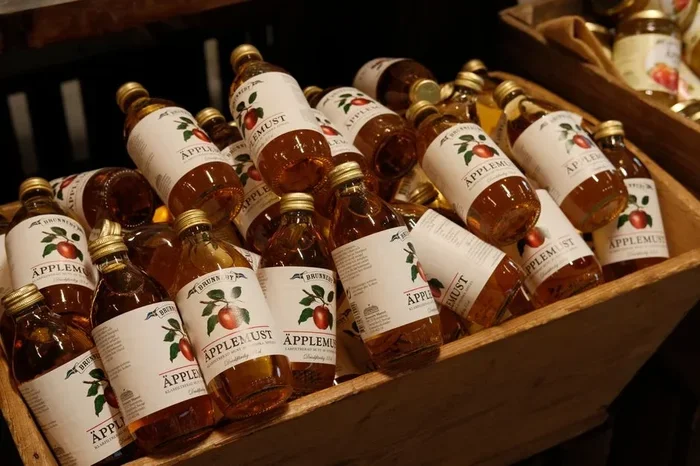
Apple cider vinegar starts as apple juice. Yeast ferments the sugars into alcohol. Then bacteria turn the alcohol into acetic acid. That acid gives vinegar its sour punch. Raw, unfiltered ACV often contains something called the vinegar mother. The mother is a colony of beneficial bacteria and enzymes. It looks like a cloudy, stringy disc floating in the bottle. Many people seek out ACV with the mother because they believe it offers more health benefits. The health benefits of apple juice are well known, and the fermentation process concentrates some of those properties into vinegar.
Commercial filtered ACV removes the mother and often pasteurizes the liquid. This process extends the shelf life but removes some live cultures. Both types can last a long time. The key difference is how they look and taste. Knowing what you have helps you judge whether it is still good.
Does Apple Cider Vinegar Go Bad?
The phrase “does apple cider vinegar go bad” troubles many home cooks. The truth is that vinegar is self-preserving. Its low pH prevents the growth of harmful bacteria. In fact, historically, people used vinegar to preserve food and clean wounds. So, technically, apple cider vinegar does not expire in a way that makes it toxic. However, the quality does degrade. Over time, the acetic acid can evaporate, especially if the seal is loose. The flavor becomes milder. The color might darken. These changes do not make you sick, but they do affect cooking results.
Think of it like salt or sugar. Those staples last forever, but their texture or potency can shift. Vinegar is similar. The best by date on the bottle is a guide for peak quality, not a safety deadline. If you follow proper storage, your ACV can remain useful for years beyond that date.
Shelf Life of Unopened ACV
An unopened bottle of apple cider vinegar stays at peak quality for about two years past the printed date. The acidity keeps it stable. The glass bottle protects it from light and air. You can store it in a pantry, cupboard, or even a basement. As long as the seal remains intact, the vinegar will not spoil. The flavor might mellow slightly over a decade, but it is still safe to use.
How Long Does Opened Apple Cider Vinegar Last?
Once you open the bottle, the clock starts ticking a bit faster. Oxygen enters each time you pour. This can slowly reduce the acidity. An opened bottle of ACV remains at best quality for about one to two years. However, many people use opened vinegar for five years or more with no issues. The real indicator is not the date but the sensory check. If it looks, smells, and tastes normal, it is fine. Just like you know how to tell if frozen meat is bad by its smell and texture, you can judge vinegar by its changes.
Signs Your Apple Cider Vinegar Has Gone Bad
While vinegar rarely becomes hazardous, it can deteriorate. Knowing the warning signs helps you decide when to replace it. You do not need lab equipment. Your senses are your best tools. If you ever wonder “how can you tell if ACV is off,” look for these clues.
Visual Clues
Fresh apple cider vinegar is usually clear to slightly amber. It should not be murky. A few harmless changes can occur. The vinegar mother may form a thin film on the surface. This is normal in raw, unfiltered vinegar. You can strain it out or leave it. However, heavy mold growth is a red flag. If you see fuzzy green, black, or white spots, discard the bottle. Also, check for significant sediment. A small amount of sediment is fine, but a thick, chunky layer might indicate bacterial contamination. Think of how you would check how to tell if vacuum sealed meat is bad by inspecting the packaging; a bloated or leaking bottle of vinegar also signals a problem.
Smell and Taste Changes
The smell of ACV should be sharp and pungent. If it smells like flat beer or has a musty, rotten-egg odor, it has likely gone bad. Taste is a final check. A tiny sip of old vinegar will taste dull and lifeless. Fresh vinegar has a bright, biting acidity. If the taste is completely flat or sweet, the acetic acid has broken down. At that point, the vinegar is no longer effective for cooking or cleaning. It is safe to throw it out.
How to Store Apple Cider Vinegar Properly
Proper storage keeps apple cider vinegar at its best for years. You do not need special equipment. The goal is to slow down oxidation and preserve acidity. A few simple habits make a big difference.
Best Storage Containers
Always keep ACV in its original glass bottle. Glass is non-reactive and impermeable to air. If you transfer vinegar to another container, choose a dark glass jar with a tight-fitting lid. Avoid plastic bottles for long-term storage. Plastic can leach chemicals over time and may not seal as well. The vinegar mother can also cling to plastic, making it harder to clean. A clean glass jar with a screw-top lid works perfectly.
Temperature and Light Considerations
Store your vinegar in a cool, dark place. A pantry or cupboard away from the stove is ideal. Heat and light accelerate chemical reactions that break down acetic acid. Do not keep ACV on a sunny windowsill. Temperature swings can also cause the liquid to expand and contract, potentially loosening the seal. A consistent room temperature of 50 to 70 degrees Fahrenheit is perfect. The shelf life of apple cider vinegar extends significantly when you avoid these stressors.
Can You Use Expired Apple Cider Vinegar?
Using vinegar past its best by date is generally safe. The question is whether it still works for its intended purpose. The answer depends on what you plan to do with it.
Cleaning and Household Uses
Old ACV is excellent for cleaning. You can spray it on countertops, glass, and stainless steel. The acidity cuts through grease and grime. It also helps remove water stains. For household cleaning, even weak vinegar works. If your ACV has lost some potency, you can simply use a bit more. The cleaning power comes from the acid, which remains even as the flavor fades. So do not toss old vinegar just because it is past the label date.
Culinary Uses After Expiration
For cooking, the story is different. Salad dressings, marinades, and pickles rely on the bright, tangy flavor of fresh vinegar. Expired ACV may not deliver the zing you want. It can make a dish taste flat or dull. If the vinegar smells off or has a strange aftertaste, avoid using it in food. However, if it simply tastes less acidic, you can still use it in recipes where vinegar is cooked down, such as deglazing a pan or making a reduction. The heat will mellow any remaining sharpness.
Health Implications of Using Spoiled ACV
Many people drink diluted apple cider vinegar for its supposed health benefits. They wonder if spoiled ACV can cause harm. In rare cases, vinegar that has gone truly bad can harbor harmful bacteria. This usually happens if the bottle was not sealed properly or if water got in. The low pH normally prevents bacterial growth, but if the acidity drops too low, pathogens can multiply. If you notice mold, a foul odor, or a slimy texture, do not consume it. Toss the bottle immediately.
On the other hand, vinegar with the mother that has simply aged is safe. The mother is a natural byproduct of fermentation. Some people even add a new mother to their vinegar to keep it active. The health benefits of apple juice and its fermented form are well documented, but only when the product is clean and uncontaminated.
When to Throw It Away
Use these simple rules to decide when to discard ACV. Throw it out if you see mold. Throw it out if it smells like sewage or rotten eggs. Throw it out if the bottle is cracked or the seal is broken. If the vinegar has a strange, chemical smell after opening, it may have absorbed flavors from the surrounding environment. In those cases, it is best to replace it. Otherwise, trust your senses.
Benefits of Fresh ACV
Fresh, quality apple cider vinegar offers a tangy kick to foods and a natural cleaning solution for your home. It can help balance blood sugar, support digestion, and soothe a sore throat when diluted. Keeping your vinegar fresh ensures you get these benefits. Store it well, check it periodically, and enjoy it with confidence.
Common Myths About Apple Cider Vinegar Expiration
Several myths swirl around the topic of vinegar going bad. Let us clear up the confusion.
Myth: ACV Never Expires. It is true that vinegar is incredibly shelf stable. However, it is not immortal. Over many years, the acetic acid can evaporate, and the flavor fades. The best by date exists for a reason. It tells you when the product will taste its best. Treating vinegar as a forever ingredient can lead to using a bland, ineffective liquid in your recipes.
Myth: The Mother Means It Is Bad. Many people panic when they see a cloudy substance in their vinegar. They think it has gone bad. In reality, the vinegar mother is a sign of raw, unfiltered vinegar. It is full of probiotics and enzymes. You can strain it out with a coffee filter if you prefer a clear liquid. The presence of the mother does not mean the vinegar is spoiled. It means the vinegar is alive and naturally fermented.
Myth: Refrigeration Extends Vinegar Life. You do not need to refrigerate apple cider vinegar. The acidity is already a powerful preservative. Storing ACV in a cool, dark pantry is perfectly fine. Refrigeration can cause harmless cloudiness but does not extend the shelf life significantly.
Conclusion
So, does apple cider vinegar go bad? The answer is nuanced. It rarely becomes unsafe, but it does lose its punch over time. By checking the color, smell, and taste, you can easily tell if your ACV is still good. Store it in a cool, dark place in a sealed glass bottle. Use expired vinegar for cleaning tasks, and save the fresh stuff for your favorite recipes. A little attention to storage and sensory cues keeps your vinegar working hard for years. Trust your senses, and you will never waste a drop.
Frequently Asked Questions
Can you get sick from using expired apple cider vinegar?
It is very unlikely. The high acidity of ACV prevents most harmful bacteria from growing. However, if the vinegar shows mold, a foul smell, or a slimy texture, do not consume it. Those are signs of true spoilage that could cause stomach upset.
How long does apple cider vinegar last after opening?
An opened bottle of apple cider vinegar generally stays at peak quality for one to two years. It can remain safe and usable for much longer if stored properly. Always check for changes in smell or taste before using it in food.
Is the vinegar mother harmful?
No, the vinegar mother is not harmful. It is a natural colony of bacteria and cellulose that forms during fermentation. Many people consider it a sign of raw, unfiltered vinegar. You can remove it with a coffee filter if you prefer a clear liquid.
Does apple cider vinegar need to be refrigerated?
Refrigeration is not necessary. The acidity acts as a natural preservative. Storing ACV in a cool, dark pantry is perfectly fine. Refrigeration can cause harmless cloudiness but does not extend the shelf life significantly.
Can old apple cider vinegar be used for cleaning?
Yes, even old ACV works well for cleaning. The acidity remains effective for cutting grease and removing stains. If the vinegar has lost its strong smell, you can use a little more or dilute it with water. It is a great eco-friendly alternative to commercial cleaners.
What does bad apple cider vinegar smell like?
Bad apple cider vinegar may smell musty, like flat beer, or have a rotten-egg odor. Fresh ACV should smell sharply acidic and fruity. If the smell is off-putting or chemical, it is best to discard the bottle and get a new one.