So how much is an ounce? An ounce is a small unit of weight equal to about 28 grams. Whether you are cooking, shopping, or just curious, knowing the ounce helps you measure portions, compare prices, and understand product labels with ease. This guide breaks down everything you need to know about the ounce in simple, practical terms.
Have you ever picked up a small package at the store and wondered, how much is an ounce really? It is a question that comes up more often than you might think. Whether you are following a recipe, comparing grocery items, or just trying to understand a product label, the ounce plays a big role in daily life.
The ounce is one of the most common weight measurements in the United States. You see it on food packages, in recipes, and even in jewelry stores. Yet many people do not fully grasp what it means or how it compares to other units. This guide breaks it all down in a way that is easy to follow and full of practical value.
By the end of this article, you will know exactly what an ounce is, how it converts to other units, and what everyday items weigh about one ounce. You will also learn tips for using ounces in cooking, shopping, and more. Let us dive right in.
Key Takeaways
- What an Ounce Is: An ounce is a unit of weight used in the US and a few other countries, equal to roughly 28 grams.
- Two Types Matter: The avoirdupois ounce (common weight) and the troy ounce (used for precious metals) are different and worth knowing.
- Everyday Items Weigh About One Ounce: From a slice of bread to a AA battery, many common objects weigh close to one ounce.
- Cooking and Shopping: Understanding ounces helps you follow recipes, compare grocery prices, and measure portions accurately.
- Easy Conversions: One ounce equals about 28.35 grams, 1/16 of a pound, or roughly 2 tablespoons of water.
- Practical Value: Knowing the ounce helps you make smarter buying decisions and avoid common measurement mistakes.
📑 Table of Contents
What Is an Ounce and Where Did It Come From?
The ounce is a unit of weight with a long history. The word comes from the Latin word “uncia,” which meant one-twelfth. This traces back to the Roman system of weights and measures. Over centuries, the ounce evolved into the version we use today in the US and a few other countries.
There are two main types of ounces you should know about:
- Avoirdupois Ounce: This is the standard ounce used for most everyday items. It equals about 28.35 grams.
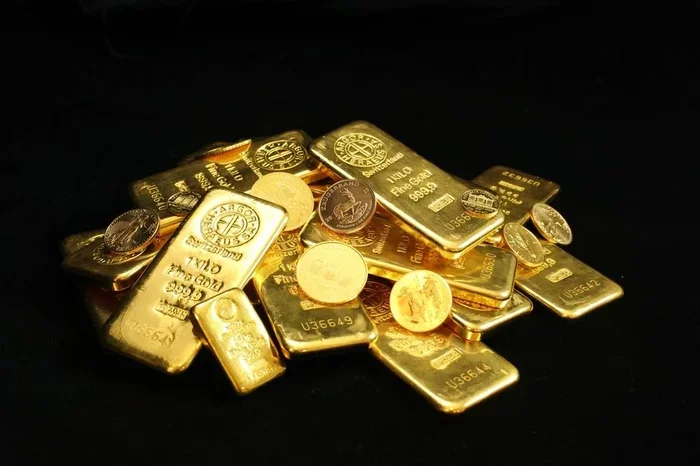
- Troy Ounce: This is used mainly for precious metals like gold and silver. It is slightly heavier at about 31.1 grams.
For most people, the avoirdupois ounce is the one that matters. When you see a package labeled “net weight 4 oz,” it refers to the avoirdupois ounce. The troy ounce only comes up in specialty markets like jewelry and bullion trading.
How Much Does One Ounce Weigh?
One avoirdupois ounce equals about 28.35 grams. It is also 1/16 of a pound. To put that in perspective, a single slice of sandwich bread weighs roughly one ounce. A AA battery is another common item that is close to this weight.
In fluid terms, one fluid ounce is a measure of volume, not weight. This is an important distinction. A fluid ounce of water weighs slightly less than a solid ounce of the same substance. Confusing the two is one of the most common mistakes people make in the kitchen.
How Much Is an Ounce in Different Units?
Understanding how the ounce converts to other units makes it much easier to use in real life. Here are the most common conversions you will need:
- 1 ounce = 28.35 grams
- 1 ounce = 1/16 of a pound
- 1 fluid ounce = about 29.57 milliliters
- 1 ounce = 2 tablespoons (for water and similar liquids)
- 1 ounce = 6 teaspoons
These conversions are incredibly useful when you are cooking or baking. Many recipes from around the world use grams or milliliters. If you know how to convert ounces to these units, you can follow almost any recipe with confidence. This is especially helpful when you are trying to measure coffee in a coffee maker or portion out ingredients for a meal.
Quick Conversion Cheat Sheet
Keep these simple numbers in mind for everyday use:
- 2 ounces = about 57 grams
- 4 ounces = about 113 grams (also known as a quarter pound)
- 8 ounces = about 227 grams (half a pound)
- 16 ounces = 1 pound (454 grams)
These numbers cover a lot of ground. Whether you are portioning snacks, weighing ingredients, or checking a package label, this cheat sheet will serve you well.
Everyday Items That Weigh About One Ounce
One of the best ways to understand how much an ounce is to hold something that weighs about that much. Here are common items you likely have at home right now:
- A slice of sandwich bread
- A single AA or AAA battery
- Six US quarters (the coins)
- A pencil
- A small button
- Two tablespoons of water
- A single almond (about 1 gram each, so roughly 28 together)
These items give you a physical sense of what one ounce feels like. Next time you are in the kitchen, grab a slice of bread and hold it in your hand. That is your reference point for an ounce. Over time, you will develop an intuitive feel for this weight without needing a scale at all.
Knowing these reference items also helps when you are shopping. If a product says it contains 4 ounces, you can picture four slices of bread stacked up. This mental trick makes grocery shopping much more intuitive and helps you make better choices about portion sizes and value.
How the Ounce Is Used in Cooking and Baking
The ounce is a staple in American cooking and baking. Many recipes list ingredients in ounces, especially for dry goods and liquids. Understanding how to work with ounces in the kitchen can seriously improve your cooking results.
Dry Ingredients Measured in Ounces
When a recipe calls for 4 ounces of flour, it means a weight measurement. This is different from measuring by volume, like cups. Using a kitchen scale to weigh ingredients in ounces gives you much more accurate results. The same amount of flour can vary widely in volume depending on how tightly it is packed.
Here are some common dry ingredients and their approximate weights:
- 1 ounce of all-purpose flour = about 1/4 cup
- 1 ounce of sugar = about 2 tablespoons
- 1 ounce of butter = about 2 tablespoons
- 1 ounce of chocolate chips = about 2 tablespoons
These conversions are not exact because the density of each ingredient varies. But they give you a solid starting point for cooking and baking with confidence.
Liquid Ingredients Measured in Fluid Ounces
Fluid ounces measure volume, not weight. When a recipe calls for 2 fluid ounces of oil, you are looking at a volume measurement. Two fluid ounces equals about 1/4 cup or 4 tablespoons. This distinction matters a lot in baking, where precision is key.
When you are greasing a pan without oil or butter, for example, you might use a small spray that dispenses a fraction of an ounce. Understanding these tiny measurements helps you use ingredients more efficiently and reduce waste in the kitchen.
How the Ounce Helps You Shop Smarter
The ounce is everywhere in the grocery store. Products are often sold in small packages that weigh just a few ounces. Learning to read these labels can save you money and help you buy exactly what you need.
Comparing Prices Per Ounce
One of the best ways to compare products is by the price per ounce. This tells you the true value regardless of package size. For example, if a small bag of chips costs $2 and weighs 8 ounces, the price per ounce is $0.25. A larger bag that costs $4 and weighs 16 ounces also comes to $0.25 per ounce. The value is the same.
Here are some tips for using the ounce to shop smarter:
- Always check the net weight on the label
- Divide the price by the number of ounces to get the unit price
- Compare unit prices across different brands and sizes
- Watch for “family size” packages that may not actually save money per ounce
This simple habit can add up to significant savings over time. You will start noticing which brands and sizes give you the best value for your money.
Portion Control and the Ounce
Many nutrition labels list serving sizes in ounces. Understanding what an ounce of food looks like helps you manage portions and track your intake more effectively. For example, a serving of nuts is often listed as 1 ounce, which is about a small handful. A serving of cheese is typically 1 ounce, roughly the size of a pair of dice.
Using the ounce as a portion guide is a practical skill that supports healthier eating habits. You do not need to weigh everything perfectly. Just having a general sense of what an ounce looks like on your plate goes a long way.
Common Mistakes People Make With Ounces
Even though the ounce is a simple unit, people still make mistakes with it. Here are some of the most common errors and how to avoid them:
Confusing Fluid Ounces with Weight Ounces
This is the number one mistake. A fluid ounce measures volume, while a weight ounce measures mass. They are not the same thing. One fluid ounce of water weighs slightly less than one weight ounce. Always check whether a recipe or label is referring to fluid ounces or weight ounces.
Ignoring the Difference Between Avoirdupois and Troy Ounces
If you ever buy gold, silver, or gemstones, you need to know about the troy ounce. It is about 10% heavier than the standard avoirdupois ounce. Using the wrong type of ounce can lead to costly mistakes in these markets.
Rounding Too Much in Recipes
Baking is a science. Rounding 1.3 ounces up to 1.5 ounces might seem harmless, but it can change the texture and structure of baked goods. When precision matters, use a scale and measure in ounces carefully.
Not Checking the Net Weight
Some products use misleading packaging that makes a small amount look larger. Always check the net weight in ounces on the back of the package. This gives you the true picture of what you are getting.
Fun Facts About the Ounce
The ounce has some interesting history and trivia that make it even more fascinating:
- The abbreviation “oz” comes from the Italian word “onza,” which was used during the medieval period.
- The phrase “an ounce of prevention is worth a pound of cure” dates back to Benjamin Franklin.
- The troy ounce system originated in Troyes, France, a major trading city in the Middle Ages.
- In the US, the ounce is still the primary unit for measuring body weight in informal contexts (like “I weigh 150 ounces” is not common, but “12 ounces” for a small package is).
These fun facts show how deeply the ounce is woven into our language and culture. It is more than just a measurement. It is a part of everyday life that connects us to centuries of trade and commerce.
Conclusion
So how much is an ounce? It is a small but mighty unit of weight that equals about 28 grams. From cooking and baking to shopping and portion control, the ounce touches nearly every part of daily life. Understanding it gives you more confidence in the kitchen, smarter shopping habits, and a better grasp of the world around you.
The next time you pick up a package, check the label, or follow a recipe, you will know exactly what those ounces mean. You will be able to convert between units, estimate weights, and make informed decisions with ease. The ounce may be small, but the knowledge it brings is powerful.
Keep these tips and conversions handy. Over time, working with ounces will become second nature. And you will wonder how you ever managed without this basic understanding of one of the most useful measurements in everyday life.
Frequently Asked Questions
How much is an ounce in grams?
One avoirdupois ounce equals about 28.35 grams. This is the standard ounce used for most everyday items in the United States. For quick mental math, you can round it to 28 grams.
Is a fluid ounce the same as a weight ounce?
No, they are different. A fluid ounce measures volume, while a weight ounce measures mass. One fluid ounce of water weighs about 1.04 weight ounces. Always check which type of ounce a recipe or label is using.
How many ounces are in a pound?
There are 16 ounces in one pound. This is a key conversion to remember for cooking, shopping, and everyday weight comparisons. It also helps when you are reading nutrition labels or package weights.
What is a troy ounce used for?
The troy ounce is used primarily for measuring precious metals like gold, silver, and platinum. It weighs about 31.1 grams, which is heavier than the standard avoirdupois ounce of 28.35 grams. If you are buying jewelry or bullion, you will likely see prices listed in troy ounces.
How can I measure an ounce at home without a scale?
You can use everyday objects as reference points. A slice of bread, a AA battery, or six US quarters all weigh close to one ounce. For liquids, two tablespoons equal roughly one fluid ounce. These tricks help you estimate ounces without special equipment.
Why do some countries not use ounces?
Most countries around the world use the metric system, which is based on grams and kilograms. The ounce is part of the imperial system, which is primarily used in the United States. This is why you may see metric conversions on imported products or international recipes.