Espresso and regular coffee come from the same beans but brew very differently. Espresso uses high pressure and fine grounds for a bold, concentrated shot. Regular coffee uses slower methods like drip or pour-over for a smoother, larger cup. Understanding how is espresso different than coffee helps you pick the perfect drink for your taste and caffeine needs.
Many people ask how is espresso different than coffee when they first step into a café. The short answer is that both drinks start with the same coffee beans, but the brewing process changes everything. You get a small, intense shot with espresso and a larger, lighter cup with regular coffee. Once you understand the basics, choosing between them becomes much easier.
The confusion often comes from the word coffee itself. People use the term to describe everything from a quick drip brew to a carefully pulled espresso shot. In reality, espresso is a specific brewing method, not a separate bean or a completely different plant. That distinction matters because it shapes the taste, texture, and caffeine experience in your cup.
In this guide, we will break down the real differences in simple terms. You will learn how pressure, grind size, water temperature, and serving size affect the final drink. We will also look at flavor, caffeine, and common myths so you can feel confident ordering or brewing at home. By the end, you will know exactly what sets these two popular drinks apart.
Key Takeaways
- Same beans, different brew: Both drinks use Arabica or Robusta beans, but the roast, grind, and brewing method change the final cup.
- Pressure matters most: Espresso relies on 9 bars of pressure to extract flavor quickly, while regular coffee uses gravity or immersion.
- Grind size changes everything: Espresso needs a fine powder-like grind, while drip coffee uses a medium or coarse grind.
- Serving size differs: A shot of espresso is about 1-2 ounces, while a standard coffee cup holds 8-12 ounces or more.
- Caffeine content varies by serving: Espresso has more caffeine per ounce, but a full cup of coffee usually delivers more total caffeine.
- Flavor profile is distinct: Espresso tastes bold, rich, and concentrated, while regular coffee tends to be lighter and more mellow.
- Choose based on your goal: Pick espresso for a quick, intense boost and regular coffee for a slower, longer drinking experience.
📑 Table of Contents
- How Is Espresso Different Than Coffee in Brewing Method
- Bean Types and Roast Choices Play a Role
- Grind Size and Water Ratio Change the Cup
- Flavor, Texture, and Crema Set Them Apart
- Caffeine Content and Serving Size Compared
- When to Choose Espresso and When to Choose Coffee
- Final Thoughts on the Difference
How Is Espresso Different Than Coffee in Brewing Method
The biggest answer to how is espresso different than coffee lies in the brewing method. Espresso uses pressure to force hot water through tightly packed coffee grounds. Regular coffee usually relies on gravity, steeping, or slow filtration. That single difference changes the speed, strength, and texture of the drink.
Pressure Creates the Espresso Style
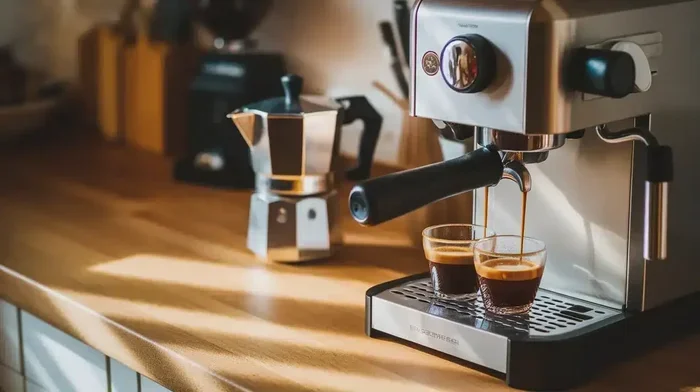
Espresso machines push water through the coffee at high pressure. This quick extraction pulls oils, sugars, and soluble compounds into a small amount of liquid. The result is a dense, concentrated shot with a thick mouthfeel. Because the water touches the grounds for only a short time, the brew stays bold and intense.
Regular coffee methods work more slowly. A drip machine lets hot water pass through grounds with gravity. A French press steeps the coffee before you press the filter down. Pour-over methods guide water over the grounds in a controlled stream. These slower methods usually produce a lighter body and a more gradual flavor release.
Time and Extraction Differ Too
Espresso extraction happens fast, often in about 25 to 30 seconds. That short window means the brewer must control grind size, dose, and temperature very carefully. Small changes can make the shot taste sour, bitter, or balanced. Regular coffee usually brews over a longer period, which gives the water more time to interact with the grounds.
This difference also affects consistency. Espresso can be very precise, but it also asks for more technique and equipment. Regular coffee methods are often more forgiving, especially for beginners. If you want a simple routine, drip or immersion brewing may feel easier. If you enjoy precision and a strong, concentrated result, espresso offers a rewarding challenge.
Quick Tip: If you are new to brewing, start with regular coffee methods before moving to espresso. They are more forgiving and help you learn how grind size and water temperature affect taste.
Bean Types and Roast Choices Play a Role
People sometimes think espresso requires a special bean, but that is not quite true. You can make espresso from many coffee beans, and you can also brew regular coffee from the same beans. The difference is that certain roasts and blends work especially well for espresso because they match the pressure and short extraction time.
Visual guide about espresso vs coffee comparison
Image source: suziethefoodie.com
Dark Roasts Are Common in Espresso
Many espresso drinks use darker roasts because they bring out bold, chocolatey, and caramel-like notes. Dark roasts also tend to produce a thicker crema, which is the light foam on top of a good shot. That rich layer adds texture and aroma, making espresso feel more luxurious in a small cup.
Regular coffee often uses medium or light roasts, especially when drinkers want brighter, fruitier, or more floral flavors. Those roasts can taste wonderful in drip, pour-over, or cold brew. Since regular coffee has a larger water ratio, lighter roasts can shine without becoming too heavy or intense.
Blends Are Often Built for Specific Brews
Coffee roasters sometimes create espresso blends with balance in mind. They may mix beans to deliver body, sweetness, and a smooth finish under pressure. Regular coffee blends may focus more on clarity, acidity, or a rounded everyday flavor. That does not mean one blend cannot do both jobs, but it does mean roasters often optimize beans for different styles.
If you want to compare the two at home, try the same bean in both methods. You will notice how the brewing style changes the flavor more than the bean alone. This is one of the clearest ways to see how is espresso different than coffee in practice. The bean provides the foundation, but the brew method shapes the house.
Grind Size and Water Ratio Change the Cup
Grind size is another major piece of the puzzle. Espresso needs a very fine grind so the water meets enough surface area during the short extraction. Regular coffee generally uses a medium or coarser grind, depending on the method. The wrong grind can lead to weak, sour, or bitter results in either style.
Visual guide about espresso vs coffee comparison
Image source: blogger.googleusercontent.com
Fine Grind for Espresso
A fine espresso grind feels almost powdery. This texture helps the machine create resistance, which is necessary for building pressure and extracting rich compounds. If the grind is too coarse, water rushes through too quickly and the shot tastes thin. If it is too fine, the water may struggle to pass and the result can turn harsh.
This is why espresso asks for more precision. Many coffee lovers use a burr grinder because it creates a consistent grind. Consistency matters because uneven particles can cause uneven extraction. When the grounds are uniform, the shot is more likely to taste balanced and smooth.
Medium and Coarse Grinds for Regular Coffee
Drip coffee usually works best with a medium grind, while methods like French press prefer a coarser grind. A coarser grind keeps the water moving at a steady pace and reduces over-extraction. If the grind is too fine for a French press, the cup may become muddy or bitter. If it is too coarse for drip coffee, the brew may taste weak.
Water ratio also matters. Espresso uses a much lower water-to-coffee ratio, which creates a concentrated drink. Regular coffee uses more water, so the final cup is lighter and less intense by volume. This ratio difference is one of the simplest ways to explain how is espresso different than coffee to a beginner.
Common Mistake: Using the same grind setting for espresso and drip coffee. That usually leads to poor results in one of them. Always adjust your grinder based on the brew method.
Flavor, Texture, and Crema Set Them Apart
Flavor is where the difference becomes very noticeable. Espresso tends to taste bold, rich, and concentrated, with a thicker mouthfeel. Regular coffee usually tastes smoother, lighter, and more spread out across a larger cup. Both can be delicious, but they deliver flavor in different ways.
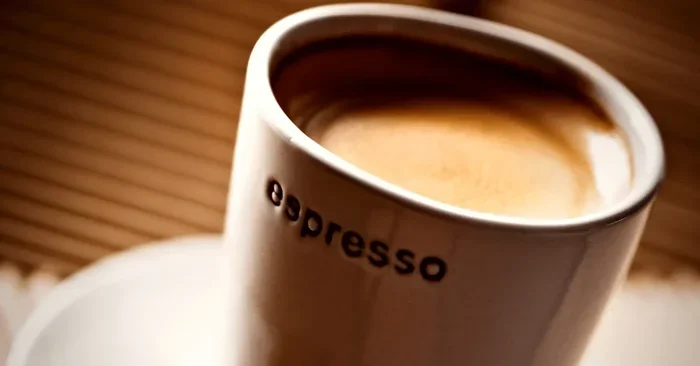
Visual guide about espresso vs coffee comparison
Image source: fluentincoffee.com
Crema Adds a Distinctive Layer
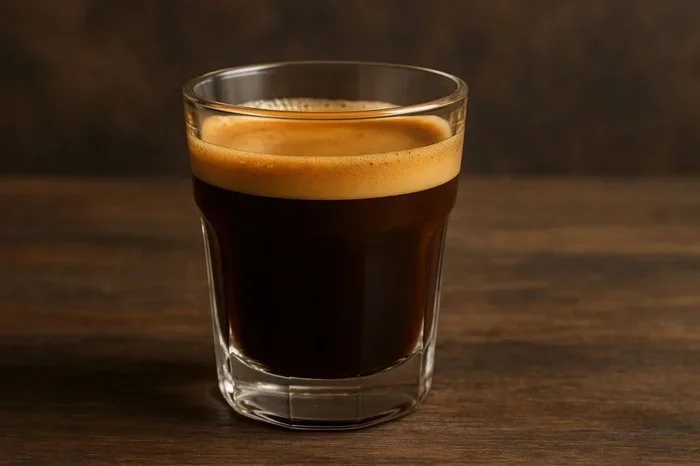
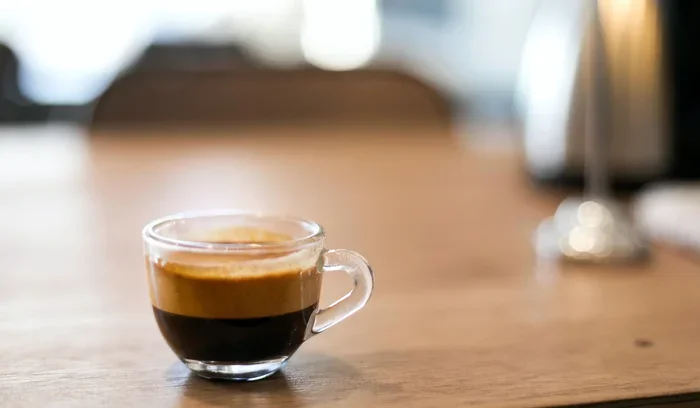
One of the most recognizable features of espresso is crema. This golden-brown foam forms on top when oils and gases emulsify during extraction. Crema adds aroma, texture, and a sense of freshness. It is not a flavor by itself, but it changes how the shot feels and smells.
Regular coffee does not usually produce crema. Some brewing methods create a light foam or a fragrant surface, but not the same dense layer found on espresso. If you want a drink with a creamy, velvety top, espresso is the more obvious choice. If you prefer a clean, simple cup, regular coffee may suit you better.
Body and Intensity Vary
Body refers to the weight and texture of the drink in your mouth. Espresso often feels fuller and more syrupy, even though the serving is small. Regular coffee can still have good body, but it usually feels lighter because of the higher water content. That difference affects how the drink feels as you sip it slowly.
Intensity also changes with serving style. A straight espresso shot hits the palate quickly and strongly. A mug of coffee gives you a gentler experience over a longer time. Neither is better in every situation. It depends on whether you want a quick, concentrated flavor or a more relaxed drinking rhythm.
Caffeine Content and Serving Size Compared
Many people assume espresso always has more caffeine, but the truth is a little more nuanced. Espresso has more caffeine per ounce, yet a regular cup of coffee usually contains more caffeine overall because it is much larger. So the answer to how is espresso different than coffee includes both concentration and total amount.
Per Ounce Versus Per Serving
A single shot of espresso is small, so its total caffeine is limited. A full mug of coffee contains more liquid, so it often delivers more caffeine in one sitting. If you compare them ounce by ounce, espresso looks stronger. If you compare them by typical serving, coffee can easily win on total caffeine.
This matters if you are sensitive to caffeine or trying to manage your intake. A quick espresso shot may feel intense, but it may not keep you awake as long as a large coffee. On the other hand, if you want a smaller, faster boost, espresso can be a good fit. The best choice depends on your tolerance and your routine.
Brew Strength Is Not the Same as Caffeine
A bold-tasting drink is not always the highest in caffeine. Roast level, bean type, water temperature, and extraction all influence the final cup. Darker roasts can taste stronger, but caffeine differences between roasts are usually small. The brewing method and serving size matter more for most drinkers.
If you want a stronger caffeine effect, look at the total serving size and the bean variety rather than the name of the drink alone. That approach is more useful than assuming espresso always wins. It also helps you understand how is espresso different than coffee beyond just taste and aroma.
Expert Insight: If you want a smoother caffeine experience, pay attention to both bean type and serving size. A smaller espresso can feel intense, while a larger coffee may deliver more total stimulation over time.
When to Choose Espresso and When to Choose Coffee
Now that you know how is espresso different than coffee, the choice becomes about lifestyle and taste. Espresso works well when you want a small, strong drink with a rich finish. Regular coffee works well when you want a larger cup you can sip slowly. Both fit different moments in the day.
Great Moments for Espresso
Espresso is a strong option when you want a quick, focused drink. It also makes a great base for milk drinks like lattes and cappuccinos. Because the shot is concentrated, it blends well with steamed milk and foam. That flexibility is one reason espresso remains so popular in cafés.
Many people also enjoy espresso after a meal or during a short break. The small size makes it easy to finish quickly without committing to a full mug. If you like intense flavor and a bold finish, espresso can feel very satisfying in a small package.
Great Moments for Regular Coffee
Regular coffee is ideal when you want a longer drinking experience. It works well at breakfast, during work, or whenever you want a steadier caffeine flow. The larger volume also makes it easier to customize with milk, sweeteners, or flavorings. If you enjoy sipping slowly, regular coffee often feels more comfortable.
It is also a good choice if you want a more forgiving brewing routine at home. Drip machines, pour-over setups, and French presses are popular because they are simple and flexible. You can make a single cup or a whole pot with less fuss than espresso often requires.
Key Takeaway: Choose espresso for concentration, intensity, and milk-drink versatility. Choose regular coffee for a larger, smoother cup and a more relaxed drinking pace.
Practical Home Brewing Tips
If you want to explore both drinks at home, start with the basics. Keep your beans fresh, use clean equipment, and pay attention to water temperature. Small habits make a big difference in flavor. You do not need expensive gear to enjoy good coffee, but espresso does benefit from better control.
Here are a few simple tips to improve both styles:
- Use fresh beans: Freshly roasted beans usually taste clearer and more lively in any brew method.
- Grind right before brewing: Pre-ground coffee loses aroma faster, so grinding just before brewing helps both espresso and regular coffee.
- Watch your water: Very hot water can over-extract, while water that is too cool can under-extract. Aim for a balanced temperature range.
- Clean your equipment: Old oils and residue can make espresso taste stale and can affect drip coffee too.
- Adjust to taste: If the drink tastes sour, try a finer grind or longer extraction. If it tastes bitter, try a coarser grind or shorter extraction.
If you want to build a home setup, think about your goals first. A simple drip machine or pour-over cone may be enough if you mainly want regular coffee. If you want espresso, look for a machine that gives you stable pressure and temperature control. The right tools make the process easier and the results more consistent.
It also helps to learn a little about measurement and ratio. A good starting point is to measure coffee and water so you can repeat what works. Once you find a balance you like, you can tweak it slowly. That steady approach is the best way to learn how is espresso different than coffee through your own taste buds.
Final Thoughts on the Difference
At the end of the day, espresso and regular coffee are closely related, but they are not the same experience. Espresso is concentrated, fast, and pressure-based. Regular coffee is larger, slower, and usually more forgiving. Both can be made from the same beans, yet they taste and feel different because of how they are brewed.
If you remember that grind size, pressure, serving size, and extraction time shape the cup, the distinction becomes easy to understand. Espresso gives you boldness in a small shot. Regular coffee gives you a broader, gentler cup. The best choice depends on your mood, your caffeine needs, and how you like to drink your coffee.
So the next time someone asks how is espresso different than coffee, you can explain it with confidence. Same coffee world, different brewing path, and a very different cup in the end.
Frequently Asked Questions
Is espresso just stronger coffee?
Not exactly. Espresso is more concentrated because it uses pressure and a small amount of water, so it tastes bolder per ounce. Regular coffee is usually brewed with more water, so it feels lighter even if the beans are similar.
Does espresso have more caffeine than regular coffee?
Espresso has more caffeine per ounce, but a normal cup of coffee often has more caffeine overall because it is much larger. The total caffeine depends on serving size as much as the brew method.
Can you use the same coffee beans for espresso and drip coffee?
Yes, you can use the same beans for both, but the roast and blend may perform better in one method than the other. Some beans are optimized for espresso, while others shine in regular coffee brewing.
Why does espresso taste thicker than regular coffee?
Espresso tastes thicker because it is highly concentrated and extracts more oils into a small shot. Regular coffee uses more water, so the body is usually lighter and less intense.
What grind size should I use for espresso?
Espresso needs a fine grind, almost powdery, so the water can build pressure and extract flavor quickly. If the grind is too coarse, the shot can taste weak or watery.
Is espresso better for milk drinks like lattes?
Espresso is often preferred for milk drinks because its strong flavor holds up well against steamed milk and foam. That makes lattes, cappuccinos, and similar drinks taste balanced and rich.