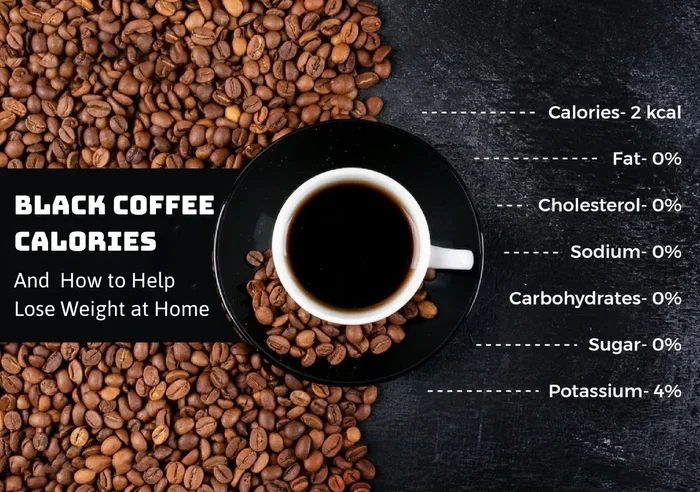
A standard cup of black coffee contains just 2 to 5 calories, making it one of the lowest calorie beverages you can enjoy. The exact count depends on brew strength, bean origin, and serving size, but pure black coffee remains virtually calorie free. Understanding your daily intake helps you track nutrition without sacrificing your favorite morning ritual. This guide breaks down the numbers, explains hidden variables, and shows how to keep your drink light and healthy.
You grab your favorite mug, pour a fresh brew, and wonder about the numbers. Maybe you track every bite and sip. Maybe you just want to know if your daily habit fits your goals. Either way, the answer is refreshingly simple. A plain cup of black coffee carries almost no calories. It gives you energy, flavor, and comfort without weighing down your day.
This guide walks you through the exact numbers, the small details that shift the count, and the smart habits that keep your drink light. You will learn how brew methods, bean choices, and serving sizes play a role. You will also see why black coffee stays such a popular choice for people who watch their intake. Let us dive in.
Key Takeaways
- Calorie count is extremely low: A typical eight ounce cup of black coffee contains only 2 to 5 calories.
- Brew method matters: Drip, French press, and espresso yield slightly different calorie ranges due to extraction and concentration.
- Bean type and roast have minimal impact: Arabica, robusta, light, and dark roasts all stay within the same low calorie window.
- Serving size changes the math: Larger cups or multiple servings add up quickly, so measure your portions.
- Additives are the real calorie drivers: Sugar, cream, milk, and flavored syrups can turn a 5 calorie drink into a 100+ calorie beverage.
- Health benefits align with low calories: Black coffee supports metabolism, focus, and antioxidant intake without adding meaningful energy.
- Tracking is simple: Use standard measurements, check labels for pre brewed options, and log only what you actually add.
📑 Table of Contents
How Many Calories Does a Cup of Black Coffee Have
The short answer is clear. A standard eight ounce cup of black coffee contains about 2 to 5 calories. That is less than a stick of gum. It is less than a single almond. For most people, the number is so small that it barely registers in a daily total.
The reason is simple. Coffee beans contain carbohydrates, fats, and proteins, but a normal brew extracts only a tiny fraction of those compounds. Water pulls out the flavor, aroma, and caffeine. It leaves behind most of the heavier nutrients. The result is a drink that tastes rich but carries almost no energy.
Here is a quick look at common serving sizes for plain black coffee:
- 8 ounce cup: 2 to 5 calories
- 12 ounce mug: 3 to 8 calories
- 16 ounce large cup: 4 to 10 calories
- 1 ounce espresso shot: 1 to 2 calories
These numbers assume you use only water and coffee. No sugar. No milk. No syrup. No cream. Once you add anything, the count changes. But the base drink stays remarkably light.
What Makes the Number So Low
Coffee starts as a seed inside a fruit. The seed gets roasted, ground, and steeped in hot water. During that process, the water dissolves oils, acids, and flavor compounds. It also pulls out a small amount of soluble material. That material contains the few calories you see in the final cup.
Most of the bean stays behind in the grounds. The fats and sugars do not dissolve well in water. The proteins stay mostly in the solid residue. So your cup ends up with a light extract rather than a full food source. That is why a strong tasting brew can still be nearly calorie free.
A few factors can nudge the number up or down. Brew time, water temperature, grind size, and coffee to water ratio all play a small role. A longer steep can pull out slightly more soluble material. A very concentrated brew can carry a touch more energy. Still, the range stays tight. You will not jump from 5 calories to 50 calories just by changing your method.
Brew Methods and Their Calorie Range
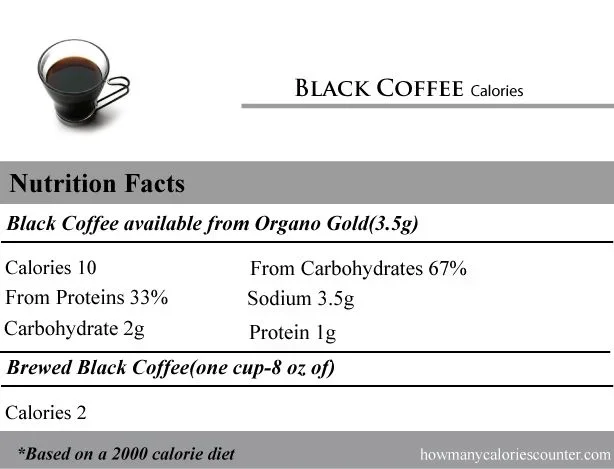
Different brewing styles produce different flavors, but the calorie difference stays small. Here is how the most common methods compare for a standard serving of black coffee:
Visual guide about black coffee cup calories
Image source: i.pinimg.com
- Drip coffee: 2 to 5 calories per 8 ounces. Clean, balanced, and the most common household brew.
- French press: 3 to 6 calories per 8 ounces. A fuller body because the metal filter lets more oils through.
- Pour over: 2 to 5 calories per 8 ounces. Similar to drip, with a brighter flavor profile.
- Espresso: 1 to 2 calories per 1 ounce shot. Concentrated flavor, but the small volume keeps the count low.
- Cold brew: 2 to 5 calories per 8 ounces. Often slightly higher if the concentrate is diluted less, but still very low.
- Turkish or fine grind simmer: 3 to 6 calories per 8 ounces. The fine particles and long contact can extract a bit more.
If you want a precise answer for your own setup, weigh your grounds and measure your water. A typical ratio is 1 gram of coffee to 15 to 18 grams of water. That ratio produces a standard cup with the low calorie range above. Stronger ratios can raise the count slightly, but not enough to worry about for most people.
Bean Type, Roast, and Grind Size
People often ask whether dark roast or light roast changes the calories. The short answer is no, not in any meaningful way. Roasting changes flavor, acidity, and body. It does not add calories. If anything, a darker roast may lose a tiny amount of mass through longer heat exposure, but the difference is negligible in your cup.
Bean species matter even less. Arabica and robusta taste different. Robusta often tastes stronger and contains more caffeine. But both produce a low calorie brew. The small variations in oil content and sugar levels do not shift the final number enough to track.
Grind size affects extraction, not calories directly. A finer grind can pull out more flavor faster. A coarser grind may need more time or hotter water. You might end up with a slightly stronger or weaker cup, but the calorie range stays the same. If you want consistency, focus on your ratio and your brew time rather than worrying about the roast.
Serving Size and Measurement Tips
Portion size is the biggest variable you control. A small cup stays lower. A giant mug adds a few more calories, simply because you brew more coffee with more grounds. The jump is still small, but it adds up if you drink several large cups a day.
Here are practical tips to keep your tracking simple:
- Use a standard mug: Measure once. If your favorite mug holds 12 ounces, treat it as a 12 ounce serving and estimate 3 to 8 calories.
- Count multiple cups: Two cups do not double the per cup number exactly, but they do double the total. Two 8 ounce cups land around 4 to 10 calories total.
- Watch pre brewed options: Some store bought or café black coffees may use different ratios. If you buy a large black coffee, assume 5 to 10 calories for a 16 ounce cup.
- Track what you add: The coffee itself is tiny. The extras are not. Log milk, sugar, honey, or syrup separately.
If you like precision, use a kitchen scale for your grounds. A common starting point is 10 to 12 grams of coffee for an 8 ounce cup. That amount produces a normal strength brew and keeps the calorie count in the low range. Stronger brews may use 14 to 16 grams, which can nudge the count up by a calorie or two.
Additives and Hidden Calories
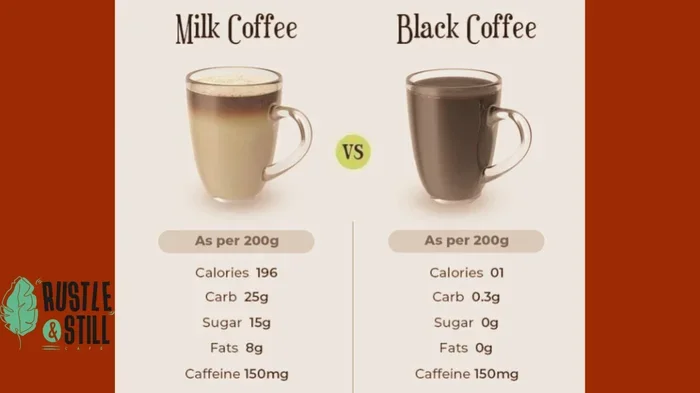
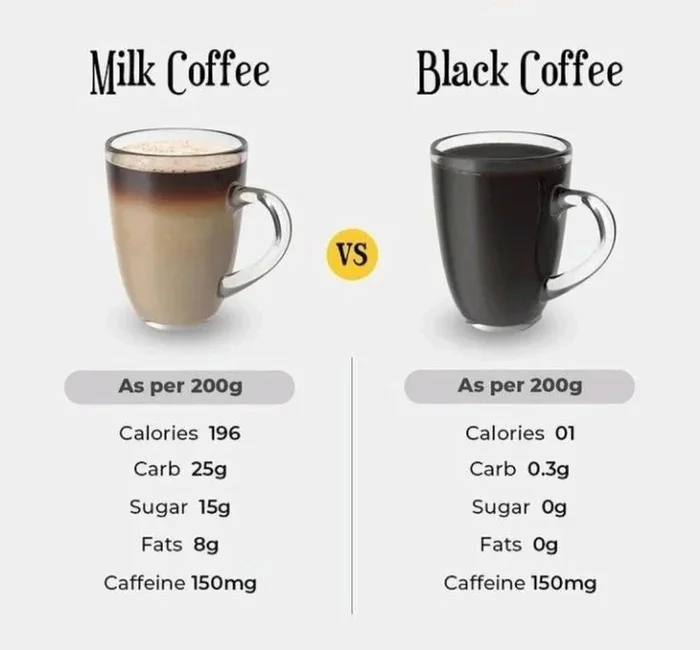
This is where the real math happens. Black coffee is light. Add milk, and the count rises. Add sugar, and it rises more. Add flavored syrup, and the number can climb fast. Many people think their coffee is low calorie, but the add ins tell a different story.
Here is a quick comparison for common additions in a standard 8 ounce cup:
- Black coffee only: 2 to 5 calories
- Sugar, 1 teaspoon: about 16 calories
- Honey, 1 teaspoon: about 21 calories
- Whole milk, 1 ounce: about 18 calories
- Skim milk, 1 ounce: about 10 calories
- Heavy cream, 1 tablespoon: about 50 calories
- Flavored syrup, 1 pump: about 20 to 50 calories
You can see how a few additions change the picture. A cup with sugar and cream can easily reach 70 to 100 calories. That is still reasonable for many people, but it is very different from 5 calories. If you want to keep your drink light, try these ideas:
- Use a small splash of milk or a low calorie alternative.
- Sweeten with a tiny amount of sugar or a zero calorie sweetener if you prefer.
- Flavor with cinnamon, nutmeg, or vanilla extract instead of syrup.
- Order black coffee and add your own extras so you control the amount.
Health Benefits and Daily Intake
Black coffee does more than keep calories low. It also brings caffeine, antioxidants, and a quick boost of alertness. Many people enjoy it before workouts, during study sessions, or as a morning ritual. The low calorie count makes it easy to fit into many eating patterns.
A few common benefits people notice include:
- Better focus: Caffeine can sharpen attention and reduce fatigue for a short window.
- Metabolism support: Caffeine may slightly raise energy expenditure for a brief period.
- Antioxidant intake: Coffee contains polyphenols and other plant compounds that many diets lack.
- Appetite pause: Some people feel less hungry for a short time after a cup.
Keep balance in mind. Too much caffeine can cause jitters, sleep trouble, or stomach discomfort. Most adults do well with moderate intake spread through the day. If you are sensitive, stick to smaller cups or drink earlier. If you want a gentle option, try a smaller serving or a lighter roast, which can taste brighter and feel easier on some stomachs.
Hydration also matters. Coffee does contribute fluid, and for regular drinkers the mild diuretic effect is usually not a problem. Still, pair your coffee with water throughout the day. That habit keeps you comfortable and supports overall wellness.
Common Mistakes When Counting Coffee Calories
People often miscount coffee calories for simple reasons. Here are the most common pitfalls and how to avoid them:
- Forgetting the add ins: The coffee is low calorie, but the sugar and cream are not. Log everything you put in the cup.
- Assuming all black coffee is identical: Brew strength, ratio, and serving size can shift the number slightly. Use a consistent measure.
- Mixing up volume and calories: A larger cup does not mean a huge calorie jump. It means a small jump. Do not overestimate.
- Ignoring café portions: Restaurant and café cups can be larger than home mugs. Check the size if you track carefully.
- Counting flavored beans as higher calorie: Flavored beans usually stay low calorie. The flavoring is tiny. The brew method matters more.
If you want a clean estimate, keep a simple note for a week. Write down your cup size, your brew method, and any additions. You will quickly see your real range. Most people find that black coffee stays in the single digits, and the add ins do the heavy lifting.
Expert Insights and Practical Tips
If you drink coffee daily, small habits make a big difference. Here are practical ideas that keep your routine simple and your calories low:
- Prep your mug: Choose one standard mug and use it most days. Consistency makes tracking easier.
- Measure once, then repeat: Find a ratio you like. Use the same amount of grounds and water each time.
- Keep a small sweetener stash: If you want a touch of sweetness, keep a tiny spoon or packet nearby so you do not overpour.
- Try spice instead of syrup: A pinch of cinnamon or a drop of vanilla can add flavor without many calories.
- Rotate your brew: Drip, pour over, or French press can keep things interesting while staying low calorie.
- Pair with water: Drink a glass of water with your coffee, especially if you have more than one cup.
If you enjoy espresso, remember that the shot is small and low calorie. A latte or cappuccino changes the picture because of the milk. If you want a creamy drink with fewer calories, ask for skim milk or a smaller size. If you want the pure experience, drink the shot black and savor the intensity.
For cold days, a hot black coffee can feel comforting without adding much. For warm days, an iced black coffee stays light too. Just watch the size and any sweeteners you stir in. The base drink remains one of the easiest low calorie choices available.
Quick Tips for a Low Calorie Coffee Routine
- Stick to plain black coffee when you want the lowest count.
- Measure your mug once and use that number for tracking.
- Log add ins separately so your total stays accurate.
- Use spices and extracts for flavor instead of sugary syrups.
- Choose a smaller size if you want to keep caffeine and calories both modest.
- Keep your routine consistent so your estimates stay reliable.
Key Takeaways
- A standard cup of black coffee has only 2 to 5 calories.
- Brew method, bean type, and roast have only a tiny effect on the count.
- Serving size matters most among the coffee itself.
- Additives like sugar, milk, and syrup raise the count quickly.
- Simple habits make tracking easy and keep your drink light.
Conclusion
So, how many calories does a cup of black coffee have? The answer is wonderfully small. A normal cup lands in the range of 2 to 5 calories, and even a large mug usually stays under 10. The brew method and bean choices do not change that picture much. The real difference comes from what you add. Sugar, milk, cream, and syrups can turn a tiny drink into a much larger one.
Visual guide about black coffee cup calories
Image source: rustleandstill.com
Visual guide about black coffee cup calories
Image source: i.pinimg.com
If you want a low calorie daily habit, black coffee is a strong choice. Keep your portions consistent, track your add ins, and enjoy the flavor without worry. With a little attention, your coffee can fit almost any plan while still giving you the comfort and energy you want.
Frequently Asked Questions
How many calories are in a cup of black coffee?
A standard 8 ounce cup of black coffee has about 2 to 5 calories. The exact number depends on brew strength and serving size, but it stays very low.
Does black coffee have zero calories?
Not exactly. Black coffee has a few calories because the brew extracts a small amount of soluble material from the beans. The count is tiny, but it is not zero.
How many calories in black coffee with sugar?
A teaspoon of sugar adds about 16 calories. So a cup of black coffee with one teaspoon of sugar lands around 18 to 21 calories total.
How many calories in black coffee with milk?
One ounce of whole milk adds about 18 calories, while skim milk adds about 10 calories. Your total depends on how much milk you pour in.
Does brew method change the calories in black coffee?
Only slightly. Drip, French press, pour over, and espresso all stay in a low calorie range. The difference is usually just a calorie or two per cup.
How many calories in a large cup of black coffee?
A 16 ounce black coffee usually has about 4 to 10 calories. The count rises a bit because more grounds are used, but it stays very low.