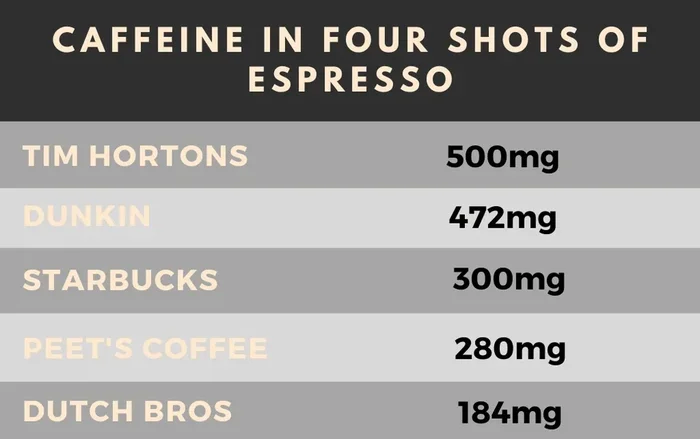
A single shot of espresso typically contains 63 milligrams of caffeine, though this varies by bean type and brew method. Understanding how much caffeine in a shot of coffee helps you manage energy levels and avoid jitters. Whether you drink espresso or drip brew, knowing your intake keeps your daily habit safe and enjoyable.
Coffee fuels millions of mornings every single day. People love the rich taste and the energy boost. But many drinkers wonder about the stimulant content in their favorite cup. Knowing how much caffeine in a shot of coffee helps you make smart choices for your health.
Espresso serves as the base for many popular drinks. Lattes, cappuccinos, and americanos all start with this strong brew. The concentration of caffeine in espresso often surprises people. It packs a punch in a small volume.
This guide breaks down the numbers clearly. You will learn about different shot sizes and bean types. We also cover safe consumption limits for your body. Let’s dive into the details of your daily brew.
Key Takeaways
- Standard Espresso Shot: A single shot contains about 63 milligrams of caffeine on average.
- Double Shots: A double shot usually delivers around 125 milligrams of caffeine.
- Brew Method Matters: Espresso has more caffeine per ounce, but drip coffee often has more per serving.
- Bean Type Impacts Strength: Robusta beans contain nearly twice the caffeine of Arabica beans.
- Safe Daily Limits: Most healthy adults can safely consume up to 400 milligrams of caffeine daily.
- Timing Is Key: Drinking coffee too late in the day can disrupt your sleep cycle significantly.
- Individual Sensitivity: Genetics and tolerance levels affect how your body processes caffeine.
📑 Table of Contents
Understanding How Much Caffeine In A Shot Of Coffee
People often confuse concentration with total volume. Espresso is highly concentrated. A small amount holds a lot of energy. However, a standard mug of drip coffee might have more total caffeine. This is simply because the serving size is larger.
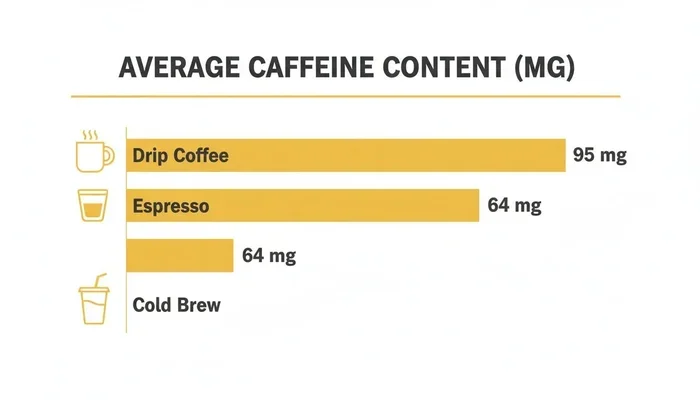
The standard single shot measures about one ounce. This small liquid volume delivers a specific amount of stimulant. On average, you get 63 milligrams of caffeine. Some sources suggest a range between 40 and 80 milligrams. This variation depends on several key factors.
Roasting levels also play a role. Many believe dark roasts have more caffeine. Actually, light roasts often retain slightly more. The difference is minimal though. The brewing time and pressure matter much more.
Single Shot Versus Double Shot
Most coffee shops default to double shots today. A double shot uses two ounces of liquid. This doubles the caffeine content to roughly 125 milligrams. Some places call this a “doppio.” It is the standard for many milk-based drinks.
If you order a latte, ask about the shot count. A large latte might contain three or four shots. This can quickly increase your daily intake. Always check with your barista about the size.
Espresso Versus Drip Coffee
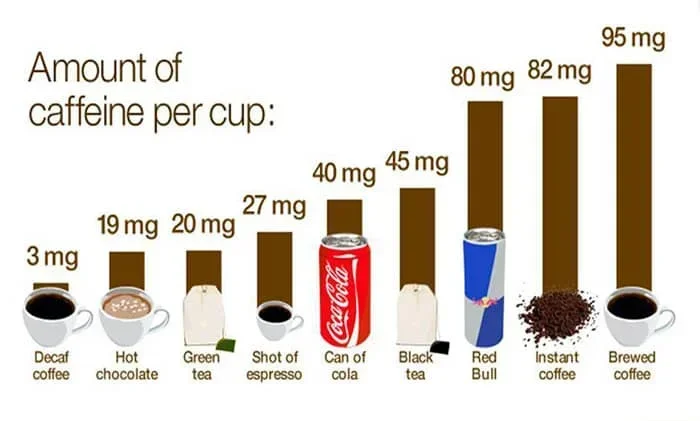
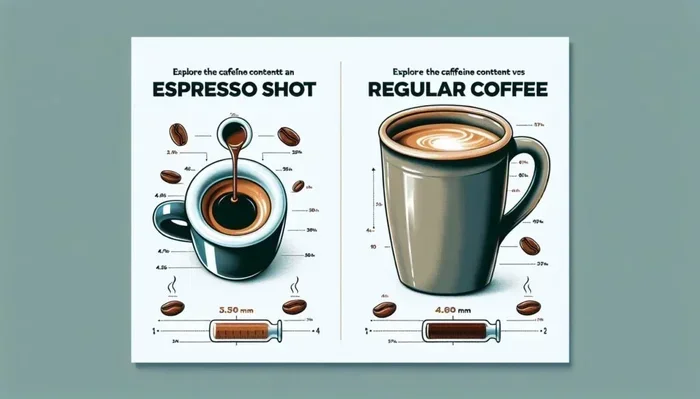
Comparing espresso to drip coffee is interesting. Espresso has more caffeine per ounce. Drip coffee has more caffeine per cup. A standard eight-ounce cup of drip coffee contains about 95 milligrams. This is higher than a single espresso shot.
The extraction method changes the result. Espresso uses high pressure and hot water. Drip coffee uses gravity and longer contact time. Both methods extract different compounds from the beans.
Factors That Influence Caffeine Content
Many variables change the final number in your cup. You cannot rely on a single fixed number. The type of bean is the biggest factor. The roast level changes things slightly. The brewing technique plays a huge role too.
Visual guide about coffee shot caffeine content
Image source: static.wixstatic.com
Understanding these variables helps you predict your intake. You can adjust your order based on your needs. Maybe you need a strong kick in the morning. Or perhaps you want a mild drink in the evening.
Arabica Versus Robusta Beans
There are two main species of coffee beans. Arabica is the most common in specialty shops. It tastes smoother and has less caffeine. Robusta beans are harder and more bitter. They contain nearly twice the caffeine of Arabica.
Many espresso blends mix both types. Robusta adds crema and body to the shot. It also boosts the stimulant content. If you want less caffeine, look for 100 percent Arabica. If you want more, seek out Robusta blends.
Roast Level Impact
Light roasts spend less time in the oven. They keep more of their original density. Some studies show light roasts have slightly more caffeine. Dark roasts lose a bit of mass during roasting. This can reduce the caffeine concentration slightly.
However, the difference is often negligible. You would need to weigh your beans to see it. For most drinkers, the taste profile matters more. Light roasts taste fruity and acidic. Dark roasts taste smoky and bold.
Safe Daily Caffeine Limits
Knowing how much caffeine in a shot of coffee is only half the battle. You also need to know how much is safe. Health organizations provide clear guidelines for adults. Exceeding these limits can cause unwanted side effects.
Visual guide about coffee shot caffeine content
Image source: coffeerankiq.com
The FDA suggests a limit of 400 milligrams per day. This equals about four to five espresso shots. Or it equals about four cups of drip coffee. Everyone reacts differently to stimulants though.
Signs of Too Much Caffeine
Your body will tell you when you have had enough. Jitters and shaking are common signs. Anxiety and restlessness can also occur. Some people experience a rapid heartbeat.
Sleep disruption is another major issue. Caffeine stays in your system for hours. Drinking it late in the day can ruin your rest. Try to stop drinking coffee by early afternoon.
Who Should Limit Intake
Pregnant women need to be extra careful. Doctors often recommend lower limits for them. People with heart conditions should also monitor intake. Anxiety disorders can worsen with high stimulant use.
Children and teenagers should avoid high amounts. Their smaller bodies process caffeine differently. Water or milk is a better choice for them. Always consult a doctor for personal advice.
Caffeine In Popular Coffee Drinks
Espresso is the base for many menu items. The added milk or water changes the volume. It does not change the caffeine content much. The number of shots determines the total strength.
Visual guide about coffee shot caffeine content
Image source: cdn.outrank.so
Let’s look at some common drinks. A cappuccino usually has one or two shots. A latte often has two shots in a medium size. An americano uses espresso and hot water.
Latte and Cappuccino Details
These milk-based drinks are popular worldwide. The milk adds volume and smoothness. It dilutes the strong espresso flavor. But the caffeine remains the same. A standard latte has about 125 milligrams.
A cappuccino has less milk foam. It tastes stronger than a latte. But the caffeine content is similar. Always ask for extra shots if you want more energy.
Cold Brew and Iced Coffee
Cold brew uses a different brewing method. It steeps for many hours in cold water. This often extracts more caffeine from the beans. A cold brew concentrate can be very strong.
Iced coffee is usually hot brewed coffee cooled down. It has similar caffeine to hot drip coffee. The ice melts and dilutes the drink slightly. Cold brew tends to have a higher caffeine kick.
Managing Your Caffeine Intake
You can control your intake with simple habits. Track how many shots you drink daily. Switch to decaf for your second cup. Drink water alongside your coffee to stay hydrated.
Timing matters for sleep hygiene. Avoid caffeine within six hours of bedtime. This gives your body time to process it. You will sleep better and feel more rested.
Tips for Sensitive Drinkers
Some people feel effects from small amounts. Try half-caff options instead. This mixes regular and decaf beans. You get the taste with less stimulant. Herbal tea is another great alternative.
Eat food before drinking coffee. Food slows down caffeine absorption. This prevents sudden spikes in energy. It also protects your stomach lining.
Tips for Boosting Energy Naturally
Coffee is not the only way to wake up. Sleep is the most important factor. Drink plenty of water throughout the day. Dehydration causes fatigue often.
Exercise can boost energy levels too. A short walk wakes up your body. Fresh air helps clear your mind. Save coffee for when you really need it.
Common Mistakes When Counting Caffeine
People often guess their intake incorrectly. They assume all coffee is the same. Chain shops often use more beans per shot. Independent shops might use different ratios.
Home brewing also varies widely. Your grinder setting changes extraction. Your water temperature matters too. Consistency is hard to achieve at home.
Ignoring Bean Blends
Many bags do not list the bean species. You might buy a blend with Robusta inside. This increases the caffeine without you knowing. Check the packaging for bean details.
Single origin Arabica is safer for low intake. It offers predictable caffeine levels. You can control your dose better this way.
Overlooking Serving Sizes
A “shot” at one shop differs from another. Some pour one ounce. Others pour two ounces for a single. Always ask about the volume. This ensures you know the true amount.
Large mugs at home can be misleading. You might pour a double shot into a big cup. Then you add milk and think it is weak. The caffeine is still there in the liquid.
Expert Insights on Coffee Consumption
Baristas see thousands of cups pass through. They know what customers prefer for energy. Many recommend doubling the shot for a boost. Others suggest slowing down the drinking pace.
Sipping slowly extends the enjoyment. It also spreads out the caffeine absorption. Gulping it down causes a quick spike. This can lead to a crash later.
Quality Over Quantity
Better beans taste better without extra volume. You might need fewer shots to feel satisfied. High quality Arabica satisfies the palate. This reduces the desire for more caffeine.
Invest in good equipment at home. A proper espresso machine extracts evenly. This ensures you get the expected caffeine content. Cheap machines might under-extract the beans.
Listening To Your Body
Your tolerance changes over time. If you drink coffee daily, you build tolerance. You might need more to feel the same effect. Take breaks to reset your sensitivity.
Try going without coffee for a week. This resets your baseline. You will feel the effects more strongly when you return. This helps you drink less overall.
Key Takeaways For Coffee Lovers
Understanding your drink empowers you to choose wisely. You know how much caffeine in a shot of coffee now. You can manage your energy and health better. Enjoy your brew responsibly and savor the flavor.
Remember that variety is fun. Try different beans and roast levels. Explore different brewing methods like the proper measurement techniques for your maker. Each cup offers a unique experience.
Stay mindful of your limits. Drink water and sleep well. Coffee is a treat, not a necessity. Use it to enhance your day, not run it.
Frequently Asked Questions
How much caffeine is in a single shot of espresso?
A single shot of espresso typically contains about 63 milligrams of caffeine. This amount can vary slightly based on the bean type and brewing method used.
Does a double shot of coffee have twice the caffeine?
Yes, a double shot generally contains around 125 milligrams of caffeine. This is roughly double the amount found in a single one-ounce shot.
Is there more caffeine in espresso or drip coffee?
Espresso has more caffeine per ounce, but drip coffee has more per serving. A standard cup of drip coffee usually contains more total caffeine than a single shot.
Do dark roast beans have more caffeine than light roast?
Light roast beans often retain slightly more caffeine than dark roasts. However, the difference is usually minimal and not noticeable in taste.
How many shots of coffee can I drink per day?
Most healthy adults can safely drink up to 400 milligrams of caffeine daily. This equals about four to five single shots of espresso.
Does milk in a latte reduce the caffeine content?
Adding milk does not reduce the caffeine content in your drink. The caffeine remains the same, but the milk adds volume and smooths the flavor.