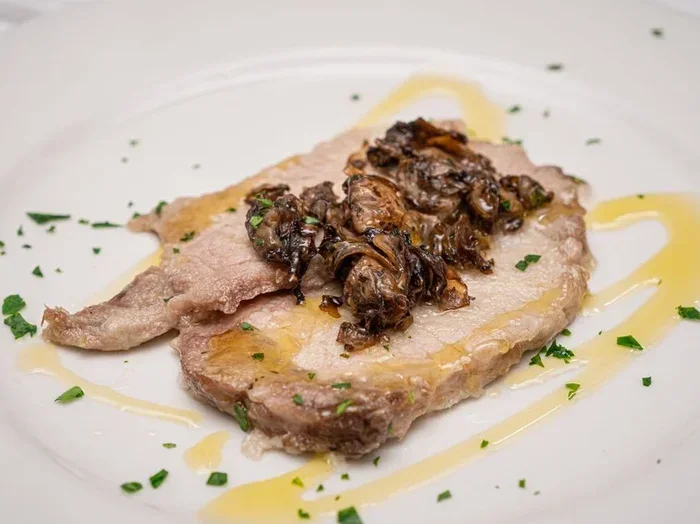
Making a juicy pork tenderloin at home is easier than you think. With the right marinade, proper cooking temperature, and a hot skillet, you can achieve restaurant-quality results in under 30 minutes. This guide covers everything from selecting the best cut to mastering the perfect sear and resting your meat for maximum juiciness.
Key Takeaways
- Choose the right cut: Look for pork tenderloin that is pinkish-red with fine marbling for the best flavor and texture.
- Marinate for flavor: A simple pork marinade with olive oil, garlic, and herbs transforms a plain tenderloin into something extraordinary.
- Sear before roasting: Pan-searing creates a flavorful crust that locks in juices during oven cooking.
- Use a meat thermometer: Pulling the pork at 145°F ensures it stays juicy and safe to eat every time.
- Rest before slicing: Letting the tenderloin rest for 5-10 minutes redistributes the juices for a more succulent result.
- Avoid overcooking: This is the single biggest mistake that turns tenderloin dry and tough.
- Try multiple methods: Oven-baked, pan-seared, and grilled approaches all work beautifully for pork tenderloin.
📑 Table of Contents
- Why Pork Tenderloin Is the Ultimate Weeknight Hero
- How to Choose the Best Pork Tenderloin at the Store
- Essential Marinades and Seasonings for Pork Tenderloin
- The Best Cooking Methods for Juicy Pork Tenderloin
- Common Mistakes That Ruin Pork Tenderloin
- Serving Suggestions and Flavor Pairings
- Pork Tenderloin vs. Pork Loin Roast: What Is the Difference?
- Final Thoughts on Making the Perfect Juicy Pork Tenderloin
Why Pork Tenderloin Is the Ultimate Weeknight Hero
Pork tenderloin is one of the most underrated cuts in the kitchen. It is lean, tender, and cooks in a fraction of the time compared to other pork cuts. If you are looking for a pork tenderloin recipe that is both simple and impressive, this cut should be your go-to choice.
Unlike tougher cuts that require hours of slow cooking, juicy pork tenderloin comes together in about 25 to 30 minutes from start to finish. That makes it perfect for busy weeknights when you still want a delicious homemade meal. The best part? It pairs well with almost any side dish, from roasted vegetables to mashed potatoes and fresh salads.
Many people shy away from cooking pork tenderloin because they have had dry, overcooked experiences in the past. But here is the truth: when you follow a few simple techniques, pork tenderloin turns out incredibly moist and flavorful. In this guide, we will walk you through every step so you can make the best juicy pork tenderloin right in your own kitchen.
How to Choose the Best Pork Tenderloin at the Store
Look for the Right Color and Texture
When you are shopping for pork tenderloin, pick a cut that is pinkish-red with small streaks of white fat throughout. Avoid tenderloins that look gray or dull. The fat should look creamy white, not yellow. A good juicy pork tenderloin starts with smart shopping.
Feel the meat with your finger. It should be firm but slightly springy. If it feels mushy or sticky, put it back. The size matters too. A tenderloin that is about 1 to 1.5 pounds works best for most recipes. Very large tenderloins can cook unevenly, while very small ones dry out fast.
Boneless vs. Bone-In
Almost all pork tenderloins sold in grocery stores are boneless, and that is exactly what you want. Bone-in tenderloins are harder to tie evenly and can cook unevenly. For the best results, stick with boneless cuts. If you want more recipe ideas for pork, check out our 13 boneless pork chop recipes for inspiration on how to prepare pork in different ways.
Also, look for tenderloins that are uniform in thickness. This makes it much easier to cook them evenly. If the tenderloin has a thick end and a thin end, you can pound it gently with a meat mallet to even things out.
Essential Marinades and Seasonings for Pork Tenderloin
Simple Marinade for Maximum Flavor
A great pork marinade does not need to be complicated. Olive oil, minced garlic, fresh rosemary, salt, and black pepper form a perfect base. Add a squeeze of lemon juice or a splash of apple cider vinegar to help tenderize the meat. Let the tenderloin marinate for at least 30 minutes, or up to overnight in the refrigerator for deeper flavor.
Here are a few quick marinade ideas to try:
- Mediterranean: Olive oil, lemon zest, oregano, garlic, and a pinch of red pepper flakes.
- Asian-inspired: Soy sauce, sesame oil, ginger, honey, and a splash of rice vinegar.
- Smoky and savory: Smoked paprika, cumin, brown sugar, garlic powder, and olive oil.
- Herb garden fresh: Chopped thyme, sage, Dijon mustard, honey, and black pepper.
Dry Rubs Are Your Best Friend
If you do not have time to marinate, a dry rub works beautifully. Mix together smoked paprika, garlic powder, onion powder, brown sugar, salt, and cumin. Rub it all over the tenderloin and let it sit at room temperature for 20 minutes before cooking. A good dry rub creates a gorgeous crust when you sear pork tenderloin in a hot pan.
For even more pork seasoning ideas, think about what flavors you already love. If you enjoy spicy food, add a bit of cayenne pepper. If you prefer something milder, stick with garlic powder and herbs. The beauty of pork tenderloin is that it takes on almost any flavor profile you throw at it.
One pro tip from our team: always season your tenderloin generously. Under-seasoned pork can taste bland even when cooked perfectly. Do not be shy with the salt, especially if you plan to let the meat rest before cooking.
The Best Cooking Methods for Juicy Pork Tenderloin
Pan-Seared and Oven-Roasted (The Gold Standard)
The best way to cook pork tenderloin is a two-step process: sear it on the stovetop, then finish it in the oven. This method gives you a beautifully caramelized crust on the outside while keeping the inside moist and juicy.
Here is how to do it:
- Preheat your oven to 400°F.
- Heat a best carbon steel skillet over medium-high heat and add a thin layer of olive oil.
- Sear the tenderloin on all sides until you get a golden-brown crust, about 2 minutes per side.
- Transfer the skillet to the oven and roast for 15 to 20 minutes, or until the internal temperature reaches 145°F.
- Remove from the oven and let the meat rest for at least 5 minutes before slicing.
This method works so well because the sear locks in the juices while the oven gently cooks the center to the perfect temperature. Using a pan-seared pork tenderloin approach means you get maximum flavor with minimal effort.
Oven-Baked Only (The Easiest Method)
If you prefer a one-step approach, you can skip the stovetop sear and go straight to the oven. Rub your tenderloin with olive oil and seasonings, then place it in a baking dish or on a sheet pan. Roast at 400°F for about 25 minutes, checking the internal temperature frequently.
The downside to this method is that you will not get the same deep, caramelized crust. But the upside is convenience. If you are short on time or cooking for a large group, oven-baked oven-baked pork tenderloin is a reliable and easy option.
Grilled Pork Tenderloin (For Summer Cooking)
Grilling adds a wonderful smoky flavor to pork tenderloin. Preheat your grill to medium-high heat and oil the grates well so the meat does not stick. Grill the tenderloin for about 12 to 15 minutes, turning every 3 to 4 minutes, until the internal temperature hits 145°F.
Grilling works especially well if you have already marinated the tenderloin. The high heat caramelizes the sugars in the marinade and creates beautiful grill marks. Just be careful not to flare up the flames, as this can char the outside before the inside is fully cooked.
Common Mistakes That Ruin Pork Tenderloin
Overcooking Is the Number One Enemy
The single biggest mistake people make with juicy pork tenderloin is cooking it too long. Pork tenderloin is a very lean cut, which means it has very little fat to keep it moist. Once you push the internal temperature past 150°F, the meat starts to dry out quickly. Always use a digital meat thermometer and pull the pork at 145°F.
Here is a quick reference for cooking times based on weight:
- 1 pound tenderloin: about 18 to 22 minutes at 400°F
- 1.5 pound tenderloin: about 22 to 28 minutes at 400°F
- 2 pound tenderloin: about 28 to 35 minutes at 400°F
These times are approximate. Always rely on your thermometer rather than the clock. Every oven is different, and thickness varies from cut to cut.
Skipping the Rest Period
Another common mistake is cutting into the tenderloin the moment it comes out of the oven. When you slice into hot meat right away, all those delicious juices run out onto the cutting board instead of staying in the meat. Let your pork tenderloin tips include a proper rest of at least 5 minutes, ideally 10, before slicing.
During the rest, the internal temperature will continue to rise by about 5 degrees. This carryover cooking is important because it brings the pork up to the safe serving temperature of 145°F while keeping it juicy.
Not Bringing the Meat to Room Temperature First
Take your tenderloin out of the refrigerator about 20 to 30 minutes before cooking. When cold meat hits a hot pan or oven, it cooks unevenly. The outside can overcook while the center is still too cold. Bringing the meat closer to room temperature ensures more even cooking throughout.
Using Too Much Oil or Heat
When searing, you only need a thin layer of oil. Too much oil can cause splattering and uneven browning. Similarly, if your pan is not hot enough, the meat will steam instead of sear, and you will miss out on that beautiful crust. Make sure your skillet is properly heated before adding the tenderloin.
Serving Suggestions and Flavor Pairings
Best Side Dishes for Pork Tenderloin
The right side dish can turn a simple tender pork recipes into a memorable meal. Here are some of our favorite pairings:
- Roasted root vegetables: Carrots, parsnips, and sweet potatoes roasted with olive oil and rosemary complement pork perfectly.
- Creamy mashed potatoes: A classic pairing that soaks up any pan juices beautifully.
- Garlic green beans: Light and fresh, they balance the richness of the pork.
- Apple cider slaw: The slight sweetness of apple pairs wonderfully with savory pork.
- Wild rice pilaf: Nutty and hearty, this makes for a satisfying and complete meal.
Sauces That Elevate Pork Tenderloin
While a well-cooked tenderloin needs little more than salt and pepper, a simple sauce can take it to the next level. A pan sauce made from the drippings in your skillet is the easiest and most flavorful option. Just add a splash of chicken broth, a knob of butter, and a squeeze of lemon juice. Stir it together and pour it over your sliced pork.
For something richer, try a creamy mushroom sauce or a tangy apple compote. If you are in a hurry, a drizzle of good-quality balsamic glaze adds elegance with zero effort. The key is to let the pork shine while the sauce adds a complementary layer of flavor.
Pork Tenderloin vs. Pork Loin Roast: What Is the Difference?
Many people confuse pork tenderloin with pork loin roast, but they are two very different cuts. Pork tenderloin is a small, narrow muscle that runs along the backbone. It is very lean and tender, which is why it cooks so quickly. Pork loin roast, on the other hand, is a larger, wider cut that can be bone-in or boneless. Pork loin roast takes longer to cook and has a different texture.
When people ask about juicy pork tenderloin, they are usually referring to this specific narrow cut, not a loin roast. Both cuts are delicious, but they require different cooking approaches. For quick weeknight meals, tenderloin is the clear winner. For family-style Sunday dinners, a pork loin roast might be a better fit.
If you are interested in exploring more pork recipes beyond tenderloin, we also have a collection of best sausage stuffers that can help you get creative with ground pork and sausage-based dishes for your next meal.
Final Thoughts on Making the Perfect Juicy Pork Tenderloin
Cooking a juicy pork tenderloin at home does not require advanced culinary skills or expensive equipment. All you need is a good cut of meat, a simple seasoning or marinade, a hot skillet, and a reliable meat thermometer. Follow the techniques in this guide, and you will be amazed at how restaurant-quality your pork tenderloin turns out.
The key takeaways are simple. Do not overcook it. Let it rest before slicing. Season it well. And most importantly, enjoy the process. Once you master the basic method, you can experiment with different marinades, spice blends, and cooking techniques to make every meal feel fresh and exciting.
Pork tenderloin is one of those cuts that never gets old. It is versatile, forgiving, and consistently delivers delicious results. Whether you are cooking for one or feeding a crowd, a perfectly cooked juicy pork tenderloin will always impress. So grab your apron, preheat that skillet, and get ready to make the best pork tenderloin you have ever tasted at home.
Frequently Asked Questions
What is the best internal temperature for pork tenderloin?
The USDA recommends cooking pork tenderloin to an internal temperature of 145°F, followed by a three-minute rest. This temperature ensures the meat is safe to eat while staying juicy and tender. Using a digital meat thermometer is the most reliable way to hit this target every time.
How long should I marinate pork tenderloin before cooking?
At least 30 minutes is ideal for a basic marinade, but overnight marinating in the refrigerator produces the deepest flavor. If you are using a citrus-based marinade, do not exceed 2 hours, as the acid can start to break down the meat fibers and change the texture.
Can I cook pork tenderloin in a slow cooker?
While you can cook pork tenderloin in a slow cooker, it is not the best method. Slow cookers are designed for tougher cuts that need long, low cooking times. Pork tenderloin is already tender and cooks quickly, so it can become mushy or overcooked in a slow cooker. Stovetop-to-oven or grilling methods work much better.
How do I know if my pork tenderloin is done without a thermometer?
The most reliable way is to use a meat thermometer, but if you do not have one, pierce the thickest part of the tenderloin with a knife. The juices should run clear, not pink. The meat should also feel firm but still slightly springy when you press it. However, a thermometer removes all guesswork and is well worth the small investment.
What is the difference between pork tenderloin and pork loin?
Pork tenderloin is a small, narrow, very lean muscle that runs along the backbone. It cooks quickly and is extremely tender. Pork loin is a larger, wider cut that can be roasted whole and takes longer to cook. They are different muscles with different textures and cooking requirements, even though both come from the pig.
Can I freeze cooked pork tenderloin?
Yes, you can freeze cooked pork tenderloin for up to 3 months. Let the meat cool completely, wrap it tightly in plastic wrap or aluminum foil, and place it in a freezer-safe bag. When you are ready to eat it, thaw it in the refrigerator overnight and reheat gently in the oven or on the stovetop to keep it from drying out.
=== CONCLUSION ===
Making a juicy pork tenderloin at home is one of the most rewarding things you can do in the kitchen. With the right cut, a simple marinade, proper searing, and careful attention to temperature, you will achieve results that rival any restaurant. Remember to let the meat rest, use your thermometer, and keep your seasoning generous.
Now that you have all the tools and techniques, it is time to put them into practice. Pick up a pork tenderloin on your next grocery run, try one of the marinades or dry rubs from this guide, and experience the difference that proper technique makes. Once you taste how incredible homemade pork tenderloin can be, you will never go back to takeout again.