
Many people wonder does coffee or tea stain your teeth more because both drinks look similar and taste great. The truth is that both drinks can darken your smile, but they do it in slightly different ways. Tea often leaves deeper yellow or brown marks because it has high tannin levels. Coffee tends to cause surface stains that build up over time. You can still enjoy your favorite cup by making small changes to your daily routine.
If you start your morning with a warm mug, you are not alone. Many people reach for coffee or tea before they do almost anything else. These drinks feel comforting, familiar, and easy to enjoy. But if you have ever noticed a yellow tint on your teeth, you may have asked yourself a common question: does coffee or tea stain your teeth more?
It is a smart question to ask. Both drinks are deeply colored, and both can leave a mark if you drink them often. The good news is that neither drink is automatically bad for your smile. The real issue comes down to how they interact with your tooth enamel, how often you sip them, and what you do after you finish your cup.
In this guide, we will break down the stain factor in simple terms. You will learn why discoloration happens, which drink tends to stain more, and what practical steps can help protect your teeth. You do not need to give up your favorite drink to keep your smile looking fresh. You just need a better understanding of what is happening inside your mouth.
Key Takeaways
- Tea often stains deeper: High tannin levels in tea can bind to enamel and cause darker discoloration over time.
- Coffee causes surface stains: Coffee leaves noticeable dark marks, but they often sit on the outer layer of the tooth.
- Tannins matter most: Tannins are natural plant compounds that make stains stick to teeth more easily.
- Brewing style changes results: Stronger brews, longer steep times, and hotter water usually create more staining potential.
- Good habits help a lot: Rinsing with water, using a straw, and brushing at the right time can reduce staining.
- Professional cleaning works: Regular dental cleanings can remove buildup that daily brushing may miss.
- Your smile can stay bright: You do not need to quit coffee or tea completely to protect your teeth.
📑 Table of Contents
Why Coffee and Tea Can Discolor Teeth
To understand the answer to does coffee or tea stain your teeth more, it helps to know how tooth staining works. Teeth are not perfectly smooth. Their outer surface can pick up color from foods and drinks over time. The enamel may look solid, but it has tiny pits and rough spots where pigments can settle.
Both coffee and tea contain strong natural pigments. These pigments can attach to the tooth surface and create yellow, brown, or dull tones. The longer a drink stays in your mouth, the more time those pigments have to cling to your teeth. That is why slow sipping can matter more than you might think.
Another big factor is tannins. Tannins are natural compounds found in many plant-based drinks. They can make color stick more easily to enamel. If a drink has more tannins, it may leave a stronger stain over time. This is one reason tea is often discussed so much in conversations about tooth discoloration.
Acidity also plays a role. Acidic drinks can soften enamel slightly, which may make it easier for stains to settle. Coffee and tea are not extremely harsh, but they can still affect the tooth surface if you drink them often throughout the day. This does not mean your teeth are damaged right away. It just means the surface can become more stain-friendly with repeated exposure.
The Role of Tannins in Tooth Stains
Tannins deserve special attention because they are a major reason people ask does coffee or tea stain your teeth more. These compounds are naturally present in tea leaves and coffee beans. They help create the rich flavor and darker color we enjoy in both drinks. At the same time, they can also help pigments adhere to teeth.
Tea is often known for having a high tannin content. That is part of why it can taste bold and slightly dry. When tannins meet tooth enamel, they can create a stronger bond with color particles. Over time, this may lead to a more noticeable yellow or brown tint.
Coffee also contains compounds that contribute to staining, but the pattern can be different. Coffee stains are often linked to dark pigments that land on the tooth surface. If you drink coffee every day, those pigments can build up gradually. The result may be a dull or darker appearance rather than a sudden color change.
How Brewing Strength Affects Staining
Not all coffee and tea are the same. A weak cup of tea may not stain as much as a strong, long-steeped cup. The same goes for coffee. A light brew may cause less discoloration than a concentrated one. The color of the drink is often a clue to its staining potential.
Several brewing factors can change how much stain a drink leaves behind:
- Steeping time: Longer steeping usually creates a darker, stronger drink.
- Water temperature: Hotter water can pull out more color and plant compounds.
- Bean or leaf type: Some varieties naturally create a richer, darker brew.
- Brew method: Methods that produce a more concentrated drink may increase staining risk.
This means your personal habit matters a lot. If you drink a pale morning tea, your teeth may face less staining than if you drink a very strong cup every few hours. The same idea applies to coffee. A small, mild cup is not the same as a large, bold espresso drink.
Does Coffee or Tea Stain Your Teeth More: The Short Answer
So, which one wins in the staining contest? The honest answer is that both can stain teeth, but tea often has a stronger reputation for deeper discoloration. That is because tea usually contains more tannins, and tannins can help color stick to enamel more effectively. If you drink tea often, you may notice a more persistent yellow or brown tone over time.
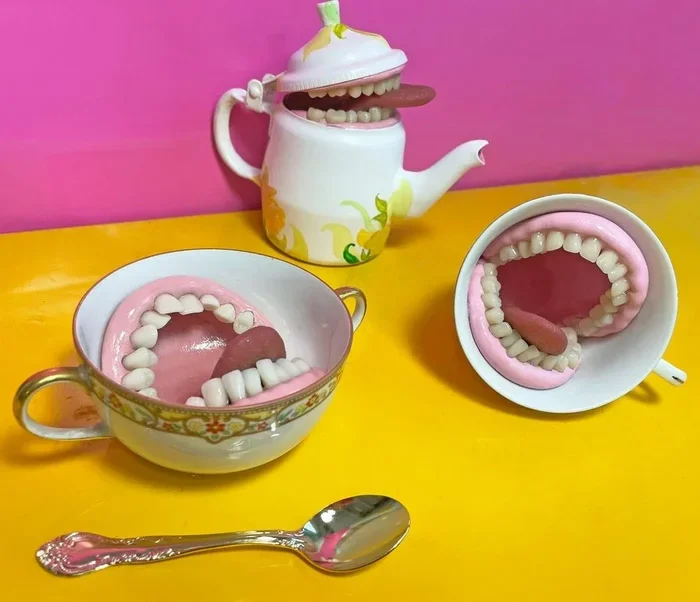
Visual guide about Coffee and tea cups teeth
Image source: thingsidesire.com
Coffee is still a major cause of tooth stains. It has dark pigments that can build up on the surface of the teeth. Many people who drink coffee daily see gradual dulling or darkening. The stains may not always go as deep as tea stains, but they can still be easy to notice, especially on front teeth.
In practice, the difference is not always huge. Your personal result depends on many things, including how strong your drink is, how often you sip it, and how well you care for your teeth. Someone who drinks weak tea once a day may have less staining than someone who drinks strong coffee throughout the day. So, does coffee or tea stain your teeth more? Tea often has the edge, but your habits matter just as much.
Coffee Stains vs. Tea Stains: What to Expect
It can help to compare the two drinks side by side. This makes the difference easier to understand. Coffee and tea both leave color behind, but they do it in slightly different ways.
Coffee tends to create surface-level staining. The dark color can coat the teeth and build up with repeated use. These stains may look brownish or yellowish, especially if plaque or tartar is also present. Coffee stains are often noticeable after a long period of daily drinking.
Tea often creates a more stubborn type of stain. Because of its tannin content, tea color may bond more strongly with enamel. This can lead to a more even discoloration across several teeth. In some cases, tea stains may feel harder to remove with brushing alone.
Here is a simple comparison of what many people notice:
- Coffee: Dark surface stains, gradual buildup, brownish tone.
- Tea: Deeper bonding potential, more even yellow or brown discoloration, often linked to tannins.
- Both: More staining with frequent sipping, strong brews, and poor oral hygiene.
What About Additives Like Milk or Sugar
Many people do not drink plain coffee or plain tea. They add milk, cream, sweeteners, or flavored syrups. These extras can change the taste, but they do not magically stop staining. In some cases, they can even make the drink stickier or more likely to cling to teeth.
Milk and cream can lighten the color of coffee or tea, which may slightly reduce the visible pigment. That sounds helpful, and it can be. But the drink still contains tannins and color compounds. So even a lighter-looking cup can still contribute to staining if you drink it often.
Sugar does not directly cause the stain color, but it can encourage plaque buildup. Plaque can make stains more visible because it creates a rough layer on the teeth. That means a sugary drink may indirectly make discoloration look worse over time. If you want to reduce staining, it helps to think about the whole drink, not just the base liquid.
Everyday Habits That Make Stains Worse
If you are trying to figure out does coffee or tea stain your teeth more, it is also useful to look at your routine. A drink does not stain teeth all by itself. Your habits decide how much color stays behind. Some common habits can make staining more likely without you noticing.
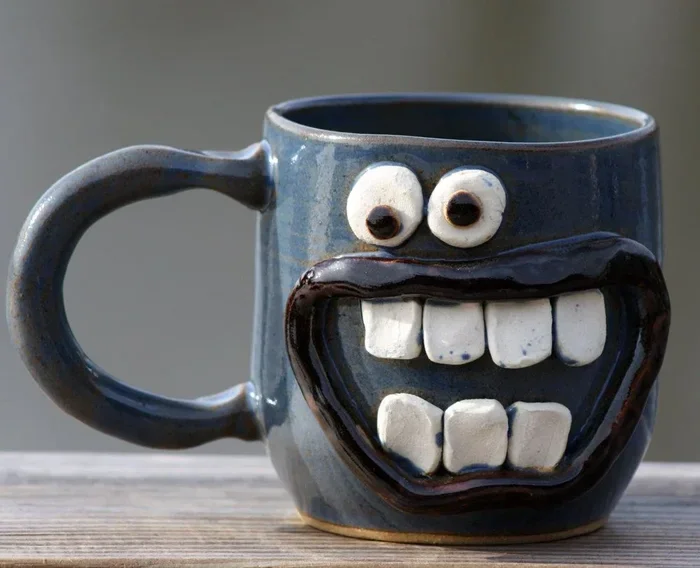
Visual guide about Coffee and tea cups teeth
Image source: i.pinimg.com
One big habit is sipping slowly over a long period. If your mug sits on your desk and you take small drinks for hours, your teeth stay exposed to pigments for a long time. That repeated exposure gives stains more chances to settle. A quicker drink usually means less contact time.
Another habit is skipping water after a drink. If coffee or tea is the last thing touching your teeth before you move on with your day, the pigments may remain on the surface longer. A simple water rinse can help wash away some of the leftover color.
Poor brushing habits can also make staining more noticeable. Plaque buildup makes teeth rougher and less smooth, so pigments can attach more easily. If you brush inconsistently or rush through cleaning, stains may build up faster. The goal is not to scrub hard. The goal is to keep the tooth surface as clean and smooth as possible.
Frequency, Timing, and Sipping Style
How often you drink coffee or tea matters a lot. One cup a day is different from six cups spread across the morning and afternoon. Frequent drinking means repeated staining exposure. Even if each cup is not very strong, the total effect can add up.
Timing also matters. If you drink coffee or tea right before bed and then go to sleep without rinsing or brushing, the drink stays on your teeth for a long time. That gives pigments more opportunity to cling to the enamel. Morning drinks can be easier to manage if you rinse or brush afterward.
Sipping style matters too. People who hold drinks in their mouth or swish them around may expose more tooth surface to the pigments. A calm, normal sip is better than a habit that spreads the drink across the teeth again and again. Small changes in how you drink can make a real difference.
Simple Ways to Reduce Tooth Staining
You do not have to choose between a bright smile and your favorite drink. There are easy ways to lower the staining effect of coffee and tea. The best part is that many of them are simple enough to fit into a normal routine.
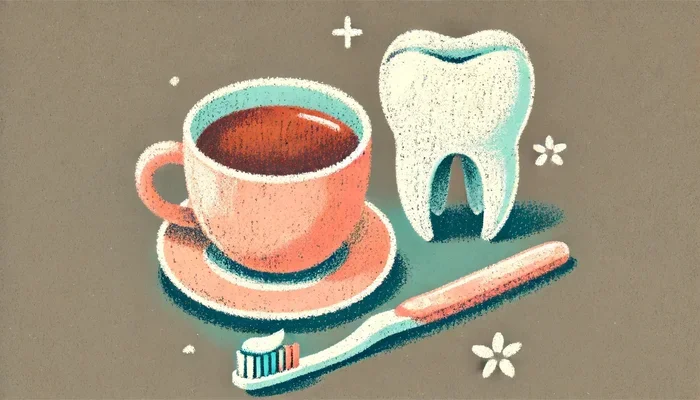
Visual guide about Coffee and tea cups teeth
Image source: littleprayertea.com
Start with water. Taking a sip of water after your coffee or tea can help rinse away some of the pigments. You can also drink water between cups. This keeps your mouth cleaner and reduces the amount of time color stays on your teeth.
Consider using a straw for cold coffee or iced tea. A straw can reduce direct contact with the front teeth. It is not perfect, but it can help limit how much stain reaches the visible part of your smile. This is especially useful if you drink iced coffee or chilled tea often.
Try to avoid brushing immediately after an acidic drink. Your enamel may be a little softer right after coffee or tea. Waiting a short time before brushing can be gentler on your teeth. In the meantime, rinsing with water is a good first step.
Smart Drinking and Cleaning Habits
Good stain control is usually about consistency. A few small habits done regularly work better than one big change done once. Here are practical habits that many people find helpful:
- Rinse after drinking: Swish water around your mouth to loosen pigments.
- Drink faster when possible: Shorter exposure time can reduce staining.
- Keep drinks less concentrated: A milder brew may stain less than a very strong one.
- Wipe the front teeth mindset: Be aware that the front teeth often show stains first.
- Brush and floss regularly: Clean teeth are smoother and less likely to hold color.
- Visit the dentist for cleanings: Professional cleaning can remove buildup that home care misses.
If you are curious about other ways to support a brighter smile, you may also find it helpful to read about how coffee affects skin hydration in our article on does coffee dehydrate your skin. It is a good reminder that coffee can affect more than just your teeth, so looking at your whole routine can be useful.
Some people also enjoy coffee in different forms, such as blended drinks or richer recipes. If you ever make thicker coffee drinks at home, the right tool can matter. You can learn more in our guide to the best blender for bulletproof coffee. That can be useful if you like creamy, dense coffee drinks and want to prepare them smoothly at home.
When to Consider Professional Dental Help
Home care goes a long way, but sometimes stains build up anyway. If your teeth look dull or yellow even though you brush regularly, a dental cleaning may help. Dentists and hygienists can remove surface buildup that is hard to deal with at home.
Professional cleanings are especially helpful when plaque or tartar is involved. These deposits can trap stain and make teeth look darker. Once they are removed, your teeth may look cleaner and brighter right away. That does not mean the stains are gone forever, but it can give your smile a fresh start.
If staining is bothering you a lot, talk to a dental professional. They can tell you whether the discoloration is surface-level or deeper. They can also suggest safe options for improving the look of your teeth without damaging enamel. The best approach is always the one that fits your oral health, not just the look of your smile.
Common Myths About Coffee, Tea, and Tooth Color
There are a lot of half-truths about staining. One common myth is that only dark drinks cause problems. In reality, the stain risk depends on tannins, pigments, acidity, and how often you drink the beverage. A lighter-looking drink can still stain if it has the right compounds and you sip it often.
Another myth is that brushing harder will remove stains faster. That is not a good idea. Brushing too hard can irritate gums and wear down enamel over time. Gentle, consistent cleaning is usually safer and more effective than aggressive scrubbing.
Some people also believe that one cup will ruin their teeth. That is not true either. Staining usually builds up over time. A single drink is unlikely to cause a dramatic change. The bigger concern is repeated exposure without any rinsing, cleaning, or breaks between drinks.
Key Takeaways for a Brighter Smile
When it comes to the question does coffee or tea stain your teeth more, tea often has a stronger staining reputation because of tannins. Coffee can still leave noticeable dark stains, especially with frequent use. The real answer depends on your drink strength, your sipping habits, and how well you care for your teeth.
The good news is that you can enjoy both drinks and still protect your smile. Rinse with water, keep your drinks from sitting on your teeth all day, and keep up with regular brushing and dental cleanings. Small changes can make a big difference over time.
Your teeth do not have to stay stained just because you love coffee or tea. With a few smart habits, you can keep your routine enjoyable and your smile looking much brighter.
Frequently Asked Questions
Does tea stain teeth more than coffee?
Tea often has a stronger staining reputation because it usually contains more tannins, which can help color stick to enamel. Coffee can still cause visible stains, but they are often more surface-level and build up gradually. Your personal result depends on drink strength, frequency, and oral care.
How can I drink coffee without staining my teeth?
You can rinse your mouth with water after drinking coffee and try to avoid sipping it slowly for hours. Using a straw for iced coffee may also reduce contact with the front teeth. Regular brushing, flossing, and dental cleanings can help keep stains from building up.
Does adding milk to coffee or tea stop stains?
Adding milk may lighten the drink’s color, but it does not fully prevent staining. The drink still contains pigments and plant compounds that can affect enamel over time. Milk can help a little, but it is not a complete solution on its own.
Should I brush my teeth right after coffee or tea?
It is usually better to wait a short time before brushing, especially if the drink was acidic. Rinsing with water first can help remove some pigment without being too harsh on enamel. Gentle brushing later in your routine is often a safer choice.
Why do my teeth look yellow even if I brush daily?
Daily brushing helps, but stains can still build up from frequent coffee or tea consumption, plaque, or tartar. Some discoloration can also come from the natural texture of enamel or from long-term exposure to dark drinks. A dental cleaning can often remove buildup that brushing misses.
Can professional cleaning remove coffee and tea stains?
Yes, professional cleanings can remove many surface stains and buildup that are hard to clear at home. They are especially helpful when plaque or tartar is trapping discoloration. For deeper or more stubborn stains, a dental professional can suggest other safe options.