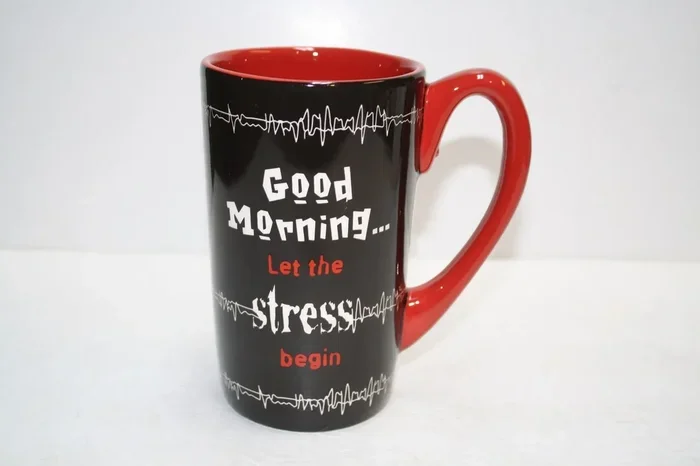
Does coffee increase cortisol? The short answer is yes, but the effect depends on timing, dose, and your personal sensitivity. Caffeine can briefly raise stress hormones, which may boost alertness but also affect sleep and anxiety if you overdo it. This guide explains how coffee interacts with cortisol, what the science says, and simple ways to enjoy your cup without stressing your body.
Many people reach for coffee the moment they open their eyes. The warm smell feels comforting. The first sip seems to wake up the brain. But you may have wondered whether that daily habit affects your stress hormones. This is where the question does coffee increase cortisol comes in. The answer is not a simple yes or no. It depends on how much you drink, when you drink it, and how your body handles caffeine.
Cortisol is a hormone your body releases during stress. It helps you stay alert, manage energy, and respond to challenges. A small rise in cortisol is normal. In fact, cortisol naturally peaks in the early morning for many people. Coffee can add a temporary bump on top of that natural rhythm. For some people, that is helpful. For others, it may feel like jitters, nervous energy, or a crash later in the day. If you want to enjoy coffee without feeling wired, it helps to understand what is happening inside your body.
In this guide, we will break down the connection between coffee and cortisol in plain language. You will learn how caffeine works, why timing matters, and what habits can make coffee feel gentler. We will also look at common mistakes, practical tips, and a few myths that often cause confusion. By the end, you should have a clearer plan for your daily cup.
Key Takeaways
- Caffeine can raise cortisol temporarily: A cup of coffee may spike stress hormones for a short time, especially in the morning or on an empty stomach.
- Tolerance matters: Regular coffee drinkers often adapt, so the cortisol response may be smaller over time.
- Timing is key: Drinking coffee late in the day can disrupt sleep, which may keep cortisol elevated longer than needed.
- Dose counts: Moderate intake is usually fine for many people, while very high amounts can increase jitters, anxiety, and hormone stress.
- Individual differences exist: Genetics, stress levels, sleep quality, and health status all affect how coffee impacts cortisol.
- Simple habits help: Pair coffee with food, stay hydrated, and watch your total caffeine from tea, soda, and energy drinks.
- Listen to your body: If coffee leaves you anxious, restless, or tired later, adjusting your routine may support better balance.
📑 Table of Contents
- Understanding Cortisol and Why It Matters
- How Caffeine Interacts With Stress Hormones
- Does Coffee Increase Cortisol in Real Life
- Timing, Dose, and Daily Habits That Matter
- Who May Be More Sensitive to Coffee and Cortisol
- Practical Ways to Enjoy Coffee Without Overstressing Your Body
- Key Takeaways
- Conclusion
Understanding Cortisol and Why It Matters
Cortisol often gets a bad reputation, but it is not a villain. Your body needs it. Cortisol helps regulate wakefulness, blood sugar, inflammation, and the sleep-wake cycle. It is part of the body’s built-in alarm system. When something feels stressful, cortisol rises so you can react quickly. Once the moment passes, cortisol should fall again.
Problems can appear when cortisol stays high for too long. Chronic stress, poor sleep, and constant overstimulation can make it harder for the body to reset. That is why people ask whether coffee increases cortisol in a harmful way. The concern is not usually one cup in the morning. The concern is repeated strain on a system that already has a lot to manage.
What Cortisol Does in the Body
Cortisol has several important jobs. It helps mobilize energy when you need it. It supports your response to physical and mental stress. It also plays a role in how your body uses carbs, fats, and protein. In healthy amounts, cortisol helps you get through the day. In excess, it may contribute to feeling tense, tired, or unable to unwind.
Normal Cortisol Patterns
Cortisol is not flat all day. It usually follows a rhythm. Many people have higher levels in the early morning and lower levels at night. This pattern supports waking up and winding down. Coffee can overlap with this rhythm, especially if you drink it right after waking. That does not automatically mean something is wrong. It just means your coffee habit and your hormone rhythm are interacting.
How Caffeine Interacts With Stress Hormones
Caffeine is the main active ingredient in coffee. It stimulates the central nervous system. It can make you feel more awake, more focused, and sometimes more irritable if you have too much. One reason for that alert feeling is that caffeine can influence the release of stress-related hormones, including cortisol.

Visual guide about coffee cup morning stress
Image source: coffeegeek.tv
When people ask does coffee increase cortisol, they are often really asking whether caffeine pushes the body into a stress response. In simple terms, caffeine can nudge the body to act a little more alert and ready. That nudge may come with a short-term rise in cortisol. For many healthy adults, this rise is temporary and manageable. For people who are already stressed, sleep-deprived, or sensitive to caffeine, the same cup may feel stronger.
Why Coffee Can Feel Energizing
Coffee does not create energy from nothing. It changes how your brain perceives fatigue. Caffeine can block certain signals that make you feel sleepy. That is why a cup can feel like a reset button. The effect is real, but it is not the same as getting more rest or better nutrition. If you rely on coffee to replace sleep, the body may eventually ask for a toll.
Short-Term Effects vs. Long-Term Patterns
A single cup of coffee may cause a brief hormone shift. That is different from a long-term problem. The body is designed to handle short bursts of stimulation. What matters more is the bigger picture: how much caffeine you consume, how often, and what else is happening in your life. If coffee is part of a balanced routine, the impact is usually easier to manage. If it stacks on top of poor sleep and high stress, the same drink may feel heavier.
Does Coffee Increase Cortisol in Real Life
This is the heart of the question. The most accurate answer is that coffee can raise cortisol in the short term, but the size of that rise varies. Some studies suggest caffeine can increase cortisol, especially in situations where the body is already reacting to stress or when caffeine is consumed in larger amounts. Other factors matter too, such as whether you are a regular coffee drinker or someone who rarely has caffeine.

Visual guide about coffee cup morning stress
Image source: embracingnutrition.co.uk
If you drink coffee every day, your body may become more used to it. That does not mean cortisol is unaffected, but the noticeable effect may be smaller. If you rarely drink coffee, the same amount may feel more intense. Your current stress level matters as well. A calm morning with a balanced meal may feel very different from a rushed morning with no breakfast and three extra cups before noon.
What Affects the Cortisol Response
Several factors can change how coffee feels and how your hormones respond:
- How much caffeine you have: A small cup is not the same as a large mug or several servings in a row.
- When you drink it: Morning coffee may line up with your natural cortisol peak, while late-day coffee may interfere with winding down.
- Whether you eat with it: Coffee on an empty stomach can feel stronger for some people.
- Your sleep quality: Poor sleep can make caffeine feel more stimulating and less predictable.
- Your personal sensitivity: Some people process caffeine slowly, while others handle it easily.
The Role of Tolerance and Habit
Tolerance is a big part of the story. If you drink coffee regularly, your body may adapt to the daily caffeine signal. That adaptation can reduce the sharpness of the effect. It may also mean you need more coffee to feel the same boost. This is one reason people sometimes slide into larger and larger servings without realizing it.
A helpful way to think about it is this: coffee is not automatically stressful, but it is a stimulant. Stimulants have effects. Those effects can be useful, neutral, or uncomfortable depending on your context. If you are curious about whether coffee increases cortisol for you, pay attention to how you feel after different amounts and at different times of day.
Timing, Dose, and Daily Habits That Matter
If you want to keep coffee enjoyable and less stressful, the details matter. You do not need to give up coffee completely in most cases. You may just need a better routine. Small changes can make a noticeable difference in how coffee affects your energy, mood, and sleep.

Visual guide about coffee cup morning stress
Image source: equipoisecoffee.com
Best Times to Drink Coffee
For many people, the morning is the most natural time for coffee. That said, the very first moments after waking may not be the best moment for everyone. Some people prefer waiting a little while before having caffeine. Others use coffee as part of a focused work block later in the morning. The key is to avoid letting caffeine push too deep into the evening. If you are sensitive, an early afternoon cutoff may help you sleep better.
How Much Is Too Much
There is no single perfect number for everyone. What feels moderate for one person may feel strong for another. A sensible approach is to notice your total caffeine load. Coffee is not the only source. Tea, soda, chocolate, and energy drinks can all add to the total. If you are asking does coffee increase cortisol, it helps to remember that the body usually responds to the full picture, not just one drink.
Here are a few practical ways to keep caffeine in a comfortable range:
- Start with a smaller serving and see how you feel.
- Notice whether a second cup still feels helpful or starts to feel edgy.
- Watch for signs like racing thoughts, restlessness, or a hard crash later.
- Consider alternating coffee with water or decaf during the day.
Food, Hydration, and Balance
Coffee can feel gentler when it is not the only thing happening in your morning. Eating something simple with your coffee may help some people feel more stable. Hydration matters too. Coffee can be part of a healthy routine, but water still matters. If you are dehydrated, you may feel more tired, which can make you reach for more caffeine and create a loop that is hard to break.
If you enjoy richer coffee drinks, the ingredients also matter. A plain cup of black coffee affects the body differently than a sugary coffee drink that tastes more like dessert. Extra sugar can add energy spikes and dips that may make caffeine feel more intense. If your goal is steadier energy, simpler coffee drinks are often easier on the system.
Who May Be More Sensitive to Coffee and Cortisol
Not everyone reacts the same way. Some people can have a latte after dinner and sleep fine. Others feel their heart race after a small morning cup. That difference is normal. Sensitivity depends on many things, including genetics, sleep, stress, medications, and overall health.
People who are already dealing with high stress may notice coffee more. People with sleep problems may also be more affected, because caffeine can make it harder to settle at night. If sleep gets worse, cortisol patterns can feel less balanced the next day too. That is one reason coffee and stress can seem connected even when coffee is not the only cause.
Signs Your Coffee Habit May Be Too Much
Your body usually gives clues. You do not need to panic over one bad cup. But if you notice a pattern, it may be worth adjusting. Common signs that coffee is pushing too hard can include:
- Feeling jittery or on edge after drinking it
- Trouble relaxing later in the day
- Sleep that feels lighter or delayed
- A strong energy crash after the initial boost
- Relying on coffee to get through normal tasks
Pregnancy, Health Conditions, and Personal Context
Some situations call for extra caution. If you are pregnant, managing a health condition, or taking medications, it is wise to follow the guidance you received from your healthcare professional. The question does coffee increase cortisol may matter even more in those cases because the body is already working harder in some way. Personal context always matters more than a general rule.
Practical Ways to Enjoy Coffee Without Overstressing Your Body
You can keep coffee in your life and still be kind to your stress system. The goal is not perfection. The goal is a routine that supports energy without creating extra strain. Here are some simple habits that many people find helpful.
Build a Calmer Coffee Routine
A good coffee routine is usually simple and repeatable. You do not need a complicated ritual. You just need a pattern that fits your life. For example, you might have one cup after breakfast, another before a focused work block, and then switch to water or decaf later. The best routine is the one you can actually keep.
Quick Tips for Smoother Energy
- Try a smaller cup first: See whether a modest serving gives you the boost you want without the edge.
- Delay your first cup slightly: A short wait after waking may feel better for some people.
- Pair coffee with food: A light breakfast or snack can make caffeine feel less sharp.
- Track your total caffeine: Remember tea, soda, and other sources.
- Set an afternoon cutoff: This can help protect sleep, which supports better hormone balance.
- Use decaf as a bridge: If you love the taste, decaf can keep the ritual without adding more stimulation.
Common Mistakes to Avoid
A few habits make coffee harder on the body than it needs to be. Avoiding these mistakes can help a lot:
- Chasing energy with more coffee: If you feel tired, more caffeine is not always the answer. Sometimes the real need is rest, food, or hydration.
- Using coffee to replace sleep: Caffeine can mask fatigue, but it does not replace recovery.
- Stacking stimulants: Combining coffee with other strong stimulants can make the stress response feel more intense.
- Ignoring your evening routine: If coffee pushes your bedtime later, your next day may start with more fatigue.
- Drinking huge amounts quickly: Spreading intake out is often easier than taking in a lot at once.
Expert Insights: A Balanced View
If you want a practical rule of thumb, think in terms of fit rather than fear. Coffee is not inherently bad for cortisol, and it is not automatically helpful either. It is a tool. Like many tools, it works best when used with intention. For some people, one or two moderate servings earlier in the day feel great. For others, less is more. The best approach is to notice your own response and adjust.
It also helps to remember that stress is not only about coffee. Sleep, movement, relationships, workload, and nutrition all shape cortisol patterns. If coffee is the only thing you change, you may see some improvement, but the biggest gains often come from a broader routine. That said, even a small adjustment can make your day feel smoother.
Key Takeaways
- Coffee can raise cortisol briefly, but the effect varies by person, dose, and timing.
- Regular use may build tolerance, which can change how noticeable the effect feels.
- Late-day caffeine can interfere with sleep, which may affect stress hormones the next day.
- Eating, hydrating, and keeping total caffeine in check can make coffee feel gentler.
- If coffee leaves you anxious, restless, or sleepless, it may be time to adjust your routine.
- The healthiest approach is personal: use coffee in a way that supports your energy without overwhelming your body.
Conclusion
So, does coffee increase cortisol? It can, at least in the short term, but that does not mean coffee is automatically a problem. For many people, moderate coffee enjoyed earlier in the day fits nicely into a healthy routine. For others, the same habit may feel too stimulating, especially if sleep is poor or stress is already high. The most useful approach is to pay attention to your own response. Notice the timing, the amount, and the way your body feels after each cup. Small changes often make a big difference.
If you want steadier energy, think beyond the cup. Better sleep, regular meals, hydration, and moments of rest all support a calmer stress response. Coffee can be part of that picture, not the whole picture. When you treat it like one piece of a larger routine, it is much easier to enjoy the taste and the boost without feeling pushed too hard.
Frequently Asked Questions
Does coffee increase cortisol levels right away?
It can cause a temporary rise in cortisol for some people, especially if you are sensitive to caffeine or drink it in a larger amount. The effect is usually short-lived, but it may feel stronger if you are already stressed or tired.
Is it better to drink coffee in the morning or later in the day?
For many people, earlier in the day works better because caffeine can interfere with sleep if it is consumed too late. A morning or early afternoon window is often easier on rest, which helps keep stress hormones more balanced.
Can coffee make anxiety feel worse?
Yes, caffeine can make some people feel more nervous, restless, or on edge, especially if they are sensitive to stimulants. If coffee seems to worsen anxiety, reducing the amount or switching to a smaller serving may help.
Does regular coffee drinking change how cortisol responds?
People who drink coffee often may become more used to caffeine, so the noticeable effect can be smaller over time. That does not mean coffee has no effect, but the response may be less dramatic than it is for someone who rarely drinks it.
Should I drink coffee on an empty stomach?
Some people are fine with it, but others find coffee feels harsher on an empty stomach. If you notice jitters, discomfort, or a stronger spike in alertness, try having coffee with a light meal or snack instead.
What are signs that I may be having too much caffeine?
Common signs can include jitters, racing thoughts, trouble relaxing, disrupted sleep, or a sharp energy crash later in the day. If these show up often, it may help to cut back and watch your total caffeine from all sources.