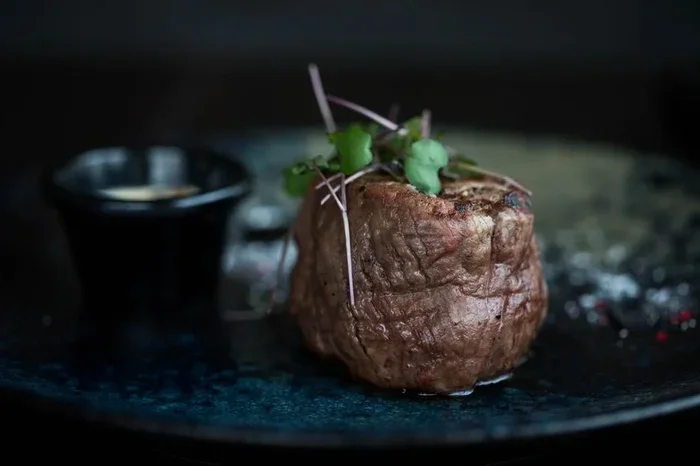
Perfect Filet Mignon Timing: A Comprehensive Guide
Information
Words: 929
Characters: 5787
Reading time: 5
Achieving the perfect filet mignon requires precise timing and attention to detail. This comprehensive guide will walk you through the process, ensuring you cook your steak to perfection every time.
Understanding Filet Mignon
Before diving into the timing, let's understand the cut. Filet mignon, also known as tenderloin, is cut from the short loin of the cow. It's prized for its tenderness and mild flavor. Due to its low fat content, it's essential to be cautious when cooking to avoid overcooking. For more on this, see our guide on perfect temperature for filet mignon.
The Importance of Resting
A common mistake is to skip or rush the resting period. Resting allows the juices to redistribute throughout the steak, ensuring a moister and more flavorful final product. After cooking, let your steak rest for half the time it took to cook. For example, if you cooked it for 6 minutes, let it rest for 3 minutes.
Perfect Filet Mignon Timing
The timing of your filet mignon depends on your desired level of doneness and the thickness of your steak. Here's a general guide using a cast-iron skillet and high heat:
| Thickness | Time (minutes) |
|---|---|
| 1-inch | 4-5 (rare), 5-6 (medium-rare) |
| 1.5-inch | 6-7 (rare), 7-8 (medium-rare) |
| 2-inch | 8-9 (rare), 9-10 (medium-rare) |
Preheat your skillet: Place your skillet over high heat and allow it to heat up for about 5 minutes. This ensures even cooking and a beautiful sear.
Season your steak: Just before cooking, season both sides of your steak with salt and freshly ground black pepper. This helps to form a flavorful crust.
Sear the steak: Add a small amount of oil with a high smoke point, like canola or grapeseed oil, to your skillet. Once the oil is shimmering, add your steak. Cook for 2-3 minutes on each side, or until a golden-brown crust forms.
Finish cooking: After searing, reduce the heat to medium and continue cooking until your desired level of doneness is reached. Use a meat thermometer for the most accurate results. Remember to rest your steak before serving.
Internal Temperature Guide
For a more precise cooking method, use a meat thermometer. Here's a guide to internal temperatures for different levels of doneness:
- Rare: 125°F (52°C)
- Medium-rare: 135°F (57°C)
- Medium: 145°F (63°C)
- Medium-well: 155°F (69°C)
- Well-done: 160°F (71°C)
Image source: Meat Temperature Chart from the USDA Food Safety and Inspection Service
Serving Your Filet Mignon
Once your steak has rested, slice it against the grain. This shortens the muscle fibers, making the steak more tender and easier to chew. Serve your filet mignon with your favorite sides and enjoy! For more on this, see our guide on filet mignon recipe perfect every time in cast.
Frequently Asked Questions
What is the best way to cook filet mignon?
The best way to cook filet mignon is to sear it over high heat, then finish cooking at a lower temperature until it reaches your desired level of doneness. This method ensures a flavorful crust and a moist interior.
How long should I cook filet mignon for medium-rare?
For a 1.5-inch thick filet mignon, cook it for 7-8 minutes for medium-rare, turning it once halfway through. However, using a meat thermometer for the most accurate results is recommended. For more on this, see our guide on perfect filet mignon in oven.
Why is my filet mignon tough?
Filet mignon can become tough if it's overcooked or not rested properly. To avoid this, use a meat thermometer to ensure you don't overcook it, and let it rest for half the time it took to cook.
 A perfectly cooked filet mignon, sliced against the grain.
Image source: How To Cook Filet Mignon from Food Network Kitchen
Next Steps
Now that you've mastered the perfect filet mignon timing, why not try your hand at cooking the perfect steakhouse-style steak at home? Learn more about cooking the perfect ribeye with our comprehensive guide.
Or, if you're looking to upgrade your cooking equipment, consider investing in a high-quality gas cooktop. They provide even heat distribution and are perfect for searing steaks.
Happy cooking!