
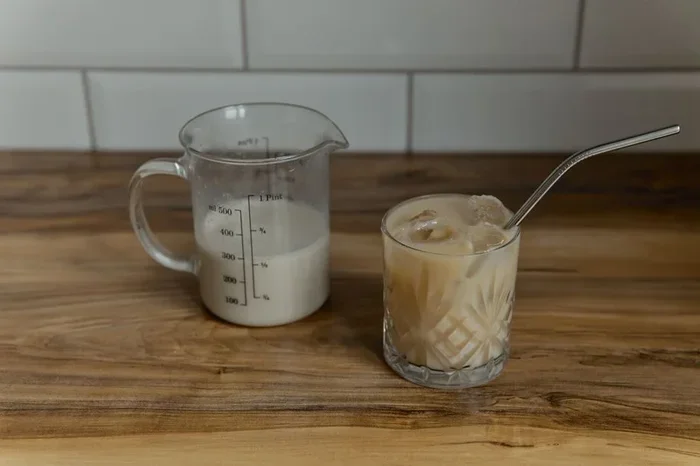
A gallon of milk contains 16 cups. This simple conversion is essential for cooking, baking, and meal planning. Whether you are scaling a recipe up or down, knowing your milk measurements saves time and prevents kitchen mistakes. This guide breaks down the math, offers practical tips, and covers common conversions you will use every day.
Have you ever stared at a carton of milk and wondered how much it actually holds? Maybe a recipe called for a gallon, but all you have are measuring cups. Or perhaps you are meal prepping and need to know exactly how much milk to buy. Whatever the reason, understanding how many cups are in a gallon of milk is one of those kitchen basics that makes life so much easier.
The answer is simple: there are 16 cups in a gallon of milk. But once you start digging into conversions, liquid measurements, and practical kitchen tips, there is a lot more to learn. This guide walks you through everything you need to know about milk measurements, from the basic math to common mistakes you want to avoid. Let us dive in.
Key Takeaways
- 1 gallon equals 16 cups: This is the standard US liquid measurement for milk and other liquids.
- 1 gallon = 4 quarts = 8 pints = 16 cups: Understanding these relationships makes conversions effortless.
- Accurate measuring matters: Using the right tools and techniques ensures your recipes turn out perfectly every time.
- Metric conversions are useful too: A gallon of milk is roughly 3.785 liters, which equals about 15.77 metric cups.
- Common mistakes happen: Confusing US and imperial gallons or using dry measuring cups for liquids are easy errors to avoid.
- Practical tips help: Use clear liquid measuring cups, read at eye level, and store leftover milk properly.
📑 Table of Contents
Understanding the Basic Measurement
What Is a Gallon?
A gallon is a unit of volume used to measure liquids. In the United States, we use the US liquid gallon, which equals 128 fluid ounces. This is the standard measurement you will see on milk cartons, juice bottles, and other liquid containers at the grocery store.
It is worth noting that there is also an imperial gallon used in the UK and some other countries. The imperial gallon is larger, equaling about 160 fluid ounces. For this article, we focus on the US liquid gallon because that is what you will encounter in American kitchens and recipes.
What Is a Cup?
A cup is a smaller unit of volume commonly used in cooking and baking. One US cup equals 8 fluid ounces or about 236 milliliters. When you pour milk into a measuring cup, you are using this standard unit.
Measuring cups come in different sizes and materials. Glass, plastic, and stainless steel are all common options. For liquids like milk, a clear glass or plastic measuring cup with a pour spout works best. You can also find liquid measuring tools designed specifically for accurate pouring.
How Many Cups in a Gallon of Milk
The Simple Math
Here is the breakdown of how many cups are in a gallon of milk:
- 1 gallon = 16 cups
- 1 gallon = 4 quarts
- 1 gallon = 8 pints
- 1 gallon = 128 fluid ounces
So if a recipe calls for a gallon of milk, you need 16 full cups. If you only need half a gallon, that is 8 cups. A quarter gallon is 4 cups. These numbers stay the same whether you are measuring whole milk, skim milk, or any other type of milk.
Understanding these conversions is especially helpful when you are adjusting recipes. Say a soup recipe serves 4 people and calls for 2 cups of milk. If you want to serve 8 people, you need 4 cups, which is a quarter gallon. Easy, right?
Why Milk Measurements Matter
Milk is a staple in many recipes, from baked goods to creamy sauces. Using the wrong amount can change the texture, taste, and structure of your dish. Too much milk can make a batter runny, while too little can leave it dry and dense.
In baking especially, precision matters. Unlike savory cooking where you can adjust flavors on the fly, baked goods rely on exact ratios. If a cake recipe calls for a specific amount of milk, getting it right is the difference between a fluffy cake and a flat disappointment.
Common Milk Measurements and Conversions
Quarts, Pints, and Fluid Ounces
Milk cartons come in various sizes at the store. Here is how they break down:
- Half gallon (2 quarts): 8 cups or 64 fluid ounces
- Quart (1/4 gallon): 4 cups or 32 fluid ounces
- Pint (1/8 gallon): 2 cups or 16 fluid ounces
- Half pint: 1 cup or 8 fluid ounces
- Gallon: 16 cups or 128 fluid ounces
Next time you are at the store, you can quickly figure out how many servings you are getting based on the carton size. A half-gallon carton gives you 8 cups, which is perfect for a family of four having milk with breakfast for two days.
Metric Conversions
If you use metric measurements, here is what you need to know. One US gallon of milk equals approximately 3.785 liters. In metric cups (250 milliliters each), that works out to about 15.77 cups. While most American recipes use US cups, knowing the metric equivalent is handy if you are following international recipes or cooking for friends who use the metric system.
For quick reference, one US cup of milk is about 237 milliliters. So if a recipe calls for 2 cups, you need roughly 474 milliliters. These conversions are great to keep in mind when you are baking or cooking with recipes from different countries.
Practical Tips for Measuring Milk
Using the Right Tools
Measuring milk correctly starts with using the right tools. A clear liquid measuring cup placed on a flat surface is your best friend. Look for one with markings for cups, fluid ounces, and milliliters so you can switch between units easily.
Here are some tips for accurate measuring:
- Place the cup on a flat surface. Do not hold it in your hand while pouring.
- Pour slowly and stop just below the line. You can always add a little more.
- Read the measurement at eye level. Looking from above or below can give you a wrong reading.
- Use a spouted measuring cup for liquids. These are designed to pour without spilling.
Quick Tips for Accuracy
Even small measurement errors can add up, especially in baking. Here are some quick tips to keep in mind:
- Always use liquid measuring cups for milk, not dry measuring cups.
- If you need a half cup of milk, fill the cup to the halfway mark at eye level.
- When scaling recipes, double-check your conversions before you start mixing.
- Keep a simple conversion chart pinned to your fridge for quick reference.
- Remember that the ratio of ingredients matters just as much as knowing how many scoops of coffee per cup of water — ratios make or break recipes.
Why Accurate Measurements Matter in Cooking
Baking vs. Cooking
Baking is a science. It relies on precise ratios of flour, sugar, fat, and liquid. When you add milk to a batter, you are affecting the hydration level, which directly impacts the texture of the final product. Too much milk and your muffins will be soggy. Too little and they will be dry and crumbly.
Cooking is a bit more forgiving. If you add too much milk to a sauce, you can reduce it on the stove. But even in cooking, accurate measurements help you get consistent results every time. You do not want to waste ingredients or end up with a dish that does not turn out the way you expected.
Common Mistakes to Avoid
Here are some common mistakes people make when measuring milk:
- Using dry measuring cups for liquids. Dry cups are not designed for pouring and can lead to spills and inaccurate amounts.
- Confusing US and imperial gallons. If you follow a British recipe, remember that their gallon is larger than the US gallon.
- Not leveling off the measuring cup. Milk should be at the exact line, not above or below it.
- Guessing instead of measuring. Eyeballing might work for some things, but milk measurements in baking need to be precise.
- Forgetting to account for leftover milk. If you pour out 16 cups from a gallon but spill a little, your recipe will be off.
Avoiding these simple mistakes can save you from ruined recipes and wasted ingredients. It only takes a few extra seconds to measure correctly.
Storing and Using Leftover Milk
How Much Milk Do You Actually Need?
One of the biggest reasons people overbuy milk is not knowing exactly how much they need. If a recipe only calls for 3 cups and you buy a full gallon, you will have 13 cups left over. That is a lot of milk to use before it spoils.
Before you head to the store, check your recipe and do the math. Need 6 cups? Buy a half gallon. Need 10 cups? Buy a gallon and a half. This simple habit can reduce food waste and save you money.
If you do end up with leftover milk, use it quickly. Milk stays fresh in the refrigerator for about 5 to 7 days after opening. You can also freeze milk if you need to extend its shelf life, though the texture may change slightly when thawed.
Final Thoughts
Knowing how many cups are in a gallon of milk is one of those small kitchen facts that makes a big difference. With 16 cups in a gallon, you can confidently scale recipes, buy the right amount of milk, and avoid common measuring mistakes. Whether you are baking a cake, making a creamy soup, or just pouring a glass for breakfast, these conversions will serve you well.
Keep this guide handy, share it with friends who love cooking, and never second-guess your milk measurements again. Happy cooking!
Frequently Asked Questions
How many cups are in a half gallon of milk?
A half gallon of milk contains 8 cups. Since a full gallon has 16 cups, simply dividing by two gives you the answer. This is a handy conversion for recipes that call for smaller quantities of milk.
Is a gallon of milk the same as a gallon of water?
Yes, in terms of volume, a gallon of milk and a gallon of water both equal 16 cups or 128 fluid ounces. The difference is in weight, since milk is slightly denser than water due to its fat and protein content.
How many cups of milk are in a quart?
There are 4 cups in a quart of milk. Since a gallon has 4 quarts, and each quart contains 4 cups, the math checks out to 16 cups per gallon.
Can I use a dry measuring cup for milk?
It is best to use a liquid measuring cup for milk. Dry measuring cups are designed for scooping and leveling dry ingredients, and they are not ideal for pouring liquids accurately. Using the right tool gives you better results.
How long does milk last after opening the carton?
Milk typically stays fresh for 5 to 7 days after opening the carton. Store it in the coldest part of your refrigerator and keep the cap sealed tightly. If you notice an off smell or taste, it is best to discard it.
What is the difference between a US gallon and an imperial gallon?
A US liquid gallon equals 16 cups or 128 fluid ounces, while an imperial gallon equals about 20 cups or 160 fluid ounces. If you are following a recipe from the UK or another country that uses imperial measurements, keep this difference in mind.



