Knowing how many ounces are in a cup is one of the most important kitchen skills you can learn. Whether you are baking a cake or meal prepping, getting your measurements right makes all the difference. A standard US cup holds 8 fluid ounces, but dry ingredients can weigh differently. This guide breaks down every conversion you need, from liquid ounces to dry measurements, so you never have to guess again.
Have you ever stared at a recipe and wondered, how many ounces are in a cup? You are not alone. This question trips up even experienced home cooks. The answer seems simple, but it depends on what you are measuring. Liquid ounces and dry ounces are not the same thing. And a cup in the US is not the same as a cup in the UK. This guide walks you through everything you need to know about cup and ounce conversions. We will cover liquid measurements, dry ingredients, and the tools that make your life easier in the kitchen.
Getting your measurements right is the difference between a perfect dish and a kitchen disaster. Too much flour can make cookies hard. Too little water can leave your rice undercooked. Understanding ounces and cups helps you cook with confidence. It also makes adjusting recipes for different serving sizes much simpler. Let us dive in and make sense of all this.
Key Takeaways
- 1 cup equals 8 fluid ounces in the US customary system for liquid ingredients.
- Dry ounces vary by ingredient because weight depends on density, not volume.
- Using the right measuring tool (liquid vs dry cup) prevents costly kitchen mistakes.
- Conversion charts and simple math make switching between ounces and cups effortless.
- International cup sizes differ from US cups, so always check your recipe source.
- Common mistakes like packing flour too tightly can throw off your measurements significantly.
📑 Table of Contents
- What Is a Cup in Cooking Measurements
- How Many Ounces Are in a Cup for Liquid Ingredients
- How Many Ounces Are in a Cup for Dry Ingredients
- Conversion Charts and Quick Reference
- Common Mistakes When Measuring Ounces and Cups
- Tools That Make Measuring Easier
- International Cup Sizes and How They Differ
- Quick Tips for Accurate Measuring Every Time
- Conclusion
What Is a Cup in Cooking Measurements
A cup is a unit of volume used in cooking and baking. In the United States, one cup equals 8 fluid ounces. It also equals 16 tablespoons or about 236 milliliters. But here is the thing. A cup measures volume, not weight. This distinction matters a lot when you are working with different ingredients.
When a recipe calls for one cup of water, you are measuring volume. One cup of water weighs about 8 ounces. But one cup of flour weighs only about 4.5 ounces. One cup of sugar weighs around 7 ounces. See the pattern? The weight changes depending on the ingredient. This is why understanding both liquid and dry measurements is so important.
Liquid Measuring Cups vs Dry Measuring Cups
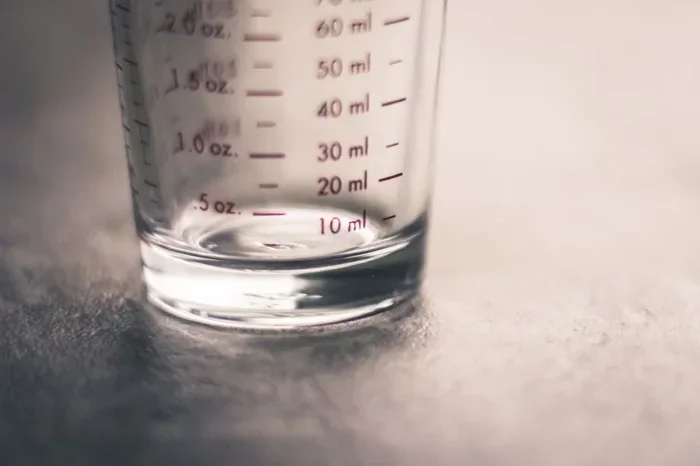
Not all measuring cups are the same. Liquid measuring cups are usually glass or plastic with a pour spout. They have markings on the side for fluid ounces and milliliters. You fill them to the line and read them at eye level. Dry measuring cups are different. They are scooped and leveled off. Using the wrong type can lead to inaccurate results.
For example, if you use a dry measuring cup for liquids, you might spill or misread the amount. If you use a liquid measuring cup for dry ingredients, packing them in can add too much. Always match your tool to the ingredient. This small habit saves a lot of frustration.
How Many Ounces Are in a Cup for Liquid Ingredients
The standard answer is 8 fluid ounces per cup. This applies to water, milk, oil, broth, and most liquid ingredients. The US customary system uses this standard across the board. So when a recipe says one cup of milk, you are measuring 8 fluid ounces.
Here is a quick breakdown of common liquid conversions:
- 1 cup = 8 fluid ounces = 16 tablespoons = 236 milliliters
- 2 cups = 16 fluid ounces = 32 tablespoons = 473 milliliters
- 4 cups = 32 fluid ounces = 1 quart = 946 milliliters
- 8 cups = 64 fluid ounces = 2 quarts = 1.9 liters
These conversions are handy when you are scaling a recipe up or down. Say you are doubling a soup recipe that calls for 2 cups of broth. That is 16 fluid ounces or 32 tablespoons. Knowing these numbers by heart makes cooking faster and more fun.
Why Fluid Ounces Are Not the Same as Weight Ounces
This is where many people get confused. A fluid ounce measures volume. A weight ounce measures mass. They are different units for different purposes. When you see oz on a liquid ingredient, it usually means fluid ounces. When you see oz on a dry ingredient, it means weight ounces. Always check the context of the recipe to know which one you need.
If you are ever unsure, a kitchen scale is your best friend. It takes the guesswork out of measuring entirely. You can weigh ingredients in ounces or grams and get precise results every time.
How Many Ounces Are in a Cup for Dry Ingredients
This is where things get tricky. Dry ingredients have different densities, so the weight per cup varies. There is no single answer for how many ounces are in a cup when dealing with dry goods. It all depends on what you are measuring.
Here is a helpful reference table for common dry ingredients:
- All-purpose flour: 1 cup = about 4.5 ounces (120 grams)
- Granulated sugar: 1 cup = about 7 ounces (200 grams)
- Brown sugar (packed): 1 cup = about 7.5 ounces (215 grams)
- Rolled oats: 1 cup = about 3 ounces (85 grams)
- Cocoa powder: 1 cup = about 3.5 ounces (100 grams)
- Breadcrumbs: 1 cup = about 3 ounces (85 grams)
Notice how much the weight changes from one ingredient to the next. Flour is light and fluffy, so a cup weighs less. Sugar is denser, so a cup weighs more. This is exactly why volume measurements can be unreliable for dry ingredients.
The Spoon-and-Level Method for Flour
One of the biggest mistakes home cooks make is packing flour into a measuring cup. Scooping directly from the bag packs the flour down and adds too much. The right method is the spoon-and-level technique. Use a spoon to fluff the flour in the bag. Spoon it into the measuring cup. Then level it off with the back of a knife. This gives you an accurate measurement every time.
For precision baking, always use a kitchen scale. A scale measures weight, not volume. This eliminates the variability caused by how tightly you pack ingredients. Even professional bakers prefer weighing ingredients for consistent results.
Conversion Charts and Quick Reference
Having a conversion chart on hand makes cooking so much easier. You do not have to do math every time you adjust a recipe. Here are the most common conversions you will need.
Liquid Conversions:
- 1 fluid ounce = 2 tablespoons
- 1 cup = 8 fluid ounces
- 1 pint = 2 cups = 16 fluid ounces
- 1 quart = 4 cups = 32 fluid ounces
- 1 gallon = 16 cups = 128 fluid ounces
Dry Ingredient Approximations (by weight per cup):
- Flour: 4.5 oz per cup
- Sugar: 7 oz per cup
- Rice (uncooked): 7 oz per cup
- Pasta (dry): 4 oz per cup
- Nuts (chopped): 5 oz per cup
Print these out or save them on your phone. They are lifesavers when you are in the middle of cooking and need a quick answer. You can also use online conversion tools, but having these numbers memorized makes you faster and more efficient.
Common Mistakes When Measuring Ounces and Cups
Even experienced cooks make measurement errors. Here are the most common mistakes and how to avoid them.
Using the Wrong Measuring Cup
As mentioned earlier, liquid and dry measuring cups serve different purposes. Using a liquid cup for dry ingredients or vice versa leads to inaccurate amounts. Always choose the right tool for the job. It is a simple step that makes a big difference.
Not Leveling Off Dry Ingredients
When you scoop flour or sugar into a dry measuring cup, you need to level it. A heaping cup can add 20 to 30 percent more ingredient than a level cup. Over time, this adds up and affects your recipes significantly. Use a straight edge like a knife to scrape off the excess.
Ignoring Altitude and Humidity
Did you know that altitude and humidity affect how ingredients behave? Flour can absorb moisture from the air, changing its weight. At high altitudes, liquids evaporate faster, which can alter measurements. These factors are small but real. They matter most in precision baking like bread and pastry making.
Eyeballing Instead of Measuring
We have all done it. Just a quick eyeball of an ingredient instead of actually measuring. This works fine for some savory dishes. But for baking, where chemistry is involved, eyeballing is risky. Always measure carefully, especially when you are new to a recipe.
Tools That Make Measuring Easier
You do not need a lot of fancy equipment to measure accurately. A few basic tools go a long way. Here is what every kitchen should have.
- Liquid measuring cup: A clear glass or plastic cup with ounce and milliliter markings. Look for one with a pour spout and measurement lines at eye level.
- Dry measuring cups: A set of nested cups in standard sizes like 1 cup, 1/2 cup, 1/3 cup, and 1/4 cup. These are designed to be filled and leveled.
- Measuring spoons: Essential for small amounts of both dry and liquid ingredients. A set should include 1 tablespoon, 1 teaspoon, 1/2 teaspoon, and 1/4 teaspoon.
- Kitchen scale: The most accurate tool for measuring ingredients by weight. Digital scales are affordable and easy to use. Many can switch between ounces and grams.
Investing in good quality tools pays off quickly. Cheap measuring cups can warp or have inaccurate markings. A reliable set of measuring cups and a simple kitchen scale will improve your cooking and baking results immediately.
How to Read Measurement Markings Correctly
When using a liquid measuring cup, always place it on a flat surface. Bend down so your eyes are level with the measurement line. Reading from above or below can cause a parallax error, where the liquid line looks higher or lower than it actually is. This small trick ensures your liquid measurements are spot on every time.
For dry measuring cups, fill the cup slightly over the top. Then sweep the excess off with a straight edge. This gives you a perfectly level measurement. Practice this technique until it becomes second nature. You will notice your recipes turning out better and more consistent.
International Cup Sizes and How They Differ
Here is something many people do not realize. A cup is not the same everywhere in the world. The US customary cup is 8 fluid ounces or about 236 milliliters. But other countries use different standards. This matters if you are following an international recipe.
- US customary cup: 8 fluid ounces (236 ml)
- US legal cup: 8.12 fluid ounces (240 ml)
- Metric cup: 8.45 fluid ounces (250 ml)
- Imperial (UK) cup: 10 fluid ounces (284 ml)
- Japanese cup: 6.7 fluid ounces (200 ml)
As you can see, these differences add up. A Japanese cup is about 20 percent smaller than a US cup. An imperial cup is about 25 percent larger. If you are using a recipe from another country, always check which cup size it uses. When in doubt, weigh your ingredients using a kitchen scale for the most accurate results.
This is especially important for baking, where precise ratios of ingredients matter. A slightly larger or smaller cup can change the texture and structure of your baked goods. Knowing these differences helps you adapt recipes from around the world with confidence.
Quick Tips for Accurate Measuring Every Time
Here are some quick tips to keep in mind whenever you are measuring ingredients in the kitchen:
- Always use the right type of measuring cup for the ingredient you are working with.
- Level off dry ingredients with a straight edge for accuracy.
- Do not pack flour or brown sugar unless the recipe specifically says to.
- Use a kitchen scale for precision, especially in baking.
- Check your measuring cups for wear and tear. Old cups can lose their accuracy over time.
- When in doubt, weigh your ingredients. Weight measurements are always more reliable than volume measurements.
- Read the recipe fully before you start so you know which measurements to prepare.
These tips may seem basic, but they make a huge difference. Consistent measuring leads to consistent results. And consistent results mean you can trust your recipes every single time.
Understanding how many ounces are in a cup is one of the foundational skills in any kitchen. Once you know the basics, you can tackle any recipe with confidence. You will also be able to adjust serving sizes, convert international recipes, and troubleshoot when things do not turn out right. Measurement knowledge is truly one of the most valuable tools in your cooking arsenal.
Conclusion
Now you know that how many ounces are in a cup depends on what you are measuring and where your recipe comes from. For liquids, one US cup equals 8 fluid ounces. For dry ingredients, the weight varies by ingredient density. The key is using the right tools and techniques. A liquid measuring cup for liquids, a dry measuring cup for dry goods, and a kitchen scale for precision. Avoid common mistakes like packing flour too tightly or eyeballing ingredients. And remember that cup sizes differ internationally, so always check your recipe source.
With this knowledge in hand, you are ready to cook and bake with confidence. You will never have to wonder about your measurements again. Keep this guide bookmarked for quick reference. Share it with a friend who might find it helpful. And most importantly, get into the kitchen and start cooking. Happy measuring.
Frequently Asked Questions
How many fluid ounces are in a standard US cup?
A standard US cup holds 8 fluid ounces. This is the most common measurement used in American recipes for liquids like water, milk, and oil. Remember that fluid ounces measure volume, not weight.
Does one cup of flour equal 8 ounces?
No, one cup of all-purpose flour weighs about 4.5 ounces. The 8-ounce rule only applies to liquid measurements. Dry ingredients vary in weight because they have different densities. Always check a conversion chart for the specific ingredient you are using.
What is the difference between a fluid ounce and a weight ounce?
A fluid ounce measures volume, which is how much space something takes up. A weight ounce measures mass, which is how heavy something is. Water is the exception where 1 fluid ounce of water weighs close to 1 weight ounce. Most other ingredients do not follow this pattern.
Do international cups have the same size as US cups?
No, international cups vary in size. A metric cup is 250 milliliters, which is slightly larger than a US cup. An imperial cup from the UK is even larger at 284 milliliters. A Japanese cup is smaller at 200 milliliters. Always check which measurement system a recipe uses.
Is a kitchen scale better than measuring cups for baking?
Yes, a kitchen scale is more accurate for baking. Baking is a science that depends on precise ratios of ingredients. Volume measurements like cups can vary based on how you scoop and pack ingredients. Weight measurements eliminate this variability and give you consistent results every time.
Can I use a liquid measuring cup for dry ingredients?
You can, but it is not ideal. Liquid measuring cups are designed to be read at eye level when filled to a line. Dry ingredients are better measured using dry measuring cups that you fill and level off. Using the wrong tool can lead to inaccurate measurements and inconsistent results.
=== INTERNAL LINKS ===
When you are measuring ingredients for your morning coffee, knowing the right how to measure coffee in a coffee maker can save you time and effort.
If you love baking with precision, check out our guide on how many scoops of coffee per cup of water for helpful measuring tips.
For more kitchen storage tips, see our article on how to store food in mylar bags to keep your ingredients fresh longer.
Need to strain liquids without a strainer? Learn how to strain without a strainer using simple kitchen tools you already have.