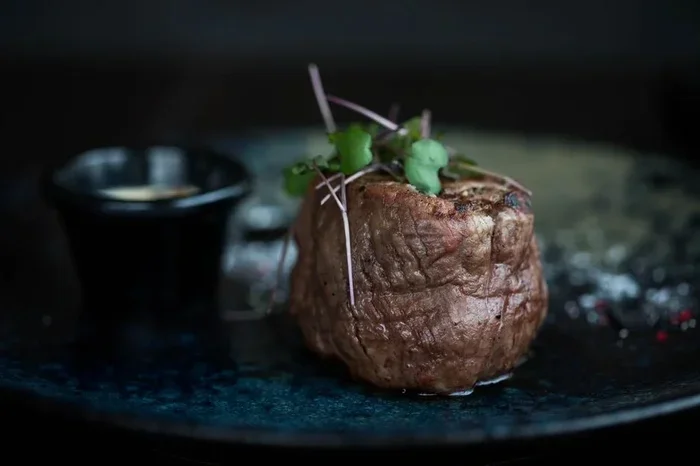
A filet mignon temp chart printable is the easiest way to cook the perfect steak at home. This guide covers exact temperatures for every level of doneness, from rare to well-done, so you never guess again. You will also learn how to use a meat thermometer, rest your steak properly, and avoid the most common cooking mistakes.
A perfectly cooked filet mignon is one of life’s great pleasures. The tender, buttery texture and mild flavor make it a favorite for dinner parties and weeknight meals alike. But getting that perfect steak every time can feel tricky. That is where a filet mignon temp chart printable comes in handy. It removes all the guesswork and gives you a clear roadmap to steak perfection.
Whether you are a beginner or a seasoned home cook, knowing the right temperature for your steak changes everything. A filet mignon temp chart printable lets you check doneness at a glance. You can print it, pin it to your fridge, or keep it right next to your grill. This guide will walk you through everything you need to know about steak temperatures, cooking methods, and pro tips that elevate your steak game.
Key Takeaways
- Perfect Temperatures: Know the exact internal temp for rare, medium-rare, medium, and well-done filet mignon.
- Printable Chart: A handy reference you can keep in your kitchen for quick access while cooking.
- Resting Matters: Always let your steak rest for 5 to 10 minutes after cooking for juicy results.
- Thermometer Essential: A digital meat thermometer is the single best tool for consistent steak doneness.
- Avoid Common Mistakes: Skip the press-test myth and always use a thermometer for accuracy.
- Multiple Cooking Methods: Works for grilling, pan-searing, oven-baking, and sous vide.
📑 Table of Contents
- Why a Filet Mignon Temp Chart Printable Is a Game Changer
- How to Use a Meat Thermometer Like a Pro
- Best Cooking Methods for Filet Mignon
- Resting Your Steak: Why It Matters
- Common Mistakes to Avoid When Cooking Filet Mignon
- How to Keep Your Steak Tools in Top Shape
- How to Create Your Own Filet Mignon Temp Chart Printable
- Final Thoughts on Perfecting Your Filet Mignon
Why a Filet Mignon Temp Chart Printable Is a Game Changer
Cooking steak without a temperature guide is like baking without a recipe. You might get lucky sometimes, but most of the time you end up with something less than ideal. A filet mignon temp chart printable takes the uncertainty out of the process. It gives you a clear, visual reference that works every single time.
Here is why every steak lover should have one. First, it removes guesswork. You do not have to press the steak with your finger and hope for the best. Second, it builds consistency. Once you know your preferred doneness temperature, you can replicate it every time. Third, it prevents overcooking. Filet mignon is expensive, and nobody wants to ruin a good cut by cooking it too long.
Also, a printable chart is incredibly convenient. You can laminate it, hang it near your grill, or slide it into a kitchen binder. It is always there when you need it. And unlike phone apps, it never runs out of battery mid-cook. A filet mignon temp chart printable is a simple tool that delivers big results.
What Temperatures Mean for Steak Doneness
Understanding steak doneness levels is the foundation of great cooking. Each level corresponds to a specific internal temperature range. Here is a quick breakdown of what you will find on any good filet mignon temp chart printable.
- Rare: 120 to 125 degrees Fahrenheit. A cool red center with a soft texture.
- Medium Rare: 130 to 135 degrees Fahrenheit. The most popular choice. A warm red center that is juicy and tender.
- Medium: 140 to 145 degrees Fahrenheit. A pink center with a firmer bite.
- Medium Well: 150 to 155 degrees Fahrenheit. Slightly pink with a denser texture.
- Well Done: 160 degrees Fahrenheit and above. Gray throughout with very little moisture.
Most steak experts recommend cooking filet mignon to medium-rare. This temperature brings out the best flavor and keeps the meat tender. The filet mignon temp chart printable makes it easy to aim for this sweet spot every time.
How to Use a Meat Thermometer Like a Pro
A filet mignon temp chart printable is only as good as the tool you use to read the temperature. A digital meat thermometer is essential for accurate results. It takes the guesswork out and gives you a precise reading every time.
Choosing the Right Thermometer
Not all thermometers are created equal. A dial thermometer can work, but a digital instant-read thermometer is far more accurate. Look for one that reads quickly, within about 10 seconds. Some models even have a thin probe that causes less juice loss. This is important because every drop of juice matters in a premium cut like filet mignon.
Where to Insert the Thermometer
This is where many home cooks go wrong. You should insert the probe into the thickest part of the steak. Avoid touching the bone, fat, or the pan surface. The center of the steak gives you the most accurate reading. For even cooking, you can also check the temperature from the side.
Remove the steak from heat when it is 5 degrees below your target temp. This accounts for carryover cooking, where the internal temperature continues to rise after you take the steak off the heat source. This simple tip makes a huge difference in your final result.
Quick Tips for Accurate Temperature Reading
- Wait at least 15 seconds for the digital reading to stabilize.
- Never rely on the press-test method alone. It is unreliable and inconsistent.
- Calibrate your thermometer regularly for the most accurate readings.
- Clean your probe between uses to avoid cross-contamination.
- Check the temperature in multiple spots for an even cook.
Best Cooking Methods for Filet Mignon
Filet mignon is a versatile cut that works well with several cooking methods. Each method brings out different flavors and textures. Let us look at the best ways to cook this premium steak.
Pan-Searing for a Perfect Crust
Pan-searing is the most popular method for cooking filet mignon at home. It creates a beautiful golden crust while keeping the inside tender and juicy. Start by patting the steak dry with paper towels. Season generously with salt and pepper. Heat a cast iron skillet over high heat until it is smoking hot. Add a high smoke-point oil and place the steak in the pan.
Sear for 2 to 3 minutes on each side. Then reduce the heat and let it finish cooking to your target temperature. Use your filet mignon temp chart printable to guide you. A cast iron skillet holds heat beautifully, which makes it ideal for this method.
Grilling for Smoky Flavor
Grilling adds a smoky char that pairs perfectly with filet mignon. Preheat your grill to high heat. Sear the steak for 2 to 3 minutes per side. Then move it to a cooler part of the grill to finish cooking. This two-zone method gives you control over both the crust and the internal temperature.
Grilling works especially well for thicker cuts. A filet mignon temp chart printable helps you track the temperature as the steak moves between heat zones. Always oil the grill grates before cooking to prevent sticking.
Oven-Baked for Even Cooking
The oven method is great for those who want hands-off cooking. Sear the steak on the stove first, then transfer it to a preheated oven at 400 degrees Fahrenheit. This approach cooks the steak evenly from edge to center. Use a filet mignon temp chart printable to check the temperature as it approaches your desired doneness.
Sous Vide for Precision
Sous vide cooking gives you the most precise temperature control possible. You seal the steak in a bag and cook it in a water bath set to your exact target temperature. This method guarantees edge-to-edge perfection. After the sous vide cook, sear the steak quickly in a hot pan for a flavorful crust.
Resting Your Steak: Why It Matters
One of the most overlooked steps in cooking steak is resting. After you pull your filet mignon off the heat, let it sit for at least 5 to 10 minutes. This allows the juices to redistribute throughout the meat. If you cut into it immediately, the juices run out onto the plate instead of staying in the steak.
Resting also allows the internal temperature to stabilize. The carryover cooking effect continues to raise the temperature by a few degrees. This is why we recommend pulling the steak off heat 5 degrees early. A filet mignon temp chart printable can remind you of this important step so you do not forget.
How to Rest Your Steak Properly
- Remove the steak from the heat source.
- Place it on a warm plate or cutting board.
- Tent it loosely with aluminum foil.
- Let it sit for 5 to 10 minutes depending on thickness.
- Check the temperature before slicing.
Proper resting makes a noticeable difference in juiciness and tenderness. Do not skip this step, no matter how eager you are to dig in.
Common Mistakes to Avoid When Cooking Filet Mignon
Even experienced cooks make mistakes with steak. Here are the most common ones and how to avoid them.
Not Bringing the Steak to Room Temperature
Always take your filet mignon out of the fridge 30 to 45 minutes before cooking. A cold steak cooks unevenly. The outside overcooks while the center stays cold. Letting it come to room temperature ensures a more even cook from edge to edge.
Skipping the Dry Surface
A dry surface is essential for a good sear. Pat the steak thoroughly with paper towels before seasoning. Moisture on the surface creates steam instead of a crust. This is one of the biggest reasons home steaks lack that beautiful brown sear.
Over-Salting at the Wrong Time
Salt your steak at least 40 minutes before cooking, or right before you sear. Salting too early draws out moisture, and salting too late does not allow the seasoning to penetrate. Timing your seasoning is a small detail that makes a big difference.
Cutting Into the Steak Too Early
Never cut into the steak to check doneness. You lose precious juices every time you do this. Trust your thermometer and the filet mignon temp chart printable instead. It is far more accurate and keeps all those flavorful juices inside the meat.
How to Keep Your Steak Tools in Top Shape
Great steak starts with great tools. Your thermometer, skillet, and tongs all play a role in the final result. Keeping your equipment in good condition ensures better performance every time you cook.
For example, a sharp knife makes slicing steak much easier and cleaner. A dull knife tears the meat fibers and affects the texture. If you want to learn how to maintain your knives properly, check out this guide on how to sharpen a filet knife to keep your kitchen tools in perfect condition.
Similarly, keeping your cast iron skillet well-seasoned improves its performance over time. A properly seasoned pan creates a natural non-stick surface and enhances the sear. Clean your thermometer after every use to maintain accuracy. These small habits add up to better steak results over time.
How to Create Your Own Filet Mignon Temp Chart Printable
Making your own printable chart is simple and fun. You can customize it to match your preferred cooking style and steak preferences.
Step-by-Step Guide
- Start with a blank template or use a table format.
- List the doneness levels: rare, medium-rare, medium, medium-well, and well-done.
- Add the corresponding internal temperature ranges for each level.
- Include recommended cooking times for each method.
- Add a notes section for your personal tips and preferences.
- Print it on cardstock or laminate it for durability.
Having a personalized filet mignon temp chart printable on your fridge or in your kitchen drawer makes cooking easier. You can also share it with friends and family who love grilling. It makes a great gift for the steak lover in your life.
What to Include in Your Printable
- Temperature ranges for each doneness level
- Recommended rest times
- Cooking time estimates by method
- Tips for carryover cooking
- Thermometer placement guide
- Seasoning recommendations
A well-designed chart becomes a go-to reference in any kitchen. It saves time, reduces stress, and helps you cook better steak consistently.
Final Thoughts on Perfecting Your Filet Mignon
Cooking the perfect filet mignon is a skill anyone can learn. The key is understanding temperatures, using the right tools, and paying attention to the details. A filet mignon temp chart printable gives you the confidence to cook steak without second-guessing yourself.
Start with a quality cut of beef. Season it well. Cook it to the right temperature using a reliable thermometer. Let it rest properly. And always refer to your chart when you need guidance. These simple steps transform an ordinary steak into an extraordinary meal.
Remember, practice makes perfect. The more you cook filet mignon, the more intuitive the process becomes. You will start to recognize the feel of a properly rested steak and the sound of a perfect sear. Keep your filet mignon temp chart printable handy, and you will never serve a bad steak again.
So go ahead. Print your chart. Fire up the grill or heat that cast iron skillet. And enjoy a steak that is cooked exactly the way you like it. Your taste buds will thank you.
Frequently Asked Questions
What temperature is filet mignon medium-rare?
Filet mignon is medium-rare at an internal temperature of 130 to 135 degrees Fahrenheit. This is the most recommended doneness level because it balances juiciness, flavor, and tenderness perfectly. Always pull the steak off heat 5 degrees early to account for carryover cooking.
Can I use a meat thermometer for grilling filet mignon?
Yes, a digital meat thermometer is the best tool for grilling filet mignon. Insert the probe into the thickest part of the steak, avoiding bone or fat. A filet mignon temp chart printable works perfectly alongside your thermometer to help you track your target doneness.
How long should I rest my filet mignon after cooking?
Rest your filet mignon for 5 to 10 minutes after cooking. This allows the juices to redistribute and the internal temperature to stabilize. Tenting the steak loosely with foil helps retain warmth during the resting period.
Is a filet mignon temp chart printable useful for other steaks?
Absolutely. While designed for filet mignon, the temperature guidelines apply to most beef steaks. Ribeye, strip steak, and T-bone all follow similar doneness temperature ranges. You can use the same chart as a general steak cooking reference.
What is carryover cooking and why does it matter?
Carryover cooking is when the internal temperature of the steak continues to rise after removing it from heat. This happens because residual heat spreads to the cooler center. Pulling the steak 5 degrees below your target temp accounts for this effect and prevents overcooking.
How do I store my filet mignon temp chart printable?
Laminate the chart or place it in a clear plastic sleeve to protect it from grease and moisture. Store it near your grill, on the fridge, or in your kitchen binder. A laminated chart lasts for years and stays clean and readable.