Learning how to cook corn on the cob on stovetop is one of the easiest kitchen skills you can master. Whether you prefer boiling, steaming, or pan-roasting, the stovetop delivers perfectly tender and sweet corn in minutes. This guide walks you through every method with clear steps, helpful tips, and common mistakes to avoid. You will also find a full FAQ section and quick-reference tips to make your stovetop corn foolproof.
There is something special about stovetop corn on the cob. It is simple, fast, and incredibly satisfying. When you learn how to cook corn on the cob on stovetop, you unlock a quick side dish that pairs with almost any meal. No grill needed. No fancy equipment required. Just a pot, some water, and fresh ears of corn.
Many people think corn on the cob is only for summer barbecues. But the truth is, you can make it year-round right on your stovetop. Whether you are cooking for a family dinner or a quick weeknight meal, stovetop corn fits the bill. This guide covers every method, tip, and trick you need to get great results every single time.
The beauty of stovetop corn lies in its simplicity. You do not need to watch a grill or manage flare-ups. You just bring water to a boil, add your corn, and wait a few minutes. It is one of the most beginner-friendly cooking techniques out there. And once you nail it, you will never go back to microwaved or canned corn again.
Key Takeaways
- Boiling is the fastest and most popular method for cooking corn on the cob on stovetop, taking just 5 to 8 minutes.
- Steaming preserves more nutrients and keeps corn moist without losing flavor to the water.
- Using a large pot with plenty of water ensures even cooking, similar to how you would use the best pot to cook rice on stove.
- Overcooking is the #1 mistake and can make corn mushy, much like how you would need to fix tough corned beef on the stove if you cook it too long.
- Adding butter, salt, and herbs after cooking enhances the natural sweetness of fresh corn.
- Fresh corn is best, but frozen works too and needs slightly longer cooking times.
📑 Table of Contents
- Why Cook Corn on the Cob on Stovetop?
- What You Need to Cook Corn on the Cob
- How to Boil Corn on the Cob on Stovetop
- Steaming Corn on the Cob on Stovetop
- Pan-Roasting Corn on the Cob on Stovetop
- Common Mistakes to Avoid
- Serving Ideas for Stovetop Corn
- Storing and Reheating Leftover Corn
- Frequently Asked Questions
- Conclusion
Why Cook Corn on the Cob on Stovetop?
Cooking corn on the stove has several advantages over other methods. First, it is fast. You can have tender corn ready in under 10 minutes. Second, it requires minimal equipment. A large pot and a lid are all you need. Third, stovetop cooking gives you consistent results. You control the heat, the water level, and the cooking time.
Grilling corn is wonderful, but it is not always practical. Rainy day? No grill access? The stovetop saves the day. And compared to boiling corn in a small pot, using the right technique on a proper burner ensures even heat distribution. Think of it like choosing the right tool for the job. Just as you would pick the best pot to cook rice on stove for perfect grains, you need the right pot for corn too.
Benefits of Stovetop Corn
- Speed: Ready in 5 to 10 minutes.
- Simplicity: Minimal ingredients and equipment.
- Consistency: Even cooking with reliable results.
- Versatility: Works with fresh, frozen, or canned corn.
- Control: You adjust heat and timing to your preference.
What You Need to Cook Corn on the Cob
Before you start, gather your supplies. The good news is you do not need much. Here is a simple list of everything required for cooking corn on the cob on stovetop.
Essential Equipment
- A large pot with a lid (at least 4 quarts).
- A colander or tongs for removing corn.
- A cutting board and sharp knife (if cutting corn off the cob).
- A large bowl for serving or ice bath.
Ingredients
- Fresh corn on the cob (shucked and cleaned).
- Water (enough to cover the corn).
- Salt (optional, about 1 to 2 tablespoons).
- Butter, herbs, or spices (optional for serving).
You do not need to add sugar to the water, despite what many old recipes say. Fresh corn is naturally sweet enough. The salt helps season the corn from the inside as it boils. If you are using frozen corn, you can skip thawing it first. Just add a couple extra minutes to the cooking time.
How to Boil Corn on the Cob on Stovetop
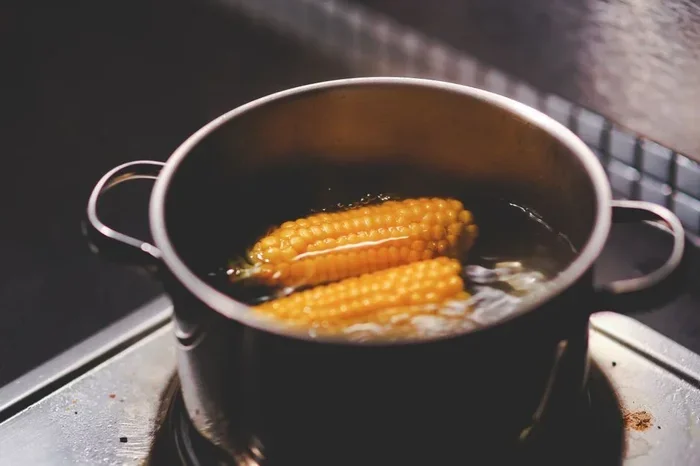
Boiling is the most popular and straightforward method for how to cook corn on the cob on stovetop. It is fast, easy, and produces tender, juicy results. Here is the full step-by-step process.
Step-by-Step Boiling Method
- Shuck the corn: Remove the husks and silk. Rinse each ear under cold water.
- Fill the pot: Use a large pot and add enough water to fully cover the corn.
- Bring to a boil: Add salt if desired and bring the water to a rolling boil on high heat.
- Add the corn: Gently place the ears into the boiling water. Do not overcrowd the pot.
- Cook for 5 to 8 minutes: For fresh corn, 5 to 6 minutes is usually enough. Frozen corn may need 7 to 10 minutes.
- Check for doneness: Pierce a kernel with a fork. It should be tender but still slightly crisp.
- Remove and serve: Use tongs to pull the corn out. Let it cool for a minute before serving with butter and salt.
The key to perfect boiled corn is not overcooking it. Overcooked corn becomes mushy and loses its sweet flavor. If you have ever had tough corned beef on the stove that was overcooked, you know how important timing is. The same principle applies here. Keep a close eye on the clock.
Boiling Times at a Glance
- Fresh sweet corn: 5 to 6 minutes.
- Frozen corn (unthawed): 7 to 10 minutes.
- Canned corn (already cooked): 2 to 3 minutes to heat through.
- Large ears: Add 1 to 2 extra minutes.
Steaming Corn on the Cob on Stovetop
Steaming is a wonderful alternative to boiling. It uses less water and helps the corn retain more of its natural sweetness and nutrients. When you steam corn on the cob on stovetop, the kernels stay firm and vibrant.
How to Steam Corn
- Fill the pot with about 1 inch of water: Do not let the water touch the corn once it is in the steamer basket.
- Bring the water to a boil: Place the steamer basket inside the pot.
- Add the corn: Place the ears in the steamer basket in a single layer.
- Cover with a lid: Steam for 6 to 8 minutes for fresh corn.
- Check tenderness: The corn should be bright yellow and tender when pierced.
- Remove carefully: Use tongs to avoid burns. Serve immediately.
Steaming takes a little longer than boiling, but the results are worth it. The corn holds its shape better and has a slightly sweeter flavor. This method is also great if you want to avoid diluting the corn flavor with boiling water.
Pan-Roasting Corn on the Cob on Stovetop
If you want a slightly smoky, caramelized flavor, try pan-roasting. This method works beautifully on the stovetop and adds a nice char without needing a grill. It is one of the more exciting ways to prepare corn on the cob on stovetop.
How to Pan-Roast Corn
- Heat a large skillet over medium-high heat: Add a thin layer of oil or melted butter.
- Place the corn in the skillet: Lay the ears directly on the hot surface.
- Cook for 3 to 4 minutes per side: Turn the corn every few minutes to get even charring.
- Look for brown spots: These spots add flavor and visual appeal.
- Season after cooking: Brush with butter and sprinkle with salt, pepper, or chili powder.
Pan-roasting gives you a different texture than boiling. The outside is slightly crispy while the inside stays juicy and tender. This method works especially well with fresh corn in the summer when the kernels are at their sweetest.
Common Mistakes to Avoid
Even though cooking corn on the cob on stovetop is simple, a few common mistakes can ruin the results. Here is what to watch out for.
Overcooking the Corn
This is the number one mistake. Corn goes from perfectly tender to mushy very quickly. Set a timer and do not walk away from the stove. Fresh corn needs only 5 to 6 minutes in boiling water. If you are unsure, pull one ear out and test it. It is better to undercook slightly than to overcook.
Using Too Little Water
If the water level drops below the corn, it will cook unevenly. Make sure the corn is fully submerged at all times. A good rule of thumb is to use at least 4 to 6 cups of water per 2 to 3 ears of corn.
Not Shucking Properly
Leaving too much silk on the corn can be unpleasant to eat. Take the time to peel back the husks completely and remove all the silk. Rinsing the corn under cold water after shucking helps remove any remaining strands.
Adding Sugar to the Water
Many old recipes call for adding sugar to the boiling water. This is unnecessary with fresh, sweet corn. The corn is already naturally sweet. If you are using older or less sweet corn, a small pinch of sugar will not hurt, but it is not essential.
Skipping the Salt
A little salt in the boiling water helps season the corn from the inside. Do not skip this step. It is a small addition that makes a noticeable difference in flavor.
Just like when you learn how to make chicken drumsticks on the stove, timing and temperature control make all the difference in stovetop cooking. Pay attention and you will get great results every time.
Serving Ideas for Stovetop Corn
Once your corn is cooked, the fun part is serving it. There are so many delicious ways to enjoy stovetop corn on the cob. Here are some ideas to try.
Classic Butter and Salt
The simplest and most beloved way. Melt some butter, sprinkle with salt, and enjoy. This classic preparation lets the natural sweetness of the corn shine.
Spicy Mexican Style
Brush the corn with a mix of melted butter, lime juice, chili powder, and a pinch of cotija cheese. This gives you a tangy, spicy flavor that is irresistible.
Herb Butter
Mix softened butter with chopped fresh herbs like parsley, thyme, or dill. Spread it on the warm corn for a gourmet touch.
Corn Cut Off the Cob
If you prefer not to eat on the cob, cut the kernels off after cooking. Use them in salads, soups, tacos, or stir-fries. This is a great way to use up extra corn.
Storing and Reheating Leftover Corn
If you have leftover cooked corn, store it properly to keep it fresh. Place the corn in an airtight container and refrigerate within two hours. It will keep for up to 3 to 4 days in the fridge. To reheat, steam the corn for 2 to 3 minutes or warm it in a skillet with a little butter. Avoid reheating in the microwave, as it can make the kernels tough.
You can also freeze cooked corn for longer storage. Let it cool completely, then place it in freezer-safe bags. Frozen cooked corn lasts up to 6 months. When you are ready to eat it, thaw it in the fridge overnight and reheat gently on the stovetop.
Frequently Asked Questions
How long does it take to cook corn on the cob on the stovetop?
Fresh corn on the cob takes about 5 to 8 minutes to boil on the stovetop. Frozen corn may need 7 to 10 minutes. The exact time depends on the size of the ears and how fresh they are. Always test a kernel for tenderness before serving.
Do you need to shuck corn before boiling it on the stove?
Yes, you should shuck the corn before boiling. Remove the husks and all the silk. Rinse the ears under cold water. Some people prefer to leave the husk on while steaming, but for boiling, shucked corn cooks more evenly and is easier to serve.
Can you cook frozen corn on the cob on the stovetop?
Absolutely. You can cook frozen corn on the cob directly from the freezer. Just add 2 to 3 extra minutes to the boiling time. There is no need to thaw it first. The corn will cook evenly as long as it is fully submerged in boiling water.
Why is my corn tough or chewy after boiling?
Tough corn is usually a sign of overcooking or using old corn. Fresh corn cooks quickly and becomes tough if left in boiling water too long. If you have ever dealt with tough corned beef on the stove, you know the same principle applies. Watch the clock closely and pull the corn as soon as it is tender.
Is it better to boil or steam corn on the cob?
Both methods work well. Boiling is faster and more convenient, while steaming preserves more nutrients and keeps the corn slightly firmer. Choose boiling for speed and steaming for a more delicate texture. Both produce delicious results on the stovetop.
Can you add milk or cream to the boiling water for corn?
Yes, adding milk or cream to the boiling water is a traditional trick that gives the corn a richer, creamier flavor. Use about half water and half milk. This works especially well with less sweet corn varieties. Just be careful not to let the milk boil over.
Conclusion
Learning how to cook corn on the cob on stovetop is one of the easiest and most rewarding skills in the kitchen. Whether you choose to boil, steam, or pan-roast, the stovetop gives you full control over the cooking process. The results are tender, juicy, and full of natural sweetness. With the right pot, proper timing, and a few simple tips, you can make stovetop corn that rivals any grilled version. So the next time you have fresh corn on hand, skip the grill and let your stovetop do the work. Your taste buds will thank you.