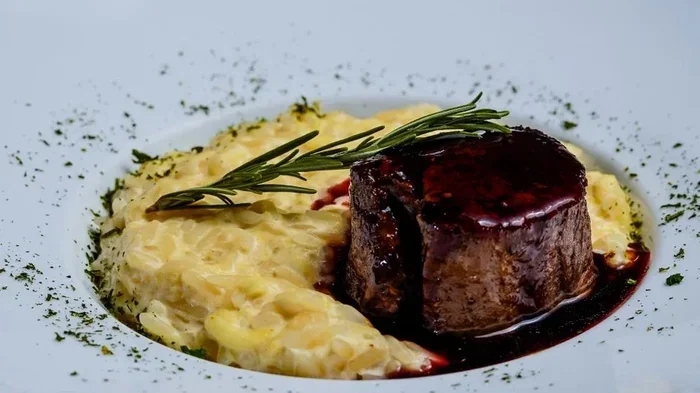
Cooking filet mignon in a cast iron skillet is the best way to achieve a deep, caramelized crust while keeping the inside tender and juicy. This guide walks you through every step, from selecting the right cut to resting your steak perfectly. You will learn pro techniques for pan searing steak, butter basting, and checking steak doneness like a seasoned chef.
There is something truly special about a perfectly cooked filet mignon. The tender, buttery texture and rich flavor make it one of the most beloved cuts of beef. And when you cook it in a cast iron skillet, you unlock a level of sear and crust that is hard to match with any other pan.
If you have been looking for the best way to cook steak at home, this guide is for you. We will walk you through everything you need to know about using a cast iron skillet to prepare filet mignon that rivals any upscale steakhouse. From choosing the right cut to mastering the final rest, you will find clear, practical steps that work every time.
The beauty of cast iron cooking is its simplicity. A good skillet, a hot burner, and a quality piece of beef are all you really need. But the details matter. How long you sear each side, when to add butter, and how to check the internal temperature all make a big difference in the final result.
Key Takeaways
- Cast iron holds heat brilliantly: It delivers an even, high-temperature sear that creates a restaurant-quality crust on your filet mignon.
- Bring steak to room temperature first: This ensures even cooking from edge to center and prevents a cold middle.
- Use a kitchen thermometer: Internal temperature is the most reliable way to hit your desired level of steak doneness every time.
- Rest your steak after cooking: Letting it rest for 5 to 8 minutes keeps the juices locked inside for a tender bite.
- Butter basting adds incredible flavor: Basting the steak with herb-infused butter during cooking elevates the taste and aroma.
- Season simply but well: Quality salt, fresh pepper, and a little garlic go a long way with a premium cut like filet mignon.
📑 Table of Contents
Why Cook Filet Mignon in Cast Iron Skillet
Not all pans are created equal when it comes to cooking steak. Cast iron skillets stand out for several important reasons that directly affect the quality of your filet mignon.
Superior Heat Retention
Cast iron is dense and heavy. It holds heat incredibly well, which means when you place your steak on the surface, the pan does not lose its temperature. This stable, high heat is exactly what you need for a great sear. A thin stainless steel pan might cool down the moment the cold meat touches it, leading to uneven browning and steaming instead of searing.
When you preheat your cast iron properly, it creates a consistent cooking surface. The steak sizzles immediately on contact, which kickstarts the Maillard reaction. This is the chemical process that produces that beautiful brown crust and deep, savory flavor we all love.
Even Cooking Across the Surface
Another advantage of cast iron is its ability to distribute heat evenly. Hot spots are less common in a well-seasoned cast iron skillet. This means your filet mignon cooks more uniformly, reducing the risk of overcooked edges and a raw center.
For thick cuts of beef tenderloin, this even heat is especially important. You want the entire steak to cook consistently from the outside in, and cast iron helps make that happen.
Oven-to-Stovetop Versatility
One of the best features of cast iron is that it goes from stovetop to oven seamlessly. This opens up cooking techniques like the reverse sear, where you start the steak in a low oven and finish it with a hard sear on the stove. We will explore this method later in the article.
If you are curious about other ways to cook beef using high heat, you might enjoy learning how to broil a hamburger in oven as an alternative method for patties and thinner cuts.
Choosing and Preparing Your Filet Mignon
The journey to a perfect steak starts before you ever turn on the heat. Selecting the right cut and preparing it properly sets the foundation for everything that follows.
Selecting the Right Cut
Look for filet mignon steaks that are at least 1.5 inches thick. Thicker cuts give you more room for error and allow for a great crust without overcooking the center. The color should be a rich, deep red with fine marbling throughout.
Marbling is the thin streaks of fat running through the meat. It adds flavor and juiciness during cooking. While filet mignon is naturally leaner than ribeye or strip steak, a little marbling still makes a noticeable difference in taste and texture.
Bringing the Steak to Room Temperature
Take your filet mignon out of the refrigerator about 30 to 45 minutes before cooking. This lets the meat warm up to room temperature, which is critical for even cooking. If you place a cold steak straight onto a hot pan, the outside will burn while the inside stays cold.
This simple step is one of the most overlooked tips for cooking steak at home. It makes a real difference in the final result.
Seasoning Your Steak
Keep the seasoning simple and let the quality of the beef shine. Here is what you need:
- Kosher salt: Apply generously about 40 minutes before cooking, or right before you sear.
- Freshly cracked black pepper: Add this just before the steak hits the pan so it does not burn.
- Garlic cloves: Whole, unpeeled cloves can go into the pan during basting for extra aroma.
- Fresh thyme or rosemary: These herbs pair beautifully with beef and infuse the butter with flavor.
Avoid using too many spices. Filet mignon is a premium cut, and heavy seasoning can mask its natural, delicate flavor. A little salt and pepper go a long way.
Cooking Filet Mignon in Cast Iron: Step by Step
Now for the main event. Follow these steps closely, and you will pull off a stunning filet mignon every single time.
Step 1: Preheat the Skillet
Place your cast iron skillet on the stove over medium-high to high heat. Let it get ripping hot for about 3 to 5 minutes. You will know it is ready when a drop of water sizzles and evaporates instantly on contact.
Do not rush this step. A properly preheated pan is essential for a good sear. If the pan is not hot enough, the steak will stick and you will not get that beautiful brown crust.
Step 2: Add the Oil
Once the skillet is hot, add a high-smoke-point oil. Avocado oil, grapeseed oil, or clarified butter all work well. Regular butter has a low smoke point and will burn at the temperatures needed for searing.
Swirl the oil around the pan to coat the surface evenly. You should see the oil shimmer almost immediately.
Step 3: Sear the First Side
Gently place the filet mignon in the skillet. Do not crowd the pan. If you are cooking more than one steak, use a larger skillet or cook them in batches.
Let the steak sear without moving it for about 2 to 3 minutes. Resist the urge to poke or flip it too early. You want to see a deep, golden-brown crust form before you try to move it.
Step 4: Flip and Butter Baste
Flip the steak using tongs. Immediately add a tablespoon of butter, a few garlic cloves, and fresh herbs to the pan. As the butter melts and begins to foam, tilt the skillet slightly and spoon the hot, flavored butter over the steak repeatedly.
This technique is called butter basting, and it adds richness, aroma, and helps cook the top of the steak gently. Continue basting for about 1 to 2 minutes for a perfect medium-rare finish.
If you enjoy experimenting with different meats and high-heat methods, you might also appreciate how cooking sausage in oven 400 brings out wonderful flavors using a similar high-temperature approach.
Step 5: Check the Internal Temperature
Use an instant-read kitchen thermometer to check the internal temperature. This is the most reliable way to determine steak doneness:
- Rare: 120°F to 125°F
- Medium Rare: 130°F to 135°F
- Medium: 140°F to 145°F
- Medium Well: 150°F to 155°F
- Well Done: 160°F and above
Remember that the temperature will rise about 5 degrees as the steak rests. So pull it off the heat a few degrees before your target temperature.
Step 6: Rest the Steak
Transfer the filet mignon to a warm plate and let it rest for 5 to 8 minutes. This allows the juices to redistribute throughout the meat. If you cut into it immediately, those juices will run out onto the plate, leaving you with a drier steak.
Resting is one of the most important steps in the entire process. It is simple, but it makes a world of difference in tenderness and flavor.
Pro Techniques for the Perfect Sear
Once you have mastered the basics, these advanced tips will take your cast iron steak game to the next level.
The Reverse Sear Method
The reverse sear is a favorite among steak enthusiasts. Instead of starting on the stovetop, you cook the filet mignon in a low oven (around 250°F) until it reaches about 10 to 15 degrees below your target internal temperature. Then you transfer it to a screaming hot cast iron skillet for a quick, hard sear on each side.
This method gives you incredibly even doneness edge to edge. It is especially effective for thicker cuts of beef tenderloin. The result is a steak that is perfectly pink from the center to the outer edge, with a gorgeous crust on the outside.
Using a Torch for Extra Crust
If you want an even deeper crust, consider using a kitchen torch after searing. A quick pass with a torch on the top and bottom adds color and texture without overcooking the interior. This technique is common in high-end restaurants and is easy to replicate at home.
Adding Aromatics to the Pan
Beyond butter and garlic, try adding sprigs of rosemary, smashed shallots, or a splash of Worcestershire sauce to the pan during basting. These additions build layers of flavor that complement the natural richness of the filet mignon.
Just be mindful of burning. Garlic can go from fragrant to bitter in seconds, so keep an eye on it and remove it before it turns dark brown.
Common Mistakes to Avoid
Even experienced home cooks make mistakes when searing steak. Here are the most common ones and how to avoid them.
Skipping the Preheat
A cold pan is the enemy of a good sear. If you do not preheat your cast iron skillet long enough, the steak will stick and you will not get that satisfying crust. Always give the pan at least 3 to 5 minutes on medium-high heat before adding oil and steak.
Using the Wrong Oil
Olive oil and regular butter burn at high temperatures, leaving a bitter taste and potential smoke in your kitchen. Stick to oils with high smoke points like avocado oil, grapeseed oil, or ghee for searing.
Overcrowding the Pan
When you place too many steaks in the pan at once, the temperature drops dramatically. The meat steams instead of sears, and you end up with a gray, soggy exterior. Cook one or two steaks at a time for the best results.
Cutting Into the Steak Too Soon
We know it is tempting, but cutting into your filet mignon right after cooking releases all those precious juices. Let it rest! Use the waiting time to plate your sides and prepare a simple pan sauce from the fond left in the skillet.
Serving and Storing Your Filet Mignon
Great Sides to Pair
Filet mignon pairs beautifully with a variety of sides. Roasted vegetables, garlic mashed potatoes, a fresh green salad, or sautéed mushrooms all complement the rich, tender flavor of the steak. Keep the sides simple so the filet mignon remains the star of the plate.
Making a Pan Sauce
Do not throw away the fond, those flavorful brown bits stuck to the bottom of your cast iron skillet. Add a splash of red wine or beef broth, scrape up the fond, and let it reduce by half. Swirl in a knob of cold butter at the end for a silky, rich pan sauce that elevates your steak to restaurant quality.
Storing Leftovers
If you have leftovers, let the steak cool completely, then store it in an airtight container in the refrigerator for up to 3 days. Reheat gently in a warm oven or skillet to preserve the texture. Avoid microwaving, which can make the meat tough and rubbery.
For other leftover meat dishes, knowing how to reheat properly makes a big difference. You can learn more about reheating different types of meat, such as how to reheat crab legs in oven, which uses a similar gentle approach to preserve texture and flavor.
Cast Iron Care Tips
Taking care of your cast iron skillet ensures it lasts for decades and performs better with each use. After cooking your filet mignon, let the skillet cool slightly, then clean it with warm water and a stiff brush. Avoid using soap, which can strip the seasoning.
Dry the skillet thoroughly immediately after washing to prevent rust. Rub a thin layer of oil onto the surface before storing it. With proper care, your cast iron skillet will become a trusted kitchen companion that improves with age.
Conclusion
Cooking filet mignon in cast iron skillet is one of the most rewarding things you can do in the kitchen. The combination of a hot, heavy pan and a quality cut of beef tenderloin produces results that are hard to beat. A deep, flavorful crust, a juicy and tender center, and the rich aroma of butter and herbs filling your kitchen, these are the moments that make cooking at home truly special.
Remember the key steps: bring your steak to room temperature, preheat the pan properly, season simply, sear with confidence, and always let your steak rest before cutting. Master these fundamentals, and you will consistently cook filet mignon that impresses every time.
So grab your cast iron skillet, pick out a great cut of beef, and give it a try. With a little practice and attention to detail, you will be cooking steak like a pro in no time.
Frequently Asked Questions
What is the best thickness for filet mignon when cooking in cast iron?
A thickness of 1.5 to 2 inches works best for filet mignon in a cast iron skillet. Thicker cuts allow you to develop a great crust without overcooking the center, giving you more control over the final doneness.
Can I use a regular skillet instead of cast iron for filet mignon?
You can, but cast iron is far superior for searing steak. Its ability to retain and distribute high, even heat creates a much better crust than thinner pans. Stainless steel or carbon steel pans are acceptable alternatives, but cast iron remains the gold standard for cooking steak at home.
How long should I rest filet mignon after cooking?
Let your filet mignon rest for 5 to 8 minutes after cooking. This resting period allows the juices to redistribute throughout the meat, resulting in a more tender and flavorful bite when you cut into it.
What internal temperature should filet mignon reach for medium-rare?
For a perfect medium-rare filet mignon, pull the steak off the heat when the internal temperature reaches 130°F to 135°F. The temperature will continue to rise by about 5 degrees during the resting period, bringing it to the ideal 135°F to 140°F range.
Do I need to oil the filet mignon or the cast iron skillet?
Oil the skillet, not the steak. A high-smoke-point oil in the hot pan prevents sticking and helps create an even sear. If you oil the steak directly, it can cause the seasoning to smoke excessively and may lead to uneven browning.
Can I cook frozen filet mignon in a cast iron skillet?
It is best to thaw your filet mignon before cooking. Frozen steak cooks unevenly, with the outside overcooking while the center remains frozen. Thawing in the refrigerator overnight gives you the most even and flavorful results when searing in cast iron.