
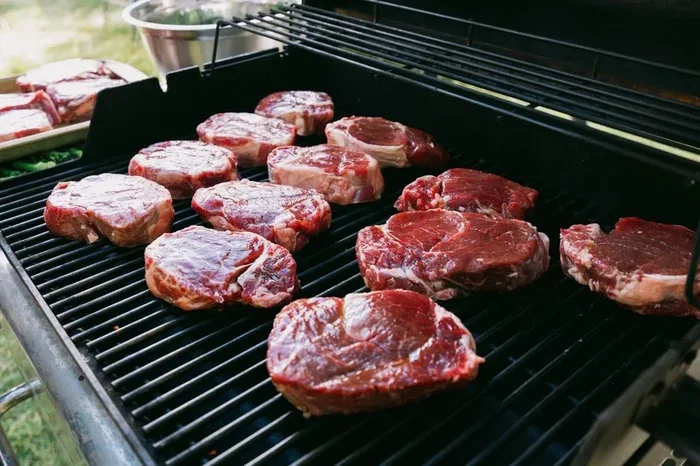
Discover the secret to tender, flavorful steak with our ultimate guide on how to tenderize steak overnight. No mallet, no lengthy process – just perfect steak every time!
Welcome to Mastering Steak: The Overnight Tenderizing Technique
Cooking the perfect steak is an art, and tenderizing is a crucial element that elevates your dish from good to extraordinary. Say goodbye to chewy steak and hello to succulent, tender perfection with our ultimate guide on how to tenderize steak overnight. No mallet required!
Understanding Steak Tenderization
Before we dive into the overnight tenderizing technique, let’s briefly discuss why steak can be tough and how to combat this. Steak becomes tough due to two main factors: connective tissues and muscle fibers. Connective tissues, primarily collagen, break down with heat and time, while muscle fibers can be broken down mechanically or with enzymes.
The Overnight Tenderizing Technique: A Game Changer
Enter the overnight tenderizing method – a simple, hands-off technique that yields phenomenal results. This method uses a combination of salt, acid, and time to break down muscle fibers and tenderize the steak. Here’s how it works:
The Science Behind the Overnight Tenderizing Technique*
Salt: Penetrates the steak, breaking down muscle fibers and drawing out moisture, which is then reabsorbed along with any added flavors.
Acid: Breaks down proteins, further tenderizing the steak. Common acids used include lemon juice, lime juice, vinegar, and even yogurt.
Time: Allows the salt and acid to work their magic, penetrating deep into the steak fibers and breaking them down.
The Ultimate Overnight Tenderizing Recipe
Now that you understand the science behind this technique, let’s dive into the ultimate overnight tenderizing recipe. This versatile method works with various steak cuts, from ribeye to flank steak.
Ingredients:
– 1 steak (1-1.5 inches thick, about 1.5 lbs)
– 1 tbsp kosher salt (per lb of steak)
– 1 tbsp acid (lemon juice, lime juice, vinegar, or yogurt, per lb of steak)
– 1 tbsp olive oil (optional, for added richness)
– 1-2 cloves garlic, minced (optional)
– Fresh herbs (optional, such as thyme, rosemary, or oregano)
Instructions:
1. Prepare the steak: Pat the steak dry with paper towels. This helps the salt and acid penetration and allows for better searing.
2. Create the brine: In a bowl, combine the salt, acid, olive oil (if using), minced garlic (if using), and fresh herbs (if using).
3. Brine the steak: Place the steak in a large zip-top bag or shallow dish. Pour the brine over the steak, ensuring it’s evenly coated on both sides. Seal the bag or cover the dish and refrigerate for at least 4 hours, or up to overnight (up to 24 hours).
4. Remove and pat dry: Remove the steak from the brine and pat it dry with paper towels. This helps achieve a proper sear.
5. Rest: Allow the steak to rest at room temperature for 20-30 minutes before cooking. This helps the steak cook more evenly.
6. Cook: Preheat your oven or grill to high heat. Sear the steak for 2-3 minutes on each side, then finish cooking to your desired doneness (use a meat thermometer for accuracy). For a 1.5-inch thick steak, this should take around 6-8 minutes for medium-rare (135°F).
7. Rest again: After cooking, transfer the steak to a cutting board and let it rest for an additional 5-10 minutes. This allows the juices to redistribute throughout the steak, ensuring optimal tenderness and flavor.
8. Slice and serve: Slice the steak against the grain, as this helps shorten the muscle fibers and makes the steak even more tender. Serve and enjoy your perfectly tender, flavorful steak!
Expert Tips for Perfect Overnight Tenderizing
Salt selection: Use kosher salt for better penetration and flavor. Avoid iodized table salt, as it can be too salty and may leave a bitter aftertaste.
Acid choice: Experiment with different acids to find your preferred flavor profile. Keep in mind that stronger acids, like vinegar, may require a shorter brining time to prevent over-tenderizing.
Thicker cuts: For steaks thicker than 1.5 inches, you may need to increase the brining time or use a two-step process – brine, then marinate – to ensure even penetration.
Marinating after brining: After the initial brine, you can add a marinade for extra flavor. However, be cautious not to over-tenderize the steak.
Avoid over-brining: Brining for too long can make the steak mushy and breakdown muscle fibers too much, leading to a less desirable texture.
Comparing Overnight Tenderizing to Other Methods
While the overnight tenderizing technique is our preferred method for its ease and effectiveness, it’s essential to consider other tenderizing methods as well. Let’s compare this technique to mechanical tenderizing and marinating.
Mechanical Tenderizing vs. Overnight Tenderizing
Mechanical Tenderizing: This method involves physically breaking down muscle fibers using a meat mallet, julienne slicer, or even a fork. While effective, it can be time-consuming and may lead to unevenly tenderized steak. The overnight tenderizing technique offers a more hands-off, even tenderizing approach.
Marinating vs. Brining: Marinating involves soaking the steak in an acidic solution for a shorter period, usually 30 minutes to several hours. While marinating can add flavor, it may not tenderize the steak as effectively or deeply as overnight brining. Additionally, marinating can lead to over-tenderizing if left too long.
The Importance of Resting Time
Resting your steak after cooking is crucial for a tender, juicy result. When you cook steak, the muscle fibers contract and push out moisture. Allowing the steak to rest lets the fibers relax and reabsorb some of the lost juices, resulting in a more tender and flavorful steak.
Common Mistakes to Avoid When Tenderizing Steak Overnight
Over-brining: As mentioned earlier, over-brining can lead to a mushy texture. Be mindful of the recommended brining time and adjust accordingly for thicker or thinner cuts.
Skipping the rest periods: Both before and after cooking, resting the steak is crucial for optimal tenderness and juiciness.
Not using a meat thermometer: Cooking steak to the desired doneness can be tricky without a meat thermometer. Invest in one to ensure perfect results every time.
Searing at too low a heat: Searing creates a delicious crust and helps lock in juices. Ensure your pan or grill is hot enough (around 450-500°F or 230-260°C) to achieve an excellent sear.
Tenderizing Steak Overnight: The Perfect Recipe for Every Occasion
The overnight tenderizing technique is a versatile and effective method for tenderizing various steak cuts. Whether you’re cooking a ribeye for a special occasion or a flank steak for a family dinner, this technique ensures a perfect, tender result every time.
Conclusion: Mastering Steak Tenderization
In this comprehensive guide, we’ve explored the art and science of tenderizing steak overnight. By understanding the underlying principles and following our expert tips, you’ll master this technique and elevate your steak game. So go ahead, impress your guests, and enjoy perfectly tender, flavorful steak with minimal effort. Happy cooking!
*
Key Takeaways
- Overnight Method: Tenderize steak overnight with a simple salt and acid-based brine.
- Enhance Flavors: Incorporate herbs, spices, and aromatics for added flavor complexity.
- No Mallet Needed: Forgo the mallet for a gentle, effective tenderizing process.
- Resting Time: Allow steak to rest after cooking for optimal tenderness and juiciness.
- Versatile Technique: Use this method on various cuts, from ribeye to flank steak.
[FEATURED_IMAGE_PLACEHOLDER]
Frequently Asked Questions
**
Q: Can I use this method with frozen steak?
While it’s not ideal, you can use this method with frozen steak. However, you’ll need to increase the brining time and may not achieve the same level of tenderness. It’s best to thaw the steak first for optimal results.
Q: Can I use this method with thin steaks?
Yes, you can use this method with thin steaks, but you’ll need to adjust the brining time accordingly. Thin steaks may only need 2-4 hours in the brine, as they’re more prone to over-tenderizing.
Q: Can I reuse the brine?
No, it’s not recommended to reuse the brine. The salt and acid will have already started breaking down the steak, and reusing the brine can introduce bacteria and negatively impact the flavor and texture of the steak.
Q: Can I use this method with lean cuts?
Yes, you can use this method with lean cuts, but keep in mind that lean cuts are naturally less tender and may not achieve the same level of tenderness as more marbled cuts. However, the overnight tenderizing technique can help improve their texture.
Q: Can I marinate the steak after brining?
Yes, after the initial brine, you can add a marinade for extra flavor. However, be cautious not to over-tenderize the steak. If you choose to marinate after brining, reduce the marinating time to avoid over-tenderizing.
Q: Can I use this method with grass-fed steak?
Grass-fed steak can be naturally leaner and tougher than grain-fed steak. While the overnight tenderizing technique can help improve the tenderness of grass-fed steak, you may not achieve the same level of tenderness as with grain-fed steak. Additionally, grass-fed steak may require a shorter brining time to prevent over-tenderizing.



