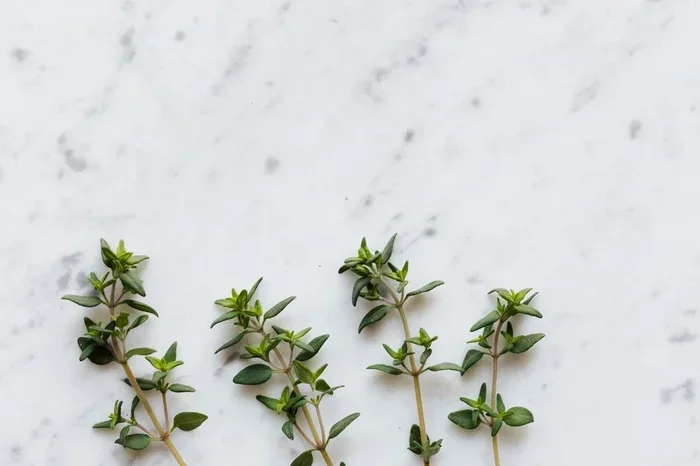
Fresh thyme is a versatile, aromatic herb that elevates almost any dish. This guide covers everything from growing and storing to cooking with fresh thyme in recipes. You will learn simple tips, common mistakes, and expert tricks to make the most of this kitchen staple.
Key Takeaways
- Fresh thyme adds deep, earthy flavor: It works beautifully in soups, stews, roasted meats, and vegetable dishes.
- Proper storage keeps it fresh longer: Know how to store fresh thyme in the fridge or freezer for best results.
- Fresh thyme vs dried thyme matters: Fresh herbs have a brighter, more delicate taste than their dried counterparts.
- It pairs well with many ingredients: Lemon, garlic, chicken, fish, and tomatoes all love fresh thyme.
- Health benefits are impressive: Fresh thyme is rich in vitamins and has natural antioxidant properties.
- Growing your own is easy: Even beginners can grow thyme at home with minimal effort.
📑 Table of Contents
- Why Fresh Thyme Deserves a Spot in Your Kitchen
- What Is Fresh Thyme and Why Chefs Love It
- How to Select and Store Fresh Thyme
- Cooking with Fresh Thyme: Tips and Techniques
- Health Benefits of Fresh Thyme
- Growing Fresh Thyme at Home
- Common Mistakes People Make with Fresh Thyme
- Fresh Thyme Pairs Beautifully with Other Ingredients
- Fresh Thyme Recipe Ideas to Try This Week
- Final Thoughts on Cooking with Fresh Thyme
Why Fresh Thyme Deserves a Spot in Your Kitchen
Fresh thyme is one of those herbs that quietly transforms a simple meal into something memorable. It has a warm, earthy aroma with hints of mint and lemon. You will find it in kitchens all around the world.
Whether you are roasting chicken, simmering a pot of soup, or making a fresh herb salmon dish, thyme fits right in. It is one of the most used culinary herbs in home cooking. And the best part? It is incredibly easy to work with.
Many cooks reach for dried thyme without thinking twice. But fresh thyme brings a brightness and depth that dried herbs simply cannot match. Once you start cooking with it regularly, you will wonder how you ever managed without it.
This guide will walk you through everything you need to know. From selecting the best sprigs at the store to using them in your favorite fresh herb recipes, we have you covered.
What Is Fresh Thyme and Why Chefs Love It
The Basics of Thyme as a Kitchen Herb
Thyme is a small, perennial plant that belongs to the mint family. Its tiny leaves grow on woody stems and release a strong aroma when crushed. The most common variety is English thyme, but there are many others too.
Chefs love fresh thyme because it is so versatile. You can use it in almost any savory dish. It works well in Mediterranean cuisine, French cooking, and even modern American dishes.
The flavor is subtle but complex. It is not overpowering. Instead, it adds a gentle warmth that complements other ingredients. Think of it as the backbone of many herb seasoning blends.
Fresh Thyme vs Dried Thyme: What Is the Difference
This is a question many home cooks ask. The short answer is that fresh and dried thyme are not the same. Here is a quick comparison:
- Fresh thyme has a brighter, more floral flavor.
- Dried thyme is more concentrated but can taste flat over time.
- Fresh thyme works best when added during cooking.
- Dried thyme is best added early in the cooking process.
- Fresh thyme leaves can be used whole or stripped from stems.
- Dried thyme loses potency faster than fresh.
As a general rule, you should use three times as much fresh thyme as dried. So if a recipe calls for one teaspoon of dried thyme, use three teaspoons of the fresh kind.
How to Select and Store Fresh Thyme
Choosing the Best Fresh Thyme at the Store
When you are shopping for fresh thyme, look for vibrant green sprigs. The leaves should feel firm and look plump. Avoid any bunches that have yellow or brown spots.
A good sniff test goes a long way. Fresh thyme should smell earthy and slightly minty. If it has no aroma, it has likely been sitting on the shelf too long.
Buying from a local farmers market is a great option. You will often find fresher, more flavorful thyme there. Plus, you support small growers in your area.
Storing Fresh Thyme the Right Way
Proper storage makes a big difference in how long your thyme stays fresh. Here are the best methods:
- Refrigerator method: Wrap the sprigs loosely in a damp paper towel. Place them in a zip-lock bag. They will last about two weeks this way.
- Water method: Stand the stems in a jar with an inch of water. Cover loosely with a plastic bag. Change the water every few days.
- Freezing method: Strip the leaves from the stems and freeze them in olive oil. This is perfect for cooking during busy weeknights.
Never wash thyme until you are ready to use it. Moisture can cause the leaves to wilt and spoil faster.
Cooking with Fresh Thyme: Tips and Techniques
When to Add Fresh Thyme While Cooking
Timing matters when using fresh thyme. Adding it too late can leave the flavor underdeveloped. Adding it too early can cook away the delicate oils.
For soups and stews, add thyme early in the cooking process. This allows the flavor to meld with the other ingredients. For roasted vegetables or grilled meats, add it during the last 15 to 20 minutes of cooking.
If you are making a fresh lemon chicken dinner, add the thyme sprigs to the pan about halfway through roasting. The heat will release the oils and infuse the meat beautifully.
How to Strip Thyme Leaves from the Stem
This is a simple skill that makes a big difference in your cooking. Here is how to do it:
- Hold the top of the stem with one hand.
- Use your other hand to grip the stem just below the leaves.
- Slide your fingers down quickly. The leaves will strip right off.
- For recipes that call for minced thyme, chop the stripped leaves finely.
Some recipes call for whole sprigs instead. This is common when making stocks or braises. You can remove the sprigs before serving, or leave them in for a more rustic presentation.
Fresh Thyme in Everyday Recipes
Fresh thyme shines in so many types of dishes. Here are some ideas to get you started:
- Roasted vegetables: Toss potatoes, carrots, and onions with olive oil and thyme.
- Pasta dishes: Try it in a bright lemon pasta for a summery twist.
- Soups and stews: Thyme is a classic addition to French onion soup and minestrone.
- Baked fish: Place sprigs under and over fish fillets before baking.
- Homemade bread: Add chopped thyme to olive oil bread for a fragrant loaf.
You can also use fresh thyme to make simple herb butter. Just mix softened butter with chopped thyme and a pinch of salt. Spread it on toast, melt it over steak, or drop a dollop on steamed vegetables.
Health Benefits of Fresh Thyme
Nutritional Value of Fresh Thyme
Fresh thyme is not just a flavor booster. It is also packed with nutrients. A small serving provides vitamin C, vitamin A, iron, and manganese. It also contains dietary fiber and several beneficial plant compounds.
Thyme has been used in traditional medicine for centuries. Ancient Egyptians used it for embalming. The Greeks burned it as incense. And medieval Europeans placed sprigs under pillows to promote restful sleep.
Modern Science Supports the Benefits
Research has shown that thyme contains compounds with antioxidant and anti-inflammatory properties. Thymol, the primary active compound, has been studied for its ability to support respiratory health and fight certain bacteria.
Adding fresh thyme to your meals is an easy way to boost your daily nutrient intake. It is a simple swap that adds flavor and nutrition at the same time.
Growing Fresh Thyme at Home
Why You Should Grow Your Own
Growing thyme at home is surprisingly easy. It requires very little maintenance. Even if you have never gardened before, you can succeed with this herb.
Thyme loves sunlight and well-drained soil. It does well in pots, window boxes, or garden beds. Once established, it is quite drought-tolerant. This makes it perfect for busy people who still want fresh ingredients on hand.
Basic Growing Tips
- Plant in a spot that gets at least six hours of direct sunlight.
- Use sandy or loamy soil that drains well.
- Water sparingly. Thyme prefers slightly dry conditions.
- Harvest regularly to encourage new growth.
- Divide the plant every two to three years to keep it healthy.
Fresh thyme from your own garden will taste better than anything from a store. There is nothing quite like stepping outside and snipping a few sprigs for dinner.
If you are growing other herbs too, you might want to learn how to dry fresh rosemary in the oven as well. Both herbs share similar growing conditions and storage methods.
Common Mistakes People Make with Fresh Thyme
Mistake 1: Using Too Much
Fresh thyme has a strong flavor. A little goes a long way. Using too many sprigs can overpower a dish and make it taste bitter. Start with two or three sprigs for a four-serving recipe. You can always add more later.
Mistake 2: Adding It Too Late
Fresh thyme needs time to release its oils into a dish. Tossing it in at the very end often results in a weak, underwhelming flavor. Add it early enough for the heat to do its work.
Mistake 3: Not Storing It Properly
Leaving fresh thyme uncovered in the fridge will cause it to wilt within a day or two. Always store it with moisture control, either wrapped in a damp towel or standing in water.
Mistake 4: Ignoring the Stems
The stems of fresh thyme are woody and not meant to be eaten. Always remove them before serving. However, the stems are great for infusing stocks and broths. Just remember to fish them out before serving.
Fresh Thyme Pairs Beautifully with Other Ingredients
One of the reasons fresh thyme is so popular is its ability to pair with a wide range of ingredients. Here are some classic combinations:
- Lemon and thyme: A bright, zesty pairing that works in salads, marinades, and seafood.
- Garlic and thyme: A Mediterranean power duo perfect for roasted meats and vegetables.
- Tomato and thyme: A natural match for sauces, bruschetta, and stews.
- Butter and thyme: The French classic. Simple, elegant, and full of flavor.
- Olive oil and thyme: Drizzle over grilled bread or use as a base for dressings.
For a quick weeknight meal, try combining fresh thyme with lemon and garlic for a simple roasted chicken. The results are restaurant-quality with minimal effort.
If you love seafood, fresh thyme is a natural companion. It brings out the best in fish and shellfish. Next time you make a dill salmon recipe, consider swapping in some fresh thyme for a different but equally delicious flavor profile.
Fresh Thyme Recipe Ideas to Try This Week
Not sure where to start? Here are five simple ways to use fresh thyme this week:
- Thyme-roasted potatoes: Toss cubed potatoes with olive oil, fresh thyme, salt, and pepper. Roast at 425°F for 30 minutes until golden.
- Fresh thyme scrambled eggs: Add chopped thyme leaves to your eggs just before they set. Top with a little butter and serve.
- Thyme-infused olive oil: Warm olive oil with thyme sprigs on low heat for 10 minutes. Strain and use for dipping bread or drizzling over salads.
- One-pot thyme chicken soup: Brown chicken pieces, add vegetables, broth, and a few sprigs of thyme. Simmer for 30 minutes and enjoy.
- Herb-crusted white fish: Mix breadcrumbs with chopped thyme, garlic, and lemon zest. Press onto fish fillets and bake for 15 minutes.
Each of these recipes is simple enough for a busy weeknight but impressive enough for guests. Fresh thyme makes all the difference.
For more summer-ready ideas, check out our collection of fresh lemon pasta recipes. Many of them call for fresh thyme as a key ingredient.
Final Thoughts on Cooking with Fresh Thyme
Fresh thyme is truly one of the most valuable herbs you can have in your kitchen. It is easy to use, widely available, and packed with flavor and health benefits. Whether you are a beginner or a seasoned cook, learning to cook with fresh thyme will take your dishes to the next level.
Start small. Pick up a bunch at your next grocery trip. Try it in a simple roasted vegetable dish or a weeknight chicken dinner. Once you taste the difference, you will not go back to dried thyme again.
The beauty of this herb lies in its simplicity. It does not need fancy techniques or complicated recipes. Just a few sprigs can transform a plain meal into something special. So grab some fresh thyme today and start experimenting. Your taste buds will thank you.
Frequently Asked Questions
Can I substitute dried thyme for fresh thyme in recipes?
Yes, you can, but the flavor will be different. Use one-third the amount of dried thyme compared to fresh. Dried thyme is more concentrated, so a little goes a long way. Keep in mind that fresh thyme has a brighter, more aromatic taste that dried cannot fully replicate.
How long does fresh thyme last in the refrigerator?
When stored properly, fresh thyme lasts about two weeks in the fridge. Wrap the sprigs in a damp paper towel and place them in a zip-lock bag. Keeping the moisture balanced is the key to extending its shelf life.
Can you eat the stems of fresh thyme?
The stems are too woody to eat on their own. However, you can use whole sprigs to flavor soups, stews, and braises. Just remember to remove the stems before serving the dish. The leaves are the edible and flavorful part of the plant.
What dishes work best with fresh thyme?
Fresh thyme works well in roasted meats, soups, stews, vegetable dishes, and pasta. It also pairs beautifully with lemon, garlic, and butter. It is a staple in Mediterranean cooking and French cuisine. You can even use it in homemade bread and compound butters.
Is fresh thyme easy to grow at home?
Absolutely. Thyme is one of the easiest herbs to grow. It needs plenty of sunlight, well-drained soil, and minimal watering. It thrives in pots and garden beds alike. Even beginners can grow a healthy thyme plant with very little effort.
What are the health benefits of fresh thyme?
Fresh thyme is rich in vitamin C, vitamin A, and antioxidants. It contains compounds like thymol that support respiratory health and have natural antibacterial properties. Adding it to your meals is a simple way to boost both flavor and nutrition.
=== CONCLUSION ===
Fresh thyme is a must-have herb for any kitchen. It is easy to store, simple to use, and brings a world of flavor to everyday cooking. From roasted vegetables to grilled meats, this humble herb punches well above its weight.
Start incorporating fresh thyme into your meals this week. Try one of the recipe ideas above or simply sprinkle it over your favorite dish. Once you make it a regular part of your cooking, you will wonder how you ever lived without it.