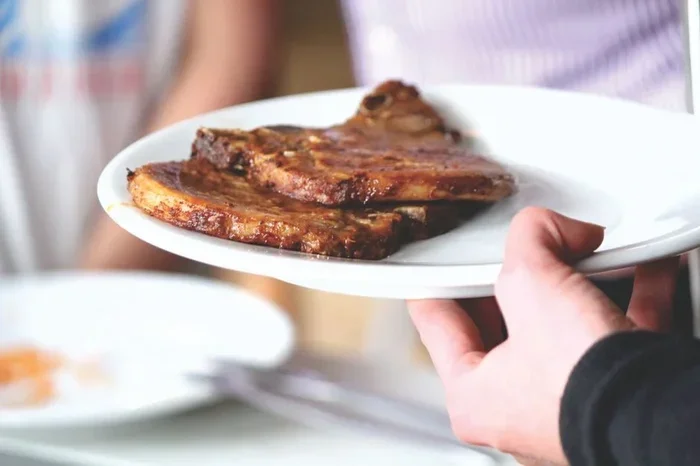
Juicy skillet pork chops are the easiest way to make a restaurant-quality meal at home. This guide covers the best cuts, cooking methods, and seasoning tips to ensure your skillet pork chops come out tender, flavorful, and perfectly juicy every single time.
Key Takeaways
- Choose thick-cut chops: Bone-in, thick-cut pork chops cook more evenly and stay juicier than thin cuts.
- Sear at high heat: A hot skillet creates a flavorful crust while locking in moisture.
- Rest your meat: Letting pork chops rest for 5 minutes keeps them tender and juicy.
- Use a meat thermometer: Pull chops at 145°F for the perfect balance of safety and tenderness.
- Season generously: Salt, pepper, garlic, and herbs elevate skillet pork chops from simple to spectacular.
- Add pan sauce: A quick pan sauce made from drippings takes your dish to the next level.
- Avoid overcooking: Thin chops dry out fast, so watch your timing closely.
📑 Table of Contents
- Why Skillet Pork Chops Are the Ultimate Weeknight Dinner
- Choosing the Right Pork Chops for Your Skillet
- Essential Seasoning for Perfect Skillet Pork Chops
- How to Cook Juicy Skillet Pork Chops on the Stovetop
- Pan Sauces That Elevate Your Skillet Pork Chops
- Common Mistakes That Make Pork Chops Dry
- Side Dishes That Pair Perfectly with Skillet Pork Chops
- Expert Tips for Restaurant-Quality Skillet Pork Chops at Home
- Conclusion
Why Skillet Pork Chops Are the Ultimate Weeknight Dinner
There is something magical about hearing pork chops sizzle in a hot skillet. The aroma fills your kitchen, and suddenly the whole house feels like a warm, welcoming place. Juicy skillet pork chops are one of those rare dishes that feel special but are actually incredibly simple to make.
Whether you are a beginner cook or a seasoned pro, cooking pork chops in a skillet gives you restaurant-quality results without any fancy equipment. The key is understanding heat, seasoning, and timing. In this guide, we walk you through everything you need to know to make the best skillet pork chops for dinner tonight.
Choosing the Right Pork Chops for Your Skillet
The secret to juicy skillet pork chops starts at the store. Not all pork chops are created equal, and picking the right cut makes a huge difference in how your final dish turns out. Let us break down the most popular options.
Bone-In vs. Boneless Pork Chops
Bone-in pork chops have a strip of bone running through the meat. This bone actually helps the chop retain moisture during cooking. It also adds flavor because the bone releases juices as it heats up. Boneless chops are easier to eat and cook a bit faster, but they can dry out more quickly if you are not careful.
For the best juicy skillet pork chops, many cooks prefer bone-in, center-cut pork chops. They offer a great balance of meat and fat, and the bone acts as a natural insulator. That means more even cooking and juicier results.
Thick-Cut vs. Thin-Cut
Thick-cut pork chops, usually about 1 to 1.5 inches, are ideal for skillet cooking. They give you more room to develop a beautiful sear without overcooking the inside. Thin-cut chops, on the other hand, can go from perfectly done to dry and tough in just a minute or two.
If all you can find are thin chops, do not worry. You can still make them work. Just keep the heat slightly lower and watch them closely. The goal is always the same: a golden crust on the outside and juicy, slightly pink meat on the inside.
Best Cuts for Skillet Cooking
- Center-cut loin chops: Well-marbled and great for searing.
- Rib chops: Rich flavor and very tender.
- Sirloin chops: Budget-friendly and surprisingly juicy when cooked right.
Essential Seasoning for Perfect Skillet Pork Chops
Seasoning is where you build the flavor foundation for your skillet pork chops. A well-seasoned chop will taste delicious even before it hits the pan. Here is how to get it right.
The Basic Seasoning Blend
Start with a generous sprinkle of kosher salt and freshly ground black pepper. This classic combo enhances the natural pork flavor without overpowering it. Many cooks season their chops ahead of time, letting them sit in the fridge for an hour or even overnight. This dry-brining step helps the salt penetrate deeper into the meat, resulting in juicier chops.
Herbs and Spices That Pair Beautifully
Once you have the basics down, consider adding these extras:
- Garlic powder or fresh minced garlic: Adds a savory depth.
- Smoked paprika: Gives a subtle smoky sweetness.
- Dried thyme or rosemary: Classic herbs that complement pork perfectly.
- Cayenne pepper: A tiny pinch adds warmth without real heat.
- Onion powder: Boosts the umami flavor naturally.
Quick Tip: Pat Chops Dry Before Seasoning
Moisture is the enemy of a good sear. Before you season your skillet pork chops, pat them dry with paper towels. This simple step helps the seasoning stick better and creates a crusty, golden exterior when the chop hits the pan. It is a small detail that makes a big difference.
How to Cook Juicy Skillet Pork Chops on the Stovetop
Now let us get to the actual cooking. Making juicy skillet pork chops on the stovetop is straightforward, but there are a few techniques that separate good from great.
Step 1: Heat Your Skillet Properly
Place a cast iron skillet or stainless steel pan over medium-high heat. Let it get hot before adding any oil. A properly heated pan ensures immediate contact between the meat and the cooking surface, which is essential for building that flavorful crust. You can test the heat by flicking a few drops of water into the pan. If they sizzle and evaporate instantly, you are ready.
Step 2: Add Oil and Sear the Chops
Add a high smoke-point oil like avocado oil or vegetable oil. Wait until the oil just begins to shimmer. Then gently lay your seasoned pork chops in the pan. Do not move them for at least 3 to 4 minutes. Letting them sit allows the bottom to develop a deep, brown crust. Resist the urge to peek and flip too early.
Step 3: Flip and Finish Cooking
Once the first side is nicely browned, flip the chops and cook the other side for another 3 to 4 minutes. Then reduce the heat to medium-low, cover the pan with a lid, and let the chops finish cooking gently. This indirect heat method helps the inside cook through without burning the outside. An alternative approach is to finish the chops in the oven at 375°F for about 8 to 10 minutes, especially for very thick cuts.
Step 4: Check the Temperature
Using a meat thermometer is the most reliable way to know when your skillet pork chops are done. Insert it into the thickest part of the chop, avoiding the bone. The USDA recommends cooking pork to 145°F. At this temperature, the meat will be slightly pink in the center and perfectly juicy. If you let it reach 160°F, the chop will still be safe but may be drier.
Step 5: Rest Before Serving
This step is non-negotiable. Remove your chops from the pan and let them rest on a plate or cutting board for at least 5 minutes. During this time, the juices redistribute throughout the meat instead of running out onto the plate. Resting is what truly makes your pork chops juicy and tender. Cover them loosely with foil to keep warm while they rest.
Pan Sauces That Elevate Your Skillet Pork Chops
A simple pan sauce can transform your skillet pork chops from a weeknight meal into something truly memorable. After you remove the chops, the bottom of the pan will have a layer of browned bits called fond. These bits are packed with flavor. Here are a few easy sauces you can make in minutes.
Garlic Butter Sauce
This is the classic. After searing your pork chops, lower the heat, add a tablespoon of butter and a few minced garlic cloves to the same pan. Stir until the butter turns golden and fragrant. Splash in a little chicken broth and a squeeze of lemon juice. Let it reduce slightly, then pour this luscious sauce right over your chops. It is rich, buttery, and absolutely delicious.
Mustard Cream Sauce
For a tangy twist, whisk whole-grain mustard into warm heavy cream with a splash of white wine. Season with salt and pepper and let it simmer until slightly thickened. This sauce pairs beautifully with pork and adds a sophisticated touch to any dinner.
Apple Cider Pan Sauce
Apple cider is a natural partner for pork. Deglaze the pan with a half cup of apple cider, scraping up the fond. Let it reduce by half, then stir in a pat of butter and a pinch of sage. The result is a sweet, savory sauce that perfectly complements juicy skillet pork chops.
Common Mistakes That Make Pork Chops Dry
Even with the best ingredients, a few common mistakes can leave you with dry, disappointing pork chops. Here is what to watch out for when making skillet pork chops.
Using a Cold Pan
If you add chops to a lukewarm pan, the meat releases moisture instead of searing immediately. Always preheat your skillet properly before adding oil and chops. This ensures a fast sear that locks in juices.
Overcrowding the Pan
Cooking too many chops at once drops the pan temperature and creates steam instead of a sear. Cook in batches if needed. Giving each chop enough space ensures even browning and better texture.
Skipping the Rest
Cutting into a pork chop right away sends all those precious juices running onto the plate. Give your meat time to relax. Five minutes is usually enough. This one habit alone can dramatically improve your results.
Overcooking
Pork chops continue cooking slightly after you remove them from the pan due to carryover cooking. Pull them off heat just before they hit your target temperature. This prevents them from drying out. A good rule is to remove them at about 140°F and let carryover cooking bring them up to 145°F while they rest.
Side Dishes That Pair Perfectly with Skillet Pork Chops
Once you have mastered the perfect juicy skillet pork chops, you want to round out the meal. Here are some side dishes that complement pork beautifully.
- Creamy mashed potatoes: A classic pairing that soaks up pan sauces wonderfully.
- Roasted green beans: Adds a fresh, slightly crispy contrast.
- Scalloped potatoes or gratin: Rich and indulgent, perfect for a special dinner.
- Simple mixed greens salad: A light option that balances the richness of the pork.
- Cornbread or dinner rolls: Great for mopping up every last drop of sauce.
Expert Tips for Restaurant-Quality Skillet Pork Chops at Home
Here is some insider advice to take your skillet pork chops to the next level.
- Use a cast iron skillet: Cast iron holds heat beautifully and creates the best possible sear. It is the gold standard for cooking pork chops.
- Add aromatics while cooking: Throwing a few sprigs of fresh thyme or rosemary into the pan while the chops cook infuses the oil with extra flavor.
- Try a brine for extra juiciness: Soaking chops in a simple saltwater brine for 30 minutes to 2 hours before cooking helps them retain more moisture during cooking.
- Baste the chops: While the chops cook, tilt the pan and spoon the hot, flavored oil over the top of the chops repeatedly. This technique speeds up cooking and adds incredible flavor.
- Do not flip more than once: Flip the chops only one time during cooking. Multiple flips prevent a good crust from forming and can lead to uneven cooking.
Conclusion
Making the best juicy skillet pork chops at home is easier than you might think. The key is choosing quality cuts, seasoning generously, searing at high heat, and letting your meat rest properly. With these techniques and a little practice, you will consistently serve tender, flavorful pork chops that your family will love. Skillet pork chops are versatile, satisfying, and perfect for any weeknight dinner. Tonight, skip the takeout and treat yourself to a sizzling pan of juicy skillet pork chops. You will be glad you did.
Frequently Asked Questions
How long should I cook skillet pork chops on each side?
For thick-cut pork chops, sear each side for about 3 to 4 minutes over medium-high heat. Then finish cooking with the pan covered or in the oven until the internal temperature reaches 145°F. Thin chops need less time, about 2 to 3 minutes per side, so keep an eye on them.
Should I cover the pan when cooking pork chops in a skillet?
It is best to sear uncovered first to build a crust, then cover with a lid to finish cooking gently. Covering traps steam and helps the inside cook through evenly without burning the outside. This two-step method gives you the best results.
What temperature should pork chops be when done?
The ideal internal temperature for juicy pork chops is 145°F measured with a meat thermometer. At this temperature, the meat may still be slightly pink in the center, which is perfectly safe and much more tender than well-done pork.
Can I use a non-stick skillet instead of cast iron?
Yes, you can use a non-stick skillet, but cast iron or stainless steel produces a better crust and more flavor. If you only have a non-stick pan, make sure it is properly preheated and avoid using metal utensils that could scratch the surface.
How can I make my pork chops more flavorful?
Season generously with salt, pepper, garlic, and herbs. Brining beforehand adds juiciness, and finishing with a pan sauce made from butter, broth, or wine takes the flavor to another level. Using fresh herbs instead of dried also makes a noticeable difference.
Are bone-in pork chops better than boneless for skillet cooking?
Bone-in pork chops are generally preferred for skillet cooking because the bone helps retain moisture and adds flavor. However, boneless chops can still turn out great if you pay close attention to cooking time and temperature to prevent drying out. Both options work well with proper technique.