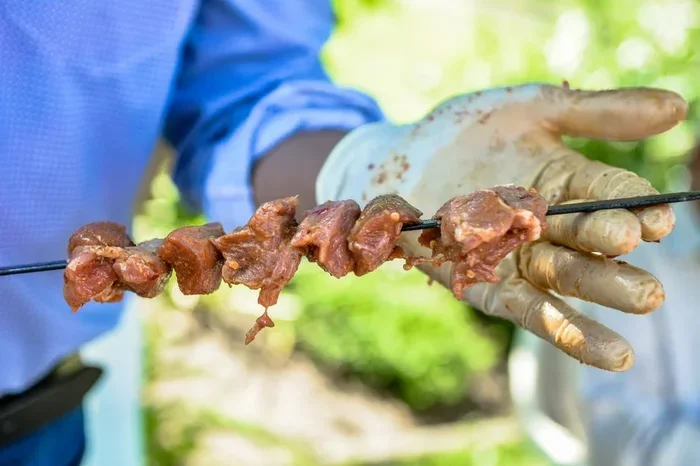
Marinating pork overnight ensures tender, flavorful meat. Explore our ultimate guide to master this technique and impress your guests!
Marinate Pork Overnight: Perfect Tender Results
Tired of dry, bland pork chops or tough, chewy pork tenderloins? Marinating pork overnight can transform these cuts into tender, succulent masterpieces bursting with flavor. In this comprehensive guide, we’ll share expert tips and step-by-step instructions to help you achieve perfect pork perfection every time.
Why Marinate Pork Overnight?
Marinating pork overnight allows the flavors and tenderizing agents to penetrate deeper into the meat, breaking down tough fibers and infusing it with delicious seasonings. This process results in more tender, juicy, and flavorful pork that will impress your family and friends.
Understanding Pork Cuts
Different cuts of pork require varied marinating times and techniques. Here are some popular cuts and their ideal marinating durations:
– Pork Chops (Boneless & Bone-in): 2-6 hours or overnight
– Pork Tenderloin: 2-4 hours or overnight
– Pork Shoulder/Boston Butt: 4-12 hours or overnight
– Pork Belly/Bacon: 2-12 hours or overnight
– Pork Ribs: 2-12 hours or overnight
The Science Behind Marinating
Marinades are composed of three primary components: acid, oil, and seasonings. Each plays a crucial role in transforming pork:
1. Acid (e.g., citrus juice, vinegar, wine, yogurt): Breaks down tough fibers, tenderizes, and enhances flavor.
2. Oil (e.g., olive oil, vegetable oil, melted butter): Helps carry flavors into the meat and prevents it from drying out during cooking.
3. Seasonings (e.g., herbs, spices, garlic, onions): Infuse meat with delicious flavors and aromas.
Choosing the Perfect Marinade
Experiment with various marinade combinations to find your favorite flavors. Here are some popular marinade ideas for pork:
1. Asian-Inspired: Soy sauce, honey, garlic, ginger, and sesame oil
2. Latin-Inspired: Lime juice, olive oil, cumin, chili powder, and cilantro
3. Italian-Inspired: Olive oil, red wine vinegar, garlic, rosemary, and juniper berries
4. Mediterranean-Inspired: Lemon juice, olive oil, oregano, thyme, and garlic
5. Sweet & Spicy: Brown sugar, chili sauce, lime juice, and garlic
How to Marinate Pork Overnight: Step-by-Step
1. Prepare Your Marinade: Combine your chosen marinade ingredients in a bowl or zip-top bag.
2. Prick the Pork: Using a fork or knife, prick the pork on both sides to allow the marinade to penetrate deeper. Be careful not to over-prick, as this can cause the meat to release too much liquid during cooking.
3. Coat the Pork: Place the pork in a large zip-top bag or non-reactive bowl. Pour the marinade over the pork, ensuring it’s evenly coated. Seal the bag or cover the bowl.
4. Marinate: Refrigerate the pork for at least 2 hours, or preferably overnight (up to 24 hours), turning it occasionally to ensure even marination.
5. Cook Immediately: After marinating, remove the pork from the marinade and pat it dry with paper towels. Discard the used marinade to prevent cross-contamination. Cook the pork according to your preferred method (grilling, roasting, pan-searing, etc.).
Quick Tips for Marinating Pork Overnight
– Use non-reactive containers: Marinate pork in glass, stainless steel, or plastic containers to avoid chemical reactions between the marinade and the container.
– Keep it cold: Always marinate pork in the refrigerator to prevent bacterial growth.
– Avoid over-marinating: Prolonged marinating can make pork mushy and oversaturate it with liquid, leading to uneven cooking and a less-than-desirable texture.
– Baste during cooking: Reserve some of the marinade (before adding raw pork) to baste the pork during cooking, enhancing its flavor and keeping it moist.
Common Mistakes to Avoid
– Not planning ahead: Marinating pork overnight requires preparation. Don’t leave it to the last minute!
– Using too much acid: Too much acid can toughen the pork’s surface and make it dry during cooking. Balance acid with oil and seasonings.
– Marinating at room temperature: Marinating pork at room temperature encourages bacterial growth and can make you sick.
– Reusing marinade: Used marinade can harbor bacteria and make you ill. Always discard it after marinating.
Expert Insights
– For extra tender results, add an enzyme: Pineapple, papaya, or kiwi contain enzymes that help break down tough fibers. Include them in your marinade for even more tender pork.
– Score fat: Before marinating, score the fat on pork chops or roasts to help the marinade penetrate deeper and enhance flavor.
Conclusion
Marinating pork overnight is an easy, effective way to ensure tender, delicious results every time. By understanding the science behind marinating, choosing the perfect marinade, and following our step-by-step guide, you’ll become a pork marination master. So go ahead, impress your family and friends with your newfound skills, and enjoy perfectly marinated pork night after night!
Key Takeaways
- Plan Ahead: Marinate pork for at least 2 hours, preferably overnight, for best results.
- Choose Your Marinade: Select a balance of acid, oil, and seasonings for optimal tenderness and flavor.
- Consider the Cut: Different cuts of pork require varied marinating times and techniques.
- Avoid Over-Marinating: Prolonged marinating can make pork mushy and oversaturate it with liquid.
- discard Used Marinade: For food safety, discard the used marinade to prevent cross-contamination.
- Cook Immediately: After marinating, cook pork immediately for the best texture and flavor.
Frequently Asked Questions
**
How long should I marinate pork for best results?
Marinate pork for at least 2 hours, but preferably overnight (up to 24 hours) for optimal tenderness and flavor.
Can I reuse marinade after marinating pork?
No, for food safety reasons, always discard used marinade to prevent cross-contamination.
What happens if I marinate pork for too long?
Over-marinating can make pork mushy, oversaturated with liquid, and may cause it to break apart during cooking.
Should I marinate pork at room temperature?
No, marinating at room temperature encourages bacterial growth. Always marinate pork in the refrigerator.
Can I use a sharp object to tenderize pork before marinating?
Yes, using a fork, meat mallet, or sharp knife to prick or score pork helps the marinade penetrate deeper and tenderize the meat.
Can I marinate pork in the oven?
No, marinating pork in the oven is not recommended. The oven’s heat will cause the marinade to break down and may lead to uneven cooking. Always marinate pork in the refrigerator.