
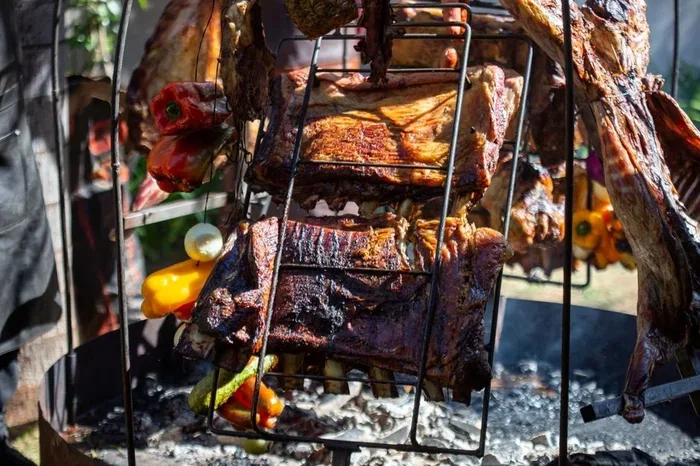
Finding the right cooking time for a standing rib roast can be tricky, but our detailed chart and tips make it simple. Whether you prefer a rare, medium-rare, or well-done roast, this guide covers temperatures, timing, and techniques for a perfect standing rib roast every time. Learn how to cook, rest, and serve a show-stopping prime rib like a pro.
There is nothing quite like a perfectly roasted standing rib roast sitting on the holiday table. The aroma fills the kitchen, the slices are tender and juicy, and everyone gathers around expecting a masterpiece. But here is the thing many home cooks learn the hard way: nailing the cooking time for standing rib roast is not just about setting a timer.
A standing rib roast is one of the most impressive cuts of beef you can prepare. It is also one of the most forgiving, as long as you understand a few key principles. This guide walks you through everything you need to know, from choosing the right roast to pulling it from the oven at the perfect moment.
Whether you are a beginner or a seasoned home cook, this standing rib roast chart and the tips below will help you serve a roast that earns a standing ovation. Let us dive in.
Key Takeaways
- Plan for 15-20 minutes per pound: This is the general rule for cooking time for standing rib roast at 325°F.
- Use a meat thermometer: Internal temperature is the most reliable way to judge doneness for rib roast.
- Rest the roast for 20-30 minutes: Letting the roast sit after cooking keeps juices locked in.
- Sear before roasting: A hot sear creates a flavorful crust that locks in moisture.
- Bone-in vs boneless matters: Bone-in roasts take slightly longer and add more flavor.
- Low and slow works best: A lower oven temperature ensures even cooking from edge to center.
📑 Table of Contents
Understanding the Standing Rib Roast
A standing rib roast comes from the primal rib section of the cow. It includes anywhere from two to seven ribs and can weigh between 3 and 10 pounds. The bones run vertically through the roast, which is where the name “standing” comes from. This cut is also commonly called prime rib at the butcher counter.
There are two main types you will encounter:
- Bone-in rib roast: The ribs stay attached. They add flavor during cooking and make the roast look stunning on the table.
- Boneless rib roast: The bones are removed. It is easier to slice and often cooks a bit faster.
Both options work beautifully. The choice comes down to presentation preference and how much time you have. Bone-in roasts generally need a little extra cooking time because the bones slow heat transfer. If you are using a cooking time for standing rib roast chart, make sure you know which type you are working with.
The Ultimate Cooking Time for Standing Rib Roast Chart
The chart below gives you a reliable starting point. It is based on roasting at 325°F, which is the most common and recommended temperature for a standing rib roast.
Cooking Time by Weight and Doneness
Use this standing rib roast chart as your go-to reference. Times are approximate and based on a bone-in roast at 325°F.
- 3-4 pounds: 45-60 minutes for rare, 60-75 minutes for medium-rare, 75-90 minutes for well-done.
- 5-6 pounds: 60-80 minutes for rare, 80-100 minutes for medium-rare, 100-120 minutes for well-done.
- 7-8 pounds: 80-100 minutes for rare, 100-125 minutes for medium-rare, 125-150 minutes for well-done.
- 9-10 pounds: 100-120 minutes for rare, 120-150 minutes for medium-rare, 150-180 minutes for well-done.
These times give you a rough estimate. The real secret to perfect roast beef is the internal temperature, not the clock. Always use a meat thermometer to check the thickest part of the roast, away from the bone.
Target Internal Temperatures
Here is what the USDA and most chefs recommend for different levels of doneness:
- Rare: 120-125°F
- Medium-Rare: 130-135°F (this is the most popular choice)
- Medium: 140-145°F
- Well-Done: 155-160°F
Remember that the temperature will rise 5-10 degrees after you pull the roast from the oven. This is called carryover cooking. So if you want a medium-rare rib roast, pull it at 125-130°F and let it rest.
Step-by-Step Guide to Roasting a Standing Rib Roast
Now that you have the standing rib roast chart memorized, let us walk through the actual cooking process. Following these steps will give you consistent, restaurant-quality results every single time.
Step 1: Prep the Roast the Night Before
Take the roast out of the refrigerator about 2 hours before cooking. Let it sit at room temperature. This simple step helps the roast cook more evenly. A cold roast going into a hot oven creates uneven results, with the outside overcooked while the center is still cold.
While the roast comes to room temperature, pat it dry with paper towels. Moisture is the enemy of a good sear. The drier the surface, the better the crust will be.
Step 2: Season Generously
Keep it simple for the best results. Salt, black pepper, and garlic powder work wonders. Some cooks like to add rosemary, thyme, or a smear of mustard powder. Apply the seasoning generously over all sides of the roast.
For extra flavor, you can make a paste with minced garlic, fresh herbs, and olive oil. Rub it all over the roast and let it sit uncovered in the fridge overnight. The dry brine helps the seasonings penetrate deep into the meat.
Step 3: Sear Before Roasting
This step is optional but highly recommended. Heat a large skillet or Dutch oven over high heat with a little oil. Sear the roast on all sides until you get a deep brown crust. This should take about 2-3 minutes per side.
The sear does two important things. First, it adds incredible flavor through the Maillard reaction. Second, it creates a barrier that helps lock in juices during the longer slow roast in the oven.
If you do not have time to sear, the roast will still turn out great. The sear is a flavor booster, not a requirement.
Step 4: Roast According to the Chart
Place the roast fat-side up on a rack in a roasting pan. Put it in a preheated oven at 325°F. Use the cooking time for standing rib roast chart above to estimate your total time.
Do not open the oven door too often. Every time you open it, heat escapes and your cooking time gets longer. Trust the process and check the temperature only when you are close to the estimated finish time.
Step 5: Rest the Roast
Once the roast hits your target temperature, pull it out and tent it loosely with aluminum foil. Let it rest for 20-30 minutes. This step is non-negotiable.
During resting, the juices redistribute throughout the meat. If you skip this step and slice immediately, those juices will run all over your cutting board instead of staying in the roast. A proper resting period makes the difference between good and great.
Common Mistakes to Avoid
Even experienced cooks can trip up when preparing a beef roast. Here are the most common mistakes and how to avoid them.
Skipping the Meat Thermometer
This is the number one mistake. Cooking by time alone is unreliable. Every oven is different, and roasts vary in size and shape. A meat thermometer takes the guesswork out completely. Invest in a good instant-read thermometer and use it every time.
Cooking at Too High a Temperature
Some recipes call for starting at a high temperature and then lowering it. While this works for some cuts, a steady 325°F is the safest bet for a standing rib roast. High heat can burn the outside while leaving the inside undercooked.
Not Letting the Roast Rest
We mentioned this above, but it is worth repeating. Cutting into a hot roast right out of the oven is the fastest way to end up with dry, tough slices. Give it time. The resting period is when the magic happens.
Overcooking the Roast
It is easy to overshoot your target temperature, especially if you leave the roast in too long. Remember the carryover effect. Pull the roast early and let the residual heat do the rest. A slightly undercooked roast that rests properly will be juicier than an overcooked one.
Expert Tips for the Perfect Rib Roast
Here are some pro tips that separate a good roast from a great one:
- Choose a well-marbled roast. The fat marbling melts during cooking and keeps the meat tender and flavorful. Look for bright red meat with white streaks of fat throughout.
- Use a wire rack in the roasting pan. This allows hot air to circulate around the roast evenly. It also keeps the bottom from sitting in grease and getting soggy.
- Calculate based on weight. A good rule of thumb is 15-20 minutes per pound at 325°F for a medium-rare standing rib roast. Adjust based on your desired doneness.
- Save the drippings. The juices left in the roasting pan make an incredible gravy. Simply deglaze with beef broth and whisk over medium heat.
- Let the roast come to room temperature. This small step can shave 15-20 minutes off your total cook time and ensure more even results.
Serving Suggestions and Pairings
A perfectly cooked prime rib deserves the right sides. Here are some classic pairings that complement a bone-in rib roast:
- Mashed potatoes: Creamy and buttery, they soak up the rich beef juices beautifully.
- Roasted root vegetables: Carrots, parsnips, and Brussels sprouts roast alongside the beef for an effortless one-pan meal.
- Green beans almondine: A light, nutty side dish that balances the richness of the roast.
- Creamy horseradish sauce: A classic pairing that adds a nice kick to each slice.
- Red wine jus: Made from the pan drippings, this elegant sauce takes the dish to restaurant quality.
If you are looking for inspiration on side dishes or a full holiday menu, check out our Super Easy Cookbook for Beginners for simple yet impressive recipes that pair well with any roast beef dinner.
Frequently Asked Questions
How long does it take to cook a standing rib roast at 325°F?
As a general rule, plan for about 15-20 minutes per pound at 325°F. A 5-pound roast will take roughly 75-100 minutes depending on your desired level of doneness. Always use the cooking time for standing rib roast chart as a guide and confirm with a meat thermometer.
Should I cover my rib roast with foil while cooking?
No, leave the roast uncovered during cooking. This allows the heat to circulate freely and creates a nice crust on the outside. You only need to tent it with foil during the resting period after it comes out of the oven.
What is the best temperature for a standing rib roast?
325°F is the recommended temperature for most standing rib roast recipes. It provides a good balance between cooking time and even heat distribution. Some cooks prefer 225°F for a slower, more hands-off approach, but 325°F is the standard.
How do I know when my rib roast is done?
The most reliable way is to use a meat thermometer. For medium-rare, aim for an internal temperature of 130-135°F. Remember that the temperature will continue to rise 5-10 degrees during the resting period due to carryover cooking.
Can I cook a standing rib roast in a Dutch oven?
Yes, a Dutch oven works wonderfully for a standing rib roast. It provides excellent heat retention and distributes warmth evenly. If you are looking for a quality Dutch oven, our guide on the best stainless steel Dutch oven for bread can help you find the right one for roasting as well.
How long should I let the roast rest before slicing?
Let the roast rest for at least 20-30 minutes after pulling it from the oven. Tent it loosely with foil to keep it warm. This resting period allows the juices to redistribute, which makes every slice tender and flavorful.
Final Thoughts
Cooking a standing rib roast does not have to be intimidating. With the right cooking time for standing rib roast chart, a reliable thermometer, and a little patience, you can serve a roast that rivals any steakhouse. The key is to plan ahead, season generously, and trust the process.
Remember to account for the resting time, pull the roast at the right temperature, and let carryover cooking do the final work. Whether you are preparing a holiday dinner for family or a weekend feast for friends, a perfectly roasted bone-in rib roast is one of the most rewarding things you can make in the kitchen.
Keep this guide bookmarked, use the chart, and you will never second-guess your roast again. Happy cooking!



