A filet mignon roast temperature chart is the ultimate tool for cooking a perfect steak every single time. Knowing the right internal temperature ensures your beef tenderloin turns out juicy, tender, and cooked exactly how you like it. This guide covers doneness levels, cooking times, and pro tips for pan-seared and oven-broiled methods. Whether you are a beginner or a seasoned cook, this temperature guide will elevate your roast game.
Cooking a filet mignon roast can feel intimidating. There are so many variables to think about. Oven temperature, cooking time, resting period, and of course, the internal temperature. But here is the good news. With the right filet mignon roast temperature chart, you can skip the stress and focus on the fun part: eating a perfect roast.
A temperature guide like this one takes all the guesswork out of the equation. You will know exactly when your beef tenderloin is done to your liking. No more guessing. No more cutting into the meat too early and losing all those delicious juices. This article walks you through everything you need to know about cooking a juicy steak roast using reliable temperatures and simple techniques.
Key Takeaways
- Use a meat thermometer: The only way to get perfect results every time is to check the internal temperature at the thickest part of the roast.
- Rest your meat: Letting the roast rest for 5-10 minutes after cooking keeps the juices locked in for a juicy steak experience.
- Know your doneness levels: From rare to well-done, each level has a specific temperature range that changes the texture and flavor.
- Sear before roasting: A hot pan-seared crust adds flavor and creates a beautiful golden-brown finish.
- Follow the chart: A reliable filet mignon roast temperature chart removes the guesswork and takes the stress out of cooking.
📑 Table of Contents
- Why Temperature Matters for Filet Mignon Roast
- The Complete Filet Mignon Roast Temperature Chart
- How to Cook Filet Mignon Roast Like a Pro
- Common Mistakes to Avoid When Cooking Filet Mignon Roast
- Expert Tips for the Perfect Filet Mignon Roast
- Comparing Cooking Methods for Filet Mignon Roast
- Storing and Reheating Leftover Roast
- Safety Tips for Cooking Beef Roast
- Conclusion
Why Temperature Matters for Filet Mignon Roast
The filet mignon roast temperature chart matters because beef is a delicate protein. Cook it too long and it dries out. Cook it too little and it may not be safe. The USDA recommended minimum internal temperature for beef is 145 degrees Fahrenheit. But most steak lovers prefer their roast at a lower temperature for the best texture and flavor.
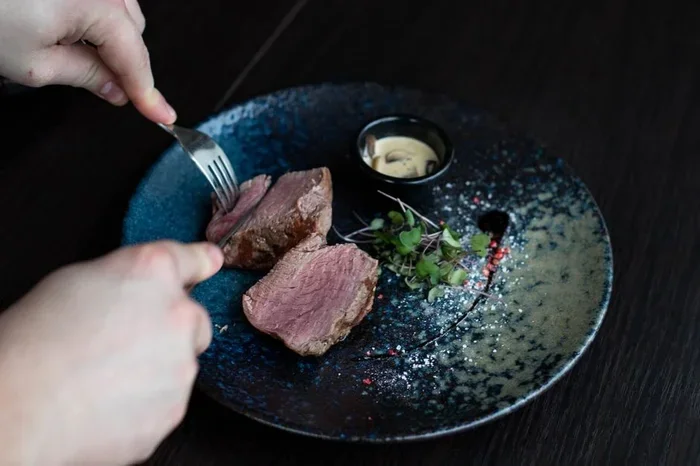
A medium-rare filet mignon has a pink center that is warm and juicy. A medium roast has a slightly firmer texture with a hint of pink. And a well-done roast is cooked through with no pink at all. Each level changes the eating experience completely. This is why having a solid temperature guide is so important.
Understanding Doneness Levels
Not all steak lovers want the same thing. Some people love a rare roast with a cool red center. Others prefer a medium-rare filet that is warm and soft. Here is a quick breakdown of the doneness levels you will see on any good filet mignon roast temperature chart.
- Rare: 120-125 degrees Fahrenheit. A cool red center with a very soft texture.
- Medium-Rare: 130-135 degrees Fahrenheit. A warm pink center. This is the most popular choice for juicy steak lovers.
- Medium: 140-145 degrees Fahrenheit. A slight pink center with a firmer bite.
- Medium-Well: 150-155 degrees Fahrenheit. Very little pink. A firmer texture throughout.
- Well-Done: 160 degrees Fahrenheit and above. No pink at all. Fully cooked through.
Most chefs and steak experts recommend medium-rare for filet mignon. This is where the beef tastes the most tender and flavorful. The pink center stays moist and the resting time after cooking lets the juices settle back into the meat. If you are new to roasting beef, start with medium-rare and adjust from there.
The Complete Filet Mignon Roast Temperature Chart
A good filet mignon roast temperature chart gives you more than just doneness levels. It also tells you what oven temperature to use, how long to cook the roast, and when to pull it from the heat. Here is a complete breakdown you can follow every time.
Oven Temperature Settings
The oven temperature you choose depends on how you want to cook your roast. For a slow and even cook, set your oven to 325 degrees Fahrenheit. This low and steady heat lets the beef tenderloin cook gently without drying out. If you want a faster cook with a nice crust, you can start at 425 degrees Fahrenheit for the first 15 minutes and then reduce to 325 degrees.
For those who prefer a pan-seared method, you will want a hot skillet first. Sear the roast on all sides over high heat. Then transfer it to a 325-degree oven to finish cooking. This two-step approach gives you a flavorful crust and a perfectly cooked center.
Cooking Time Guidelines
Cooking time depends on the size of your roast. A 2-pound filet mignon roast will cook faster than a 4-pound roast. Here is a general guide based on weight and doneness levels.
- 2-pound roast at 325 degrees Fahrenheit:
- Rare: 25-30 minutes
- Medium-Rare: 30-35 minutes
- Medium: 35-40 minutes
- Well-Done: 40-45 minutes
- 4-pound roast at 325 degrees Fahrenheit:
- Rare: 45-55 minutes
- Medium-Rare: 55-65 minutes
- Medium: 65-75 minutes
- Well-Done: 75-85 minutes
These times are estimates. The only way to know for sure is to use a meat thermometer. Insert it into the thickest part of the roast, away from the bone or fat. The internal temperature will tell you exactly where you stand on the doneness levels chart.
How to Cook Filet Mignon Roast Like a Pro
Now that you have your filet mignon roast temperature chart, let us talk about the actual cooking process. Following the right steps makes a huge difference in the final result. You want a roast that is golden brown on the outside and perfectly pink on the inside.
Step 1: Prep Your Roast
Take your beef tenderloin out of the refrigerator about 30 minutes before cooking. Leting it come to room temperature helps it cook more evenly. A cold roast going into a hot oven will cook unevenly, with the outside overcooked and the center still cold.
Pat the roast dry with paper towels. This is a key step for getting a good sear. Moisture on the surface creates steam instead of a crispy crust. Season your roast generously with salt, pepper, and any herbs you like. Garlic powder, rosemary, and thyme all work beautifully with filet mignon.
Step 2: Sear the Roast
Heat a cast-iron skillet over high heat. Add a high-smoke-point oil like avocado or grapeseed oil. Once the oil is shimmering, place the roast in the skillet. Let it sear for 2-3 minutes on each side. You want a deep golden-brown crust all around the roast.
If you want extra flavor, add a few cloves of garlic and sprigs of rosemary to the skillet during the sear. The butter and aromatics will infuse into the crust. This is a simple technique that takes your juicy steak to the next level. Just be careful not to burn the garlic.
Step 3: Roast in the Oven
Transfer the seared roast to a baking sheet or oven-safe pan. Place it in a preheated 325-degree Fahrenheit oven. Cook until the internal temperature reaches 5 degrees below your target doneness level. This is because the temperature will continue to rise during resting time. This carryover cooking is an important part of the process.
For example, if you want a medium-rare roast at 135 degrees, pull it out of the oven when it hits 130 degrees. The resting time will bring it up to the perfect 135 degrees.
Step 4: Rest the Meat
Resting time is just as important as cooking time. When you pull a roast from the oven, the juices inside are under a lot of pressure. Cutting into it right away lets all those juices run out onto the cutting board. That is a juicy steak wasted.
Instead, let the roast rest on a cutting board for 5-10 minutes. Tent it loosely with high-temperature plastic wrap to keep it warm without trapping too much steam. During this time, the juices redistribute throughout the meat. When you finally cut in, every slice will be moist and full of flavor.
Here is a quick tip. If you want to use high-temperature plastic wrap for covering your roast during resting, make sure it is rated for cooking temperatures. Not all plastic wraps can handle the heat. Check the packaging to be safe.
Common Mistakes to Avoid When Cooking Filet Mignon Roast
Even experienced cooks make mistakes. But knowing what to avoid can save your roast from disaster. Here are the most common errors people make when cooking a filet mignon roast.
Skipping the Meat Thermometer
This is the number one mistake. You cannot rely on color or touch alone. A meat thermometer is the only tool that gives you accurate results. The filet mignon roast temperature chart is useless if you do not actually measure the temperature. Invest in a good instant-read thermometer. It is one of the best kitchen tools you can own.
Not Letting the Roast Rest
Cutting into a roast right after it comes out of the oven is tempting. But it is a mistake. The resting time allows the juices to settle. Without it, your perfectly cooked roast will be dry and less flavorful. Set a timer and be patient. Those extra minutes make all the difference.
Overcooking the Roast
Filet mignon is a lean cut of beef. It does not have a lot of fat to keep it moist. This means it can go from perfect to overcooked very quickly. Always pull the roast a few degrees early. The carryover cooking will bring the internal temperature up during resting. If you wait until the thermometer hits your exact target, you will likely overshoot it.
Starting with a Cold Roast
Putting a cold roast straight into the oven leads to uneven cooking. The outside cooks much faster than the inside. Always let your beef tenderloin sit at room temperature for about 30 minutes before cooking. This small step leads to much better and more consistent results.
Expert Tips for the Perfect Filet Mignon Roast
Want to take your roast to the next level? Here are some expert tips that professional chefs use in their kitchens.
- Use a sharp knife: A dull knife tears the meat instead of cutting it cleanly. Keep your blade sharp for the best slices. Check out our guide on how to sharpen a filet knife for tips.
- Sear in batches: If your roast is large, do not crowd the skillet. Sear in batches to maintain high heat and get a proper crust on every side.
- Add compound butter: After resting, top each slice with a dollop of garlic herb butter. It adds richness and flavor that complements the tender beef perfectly.
- Try sous vide first: For ultra-precise cooking, you can cook the roast sous vide to your exact target temperature before searing. This method gives you complete control over the doneness levels.
- Save the drippings: The pan drippings from searing are liquid gold. Use them to make a quick pan sauce with beef broth and a splash of red wine.
Another great tip is to keep a roast beef cooking journal. Write down the weight of the roast, the oven temperature, the cooking time, and the final internal temperature. Over time, you will build your own personal data for the perfect roast. This makes it even easier to nail it every single time.
Comparing Cooking Methods for Filet Mignon Roast
There are several ways to cook a filet mignon roast. Each method has its own advantages. Here is a quick comparison to help you choose the best approach.
| Method | Best For | Cook Time | Flavor Profile |
|---|---|---|---|
| Oven-Broiled | Even cooking, tender results | 30-85 minutes | Mild, clean beef flavor |
| Pan-Seared + Oven | Crispy crust, restaurant-quality | 35-90 minutes total | Rich, caramelized exterior |
| Sous Vide + Sear | Precision cooking, edge-to-edge pink | 1-2 hours sous vide + sear | Perfectly even doneness |
| Slow Cooker | Hands-off, tender pull-apart roast | 4-6 hours on low | Melt-in-your-mouth texture |
If you prefer a slow and easy approach, you might enjoy trying 24 Crockpot Beef Roast Recipes That Are Juicy Tender. While a crockpot is not the traditional method for filet mignon, it can work well for larger beef roasts when you want a set-it-and-forget-it approach. The low and slow cooking method keeps the meat tender and moist.
For the classic steakhouse experience, the pan-seared and oven-roasted method is hard to beat. The high heat of the skillet creates a flavorful Maillard reaction on the surface. This is what gives restaurant-quality roasts their deep, savory crust. Pair it with the right oven temperature and a reliable filet mignon roast temperature chart, and you will get results that rival any steakhouse.
If you are new to cooking beef roasts, the oven-broiled method is the simplest place to start. You just set the temperature, put the roast in, and let the oven do the work. Just remember to check the internal temperature regularly with your meat thermometer. This keeps you in control and prevents overcooking.
Storing and Reheating Leftover Roast
Sometimes you cook more roast than you can eat in one sitting. That is actually a good thing. Leftover filet mignon makes incredible sandwiches, salads, and stir-fries the next day. Here is how to store and reheat your roast properly.
Let the roast cool to room temperature before storing. Wrap it tightly in plastic wrap or aluminum foil. Place it in an airtight container and refrigerate within two hours. Properly stored leftover roast will keep in the fridge for 3-4 days.
When you are ready to reheat, the goal is to warm the meat gently without drying it out. The best method is to slice the roast and reheat the slices in a skillet over low heat with a splash of beef broth. Cover the skillet to trap moisture. Alternatively, you can reheat slices in the microwave at 50% power in short 30-second intervals. This keeps the meat from cooking further and turning tough.
Avoid reheating a whole roast in the oven. The dry heat will zap the moisture right out of the meat. You want to preserve that tender, juicy steak texture even on day two.
Safety Tips for Cooking Beef Roast
Cooking beef safely is just as important as cooking it deliciously. Here are a few food safety tips to keep in mind.
- Wash your hands: Always wash your hands with warm water and soap after handling raw beef. This prevents cross-contamination in the kitchen.
- Clean your surfaces: Sanitize any cutting boards, knives, or countertops that touched raw meat. Use hot soapy water or a food-safe sanitizer.
- Check the USDA recommended temperature: The safe minimum internal temperature for beef roast is 145 degrees Fahrenheit. Always let the roast rest for at least 3 minutes after cooking to ensure food safety.
- Do not leave raw meat out: Keep your beef tenderloin refrigerated until you are ready to cook it. Do not leave it on the counter for more than 30 minutes before cooking.
Following these simple safety tips ensures that your roast is not only delicious but also safe to eat. Food safety should always come first in any kitchen, whether you are a beginner or a seasoned cook.
Conclusion
A filet mignon roast temperature chart is one of the most valuable tools you can have in your kitchen. It takes the guesswork out of cooking and gives you confidence with every roast. From choosing the right oven temperature to knowing exactly when to pull the roast, a reliable temperature guide makes all the difference.
Remember to always use a meat thermometer. Let your roast rest properly. And never skip the sear. These simple steps will help you cook a juicy steak roast that impresses everyone at the table. Whether you prefer medium-rare or well-done, the right internal temperature is the key to perfect results every time.
So grab your beef tenderloin, fire up the oven, and put that filet mignon roast temperature chart to work. You will be amazed at how easy it is to cook a restaurant-quality roast right in your own kitchen. Happy cooking.
Frequently Asked Questions
What is the best temperature for a filet mignon roast?
The best temperature depends on your preference. For a medium-rare roast, pull it at 130-135 degrees Fahrenheit. For medium, aim for 140-145 degrees. A meat thermometer is essential for getting these temperatures right. Always remember that the temperature will rise a few degrees during resting.
How long should I rest a filet mignon roast after cooking?
Let the roast rest for 5-10 minutes after cooking. This resting time allows the juices to redistribute throughout the meat. Cutting too early will cause the juices to run out, leaving you with a drier roast. Tent it loosely with foil or high-temperature plastic wrap to keep it warm.
Can I use a slow cooker for filet mignon roast?
While filet mignon is best cooked with dry heat methods like roasting or pan-searing, you can use a slow cooker for larger beef roasts. Check out our 22 Slow Cooker Mississippi Pot Roast Recipe for inspiration on slow-cooked beef roasts. Just keep in mind that slow cooking works better with cuts that have more marbling.
Do I need to bring the roast to room temperature before cooking?
Yes, this is a highly recommended step. Letting the beef tenderloin sit at room temperature for 30 minutes before cooking ensures more even cooking. A cold roast in a hot oven will have an overcooked exterior and a cold center. This small prep step makes a big difference.
What is the difference between filet mignon roast and regular roast beef?
Filet mignon comes from the smaller end of the beef tenderloin. It is the most tender cut of beef but leaner than other roasts. Regular roast beef can come from various cuts and often has more fat and marbling. The filet mignon roast temperature chart is specifically designed for this lean, tender cut.
How do I know if my filet mignon is medium-rare without a thermometer?
The touch test is an old-school method but not very reliable. Press the center of the roast with your finger. For medium-rare, it should feel soft and springy, like the fleshy part of your palm below your thumb when your hand is relaxed. However, a meat thermometer is always the best and most accurate way to check doneness.
=== URL SLUG ===
/filet-mignon-roast-temperature-chart