
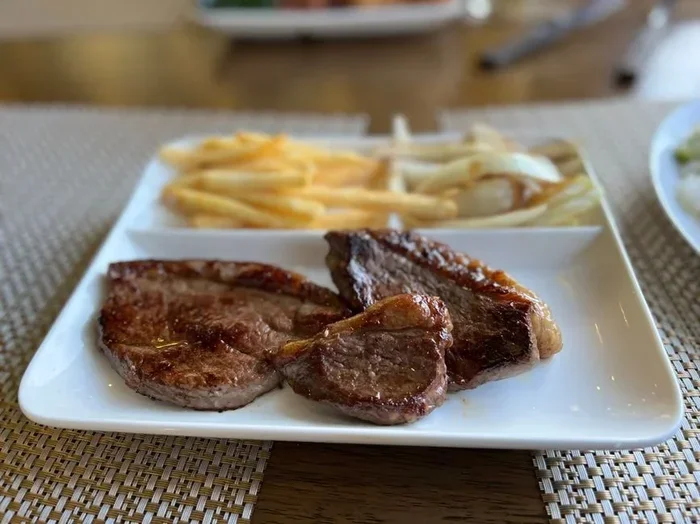
A filet mignon temp chart is your go-to tool for cooking the perfect steak every single time. Whether you prefer rare, medium, or well done, knowing the exact internal temperature makes all the difference. This guide covers everything from steak doneness levels to practical tips for using a meat thermometer like a pro.
Cooking a great filet mignon starts with one simple thing: temperature. If you have ever bitten into a steak that was gray and overdone or raw in the middle, you know how frustrating bad cooking can be. The good news is that a filet mignon temp chart takes all the guesswork out of the process. With the right internal temperature numbers in hand, you can cook a thick cut of beef tenderloin to perfection every time.
Whether you are grilling outside or cooking in your kitchen, this guide will walk you through everything you need to know. We will cover steak doneness levels, the best tools to use, and simple steps that deliver restaurant-quality results at home. Let us get into it.
Key Takeaways
- Know your temps: A proper filet mignon temp chart shows exact temperatures for every level of doneness.
- Use a meat thermometer: It is the only reliable way to check if your steak is cooked right.
- Rest your steak: Letting it rest after cooking keeps juices locked in for a tender bite.
- Sear matters: A hot sear adds flavor and a beautiful crust to your filet.
- Avoid common mistakes: Overcooking and skipping the rest are the top errors home cooks make.
📑 Table of Contents
- What Is a Filet Mignon Temp Chart and Why Does It Matter
- Filet Mignon Temperatures by Doneness Level
- How to Use a Meat Thermometer for Perfect Results
- Searing and Resting: The Final Steps
- Common Mistakes to Avoid When Cooking Filet Mignon
- Expert Tips for Restaurant-Quality Filet Mignon at Home
- Filet Mignon Temp Chart Quick Reference
- Conclusion
What Is a Filet Mignon Temp Chart and Why Does It Matter
A filet mignon temp chart is a simple reference that shows the exact internal temperature for each level of steak doneness. It tells you when to pull your steak off the heat so it comes out just right. Think of it as your personal steak coach. No more guessing. No more cutting into the meat and hoping for the best.
The beef tenderloin is a tender and lean cut. It does not have a lot of fat marbling like a ribeye or strip steak. That means it can go from perfect to overcooked very quickly. A small change in temperature makes a big difference in texture and juiciness. This is exactly why having a reliable temp chart matters so much.
Using a meat thermometer is the single best habit you can build in the kitchen. It removes doubt and gives you confidence. Once you start cooking by temperature, you will never go back to guessing again.
The USDA Safe Temperature for Beef
The USDA recommendation for whole cuts of beef is 145 degrees Fahrenheit with a three-minute rest. However, most steak lovers prefer their filet mignon cooked below that temperature. A medium rare filet at 130 to 135 degrees tastes far better than a well-done steak. The key is to use fresh, high-quality beef and to handle it safely from start to finish.
If you are using prime grade or choice grade beef, you have even more flavor to work with. The temp chart helps you unlock that flavor without drying out the meat.
Filet Mignon Temperatures by Doneness Level
Every level of doneness has a specific temperature range. Here is a clear breakdown of what each stage looks like and feels like.
Rare (120 to 125 Degrees Fahrenheit)
A rare filet mignon has a cool, bright red pink center. The outside is seared, but the inside is barely warm. This is the choice for true steak purists who love a soft, almost raw texture. The meat is very tender, and you can really taste the natural beef flavor.
Rare is tricky to pull off because the temperature window is narrow. You need a fast hand and a sharp filet knife to slice it cleanly. A dull blade will tear the delicate meat instead of giving you a smooth cut.
Medium Rare (130 to 135 Degrees Fahrenheit)
Medium rare is the sweet spot for most steak lovers. The center is warm and red with a soft, juicy texture. This is the temperature that steakhouses aim for by default. It balances tenderness with a rich, beefy flavor that is hard to beat.
If you are new to cooking filet mignon, start here. It is forgiving, delicious, and the most popular doneness level for a reason.
Medium (135 to 140 Degrees Fahrenheit)
A medium filet has a pink center that is slightly firmer than medium rare. The juices are still plentiful, but the meat holds its shape better. Some people prefer this level because it feels a bit more “done” without losing too much moisture.
Keep in mind that the carryover cooking effect will raise the temperature by about 5 degrees after you pull the steak off the heat. So if you want medium, pull it off at 135 degrees and let it rest.
Medium Well (140 to 150 Degrees Fahrenheit)
Medium well starts to lose some of the juiciness. The center is mostly gray with just a hint of pink. This level works for people who do not like pink meat but still want to keep the filet tender. It is a compromise between flavor and personal preference.
Well Done (155 Degrees Fahrenheit and Above)
Well done filet mignon is cooked through with no pink left. The meat is firm, dry, and can lose a lot of its natural tenderness. Because filet mignon is already lean, going to well done often results in a less satisfying eating experience. That said, some people simply prefer their steak cooked this way, and that is perfectly fine.
How to Use a Meat Thermometer for Perfect Results
A meat thermometer is the most important tool in your steak-cooking toolkit. There are two main types: instant-read thermometers and leave-in probe thermometers. Both work great, but they serve slightly different purposes.
An instant-read thermometer gives you a quick reading in about 10 seconds. You insert it into the thickest part of the steak, wait for the number to settle, and then decide if it is done. This is great for grilling or pan-searing where timing is fast.
A leave-in probe thermometer stays in the meat throughout the entire cooking process. It is perfect for oven-roasting or sous vide cooking. You can monitor the temperature from start to finish without opening the oven or the water bath.
Where to Insert the Thermometer
Always insert the probe into the center of the thickest part of the steak. Avoid touching bone or fat, as those areas give false readings. For a perfectly even cook, insert the thermometer sideways through the side of the filet so the tip reaches the dead center.
Understanding Carryover Cooking
Carryover cooking is one of the most important concepts in steak preparation. After you pull your steak off the heat, the internal temperature continues to rise. This happens because the hot outer layers transfer heat to the cooler center. For a thick filet mignon, the temperature can rise by 5 to 10 degrees during resting.
This means you should pull your steak off the heat 5 degrees below your target temperature. If you want a final medium rare at 135 degrees, pull it at 130 degrees. Let it rest, and it will reach the perfect temp on its own.
Searing and Resting: The Final Steps
Getting the temperature right is only half the battle. How you sear and rest your filet mignon makes a huge difference in the final result.
How to Get the Perfect Sear
A great sear adds flavor, color, and texture to your steak. Start by patting the filet completely dry with paper towels. Moisture is the enemy of a good crust. Season the steak generously with salt and pepper just before it hits the pan or grill.
Heat your cast iron skillet or grill grate until it is ripping hot. Add a high-smoke-point oil like avocado oil. Place the filet in the pan and do not touch it for 2 to 3 minutes. Let a deep brown crust form. Then flip and repeat on the other side.
For an extra layer of flavor, add butter, garlic, and fresh thyme to the pan during the last minute. Spoon the melted butter over the steak as it finishes cooking. This technique, often called basting, gives your filet a rich, restaurant-quality finish.
Why Resting Your Steak Is Non-Negotiable
Never skip the resting step. When you cut into a hot steak right off the heat, all those juices run straight onto your cutting board. Resting lets the juices redistribute throughout the meat so every bite is moist and flavorful.
Place your cooked filet on a warm plate and tent it loosely with aluminum foil. Let it rest for 5 to 10 minutes depending on the thickness. A thick cut needs more resting time than a thin one. After resting, your filet mignon temp chart target temperature will be spot on.
Common Mistakes to Avoid When Cooking Filet Mignon
Even experienced home cooks make mistakes. Here are the most common ones and how to avoid them.
Not Using a Thermometer
The biggest mistake is cooking by time alone. Every stove, grill, and oven is different. Two steaks of the same thickness can cook at different speeds depending on the starting temperature and the heat source. A meat thermometer takes the guesswork out completely.
Cooking from Frozen
Cooking a frozen filet mignon leads to uneven results. The outside overcooks while the inside stays frozen. Always let your steak come to room temperature for 30 to 45 minutes before cooking. This helps it cook evenly from edge to center.
Skipping the Rest
As mentioned earlier, resting is essential. Cutting too early releases all the juices and leaves you with a dry steak. Be patient and let it rest.
Using a Dull Knife to Slice
A dull blade tears the delicate filet mignon instead of slicing through it cleanly. Keep your knives sharp and your cuts smooth. If you need a refresher, check out our guide on how to sharpen a filet knife for step-by-step instructions.
Over-seasoning or Under-seasoning
Salt draws moisture out of the meat if applied too early. Apply salt just before cooking for the best crust. But do not be shy with it either. A well-seasoned steak has flavor all the way to the center.
Expert Tips for Restaurant-Quality Filet Mignon at Home
Want to take your steak game to the next level? Here are some pro tips that make a real difference.
Try the Reverse Sear Method
The reverse sear is a technique where you cook the steak low and slow in the oven first, then finish it with a hot sear. This method gives you an even pink center from edge to edge. Set your oven to 250 degrees Fahrenheit and cook until the internal temp is about 10 degrees below your target. Then sear on a hot cast iron skillet for 1 to 2 minutes per side.
This method works beautifully for thick filet mignon steaks that are 2 inches or thicker. It gives you precise control over the final internal temperature and a gorgeous crust.
Brine or Dry Brine for Extra Juiciness
A dry brine involves salting the steak 1 to 2 hours before cooking. The salt draws out moisture, which then gets reabsorbed into the meat. This breaks down proteins and makes the filet more tender and flavorful. It is a simple trick that elevates the final result significantly.
Let the Steak Tell You When It Is Done
Over time, you will learn to feel when a steak is done by pressing on it. A rare steak feels soft and squishy. Medium rare has a slight give. Medium feels firm but still has a little spring. These tactile cues are helpful, but they should always be confirmed with a thermometer until you build real confidence.
Filet Mignon Temp Chart Quick Reference
Here is a quick summary you can keep handy the next time you cook filet mignon.
- Rare: 120 to 125 degrees Fahrenheit, cool red center
- Medium Rare: 130 to 135 degrees Fahrenheit, warm red center
- Medium: 135 to 140 degrees Fahrenheit, pink center
- Medium Well: 140 to 150 degrees Fahrenheit, slight pink hint
- Well Done: 155 degrees Fahrenheit and above, no pink
Remember to pull your steak 5 degrees early and let it rest. The carryover cooking effect will bring it up to the perfect temperature. With this filet mignon temp chart in mind, you are set to cook a flawless steak every time.
Conclusion
Cooking the perfect filet mignon is not about being a professional chef. It is about understanding temperature and respecting the process. A filet mignon temp chart gives you the knowledge and confidence to cook steak that is juicy, tender, and exactly how you like it.
Use a meat thermometer every single time. Pull your steak off the heat a few degrees early. Let it rest properly. And always use a sharp knife to slice. These simple habits will transform your home cooking and impress everyone at the table.
The next time you cook a thick cut of beef tenderloin, pull up this guide and follow the temperatures. You will taste the difference right away. Happy cooking.
Frequently Asked Questions
What is the best temperature for filet mignon?
The best temperature depends on your preference, but most steak lovers agree that medium rare at 130 to 135 degrees Fahrenheit is the ideal spot. It offers the perfect balance of tenderness, juiciness, and rich beef flavor. If you prefer a more cooked steak, medium at 135 to 140 degrees is the next best option.
How long should I rest my filet mignon after cooking?
Rest your filet mignon for 5 to 10 minutes after cooking. A thicker cut needs closer to 10 minutes, while a thinner steak is fine with 5 minutes. During this time, the juices redistribute throughout the meat, making every bite moist and flavorful. Do not skip this step if you want the best results.
Can I use a meat thermometer for frozen steak?
You can, but it is not ideal. Frozen steak cooks unevenly because the outside overcooks before the inside thaws. Always thaw your steak first and bring it to room temperature for 30 to 45 minutes. Then use your meat thermometer to monitor the internal temperature as it cooks for the best results.
What is carryover cooking and how does it affect filet mignon?
Carryover cooking is the rise in temperature that happens after you remove the steak from the heat. The hot outer layers transfer heat to the cooler center. For filet mignon, this can raise the temperature by 5 to 10 degrees. That is why you should pull the steak off the heat 5 degrees below your target steak doneness level.
How do I know if my filet mignon is medium rare without a thermometer?
You can use the finger press test as a rough guide. Touch the tip of your thumb to your index finger and press the pad of your palm. That softness is similar to a rare steak. Thumb to middle finger gives a feel close to medium rare. However, a thermometer is always more accurate and consistent. The finger test is best used as a backup, not a replacement.
Should I sear filet mignon before or after oven cooking?
It depends on the method. For a reverse sear, you cook the steak low and slow in the oven first, then sear at the end for a crispy crust. For a traditional stovetop method, you sear first on a hot cast iron skillet, then finish in the oven if needed. Both approaches work great, and the filet mignon temp chart helps you nail the final temperature either way.



