
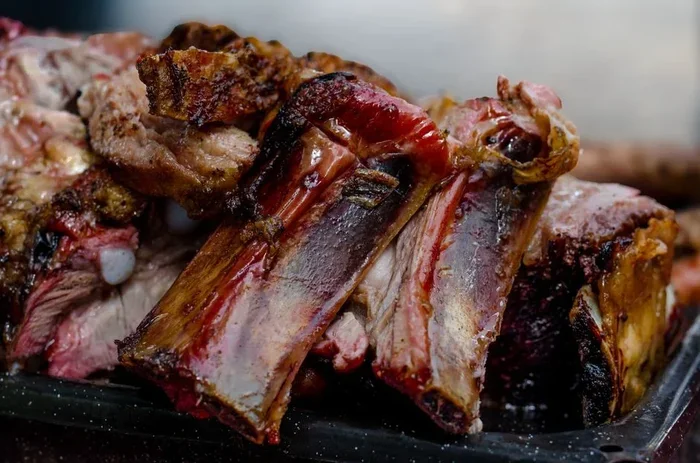
A prime rib cook time chart helps you roast the perfect beef roast with confidence. Whether you prefer rare, medium rare, or well done, knowing the exact time and temperature makes all the difference. This guide covers cooking times per pound, internal temps, resting rules, and pro tips for a show-stopping prime rib roast.
A prime rib cook time chart is the single most useful tool you can have when preparing a standing rib roast for a special occasion. Whether you are feeding a holiday crowd or hosting a weekend dinner party, getting the timing right transforms a simple cut of beef into a show-stopping centerpiece. Prime rib is one of the most impressive roasts you can serve, and nailing the cook time is what separates a great roast from a forgettable one.
The beauty of using a chart is that it removes the guesswork. You do not have to wonder whether your roast will be ready in time or worry about serving dry, overcooked meat. A reliable prime rib cook time chart gives you a clear roadmap from start to finish. It tells you how long to cook prime rib at each stage, what internal temperature to aim for, and when to pull the roast from the oven.
In this guide, we walk through everything you need to know. From choosing the right size roast to understanding internal temperatures for each level of doneness, we cover it all. You will also find practical tips, common mistakes to avoid, and a detailed chart you can reference every time you cook prime rib. Let us get started.
Key Takeaways
- Plan for 15-20 minutes per pound: This is the standard cooking time for a bone-in prime rib roast at 325°F to 450°F depending on your method.
- Use a meat thermometer: The internal temperature is the single most reliable way to gauge doneness for a perfect prime rib roast.
- Rest your roast for 20-30 minutes: Resting lets the juices redistribute, making every slice tender and flavorful.
- Sear first for a better crust: A high-heat sear at 450°F before lowering the temperature creates a beautiful golden-brown exterior.
- Bone-in vs boneless matters: Bone-in prime rib takes slightly longer but delivers more flavor and a stunning presentation.
- Follow the prime rib cook time chart closely: Small timing differences can shift your roast from perfect to overcooked.
📑 Table of Contents
- Why a Prime Rib Cook Time Chart Matters
- Understanding Prime Rib Temperatures and Doneness
- Prime Rib Cook Time Chart by Weight
- How to Use the Prime Rib Cook Time Chart Like a Pro
- Common Mistakes to Avoid When Roasting Prime Rib
- Tips for the Perfect Prime Rib Every Time
- Final Thoughts on Using a Prime Rib Cook Time Chart
Why a Prime Rib Cook Time Chart Matters
Roasting prime rib is not like cooking a simple weeknight meal. A prime rib roast can weigh anywhere from 3 to 10 pounds or more, and every pound changes the total cook time. Without a chart, it is easy to underestimate or overestimate how long the roast needs in the oven. The result can be meat that is too rare, too well done, or just plain dry.
A good prime rib cook time chart accounts for several factors. It considers the weight of the roast, whether it is bone-in or boneless, the oven temperature you are using, and your desired level of doneness. These charts take the stress out of meal planning. You can confidently tell your guests when dinner will be ready and focus on preparing sides and desserts instead of hovering over the oven.
Think of the chart as your personal roasting assistant. It does the thinking for you so you can focus on enjoying the process. Once you use one a few times, you will start to understand how your own oven behaves and how to adjust accordingly.
Bone-In vs Boneless Prime Rib
One of the first decisions you will make is whether to buy a bone-in or boneless prime rib. Bone-in roasts take slightly longer to cook because the bone acts as insulation. However, many cooks prefer bone-in prime rib because the bone adds extra flavor and creates a dramatic presentation on the carving board. Boneless prime rib cooks a bit faster and is easier to carve, which makes it a popular choice for beginners.
For a bone-in roast, add about 10 to 15 minutes per pound to your estimated time. For boneless, stick closer to the standard 15 minutes per pound at 325°F. Both options work beautifully, so choose based on your comfort level and the look you want on the table.
Understanding Prime Rib Temperatures and Doneness
Temperature is the most important factor when cooking prime rib. The internal temperature determines whether your roast will be rare, medium rare, or well done. A prime rib cook time chart works hand in hand with a reliable meat thermometer. You cannot get perfect results without checking the temp at the right moment.
Here is a quick guide to internal temperatures for each level of doneness:
- Rare: 120°F to 125°F. The center will be bright red and very soft.
- Medium Rare: 130°F to 135°F. This is the most popular choice with a warm pink center.
- Medium: 140°F to 145°F. A hint of pink with a firmer texture.
- Medium Well: 150°F to 155°F. Very little pink, but still juicy.
- Well Done: 160°F and above. Little to no pink, but be careful not to dry it out.
Remember that the temperature will rise about 5 to 10 degrees after you pull the roast from the oven. This is called carryover cooking, and it is essential to account for it. If you want medium rare, pull the roast at 125°F to 130°F and let it rest before slicing.
Prime Rib Cook Time Chart by Weight
This is the core of any good prime rib cook time chart. The times below are based on a 325°F oven temperature and assume a bone-in roast. Always use a meat thermometer to confirm doneness rather than relying solely on time.
- 3-4 pounds: About 45 to 60 minutes total cook time for medium rare.
- 5-6 pounds: Approximately 75 to 90 minutes for medium rare.
- 7-8 pounds: Plan for 105 to 120 minutes.
- 9-10 pounds: Expect 135 to 150 minutes.
- 10+ pounds: Allow 15 to 20 minutes per pound as a baseline.
These times assume you start with the roast at room temperature, which means taking it out of the fridge about 2 hours before cooking. A cold roast going into a hot oven will take significantly longer and cook unevenly. Letting it sit on the counter helps the heat distribute more evenly throughout the meat.
For those who prefer a two-stage method, start at a higher temperature of 450°F for the first 15 minutes to create a nice sear. Then reduce the oven to 325°F and continue roasting until the internal temp reaches your target. This approach gives you a beautiful crust without overcooking the inside.
How to Use the Prime Rib Cook Time Chart Like a Pro
Using the chart is simple, but a few extra steps make a big difference. First, always pat the roast dry with paper towels before seasoning. Dry meat browns better and develops a more flavorful crust. Next, season generously with salt, pepper, and any herbs you enjoy. Garlic cloves and fresh rosemary are classic choices that pair wonderfully with prime rib.
Place the roast fat side up in a roasting pan or on a rack set inside a pan. The fat side up allows the rendered fat to baste the meat as it cooks. If you want even more flavor, you can sear the roast on the stovetop first in a best pan to cook turkey in oven style approach, then transfer it to the oven to finish roasting.
Insert the meat thermometer into the thickest part of the roast, avoiding the bone. Check the temperature frequently as the roast approaches your target. Once you are within 5 degrees of your goal, start checking every 5 minutes. Pulling the roast at the right moment is just as important as getting it in the oven at the right time.
Resting Your Prime Rib Roast
One step many home cooks skip is letting the roast rest after it comes out of the oven. Resting is not optional if you want juicy, tender slices. When you cut into a roast immediately after cooking, the juices run out onto the cutting board instead of staying in the meat. A proper rest of 20 to 30 minutes allows the juices to redistribute throughout the roast.
Tent the roast loosely with aluminum foil during resting. This keeps it warm without trapping too much steam, which could soften the crust you worked so hard to build. While the roast rests, you can prepare your gravy and warm up side dishes.
The resting time is also a great opportunity to review how your prime rib cook time chart performed. Did the roast reach your target temperature within the expected window? Noting these details helps you refine your process for next time.
Common Mistakes to Avoid When Roasting Prime Rib
Even with the best prime rib cook time chart, mistakes can happen. Here are the most common ones and how to avoid them.
- Skipping the room temperature step: Putting a cold roast in the oven leads to uneven cooking. The outside can overcook while the center stays too cold.
- Not using a meat thermometer: Time estimates are guides, not guarantees. A thermometer takes the guesswork out completely.
- Over-seasoning with salt too early: Salt draws moisture out of the meat. Season at least 1 hour before cooking, or right before it goes in the oven.
- Opening the oven door too often: Every time you open the door, the temperature drops. This extends the cook time and can affect the crust.
- Cutting into the roast too soon: Resist the urge to check the internal temp by cutting a slice. Use a thermometer and let the roast rest properly.
- Ignoring carryover cooking: The temperature will rise after you pull the roast out. Factor this in so you do not overshoot your target doneness.
Avoiding these simple mistakes will elevate your prime rib from good to outstanding. Most of them come down to patience and attention to detail, which are easy habits to build over time.
Tips for the Perfect Prime Rib Every Time
Beyond the chart and the temperatures, a few extra tips can take your prime rib to the next level. First, choose quality meat. Look for USDA Prime or Choice grades with good marbling. The fat marbling is what makes prime rib so tender and flavorful when cooked properly.
Second, consider your oven setup. A convection oven can reduce cook times by about 25%, so adjust your chart accordingly. If you use a roasting pan with a rack, air circulates better around the roast, which promotes even cooking. You can also reference how long it takes to cook other roasts in the oven, like checking how long to cook salmon oven 400 for oven timing insights, or planning your roasting schedule similarly to how you would how long to cook chicken wings in oven 400 when managing multiple dishes in the oven.
Third, do not forget about your sides. Prime rib pairs beautifully with roasted vegetables, mashed potatoes, and a rich pan gravy. Preparing sides while the roast rests keeps your meal flowing smoothly and impresses your guests with a complete dining experience.
Finally, practice makes perfect. Your first prime rib might not be flawless, and that is okay. Each time you use the chart and refine your approach, you will get closer to the perfect roast. Keep notes on what worked and what did not. Over time, you will develop an intuition for timing and temperature that goes beyond any chart.
Final Thoughts on Using a Prime Rib Cook Time Chart
A prime rib cook time chart is more than just a list of numbers. It is a framework that gives you confidence, consistency, and control over one of the most impressive cuts of beef you can prepare. Whether you are a beginner or a seasoned home cook, referring to a reliable chart every time you roast prime rib helps you achieve better results with less stress.
The key is to combine the chart with good technique. Bring the roast to room temperature, season well, monitor the internal temperature closely, and let the roast rest before slicing. Follow these steps along with your chart, and you will serve a prime rib roast that earns compliments every time.
Now that you have all the tools and knowledge you need, it is time to put them into action. Pick your next occasion, grab a quality prime rib roast, and let the chart guide you to perfection. You will be amazed at how achievable a restaurant-quality roast can be at home.
Frequently Asked Questions
How long does it take to cook a 5-pound prime rib roast?
At 325°F, a 5-pound bone-in prime rib roast takes approximately 75 to 90 minutes to reach medium rare. Start checking the internal temperature about 15 minutes before the estimated finish time to avoid overcooking.
What is the best temperature to cook prime rib?
The best oven temperature for prime rib is 325°F for most of the cook, with an initial sear at 450°F for the first 15 minutes. This two-stage method creates a flavorful crust while keeping the inside perfectly cooked.
Should I cover my prime rib with foil while cooking?
No, you should not cover prime rib during roasting. Leaving it uncovered allows the heat to circulate evenly and helps develop a crispy, golden-brown crust on the outside of the roast.
How long should prime rib rest before cutting?
Let your prime rib rest for 20 to 30 minutes after pulling it from the oven. Tent it loosely with foil to keep it warm while the juices redistribute for a more tender and flavorful result.
Can I use the prime rib cook time chart for a boneless roast?
Yes, the chart works for both bone-in and boneless prime rib. Just reduce the estimated time by about 10 to 15 minutes per pound for boneless roasts since they cook faster without the bone’s insulating effect.
What internal temperature is medium rare for prime rib?
Medium rare prime rib reaches an internal temperature of 130°F to 135°F. Remember to pull the roast about 5 degrees early because the temperature will continue to rise during the resting period.



