
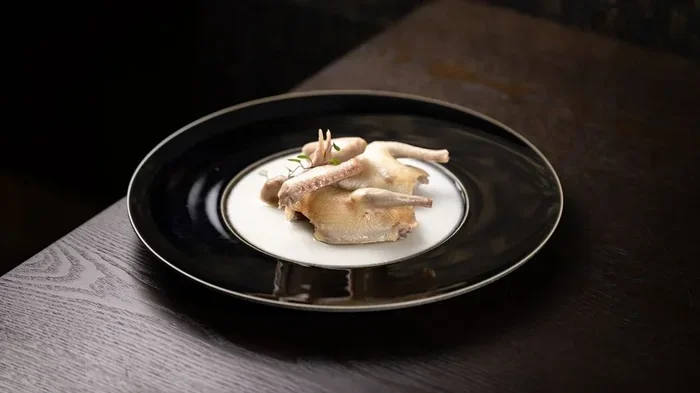
Cornish hens are small, tender game birds that roast beautifully and make any meal feel special. This guide covers everything you need to know, from selecting the best birds to mastering roasting, grilling, and brining techniques. You will learn how to achieve crispy skin, juicy meat, and restaurant-quality results right in your own kitchen.
Key Takeaways
- Cornish hens are young chickens (about 4-5 weeks old) that weigh 1-2 pounds each, making them perfect for individual servings.
- Roasting at high heat is the most popular method, producing crispy skin and tender, juicy meat in under an hour.
- Brining or dry-rubbing cornish hens with herb butter adds deep flavor and keeps the meat moist during cooking.
- Common mistakes include overcooking, skipping the air-dry step, and not trussing the bird properly.
- Cornish hens work wonderfully for dinner parties, holiday meals, and weeknight family dinners alike.
- Pair cornish hens with seasonal sides like roasted vegetables, wild rice, or garlic mashed potatoes for a complete meal.
📑 Table of Contents
- What Are Cornish Hens and Why Do People Love Them?
- Why Cornish Hens Make the Perfect Dinner
- How to Prep Cornish Hens Like a Pro
- Best Cooking Methods for Cornish Hens
- Flavorful Recipes and Seasoning Ideas
- Common Mistakes to Avoid When Cooking Cornish Hens
- Expert Tips for Perfect Cornish Hens Every Time
- Conclusion
What Are Cornish Hens and Why Do People Love Them?
A cornish hen is a small young chicken, typically only four to five weeks old. Despite the name, these birds are not a separate species. They are simply young broiler-fryer chickens that weigh about one to two pounds each. Because of their small size, each bird serves one person perfectly. This makes them ideal for elegant dinner parties and holiday tables.
People love cornish hens because they roast quickly and look stunning on a plate. The small bones are easy to work with, and the meat stays tender and juicy. Many home cooks feel intimidated by whole poultry, but a cornish hen is actually one of the simplest birds to prepare. The short cooking time means less time in the kitchen and more time enjoying your meal.
If you have never cooked one before, you are missing out. These little birds pack big flavor. Whether you roast them, grill them, or braise them, the results are always impressive. Let us walk through everything you need to know to cook cornish hens like a professional chef.
The Difference Between Cornish Hens and Regular Chickens
A regular whole chicken can weigh four to six pounds or more. A cornish hen weighs just one to two pounds. This size difference changes everything about how you cook and serve them. A whole chicken takes over an hour to roast. A cornish hen is done in 45 to 60 minutes. The smaller bird also has more delicate, tender meat compared to a mature chicken.
Another key difference is presentation. A roasted cornish hen looks elegant and individual on a plate. Each guest gets their own bird, which feels special and upscale. Regular chicken is usually served in pieces or carved at the table. With a cornish hen, the drama factor is much higher.
Why Cornish Hens Make the Perfect Dinner
Cornish hens are incredibly versatile. They work for casual Tuesday dinners and fancy holiday feasts alike. Their small size makes them perfect for portion control. Each person gets exactly one bird, which means no fighting over the last piece. They also cook fast, which is a huge win on busy weeknights.
Here are some of the top reasons to consider cornish hens for your next meal:
- Individual portions make serving easy and elegant.
- Quick cooking time saves you valuable kitchen time.
- They pair well with almost any side dish or sauce.
- The small bones create flavorful pan drippings for gravy.
- They feel special without requiring advanced cooking skills.
- Cornish hens work great for meal prep and batch cooking.
When to Serve Cornish Hens
Cornish hens shine during the holiday season. They are a classic choice for Christmas and Thanksgiving dinners. But you do not need a special occasion to enjoy them. They make excellent dinner party centerpieces because each guest gets a personal bird. They also work well for romantic date night meals at home. Even a simple weeknight dinner feels elevated when you serve a roasted cornish hen with roasted vegetables.
Many families also love making cornish hens for Sunday dinners or game day gatherings. The small size means you can cook several at once without needing a massive roasting pan. They fit easily in a standard oven, which is a big advantage over larger whole poultry.
How to Prep Cornish Hens Like a Pro
Proper preparation is the secret to amazing cornish hens. Taking the time to prep the bird correctly makes a huge difference in texture and flavor. Here is a step-by-step guide to get your birds ready for the oven or grill.
Step 1: Select the Best Birds
Start by choosing fresh, high-quality cornish hens from your local butcher or grocery store. Look for birds that feel firm and have smooth, unblemished skin. The skin should be pale pink or creamy white with no dark spots. Fresh birds will have a mild, clean smell. Avoid any birds with a strong or off odor.
If you can find air-chilled cornish hens, choose those over water-chilled ones. Air-chilled birds have better texture and absorb less water during processing. This leads to crispier skin when you roast them.
Step 2: Thaw If Frozen
If your cornish hens are frozen, plan ahead. Transfer them from the freezer to the refrigerator the night before you want to cook them. Let them thaw slowly for 24 hours. You can also thaw them in cold water if you are short on time. Place the sealed bird in a bowl of cold water and change the water every 30 minutes. A frozen cornish hen typically thaws in about two hours this way.
Step 3: Dry Brine or Wet Brine
Brining is one of the best things you can do for cornish hens. It adds moisture and flavor deep into the meat. For a dry brine, rub the bird with kosher salt and let it rest uncovered in the refrigerator for 4 to 12 hours. This draws out moisture and then reabsorbs it, seasoned with salt.
For a wet brine, dissolve salt and sugar in water along with your favorite aromatics. Submerge the cornish hens for 2 to 4 hours. After brining, pat the birds completely dry with paper towels. This step is critical for getting crispy skin later.
Step 4: Season and Stuff
Once your birds are dry, it is time to season them. A simple herb butter made with softened butter, garlic, rosemary, thyme, and lemon zest works beautifully. Gently loosen the skin over the breast and rub the butter directly onto the meat. Then rub the outside of the bird with the remaining butter and season with salt and pepper.
You can also stuff the cavity of each cornish hen with aromatics. Lemon quarters, garlic cloves, fresh herbs, and onion wedges all work well. The stuffing adds flavor from the inside out as the bird roasts.
Quick Tip: Always let your seasoned cornish hens rest at room temperature for 30 minutes before cooking. This helps them cook more evenly and reduces the risk of drying out.
Step 5: Truss the Bird
Trussing means tying the legs together with kitchen twine. This helps the cornish hen cook evenly and keeps its shape during roasting. Tuck the wings under the body as well. A properly trussed bird roasts beautifully and looks polished on the plate.
Best Cooking Methods for Cornish Hens
There are several ways to cook cornish hens, and each method brings out different flavors and textures. Let us explore the most popular techniques so you can choose the one that fits your needs best.
Oven Roasting
Oven roasting is the most classic way to cook cornish hens. Preheat your oven to 425 degrees Fahrenheit. Place the seasoned birds breast-side up in a roasting pan. Roast for 45 to 60 minutes, or until the internal temperature reaches 165 degrees Fahrenheit at the thickest part of the thigh.
The high heat is key here. It crisps the skin quickly while keeping the inside juicy. Basting the bird with pan drippings halfway through cooking adds extra flavor and helps the skin brown evenly.
Grilling Cornish Hens
Grilled cornish hens have a smoky flavor that is hard to beat. Preheat your grill to medium-high heat. Cook the birds indirectly for about 40 to 50 minutes, turning occasionally. The smaller size of cornish hens makes them perfect for the grill because they cook through quickly without drying out.
Brush the birds with a little oil or melted butter while grilling to prevent sticking. You can also add wood chips for extra smoke flavor. Applewood and cherry wood chips pair especially well with poultry.
Braising for Tender Results
Braising is a moist-heat method that produces incredibly tender cornish hens. Sear the birds in a hot pan with a little oil until golden brown on all sides. Then add chicken broth, white wine, and vegetables to the pan. Cover and simmer on the stovetop or in the oven at 325 degrees Fahrenheit for about 45 minutes.
Braised cornish hens are perfect for colder weather. The cooking liquid becomes a rich, flavorful sauce that you can serve alongside the bird. This method is forgiving and hard to mess up, making it great for beginners.
Air Frying
If you have an air fryer, you can cook cornish hens in it too. Air-fried birds come out with incredibly crispy skin. Cook at 375 degrees Fahrenheit for about 25 to 30 minutes, turning halfway through. The air fryer is a great option when you want crispy results without heating up your whole oven.
Comparison of Cooking Methods
| Method | Time | Best For | Skin Texture |
|---|---|---|---|
| Oven Roasting | 45-60 min | Crispy skin, even cooking | Golden and crispy |
| Grilling | 40-50 min | Smoky flavor, outdoor cooking | Slightly charred |
| Braising | 45 min | Tender meat, rich sauce | Soft, not crispy |
| Air Frying | 25-30 min | Quick weeknight meals | Extra crispy |
Flavorful Recipes and Seasoning Ideas
The beauty of cornish hens is how well they pair with different flavors. You can keep it simple or go all out with creative seasoning blends. Here are some of the best flavor combinations to try.
Classic Herb Butter
This is the go-to seasoning for cornish hens. Mix softened butter with minced garlic, fresh rosemary, fresh thyme, lemon zest, salt, and black pepper. Rub the herb butter all over the bird, both under the skin and on the outside. Roast as usual and enjoy a rich, aromatic flavor that everyone will love.
Lemon and Garlic
For a lighter, brighter flavor, try a lemon and garlic rub. Combine olive oil, minced garlic, lemon juice, lemon zest, salt, and oregano. Marinate the cornish hens for at least one hour before roasting. The acid from the lemon tenderizes the meat slightly and adds a fresh, zesty note.
Spicy Smoky Seasoning
If you like heat, mix smoked paprika, cumin, chili powder, garlic powder, brown sugar, salt, and cayenne pepper. Rub this blend generously over the birds before grilling or roasting. The smoky-spicy flavor pairs perfectly with a cool mango salsa or a creamy dipping sauce.
Asian-Inspired Glaze
For something different, try a soy-ginger glaze. Mix soy sauce, sesame oil, fresh ginger, honey, rice vinegar, and garlic. Brush the cornish hens with this glaze during the last 15 minutes of cooking. The result is a glossy, flavorful bird with an irresistible sweet-savory profile.
Expert Insight: Chef Michael Ruhlman once noted that small poultry like cornish hens are ideal for learning how to roast whole birds. The short cooking time and forgiving nature make them the perfect training ground for building confidence in the kitchen.
Best Side Dishes for Cornish Hens
The right sides can turn a simple cornish hen dinner into a memorable feast. Here are some pairing ideas:
- Roasted root vegetables like carrots, parsnips, and sweet potatoes complement the rich flavor of the bird.
- Wild rice pilaf adds a nutty texture and absorbs the delicious pan juices beautifully.
- Garlic mashed potatoes are a classic comfort pairing that never disappoints.
- Fresh green salad with a light vinaigrette balances the richness of the roasted meat.
- Crusty bread is perfect for soaking up the flavorful pan drippings.
Common Mistakes to Avoid When Cooking Cornish Hens
Even experienced cooks can make mistakes with cornish hens. Knowing what to avoid will help you get better results every time.
Overcooking the Bird
The most common mistake with cornish hens is overcooking. Because they are small, they go from perfectly done to dry very quickly. Always use a meat thermometer to check the internal temperature. Pull the bird from the oven when it reaches 165 degrees Fahrenheit in the thickest part of the thigh. Let it rest for 5 to 10 minutes before carving. The temperature will continue to rise slightly as it rests.
Skipping the Dry Step
After brining or seasoning, many people skip the step of drying the skin thoroughly. Moisture on the skin is the enemy of crispy skin. Always pat your cornish hens completely dry with paper towels before roasting. For even crispier results, let the seasoned birds sit uncovered in the refrigerator for a few hours or overnight. This air-dry step works wonders on the skin.
Not Trussing Properly
Skipping the trussing step leads to uneven cooking. The legs and wings can burn while the breast stays underdone. Take the extra two minutes to tie the legs together and tuck the wings. Your cornish hens will cook more evenly and look much more polished on the plate.
Using Too Much Stuffing
While stuffing the cavity adds flavor, overstuffing can block heat from reaching the inside of the bird. Use a moderate amount of aromatics. You want enough to flavor the meat, not so much that the bird cannot cook through properly.
Expert Tips for Perfect Cornish Hens Every Time
Here are some pro-level tips that will elevate your cornish hens from good to absolutely amazing.
Air-Dry the Skin for Maximum Crispiness
One of the best-kept secrets in poultry cooking is air-drying. After seasoning your cornish hens, place them uncovered on a wire rack in the refrigerator for 4 to 24 hours. The dry air removes moisture from the skin surface, which leads to dramatically crispier results when you roast them. This technique is used by professional chefs and is well worth the extra planning.
Use a Rack in the Roasting Pan
Place a wire rack inside your roasting pan before adding the cornish hens. This allows hot air to circulate around the entire bird, cooking it evenly on all sides. The rack also keeps the bird from sitting in its own drippings, which prevents the bottom from becoming soggy.
Rest the Bird Before Carving
Always let your roasted cornish hens rest for at least 5 to 10 minutes before cutting into them. This allows the juices to redistribute throughout the meat. If you carve too soon, the juices run out onto the cutting board instead of staying inside the bird. The result is drier meat and lost flavor.
Save the Pan Drippings
Do not throw away the pan drippings after roasting cornish hens. They are liquid gold. Pour off the fat and use the drippings to make a quick pan gravy. Add a little chicken broth, whisk in some flour or cornstarch, and simmer until thickened. The gravy will have a rich, deep flavor that takes the whole meal to the next level.
Cook Several Birds for a Crowd
Cornish hens are perfect for feeding a group because each person gets their own bird. You can cook three to four birds in a standard roasting pan with ease. The small size means they all cook at the same rate, so you do not need to worry about timing differences. This makes cornish hens one of the most crowd-friendly proteins you can serve.
Experiment with Different Cooking Liquids
When braising cornish hens, try different cooking liquids to change up the flavor profile. Chicken broth, white wine, coconut milk, and even beer all work wonderfully. Each liquid brings a unique character to the dish and pairs with different sides and seasonings.
Key Takeaway: The secret to perfect cornish hens comes down to three things: proper seasoning, the right cooking temperature, and not overcooking. Master these three elements and you will consistently produce restaurant-quality birds at home.
Conclusion
Cornish hens are one of the most rewarding proteins to cook at home. They are small, fast, forgiving, and absolutely delicious. Whether you are a beginner or an experienced cook, these little birds will impress everyone at your table. With the right preparation, seasoning, and cooking method, you can achieve crispy skin, juicy meat, and restaurant-quality results every single time.
Start with the basics of oven roasting and herb butter seasoning. Once you feel confident, experiment with grilling, braising, and different flavor profiles. The versatility of cornish hens means there is always something new to try. They are perfect for holiday celebrations, dinner parties, or a special weeknight meal for your family.
Now that you have all the knowledge and techniques, it is time to put them into practice. Grab some fresh cornish hens from your local store, follow the steps in this guide, and enjoy the process. Cooking should be fun, and these little birds make it easy to feel like a pro in the kitchen.
Frequently Asked Questions
What exactly is a cornish hen?
A cornish hen is a young chicken that is only four to five weeks old and weighs one to two pounds. Despite the name, it is not a separate breed or species. It is simply a small broiler-fryer chicken that is harvested young, which is why the meat is so tender and delicate compared to a full-grown chicken.
How long does it take to cook a cornish hen?
Most cooking methods take between 25 and 60 minutes depending on the technique. Oven-roasted cornish hens typically take 45 to 60 minutes at 425 degrees Fahrenheit. Grilled birds take about 40 to 50 minutes. Air-fried birds cook the fastest at 25 to 30 minutes. Always use a meat thermometer to check that the internal temperature reaches 165 degrees Fahrenheit.
Can you eat the bones in a cornish hen?
Yes, the bones are soft and edible in a young bird like a cornish hen. However, most people prefer to remove the bones when eating. The small bones can be tricky to work around, so many cooks debone the bird before cooking or carve carefully at the table. The bones also contribute flavor to pan drippings and gravy.
What is the best way to store leftover cornish hens?
Store leftover cornish hens in an airtight container in the refrigerator within two hours of cooking. They will keep for up to three days in the fridge. You can also freeze cooked birds for up to three months. Reheat gently in the oven or microwave to avoid drying out the meat.
Can cornish hens be grilled?
Absolutely. Grilled cornish hens are delicious and cook quickly on the grill. Use indirect heat at medium-high temperature and cook for about 40 to 50 minutes, turning occasionally. The small size of the bird makes it ideal for grilling because it cooks through evenly without requiring constant attention.
Are cornish hens healthy to eat?
Yes, cornish hens are a healthy protein choice. They are high in protein and lower in calories than many other meats. A single cornish hen contains about 300 to 400 calories depending on how it is prepared. The meat is also a good source of B vitamins and minerals like iron and zinc. Choosing lean cooking methods like roasting or grilling keeps the calorie count lower.



