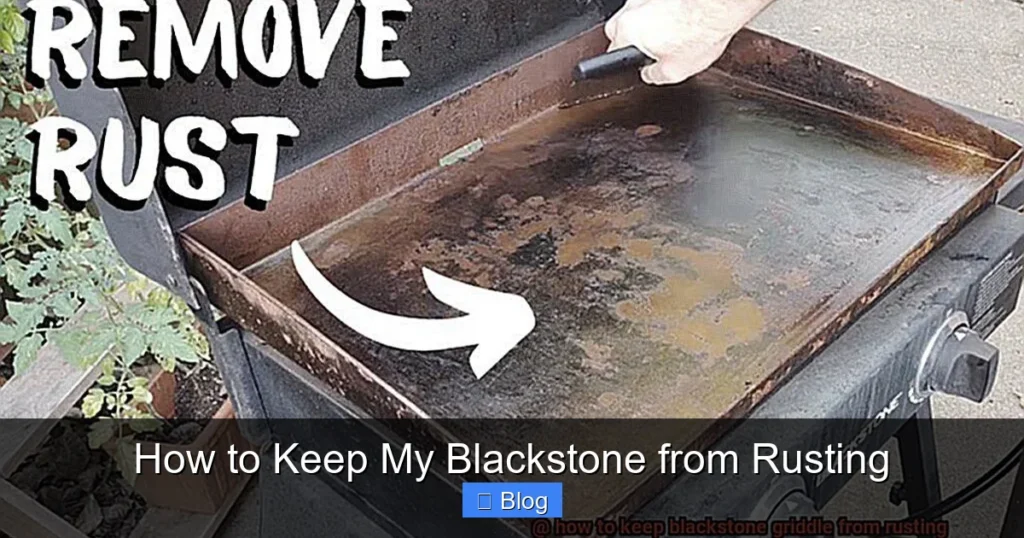
Keep your Blackstone griddle looking like new by preventing rust and maintaining a protective layer. From daily cleaning to proper storage, discover the best practices that keep your cooking surface safe, smooth, and ready for the next meal.
Key Takeaways
- Clean after every use: Remove food and grease to stop rust from forming on the cooking surface.
- Season regularly: A thin oil coat protects metal and keeps it slick for cooking.
- Dry thoroughly: Moisture is the enemy; use a towel or heat to ensure the griddle is dry before storing.
- Store covered: Protect from rain, dust, and humidity with a breathable cover or plastic wrap.
- Inspect and maintain: Spot rust early and treat it immediately with a rust remover or steel wool.
- Use a non‑stick spray: Add an extra layer of protection, especially in humid climates.
- Know your environment: Tailor your maintenance routine to your local weather and usage patterns.
📑 Table of Contents
Introduction
We’ve all seen that beautiful Blackstone griddle gleaming in the backyard, ready to turn a simple breakfast into a sizzling feast. But if you’re not careful, that metal can start to look like a rusted relic. Rust not only ruins the look of your griddle, it can also affect the taste of your food and shorten the life of your investment. In this guide, we’ll walk through every step you need to keep your Blackstone from rusting, from the first time you flip a pancake to the last time you store it for winter.
Think of this article as a recipe for a rust‑free griddle. I’ll share the ingredients—cleaning, seasoning, drying, covering, and inspection—and stir them together with practical tips, real‑world examples, and a few cautionary notes. By the end, you’ll have a clear, easy‑to‑follow routine that keeps your Blackstone shiny, safe, and cooking‑ready for years.
1. Daily Cleaning: The First Line of Defense
Why Clean After Every Use?
Food residue, oil splatters, and grease are the perfect breeding ground for rust. When you leave these substances on the griddle, they trap moisture and create a micro‑environment where iron oxidizes. Cleaning after every session removes these hazards before they can set in.
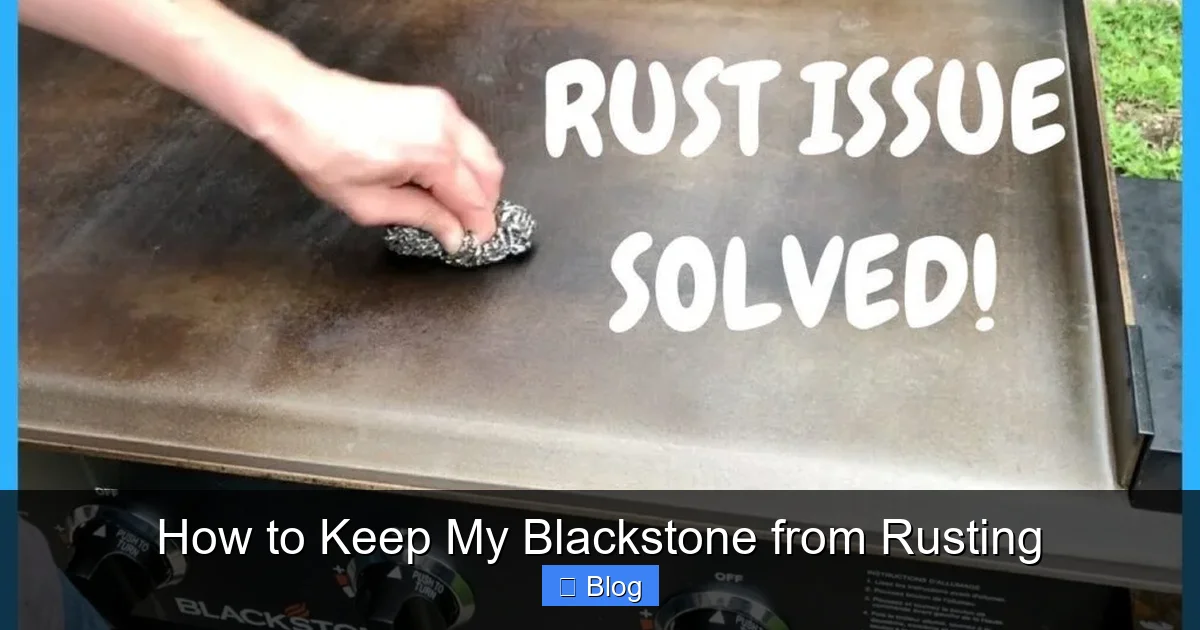
Visual guide about How to Keep My Blackstone from Rusting
Image source: grillcuisines.com
Step‑by‑Step Cleaning Routine
- 1. Heat the griddle: Turn it on to medium heat for 5 minutes. Warm metal expands and draws out moisture.
- 2. Scrape the surface: Use a metal spatula or a scraper to remove stuck food. Never use a metal knife that can gouge the finish.
- 3. Wash with soap and water: A mild dish soap and a non‑abrasive sponge will lift grease without damaging the seasoning.
- 4. Rinse and dry: Rinse with clean water and wipe with a towel. Use a clean, dry cloth to ensure no water droplets linger.
Practical Tip: The “Hot Scrape” Trick
After scrubbing, keep the griddle on low heat for 2 minutes. This step evaporates any remaining moisture and gives you a quick final check for residual streaks.
2. Seasoning: Building a Protective Layer
What is Seasoning?
Seasoning is a thin film of baked oil that bonds to the metal, creating a natural, non‑stick surface. It also acts as a barrier against moisture, which is the main culprit behind rust.
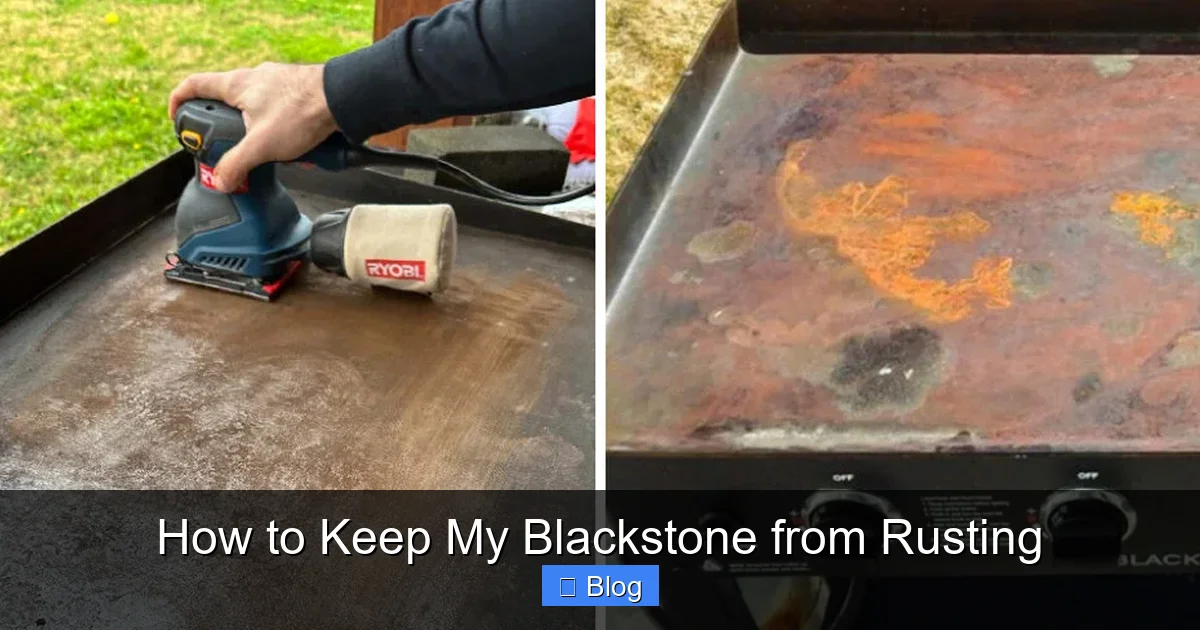
Visual guide about How to Keep My Blackstone from Rusting
Image source: thekitchenix.com
How Often Should You Season?
For heavy use, season every time you clean. For light or occasional use, a monthly season is sufficient. If you notice food sticking or a dull shine, it’s time to re‑season.
Seasoning Procedure
- Preheat: Turn the griddle to medium heat for 5 minutes.
- Apply oil: Use a paper towel to spread a thin layer of high smoke‑point oil (vegetable, canola, or flaxseed).
- Heat the oil: Let the oil smoke for 2–3 minutes, then turn off the heat. This burns off excess oil, leaving a hard, protective film.
- Cool and wipe: After the griddle cools, wipe off any excess oil with a clean towel.
Quick Example: Weekend Griddle Cleanup
After a sunny Sunday cookout, I cleaned the griddle, wiped it down, and applied a light coat of canola oil. The next morning, the surface was slick, and I didn’t notice any stickiness during breakfast prep.
3. Drying: Eliminating the Moisture Threat
Why Moisture Matters
Even a small puddle of water can start rust if left on the metal. The key is to remove all moisture quickly after cleaning or seasoning.
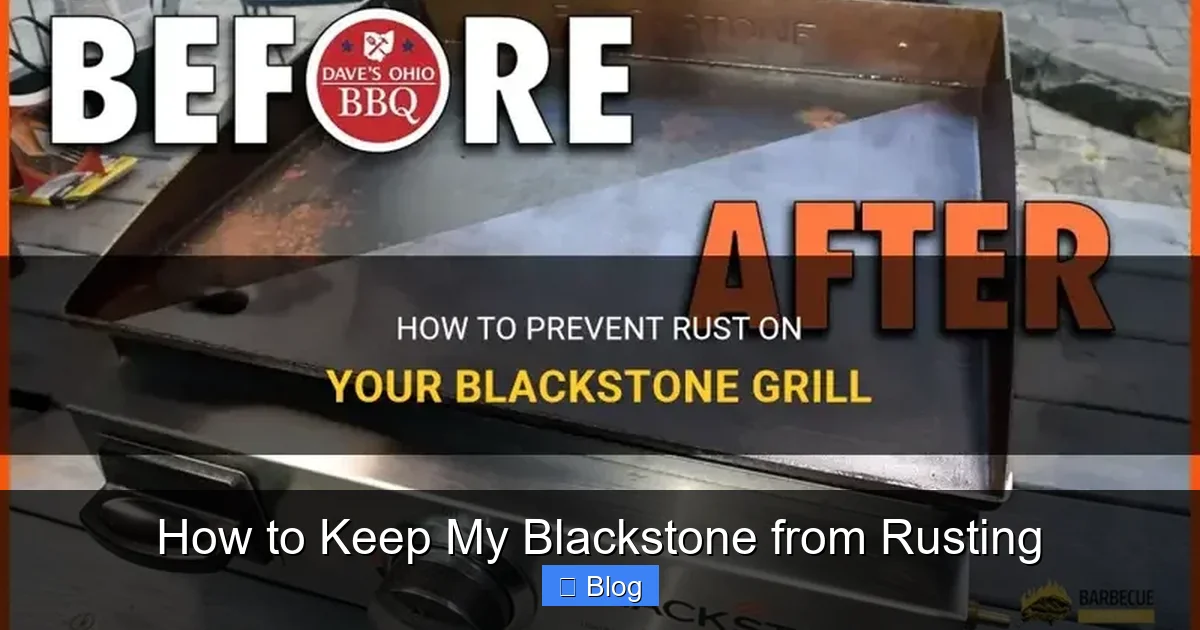
Visual guide about How to Keep My Blackstone from Rusting
Image source: shungrill.com
Drying Methods
- Towel Wipe: Use a clean, dry microfiber towel to blot the surface.
- Heat Dry: Keep the griddle on low heat for 5 minutes. The heat evaporates any hidden moisture.
- Air Dry: If you’re in a low‑humidity area, leave the griddle uncovered for 15 minutes after wiping.
Real‑World Tip: “The Paper Towel Trick”
After wiping with a towel, lay a folded paper towel on the surface for a few minutes. It absorbs any remaining moisture and gives you a instant dry check.
4. Storage: Protecting from the Elements
Choosing the Right Cover
- Breathable canvas cover: Allows air circulation while shielding from rain and dust.
- Plastic wrap: Best for very humid climates; wrap tightly to keep moisture out.
- Custom Blackstone cover: Designed for the exact dimensions, offering a snug fit.
Storage Location Tips
- Store indoors if possible—garage, shed, or a covered patio.
- If you must keep it outside, elevate it on a rack so air can circulate underneath.
- Keep away from direct sunlight for extended periods, as UV can degrade the seasoned surface.
Example: Winter Storage in a Cold Climate
In Vermont, I stored my Blackstone in a garage with a plastic cover. I also added a small amount of oil to the surface before covering, which prevented rust during the snow‑filled months.
5. Inspecting and Treating Early Rust Spots
Spotting Rust Early
Check your griddle every month for tiny brownish flakes or dull patches. These are early rust signs that can be treated before they spread.
How to Treat Small Rust Areas
- Remove rust: Use fine steel wool or a rust remover spray. Gently scrub until the spot is smooth.
- Clean the area: Wash with soap and water to remove any residue.
- Re‑season: Apply a thin layer of oil and heat as described earlier.
When to Seek Professional Help
If rust has penetrated deep into the metal, forming pits or compromising the surface integrity, consider sending the griddle to a professional metal restoration service. In most cases, however, small spots are easily managed at home.
6. Additional Protective Measures for Humid or Coastal Areas
Use a Non‑Stick Cooking Spray
Spraying a light coat of non‑stick cooking spray after each use can add an extra protective layer, especially in areas with high humidity.
Apply a Food‑Grade Sealant
Some users apply a thin layer of mineral oil or a food‑grade silicone sealant after seasoning. This creates a hydrophobic barrier that repels moisture.
Monitor Humidity Levels
Use a hygrometer in the storage area. If humidity exceeds 60%, consider a dehumidifier or silica gel packs.
Conclusion
Keeping your Blackstone from rusting isn’t a daunting task—just a consistent routine. Clean, season, dry, store properly, and inspect regularly. By following these simple steps, you’ll protect the metal, preserve the flavor of your food, and extend the life of your griddle. Think of it as a daily self‑care routine for your cooking surface, and you’ll never have to worry about rust again.
🎥 Related Video: How to keep your Blackstone spotless, rust-free, and from needing to be reseasoned!! #blackstone
📺 Kasey
Frequently Asked Questions
How often should I season my Blackstone?
Season after every cleaning if you use it frequently. For occasional use, a monthly season is fine. If food starts sticking or the surface looks dull, it’s time to re‑season.
Can I use any oil to season my griddle?
Use high smoke‑point oils like canola, vegetable, or flaxseed. These oils create a durable film and don’t burn off easily during cooking.
What’s the best way to dry my griddle after washing?
Use a clean, dry microfiber towel, then keep the griddle on low heat for 5 minutes to evaporate any hidden moisture.
Will a plastic cover damage the seasoned surface?
No if you use a breathable plastic wrap or a proper Blackstone cover. Just make sure it’s snug and you don’t leave it on for extended periods without rinsing the surface.
How can I prevent rust if I live in a very humid area?
In addition to the regular routine, apply a light coat of mineral oil or a food‑grade silicone sealant after seasoning. Use a dehumidifier in the storage space if possible.
What should I do if I find a small rust spot?
Scrub the spot gently with fine steel wool or rust remover, clean the area, and re‑season the spot immediately. Treat early to stop rust from spreading.