
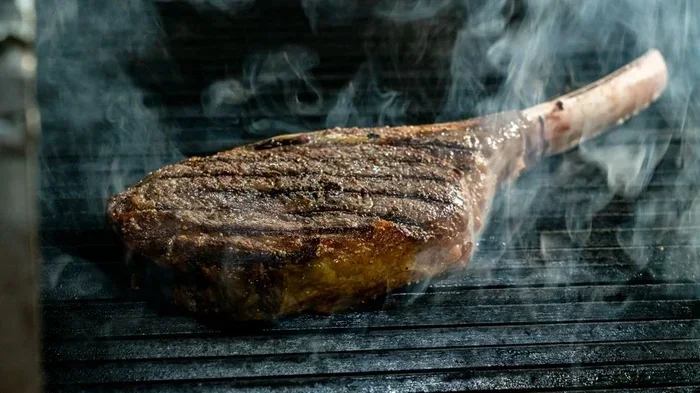
The tomahawk steak is a show-stopping bone-in ribeye that has taken the steak world by storm. This thick, impressive cut features a long French-trimmed bone and a rich, beefy flavor that rivals any steakhouse. In this guide, you will learn everything from selecting the best cut to mastering the perfect sear and rest. Whether you are a beginner or a seasoned griller, these tips will elevate your cooking game. You will walk away confident enough to impress guests with a restaurant-quality meal at home.
Few things in the kitchen turn heads the way a tomahawk steak does. This massive, bone-in ribeye looks like something out of a high-end steakhouse, but you can absolutely make it at home. The long, handle-like bone makes it easy to grip, serve, and photograph. And the taste? Absolutely incredible. If you have been wanting to level up your grilling game, this guide is for you.
We are going to walk through everything you need to know. From picking the right cut at the butcher counter to nailing the perfect internal temperature, we have you covered. You will learn proven techniques, common mistakes to avoid, and quick tips that make a huge difference. By the end, you will feel ready to tackle this impressive cut with confidence.
Key Takeaways
- A tomahawk steak is a bone-in ribeye with a long, French-trimmed handle bone that makes it visually stunning.
- Choosing well-marbled, dry-aged beef is the foundation of a great tomahawk steak.
- The reverse sear method gives you an even cook and a perfect charred crust.
- Resting your steak for at least 10 minutes keeps the juices locked inside.
- Simple seasoning with salt, pepper, and garlic lets the natural beef flavor shine.
- A cast iron skillet or wood-fired grill are the best tools for cooking this thick cut steak.
- Serving with compound butter and fresh herbs adds a restaurant-level finish.
📑 Table of Contents
What Is a Tomahawk Steak?
A tomahawk steak is a bone-in ribeye with at least five inches of exposed rib bone left intact. The bone is French trimmed, which means all the meat and tissue are scraped clean to give it a clean, elegant look. This is what gives the steak its signature handle appearance. It is essentially a thick-cut bone-in ribeye that is designed to impress.
This cut comes from the rib section of the cow, which is known for its rich marbling and tender texture. The long bone also adds a subtle, smoky flavor during cooking that you cannot get from a boneless cut. Many people refer to it as a steakhouse favorite because of its dramatic presentation and bold taste.
Tomahawk Cut vs Regular Ribeye
So what makes a tomahawk different from a standard bone-in ribeye? The main difference is the bone length and the French trimming. A regular bone-in ribeye has a shorter bone that is not cleaned up. A tomahawk steak has a long, polished bone that acts like a built-in handle. This makes it easier to flip on the grill and more visually striking on the plate.
The meat quality is usually similar between the two cuts. Both come from the same rib area and share that beautiful marbling pattern. But the tomahawk cut is typically thicker, often two to three inches thick. This extra thickness gives you more room for a perfect crust without overcooking the inside.
How to Choose the Best Tomahawk Steak
Picking the right tomahawk steak is the first step to a great meal. Not every cut is created equal, and knowing what to look for makes all the difference. Head to your local butcher or specialty meat shop for the best options.
Look for Marbling
Marbling is the white flecks of fat running through the meat. More marbling means more flavor and juiciness. When you are choosing a tomahawk steak, look for even distribution of fat throughout the muscle. Avoid cuts where the fat is only on the outside.
A well-marbled tomahawk steak will stay moist during cooking and develop a beautiful crust. The fat also melts during the cooking process, basting the meat from the inside out. This is what gives you that melt-in-your-mouth texture that everyone loves.
Go for Dry-Aged if You Can
Dry-aged beef is a game-changer for a tomahawk steak. During dry aging, the meat loses moisture, which concentrates the flavor. You get a deeper, more beefy taste with a slightly nutty undertone. Many top steakhouse restaurants use dry-aged beef for their tomahawk cuts.
Dry aging also tenderizes the meat naturally over time. If you have the option, go for a cut that has been dry-aged for at least 21 days. The difference in flavor is noticeable right away. It is worth the extra cost for a special occasion meal.
Check the Thickness
A good tomahawk steak should be at least two inches thick. Thicker cuts give you more room to work with when searing. They are also more forgiving when it comes to timing. If the steak is too thin, you risk overcooking it before you get a nice crust.
Ideally, you want a cut that is between two and three inches thick. This thickness allows you to use the reverse sear method, which we will cover in detail later. It also gives you a beautiful gradient of doneness from edge to center.
Tools and Ingredients You Will Need
Cooking a tomahawk steak does not require fancy equipment. A few quality tools and simple ingredients are all you need. Here is what to gather before you start.
Essential Tools
- Cast iron skillet or a heavy-bottomed oven-safe pan
- Meat thermometer for checking internal temperature
- Tongs for flipping the steak
- Wood-fired grill or a standard gas grill
- Cutting board and a sharp knife for serving
- Oven-safe wire rack for the reverse sear method
Simple Seasoning Ingredients
One of the best things about a tomahawk steak is that it does not need a complicated seasoning blend. Keep it simple to let the natural beef flavor take center stage.
- Kosher salt — the foundation of any great steak seasoning
- Freshly cracked black pepper — adds a gentle heat and aroma
- Garlic cloves — smashed and placed in the pan for extra flavor
- Fresh thyme or rosemary — adds a subtle herbal note
- Butter — for basting during the final sear
How to Cook a Tomahawk Steak: Step by Step
Now for the fun part. Cooking a tomahawk steak is easier than it looks, and the results are worth every bit of effort. Follow these steps for a perfectly cooked steak every time.
Step 1: Bring the Steak to Room Temperature
Take your tomahawk steak out of the refrigerator at least 30 to 45 minutes before cooking. Letting it sit at room temperature ensures it cooks more evenly. A cold steak going straight onto a hot pan will cook unevenly, with a cold center and an overcooked exterior.
Pat the steak dry with paper towels before seasoning. A dry surface is essential for getting a good charred crust. Moisture on the surface will steam the meat instead of searing it, and you want that beautiful golden-brown crust.
Step 2: Season Generously
Season both sides of the steak liberally with kosher salt and freshly cracked black pepper. Do this right before cooking or up to an hour ahead. If you season more than an hour in advance, the salt will draw out moisture, and you will lose that dry surface needed for a great sear.
Some cooks like to add garlic powder or a light brush of olive oil at this stage. I prefer to keep it simple. The beef is the star, and a quality tomahawk steak does not need much help from the seasoning.
Step 3: Use the Reverse Sear Method
The reverse sear is the best method for cooking a thick cut steak like a tomahawk. Instead of starting on high heat, you cook it low and slow first, then finish with a hot sear. This gives you an even pink center and a perfect crust.
Here is how to do it. Preheat your oven to 250 degrees Fahrenheit. Place the seasoned steak on a wire rack set over a baking sheet. Put it in the oven and cook until the internal temperature reaches about 110 to 115 degrees Fahrenheit for medium-rare. This usually takes 20 to 30 minutes depending on the thickness.
Using a meat thermometer is essential here. Do not guess. The tomahawk steak is too expensive and too thick to rely on timing alone. Pull it out when it is about 5 degrees below your target final temperature, because the temperature will continue to rise during the sear.
Step 4: Sear for a Perfect Crust
While the steak is in the oven, heat your cast iron skillet over high heat until it is smoking hot. Add a high smoke-point oil like avocado oil or grapeseed oil. Once the oil is shimmering, carefully place the steak in the pan.
Sear each side for about 60 to 90 seconds. You should hear a loud sizzle the moment the steak hits the pan. That sizzle is the sound of a good crust forming. For extra flavor, add smashed garlic cloves, fresh thyme, and a knob of butter to the pan during the last 30 seconds.
Use tongs to baste the steak with the melted butter and garlic. This adds richness and helps the flavors penetrate the surface. Do not skip this step. It is one of the easiest ways to elevate your steak from good to incredible.
Step 5: Rest the Steak
Resting is the step most people skip, and it is the most important. Once you pull the steak off the heat, let it rest on a cutting board for at least 10 to 15 minutes. During cooking, the juices are pushed toward the center of the steak. Resting allows them to redistribute evenly throughout the meat.
If you cut into it too early, all those juices will run out onto the cutting board instead of staying in the steak. You will end up with a dry piece of meat, and nobody wants that. Cover the steak loosely with aluminum foil while it rests. This keeps it warm without trapping too much steam.
Common Mistakes to Avoid
Even experienced cooks make mistakes when preparing a tomahawk steak. Here are the most common ones and how to avoid them.
Not Bringing the Steak to Room Temperature
Cooking a cold steak straight from the fridge leads to uneven cooking. The outside overcooks while the inside stays cold. Always give your steak time to come to room temperature before it hits the heat.
Skipping the Meat Thermometer
A tomahawk steak is too thick and too valuable to rely on touch or timing alone. A meat thermometer removes all the guesswork. Invest in a good instant-read thermometer and use it every single time.
Moving the Steak Too Much
When you place the steak in the hot skillet, leave it alone. Moving it around prevents a proper crust from forming. Let the sear do its magic for at least 60 seconds before flipping.
Not Resting Long Enough
Ten minutes is the minimum. Five minutes is not enough for a thick cut like this. Be patient. The wait is worth it when you bite into a perfectly juicy steak.
Over-Salting Too Early
Salt draws moisture out of the meat. If you salt too far in advance, the surface becomes wet, and you lose that dry sear. Season right before cooking for the best results.
Serving and Pairing Suggestions
A perfectly cooked tomahawk steak deserves the right accompaniments. Keep the sides simple so the steak remains the star of the show.
Best Side Dishes
- Crispy garlic mashed potatoes — creamy and rich, a classic pairing
- Grilled asparagus — adds a light, fresh contrast
- Roasted baby carrots — caramelized sweetness balances the savory beef
- Creamed spinach — a steakhouse staple that never disappoints
- Simple green salad — keeps the meal balanced and fresh
Perfect Sauces and Toppings
You do not need a heavy sauce to complement a tomahawk steak. A simple compound butter on top does the job beautifully. Mix softened butter with minced garlic, chopped herbs, and a pinch of salt. Let it melt over the hot steak and watch it work its magic.
For those who like a little extra, a red wine reduction or a peppercorn sauce adds a touch of elegance. But honestly, a well-cooked tomahawk steak with good salt and pepper needs very little else. Let the beef do the talking.
Expert Tips for the Perfect Tomahawk Steak
Here are a few pro tips that separate a good tomahawk steak from a great one.
- Ask your butcher to cut the steak at least 2.5 inches thick. This gives you the best results with the reverse sear method.
- Use a wood-fired grill if you have access to one. The smoke from hardwood adds a depth of flavor that gas grills simply cannot match.
- Do not be afraid of the bone. The bone insulates the meat and adds flavor. Some people even eat the marrow from the bone — it is a delicacy.
- Let the pan get truly hot before adding the steak. A hot pan is the secret to a great charred crust without overcooking the inside.
- Slice against the grain when serving. This makes each bite more tender and easier to chew.
Remember, cooking a tomahawk steak is about patience and simplicity. You do not need to overcomplicate things. A great cut of beef, basic seasoning, proper heat, and a little patience will give you results that rival any steakhouse in town.
Final Thoughts
The tomahawk steak is more than just a meal. It is an experience. From the moment you bring that impressive cut to the table to the first juicy bite, it is something special. Whether you are cooking for a anniversary dinner, a birthday celebration, or just because you deserve a great meal, this cut delivers every time.
Mastering the tomahawk steak is one of the most rewarding skills you can add to your cooking repertoire. It looks impressive, tastes incredible, and once you nail the technique, you will never go back to a regular steak again. Start with a quality cut, follow the steps in this guide, and enjoy the process. The tomahawk steak is waiting to become your new go-to recipe for entertaining and treating yourself right.
Frequently Asked Questions
What is a tomahawk steak and why is it so popular?
A tomahawk steak is a bone-in ribeye with a long, French-trimmed rib bone that gives it a distinctive handle look. It is popular because of its dramatic presentation, rich marbling, and incredible beefy flavor. The bone also adds a subtle smoky taste during cooking that enhances the overall experience.
How thick should a tomahawk steak be for the best results?
Ideally, a tomahawk steak should be at least two inches thick, with 2.5 to three inches being the sweet spot. Thicker cuts allow for even cooking using the reverse sear method and give you a beautiful crust without drying out the center.
What is the best way to cook a tomahawk steak at home?
The reverse sear method is widely considered the best approach for a thick tomahawk steak. You cook it low and slow in the oven first, then finish with a high-heat sear in a cast iron skillet. This gives you an even doneness throughout and a perfect charred crust.
How long should you rest a tomahawk steak after cooking?
Let the steak rest for at least 10 to 15 minutes after cooking. This allows the juices to redistribute evenly throughout the meat, ensuring every bite is juicy and flavorful. Skipping this step is one of the most common mistakes home cooks make.
Can you cook a tomahawk steak on a gas grill?
Yes, you can absolutely cook a tomahawk steak on a gas grill. However, a wood-fired grill or charcoal grill adds a deeper smoky flavor that pairs beautifully with this cut. If using gas, consider adding wood chips to the burners to get some smoke flavor as well.
Is dry-aged beef better for a tomahawk steak?
Dry-aged beef is an excellent choice for a tomahawk steak because the aging process concentrates the flavor and tenderizes the meat naturally. You get a richer, more complex taste compared to wet-aged beef. If budget allows, go for a dry-aged cut for a truly memorable meal.
=== CONCLUSION ===
The tomahawk steak is truly the ultimate cut for anyone who loves beef. It brings together rich flavor, beautiful presentation, and a satisfying cooking experience that is hard to beat. From selecting the right cut with great marbling to mastering the reverse sear and giving it proper rest time, every step matters.
With the tips and techniques in this guide, you are fully equipped to cook a tomahawk steak that rivals any premium steakhouse. Keep it simple, trust the process, and enjoy every moment of creating something special. Your next impressive meal starts with a single, stunning tomahawk steak.



