
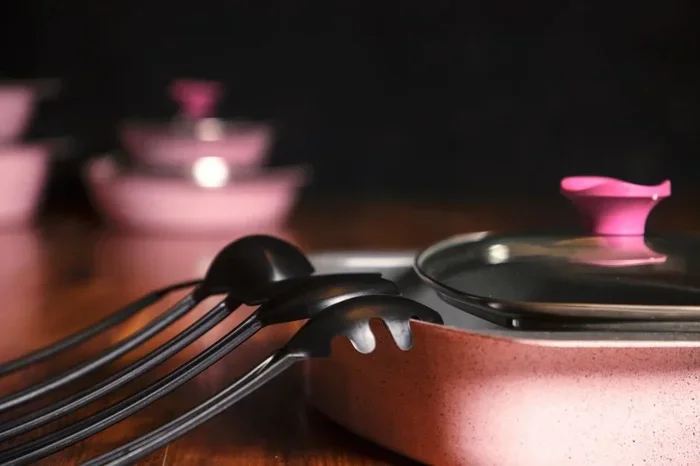
A long lasting cookware set is the backbone of any great kitchen. The right set saves you money, makes cooking easier, and delivers consistent results every single time. We will walk you through the best materials, top brands, and expert tips so you can pick a set that truly lasts for decades.
Cooking at home becomes a joy when you have the right tools. A long lasting cookware set is one of the best investments you can make for your kitchen. Unlike cheap pans that warp and peel after a few months, quality cookware stands the test of time.
Whether you are a beginner cook or a seasoned home chef, choosing the right set matters. You want pots and pans that heat evenly, clean up easily, and hold up to daily use. This guide breaks down everything you need to know about finding the perfect durable cookware set for your kitchen.
We will cover the best materials, what to look for, and how to make your cookware last for years. By the end, you will know exactly what to look for when shopping for a long lasting cookware set that fits your needs and budget.
Key Takeaways
- Stainless steel and cast iron are the two most durable materials for a long lasting cookware set.
- Investing in quality cookware upfront saves you money over time compared to replacing cheap sets every few years.
- Proper cleaning and maintenance dramatically extend the life of any cookware set.
- Not all cookware works on every cooktop, so always check compatibility before buying.
- A good cookware set should include essential sizes and types for everyday meals.
- Brand reputation and warranty length are strong indicators of cookware durability.
📑 Table of Contents
Why a Long Lasting Cookware Set Matters
Cookware is not something you should replace often. A good set can last 10, 20, or even 50 years with proper care. Here is why investing in durability pays off.
Save Money Over Time
Cheap nonstick pans might seem like a bargain at first. But they scratch, peel, and lose their nonstick coating within a year or two. You end up buying replacements constantly. A long lasting cookware set costs more upfront but saves you money in the long run.
Think of it this way. A $200 quality set that lasts 20 years costs you about $10 per year. A $50 set you replace every two years costs you $25 per year. The expensive option is actually the cheaper one over time.
Better Cooking Performance
Durable cookware heats more evenly. This means no more hot spots that burn your food or cold spots that leave things undercooked. A quality set responds well to temperature changes too. You can go from stovetop to oven without any issues.
When your long lasting cookware set performs well, cooking becomes more enjoyable. Food tastes better, cleanup is faster, and you feel more confident trying new recipes.
Better for the Environment
Throwing away worn-out pans creates waste. A set that lasts decades means less cookware ending up in landfills. Choosing durable heavy duty cookware is also a greener choice for your household.
Best Materials for Long Lasting Cookware
The material you choose determines how long your cookware will last. Not all materials are created equal. Here is a breakdown of the most popular options for a durable cookware set.
Stainless Steel
Stainless steel is one of the most popular choices for a long lasting cookware set. It is resistant to rust, does not react with acidic foods, and can handle high heat. Most stainless steel sets are also dishwasher safe, which makes cleanup a breeze.
If you want stainless steel cookware on induction cooktops, look for sets labeled induction-compatible. Many modern stainless steel sets have a magnetic base that works on all cooktop types, including induction.
Pros:
- Extremely durable and scratch resistant
- Works on all cooktop types
- Does not react with food
- Oven safe up to high temperatures
- Dishwasher safe in most cases
Cons:
- Can develop hot spots without a layered base
- Food can stick if the pan is not hot enough
- Heavier than aluminum options
Cast Iron
Cast iron is legendary for its durability. A cast iron skillet can last a lifetime and even be passed down through generations. It retains heat incredibly well and provides excellent searing capabilities.
Many people compare cast iron or iron cookware and find that cast iron wins for long term use. It is essentially indestructible if you take care of it properly. The only real downside is that it requires regular seasoning and should not be washed with soap frequently.
Pros:
- Lasts a lifetime or longer
- Superior heat retention
- Naturally nonstick when seasoned
- Works on stovetop, in oven, and over fire
- Gets better with age
Cons:
- Heavy and bulky
- Requires regular seasoning
- Not dishwasher safe
- Reacts with acidic foods if not well seasoned
Ceramic
Ceramic cookware has gained popularity in recent years. It is known for its natural nonstick surface without the chemicals found in traditional nonstick coatings. Ceramic is a good middle-ground option for those who want easy release without the concerns of PTFE or PFOA.
When comparing ceramic or aluminum cookware, ceramic wins for health and safety but aluminum wins for heat conductivity. Some sets combine both by using an aluminum core with a ceramic coating. This gives you the best of both worlds.
Pros:
- Chemical-free nonstick surface
- Lightweight and easy to handle
- Beautiful aesthetic options
- Easy to clean
Cons:
- The nonstick coating wears faster than stainless steel
- Not as heat resistant as cast iron
- Can chip over time
Aluminum
Aluminum heats up fast and distributes heat evenly. It is lightweight and affordable. However, bare aluminum reacts with acidic foods and can discolor. Most quality aluminum cookware comes with an anodized coating or a stainless steel interior to prevent this.
If you are comparing materials for your long lasting cookware set, aluminum is best when it is hard-anodized. This process makes the aluminum much harder and more resistant to scratching and wear.
What to Look for in a Long Lasting Cookware Set
Not all cookware sets are created equal. Before you buy, here are the key factors to consider for a set that will truly last.
Cooktop Compatibility
This is something many people overlook. If you have an induction cooktop, you need magnetic cookware. Stainless steel and cast iron both work on induction. Aluminum and copper do not unless they have a magnetic base.
Always check the product description for compatibility. A long lasting cookware set should work seamlessly with whatever cooktop you have in your kitchen.
Oven Safety
A versatile cookware set should go from stovetop to oven without any issues. Look for sets that are oven safe to at least 400°F or higher. Cast iron handles the highest temperatures, while some nonstick coatings have lower limits.
Check the manufacturer’s guidelines on oven safe temperatures. This is especially important if you like to finish dishes in the oven or bake casseroles in your pots and pans.
Handle Comfort and Rivets
You will be holding these handles for years. Look for sets with ergonomic, heat-resistant handles. Riveted handles are stronger than welded ones because they cannot come loose over time.
Some sets come with removable handles, which is a nice bonus for storage. But for pure durability, fixed riveted handles are the way to go.
Warranty and Brand Reputation
A good brand stands behind its products. Look for sets that come with at least a limited lifetime warranty. The warranty length is a strong indicator of how much the manufacturer believes in its long lasting cookware set.
Read reviews from real users. Pay attention to comments about durability after 3, 5, or 10 years of use. A brand that consistently delivers quality will have a loyal following.
Set Size and Versatility
Think about what you cook most often. A basic set might include a frying pan, a saucepan, and a stockpot. More comprehensive sets add skillets, sauté pans, and lids.
For most families, a set with 8 to 12 pieces covers everyday cooking needs. You can always add specialty pieces later. Start with the essentials and build from there.
How to Make Your Cookware Last for Years
Buying a quality set is only half the battle. How you care for it makes a huge difference in how long it actually lasts. Follow these simple tips to get the most out of your investment.
Clean Properly
How you clean your cookware depends on the material. Stainless steel can usually go in the dishwasher, but hand washing extends its life. Cast iron should never go in the dishwasher and should be cleaned with minimal soap.
If you have nonstick pans, hand washing is always best. Harsh dishwasher detergents can degrade the nonstick coating over time. Learning how to clean nonstick cookware properly will keep it performing like new for much longer.
Avoid using metal utensils on nonstick surfaces. Use wooden, silicone, or nylon tools instead. This simple habit prevents scratches and keeps the coating intact.
Store Carefully
How you store your pots and pans matters. Stacking them carelessly can cause scratches and dents. Use pan protectors or paper towels between stacked pans to prevent damage.
Hang your cookware if you have the space. This not only protects the surfaces but also makes them easy to access. A well-organized kitchen also makes cooking more enjoyable.
Control Your Heat
High heat is the enemy of most cookware. Preheat your pan on medium heat and gradually increase if needed. Excessive heat can warp pans, discolor stainless steel, and break down nonstick coatings faster.
Use the right heat setting for each task. Low heat is perfect for simmering sauces. Medium heat works for most everyday cooking. High heat is only needed for quick searing or boiling large amounts of water.
Season Cast Iron Regularly
If you own cast iron pieces, seasoning them regularly is essential. Apply a thin layer of oil and heat the pan for a few minutes after each wash. This builds up the natural nonstick layer and prevents rust.
Seasoning is simple and takes just minutes. It is one of the easiest ways to ensure your cast iron cookware lasts a lifetime and beyond.
Common Mistakes That Shorten Cookware Lifespan
Avoiding these common mistakes will help your long lasting cookware set stay in great shape for many years.
Using the Wrong Utensils
Metal forks and knives on nonstick surfaces cause irreversible damage. Always use utensils that match your cookware type. Wooden spoons and silicone spatulas are safe for almost all surfaces.
Soaking in Water for Too Long
Leaving cast iron or carbon steel pans soaking in water leads to rust. Always dry your cookware thoroughly after washing, especially if it is not stainless steel.
Ignoring Warping
If your pan starts to warp, it loses contact with the cooktop surface. This creates hot spots and uneven cooking. Warped pans cannot be fixed, so prevention is key. Avoid sudden temperature changes, like rinsing a hot pan with cold water.
Overloading the Pan
Crowding a pan leads to poor heat circulation and steaming instead of searing. This affects cooking quality and can also cause buildup on the surface that is hard to clean. Cook in batches if needed.
Using Abrasive Cleaners
Steel wool and harsh scouring pads can scratch and damage cookware surfaces. Use soft sponges or non-abrasive scrubbers instead. For tough stains, try soaking the pan with baking soda and warm water.
Expert Tips for Choosing the Perfect Set
Still not sure where to start? Here are some expert insights to guide your decision.
Start by identifying your cooking style. Do you sear meats, simmer soups, or sauté vegetables? Different cooking styles benefit from different materials. A versatile long lasting cookware set usually combines stainless steel saucepans with a cast iron skillet for maximum flexibility.
Consider your budget honestly. You do not need to spend a fortune, but avoid the absolute cheapest options. Mid-range sets from reputable brands offer the best balance of quality and value. Look for sales and bundles, especially during holiday seasons.
Read the fine print. Check what is included in the set, what materials are used, and what the warranty covers. A set that includes lids, a warranty card, and care instructions shows the manufacturer cares about long-term customer satisfaction.
Finally, trust your instincts. Pick a set that feels good in your hand, looks great in your kitchen, and fits your cooking habits. The best cookware set is the one you will actually use and enjoy every day.
Conclusion
Finding the right long lasting cookware set transforms your cooking experience. You get even heating, easy cleanup, and the confidence that your investment will pay off for years to come. Stainless steel and cast iron remain the top choices for durability, while ceramic and anodized aluminum offer great options for specific needs.
Remember to care for your cookware properly. Clean it the right way, store it safely, and use appropriate heat settings. These simple habits make all the difference. A quality set is not just a purchase, it is a long term investment in your kitchen and your cooking journey.
Take your time choosing the right set. Read reviews, compare materials, and think about what you cook most often. The perfect long lasting cookware set is out there waiting for you. Happy cooking!
Frequently Asked Questions
What is the most durable cookware material for a long lasting set?
Stainless steel and cast iron are the two most durable materials. Stainless steel resists rust and scratching, while cast iron can last a lifetime. Both are excellent choices for a long lasting cookware set that withstands years of daily use.
How do I know if my cookware set is induction compatible?
Check the product description or packaging for an induction-compatible label. Stainless steel and cast iron naturally work on induction cooktops. If you are unsure, hold a magnet to the bottom of the pan. If it sticks, it works on induction.
Can a nonstick cookware set last as long as stainless steel or cast iron?
Nonstick sets typically have a shorter lifespan because the coating wears over time. With proper care, a good nonstick set lasts 3 to 5 years. Stainless steel and cast iron can last decades, making them better choices for a truly long lasting cookware set.
How often should I replace my cookware set?
With proper care, quality cookware rarely needs replacing. Stainless steel and cast iron sets can last 20 years or more. Replace nonstick pans when the coating starts to peel or scratch. The key is choosing durable materials and maintaining them well.
Is it worth investing in an expensive cookware set?
Yes, investing in a quality set saves money over time. A long lasting cookware set costs more upfront but avoids the cycle of buying cheap replacements every few years. Look for sets with strong warranties and positive long-term reviews.
What is the best way to store a cookware set to keep it lasting longer?
Store pans with protective layers between them to prevent scratching. Hanging cookware is ideal because it avoids stacking pressure. Always make sure pans are completely dry before storing to prevent rust, especially for cast iron and carbon steel pieces.



