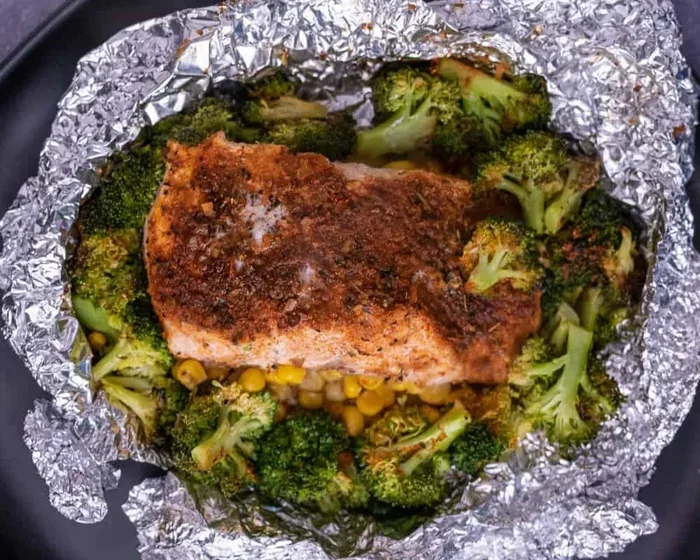
Cooking salmon in an air fryer with foil is one of the easiest ways to get tender, flaky fish without the mess. By wrapping your fillets in foil, you lock in moisture and flavor while still enjoying that signature crispy finish. This method works great for busy weeknights and requires minimal cleanup. You will learn the best temperature, timing, and simple tricks to avoid dry or overcooked salmon.
If you love quick meals that taste fresh and feel healthy, you have probably tried cooking fish in a countertop oven. Salmon is a favorite for good reason. It cooks fast, packs great protein, and pairs well with so many flavors. When you wrap it in foil, the process gets even easier. You get a tidy packet that steams gently while the outside gets a nice touch of heat. The result is tender fish with very little fuss.
Many people worry that foil will block the airflow and ruin the texture. The truth is, a well-made foil packet still gives you a great meal when you handle it the right way. You just need to leave a little room inside the packet, use the right temperature, and watch the clock. In this guide, you will learn how to cook salmon in air fryer with foil so it comes out moist, flavorful, and ready in minutes.
Key Takeaways
- Use heavy-duty foil: It prevents tearing and keeps juices locked in during high-heat cooking.
- Preheat your air fryer: A hot basket ensures even cooking and better texture from the start.
- Season before wrapping: Add herbs, lemon, and oil inside the foil packet for maximum flavor.
- Cook at 390F for 10 to 12 minutes: This range works well for most standard salmon fillets.
- Check internal temperature: Aim for 125F to 130F for medium doneness and a moist bite.
- Avoid overcrowding the basket: Air needs space to circulate for consistent results.
- Let it rest briefly: A short rest after cooking helps the juices settle for a better texture.
📑 Table of Contents
- Why Use Foil When You Cook Salmon In An Air Fryer
- What You Need Before You Start
- How To Cook Salmon In Air Fryer With Foil Step By Step
- Temperature, Time, And Doneness Guide
- Flavor Ideas And Easy Add-Ins
- Common Mistakes And How To Fix Them
- Serving Ideas And Quick Pairings
- Final Tips For Perfect Air Fryer Salmon Every Time
Why Use Foil When You Cook Salmon In An Air Fryer
Foil is a simple tool, but it changes the way heat moves around your fish. It creates a sealed pocket that traps steam and natural juices. That means your salmon stays soft instead of drying out. It also keeps oils, herbs, and lemon juice close to the fish, so every bite tastes bright and seasoned.
Another big plus is cleanup. When you cook salmon in air fryer with foil, you do not have to scrub a sticky basket later. You can just lift out the packet and toss the foil. That makes this method perfect for busy nights, meal prep, or cooking for one or two people. Foil also helps prevent strong fish smells from hanging around your kitchen.
How Foil Changes Heat And Texture
Air fryers work by moving hot air around food. When you wrap salmon in foil, you slow down that direct air contact. The fish still cooks well, but it does so in a gentler way. The top may not get as brown as fully exposed fillets, yet the inside stays juicy and consistent. If you want a little more color, you can leave a small gap in the packet or finish the fish uncovered for a minute or two.
Best Times To Choose The Foil Method
This style works well when you want a low-mess meal, when you are cooking delicate fillets, or when you want to infuse flavor with sauces and aromatics. It is also handy if your salmon has a tendency to stick to the basket. If you are curious about other air fryer techniques, you may enjoy reading about how to cook frozen asparagus in an air fryer as a quick side dish to serve alongside your fish.
What You Need Before You Start
Good results start with a few simple supplies. You do not need fancy tools. You just need the right foil, a little oil, and a basket that fits your fillets comfortably. Gathering everything first makes the process smooth and fast.
Choose The Right Foil And Basket Setup
Heavy-duty foil is the safest pick because it tears less and holds its shape better. Regular foil can work too, but you may need to double it. Make sure your foil is large enough to fold the edges and create a sealed packet. If your basket has a nonstick coating, foil can still be used, but avoid pressing it tightly into the bottom so you do not damage the surface.
Simple Seasonings That Work Well
Salmon is flexible, so you can keep it very simple or build bold flavor. A little olive oil, salt, and pepper is enough for a clean taste. From there, you can add garlic powder, paprika, dill, thyme, or a splash of soy sauce. Lemon slices or a few drops of lemon juice brighten the flavor nicely. If you like a little sweetness, a touch of honey or maple syrup pairs well with the fish.
Quick Prep Checklist
- Pat the salmon dry with a paper towel
- Brush or spray a light coat of oil
- Season both sides evenly
- Cut foil large enough for a loose packet
- Preheat the air fryer if your model recommends it
How To Cook Salmon In Air Fryer With Foil Step By Step
Once your ingredients are ready, the cooking process is straightforward. The key is to build a packet that holds the fish without squashing it. You also want enough space for steam to move around the fillet. Follow these steps and you will get a reliable result each time.
Step 1: Build The Foil Packet
Lay a sheet of foil flat and place the salmon in the center. Fold the sides over the fish and crimp the edges to make a sealed pouch. Leave a little room inside so the fish is not pressed flat. If you are adding lemon slices or herbs, tuck them on top or beside the fillet before closing the packet.
Step 2: Season And Seal
Lightly oil the salmon, then add your seasonings. You can also add a small splash of liquid like lemon juice or broth for extra moisture. Fold the top of the foil over and seal the edges well so the juices stay inside. The packet should feel secure, but not tightly compressed.
Step 3: Set Temperature And Time
A good starting point is 390F for about 10 to 12 minutes for average-sized fillets. Thicker pieces may need a couple more minutes. Smaller or thinner fillets may be done sooner. Since every air fryer behaves a little differently, it helps to check the fish near the end of the cooking time.
Step 4: Check For Doneness
Carefully open the foil away from you so the steam escapes safely. The salmon should flake easily with a fork and look opaque. If you use a thermometer, 125F to 130F gives a moist, medium finish. If you prefer it more firm, cook it a little longer, but avoid pushing it too far or the texture can turn dry.
Temperature, Time, And Doneness Guide
Getting the timing right is the biggest part of making this method work. The exact minutes depend on thickness, the size of the fillet, and your air fryer model. Use this guide as a starting point, then adjust based on your own machine.
Recommended Settings For Common Fillets
Most salmon fillets cook well at 380F to 400F. Lower heat can make the fish a bit softer, while higher heat can give a little more browning if the foil is opened near the end. If you want more ideas for air fryer cooking times, you can also look at how long to cook salmon in an air fryer oven for a slightly different method.
How Thickness Changes The Cook
Thin fillets cook faster and can dry out if left too long. Thick center-cut pieces need more time and may benefit from a slightly lower temperature. If your fillet is uneven, you can fold the thinner end under slightly so it cooks more evenly. That small trick helps the whole piece finish at the same time.
Simple Time Chart
| Fillet Size | Temperature | Approximate Time |
|---|---|---|
| Thin fillet, 1 inch or less | 390F | 8 to 10 minutes |
| Standard fillet, 1 to 1.5 inches | 390F | 10 to 12 minutes |
| Thick cut or center piece | 380F | 12 to 14 minutes |
| Frozen salmon, small fillet | 390F | 13 to 15 minutes |
These times are only a guide. Always check the texture before serving. If you are cooking from frozen, you may want to read how to cook frozen fish in air fryer for more tips on handling chilled seafood safely and evenly.
Flavor Ideas And Easy Add-Ins
One of the best parts of this method is how easy it is to change the flavor. The foil packet acts like a tiny steam chamber, so herbs and aromatics release their taste into the fish. You can keep it classic or try something bold.
Bright And Fresh Combinations
Lemon, dill, and garlic are a timeless trio. Add a little butter or olive oil, and the flavor feels smooth and clean. This style works well when you want a light dinner with vegetables or rice. A few capers or cherry tomatoes can add a nice tang too.
Rich And Savory Combinations
If you want a deeper taste, try soy sauce, ginger, and a little sesame oil. You can also use garlic, black pepper, and a small pat of butter for a cozy flavor. A touch of honey can balance salty notes and help the top brown a bit if you open the packet near the end.
Vegetable Add-Ins
You can place thin vegetable slices inside the packet with the salmon for a complete one-pan meal. Asparagus, zucchini, bell pepper, or green beans all work nicely. Just keep the pieces thin so they cook in the same window as the fish. For another easy vegetable option, check how to cook frozen asparagus in an air fryer if you want a separate side that is ready fast.
Common Mistakes And How To Fix Them
Even a simple method can go wrong if a few small details are missed. The good news is that most issues are easy to avoid once you know what to watch for. Here are the most common slip-ups and how to handle them.
Overtightening The Foil
If the packet is sealed too tightly, the fish can get compressed and cook unevenly. Leave a little space so the fillet keeps its shape. A loose seal is enough to hold in moisture without squeezing the fish flat.
Using Too Much Oil
Salmon has its own natural fat, so you only need a light coating. Too much oil can make the packet soggy and reduce the clean flavor of the fish. A small brush or quick spray is usually enough.
Skipping The Doneness Check
It is tempting to trust the timer completely, but air fryers vary. Open the packet near the end and check the texture. If the flesh still looks translucent in the center, give it another minute or two.
Common Mistakes At A Glance
- Tearing the foil: Use heavy-duty foil or double up regular sheets.
- Crowding the basket: Cook in a single layer with space around each fillet.
- Overcooking: Check early and pull the fish when it is just done.
- Forgetting to pat the fish dry: Dry surface seasoning sticks better and tastes cleaner.
- Opening the packet too early: Let the steam do its work before peeking.
Serving Ideas And Quick Pairings
Salmon cooked in foil is soft, juicy, and easy to serve. You can keep the meal simple or build a fuller plate. Since the fish comes out tender, it pairs well with both light and hearty sides.
Good Sides To Serve Next To It
Steamed rice, quinoa, roasted potatoes, or a fresh salad all work nicely. If you want something crunchy, try pita chips or a crisp vegetable plate. For a starchy side, you might enjoy learning how to make pita chips in air fryer for a quick crunch that matches well with fish.
Simple Meal Combos
- Salmon with lemon, rice, and steamed broccoli
- Salmon with garlic butter, potatoes, and greens
- Salmon with soy ginger glaze, rice, and sliced cucumbers
- Salmon with dill, quinoa, and roasted carrots
Final Tips For Perfect Air Fryer Salmon Every Time
The easiest way to get great results is to keep the process simple and watch the fish closely at the end. Use a good foil packet, season well, and choose a temperature that fits your fillet thickness. When you do that, you can make a satisfying meal with very little effort.
If you want to compare cooking methods, you can also explore how long to cook salmon oven 400 for a traditional baked version. Some days you may want the oven, and other days the air fryer will be the faster choice. Either way, learning how to cook salmon in air fryer with foil gives you a flexible option for quick dinners.
A few final habits make a big difference. Preheat when your machine needs it. Keep the basket uncrowded. Use a light hand with oil. Check the fish before serving. And if you are meal prepping, store the cooked salmon in a sealed container and enjoy it within a couple of days for the best texture.
Expert Insight
The foil method is especially helpful when you want flavor without mess. Think of the packet as a tiny sealed pan that keeps the fish moist while still letting you cook it quickly. If you want a little more color on top, open the packet for the last minute of cooking. That small change can give you the best of both worlds: juicy inside and a touch of browning on the surface.
Key Reminder
The best results come from paying attention to thickness, timing, and how much space you leave inside the packet. Once you learn your air fryer’s personality, you will be able to make this dish with confidence and keep dinner moving fast.
Frequently Asked Questions
Can I cook salmon in foil without losing the air fryer effect?
Yes. The foil traps some steam, but the fish still cooks quickly and evenly. You may get less browning than an uncovered fillet, but the texture stays tender and the cleanup is much easier.
Do I need to preheat the air fryer before cooking salmon in foil?
Preheating is helpful but not always required. A short preheat can give you more even cooking from the start. If your model recommends it, use it for the best results.
How do I keep the foil from sticking to the basket?
Use a little oil on the foil or place the packet on a lightly greased surface. You can also keep the foil slightly elevated instead of pressing it flat into the basket.
Can I cook frozen salmon in a foil packet?
Yes, you can, but it usually needs more time. Start with a slightly longer cook and check the center carefully. For more guidance, see how to cook frozen fish in air fryer for helpful tips.
What temperature is best for cooking salmon in foil?
380F to 400F works well for most fillets. Thicker pieces may do better at 380F, while thinner ones can handle 390F or 400F. Adjust based on the size of your fish and your air fryer model.
How do I know when the salmon is done?
The fish should flake easily and look opaque. If you use a thermometer, 125F to 130F gives a moist finish for most people. If it still looks glossy or translucent in the center, give it a little more time.