
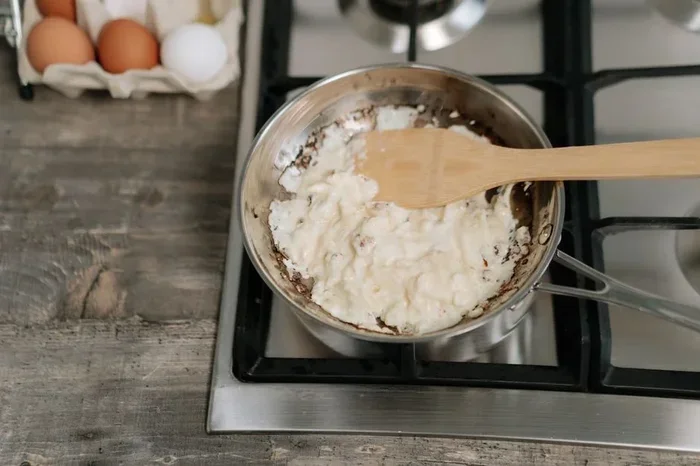
Your scrambled eggs will be creamier and fluffier if you remember just one simple cooking step. Most people ruin their eggs by rushing the process, but a single technique — low and slow cooking with constant stirring — completely transforms the texture. This one change creates rich, velvety scrambled eggs with perfect soft curds every time, and once you try it, you’ll never go back to your old method.
If you love scrambled eggs, you know the struggle between creamy and rubbery. The secret to scrambled eggs creamier and fluffier is simpler than you think. One small cooking step transforms your breakfast into a restaurant-quality dish. You won’t need fancy equipment or a secret recipe. Just one change in your technique makes all the difference.
Most people overcomplicate breakfast. They think perfect eggs require expensive pans or special ingredients. But the real trick is a single step you can start using today. This guide reveals exactly how to make scrambled eggs creamier and fluffier with minimal effort. You’ll never go back to dry, bland eggs again.
The key is understanding how heat and moisture interact with egg proteins. Once you master that, creamy scrambled eggs become your default every morning.
Key Takeaways
- Stir constantly over low heat to create soft, fluffy curds.
- Remove eggs while still slightly moist to keep them creamy.
- Whisk eggs with a splash of milk for a lighter texture.
- Use a silicone spatula to gently fold and push the eggs.
- Finish with a small knob of butter for extra richness.
- Season at the very end to prevent a watery scramble.
📑 Table of Contents
- The 1 Cooking Step That Changes Everything
- Why This Technique Makes Eggs Creamier and Fluffier
- The Right Pan and Tools for Perfect Scrambled Eggs
- Common Mistakes That Ruin Your Scrambled Eggs
- Step-by-Step Guide to Creamy Scrambled Eggs
- Comparison: Traditional vs. The 1-Step Method
- Final Thoughts on Making Eggs Better
The 1 Cooking Step That Changes Everything
What Is This Single Step?
The step is simple: remove the pan from heat early and let residual heat finish cooking the eggs. Most people cook scrambled eggs until they look done. That’s the mistake. Eggs continue to cook after you take them off the burner. This carryover cooking creates a soft, custardy texture instead of dry curds.
Why Timing Matters So Much
When you leave eggs on the heat too long, the proteins tighten and squeeze out moisture. That’s what makes them rubbery. Pulling them off early gives you creamy scrambled eggs with a glossy finish. The eggs look slightly underdone in the pan but finish perfectly on the plate. This one adjustment changes everything.
Why This Technique Makes Eggs Creamier and Fluffier
The Science of Egg Proteins
Egg whites and yolks contain proteins that denature when heated. As they set, they expel water. Low, gentle heat slows this process. The result is tender curds that hold moisture. Fluffy scrambled eggs come from trapping steam inside the mixture. Removing the pan early keeps the temperature from rising too high.
The Role of Fat and Dairy
Adding butter or a splash of milk creates a richer texture. Fat coats the protein strands and prevents them from bonding too tightly. This makes the eggs feel velvety. Some cooks use cream cheese or heavy cream for extra richness. The 1 cooking step works best when you combine it with the right ingredients.
The Right Pan and Tools for Perfect Scrambled Eggs
Choose a Nonstick Surface
A good pan is half the battle. If you want to know how to tell if your pan is nonstick, check our guide. A nonstick surface lets eggs glide without sticking. This is crucial for delicate, creamy curds. You can also use a well-seasoned cast iron skillet if you prefer.
Lightweight Pans for Easy Stirring
Heavy pans cause fatigue and uneven cooking. If you need a lighter option, consider the best lightweight pots and pans for arthritis. These pans are easy to maneuver and distribute heat evenly. You can stir gently without straining your wrist. This matters when you’re making eggs every day.
Silicone Lids to Trap Steam
Covering the pan briefly traps steam and helps the eggs cook gently from the top. Use a silicone lid that fits your pan. This step adds fluffiness without overcooking the bottom. Just remember to remove the lid before the final push.
Common Mistakes That Ruin Your Scrambled Eggs
Cooking on Too High Heat
High heat is the enemy of creamy eggs. It causes the proteins to seize quickly. You end up with browning and a dry, crumbly texture. Always start with medium-low heat. Patience is the secret ingredient.
Overbeating the Eggs
Beating eggs too much incorporates too much air. That can make them foamy and then dry when cooked. A few gentle whisking strokes are enough. You want the yolks and whites combined, not frothy. Stop mixing as soon as the color is uniform.
Skipping the Rest
Many people serve eggs immediately from the pan. That’s a mistake. The eggs are hotter than you think. Let them rest for 15 to 30 seconds off the heat. This resting period is part of the 1 cooking step. It allows the texture to set without drying out.
Step-by-Step Guide to Creamy Scrambled Eggs
Ingredients You’ll Need
- 3 large eggs
- 1 tablespoon butter
- 1 tablespoon milk or cream (optional)
- Salt and pepper to taste
- Fresh chives for garnish (optional)
The Cooking Process
- Crack the eggs into a bowl and whisk gently until just combined.
- Melt butter in a nonstick pan over medium-low heat.
- Pour in the eggs and let them sit for 10 seconds.
- Using a silicone spatula, push the eggs from the edges toward the center.
- When the eggs are still slightly wet and glossy, remove the pan from the heat.
- Let the residual heat finish cooking for 15 to 30 seconds.
- Season with salt and pepper and serve immediately.
The key is to never walk away from the pan. Stay attentive and stir gently. The eggs should look soft and custardy when you take them off the heat. They will firm up on the plate.
Comparison: Traditional vs. The 1-Step Method
| Aspect | Traditional Method | 1-Step Method |
|---|---|---|
| Heat Level | Medium-high | Medium-low |
| Cooking Time | 5-7 minutes | 3-4 minutes |
| Texture | Often dry and crumbly | Creamy and fluffy |
| Carryover Cooking | Ignored | Used intentionally |
| Result | Risk of overcooking | Perfect soft curds |
Final Thoughts on Making Eggs Better
Practice Makes Perfect
Mastering this 1 cooking step takes a few tries. You might overcook them the first time. That’s okay. Each batch teaches you how the eggs look when they’re just right. Soon, you’ll instinctively pull the pan off the heat.
Why This Simple Trick Works Every Time
The beauty of this method is its simplicity. No special tools. No expensive ingredients. Just a change in timing. Once you experience scrambled eggs creamier and fluffier than ever, you’ll wonder why you didn’t try this sooner. Breakfast will never feel boring again.
Frequently Asked Questions
What is the one cooking step that makes scrambled eggs creamier and fluffier?
The secret step is adding a small splash of milk or cream to your eggs before whisking. This simple addition creates a softer, more tender curd that cooks up beautifully fluffy. Many home cooks skip this step and wonder why their eggs turn out dry or rubbery.
Can I use water instead of milk to make scrambled eggs creamier?
Yes, a tablespoon of water works just as well and keeps the eggs lighter without adding richness. The water creates steam during cooking, which helps the eggs puff up and stay fluffy. This trick is a favorite among chefs who want a clean, airy texture without extra fat.
How much milk or cream should I add for the best scrambled eggs?
Use about one tablespoon of milk or cream per egg to keep the texture balanced. Too much liquid can make the eggs watery and prevent them from setting properly. A small amount gives you that creamy, fluffy scrambled eggs result without diluting the flavor.
Does adding butter count as the one cooking step for fluffier scrambled eggs?
Butter plays a supporting role, but the key step is the liquid addition before cooking. You can use both together for an even richer and creamier outcome. The butter coats the proteins and adds a silky mouthfeel that pairs perfectly with the fluffiness from the added liquid.
Why do my scrambled eggs still turn out flat even when I add milk?
The cooking method matters just as much as the ingredients. You need to stir gently and cook on low heat to form large, soft curds. High heat and constant stirring break the eggs down into small, dense pieces that lack that pillowy, fluffy texture.
Is the one cooking step enough to make restaurant-quality scrambled eggs at home?
Absolutely. Adding that splash of milk or cream is the single change that elevates simple eggs to a creamy, restaurant-worthy dish. Pair it with low heat and gentle folding, and you will notice a dramatic difference in every bite. This one step is the foundation of the best scrambled eggs you will ever make.



