Roasting a turkey at 325°F is one of the most reliable methods for achieving a juicy, flavorful bird with perfectly crispy skin. This guide covers exact roasting times by weight, prep tips, and expert tricks to make your turkey roasting at 325 degrees a total success every single time.
Key Takeaways
- General rule: Plan for about 12-15 minutes per pound at 325°F for a thawed turkey.
- Internal temperature: Always reach 165°F in the thickest part of the thigh for safe eating.
- Resting time: Let your turkey rest for 20-30 minutes before carving to lock in juices.
- Prep matters: Brining, seasoning, and proper stuffing all affect your total cook time.
- Foil tenting: Cover the breast with foil halfway through to prevent drying out.
- Frozen turkeys: Add extra time — never cook a frozen turkey without thawing first.
📑 Table of Contents
- Why 325°F Is the Gold Standard for Turkey Roasting
- How Long to Roast a Turkey at 325 Degrees (By Weight)
- Preparing Your Turkey for the Perfect Roast at 325°F
- Tips for Crispy Skin and Juicy Meat at 325°F
- Common Mistakes When Roasting Turkey at 325°F
- Resting Your Turkey: The Most Overlooked Step
- Expert Insights for a Show-Stopping Turkey
- Final Thoughts on Turkey Roasting Times at 325
- Conclusion
Why 325°F Is the Gold Standard for Turkey Roasting
If you have ever wondered about the best temperature to roast a turkey, 325°F is the answer you will hear over and over again. And there is a good reason for that. This temperature hits the sweet spot between cooking your bird thoroughly and keeping it moist and tender.
At 325 degrees, the heat wraps around the turkey evenly. It gives the skin enough time to turn golden and crispy without burning. Meanwhile, the inside cooks slowly and steadily. You avoid the dreaded dry breast that ruins an otherwise great turkey dinner.
Higher temperatures, like 350°F or 400°F, can speed things up. But they often leave you with a bird that looks great outside but is dry inside. Roasting turkey at 325°F gives you more control and a bigger margin for error. That makes it the go-to choice for both beginners and experienced home cooks.
This temperature also works well for different turkey sizes. Whether you have a small 10-pound bird or a giant 20-pounder, 325°F roasting times scale predictably. You can plan your day with confidence.
What Makes 325°F So Reliable
Here is why home cooks and pros keep coming back to this temperature:
- Even heat distribution across the whole bird.
- Lower risk of overcooking the delicate breast meat.
- Better browning without charring the skin.
- Flexible timing — a few extra minutes will not ruin your bird.
- Consistent results year after year.
If you want a foolproof method, cooking turkey at 325°F is your best bet. It takes a bit of patience, but the payoff is worth every minute.
How Long to Roast a Turkey at 325 Degrees (By Weight)
Timing is everything when it comes to a perfect roast. The general guideline for turkey cooking time at 325°F is roughly 12 to 15 minutes per pound. But that number shifts based on a few things, like whether your bird is thawed or frozen, stuffed or unstuffed.
Let us break it down so you can plan with ease.
Thawed Turkey Roasting Times at 325°F
A thawed turkey cooks more predictably. Here is a handy chart for reference:
- 8-12 pounds: About 2.5 to 3 hours at 325°F.
- 12-16 pounds: Roughly 3 to 3.75 hours at 325°F.
- 16-20 pounds: Plan for 3.75 to 4.5 hours at 325°F.
- 20-24 pounds: Expect 4.5 to 5.5 hours at 325°F.
These times assume a thawed turkey at room temperature before going into the oven. Always use a meat thermometer to double-check. The true test is the internal temperature reaching 165°F in the thickest part of the thigh.
Frozen Turkey: Extra Time Required
If you forgot to thaw your turkey or are in a rush, you can cook it from frozen — but you need to adjust your expectations. A frozen turkey at 325°F takes about 50% longer than a thawed one. So that 10-pound bird that normally takes 2.5 hours? Plan for nearly 4 hours instead.
Start by roasting it covered with foil for the first half of cooking. Then remove the foil to let the skin brown. This method helps the outside cook through while the inside slowly thaws and heats evenly.
Stuffed vs. Unstuffed Turkey Timing
Stuffing adds complexity. When you stuff a turkey, the cavity holds heat differently. The turkey roasting time at 325°F for a stuffed bird increases by about 30 minutes to an hour, depending on the amount of filling.
Make sure your stuffing also reaches 165°F. You can check it with a separate thermometer inserted into the center of the stuffing. If the turkey is done but the stuffing is not, scoop it out and finish heating it in a separate dish. Safety always comes first.
| Turkey Weight | Unstuffed (325°F) | Stuffed (325°F) |
|---|---|---|
| 8-12 lbs | 2.5 – 3 hrs | 3 – 3.5 hrs |
| 12-16 lbs | 3 – 3.75 hrs | 3.5 – 4.5 hrs |
| 16-20 lbs | 3.75 – 4.5 hrs | 4.5 – 5.5 hrs |
Preparing Your Turkey for the Perfect Roast at 325°F
Great results start with great prep. How you prepare your bird directly affects the roast turkey outcome. Skipping steps or rushing the process leads to uneven cooking and bland flavor.
Thawing Your Turkey Properly
The safest way to thaw a turkey is in the refrigerator. Plan for about 24 hours of thawing time for every 4 to 5 pounds. A 12-pound bird needs roughly 3 days in the fridge. This slow thaw keeps the meat at a safe temperature and reduces bacteria risk.
If you are short on time, you can thaw under cold running water. Wrap the turkey tightly in plastic wrap and change the water every 30 minutes. Expect about 30 minutes per pound this way. Never thaw on the counter — that invites bacterial growth.
Seasoning and Brining Tips
A simple brine can transform your turkey recipe. Soak the bird in a saltwater solution for 8 to 24 hours before cooking. The salt helps the meat retain moisture during roasting. You can add herbs, garlic, and citrus peels to the brine for extra flavor.
After brining, pat the turkey completely dry. Moisture on the surface prevents browning. A dry bird gets crispy skin much faster and more evenly.
Rub the outside with herb butter or a blend of olive oil, salt, pepper, and your favorite spices. Push some of the seasoning under the skin of the breast for deeper flavor. This small step makes a noticeable difference.
Stuffing and Aromatics
If you choose to stuff your bird, do so lightly. Pack the stuffing loosely so heat can circulate. Tightly packed stuffing takes longer to cook and may stay undercooked.
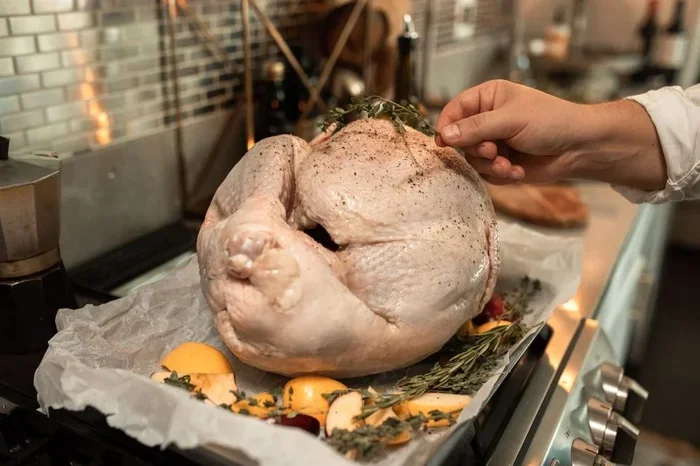
Place aromatic herbs like rosemary, thyme, and sage inside the cavity along with halved onions and citrus halves. These add moisture and fragrance as the turkey roasts. They also contribute to a more flavorful bird overall.
Tips for Crispy Skin and Juicy Meat at 325°F
Everyone wants that perfect balance of crispy skin and juicy meat. Here is how to nail it every time you roast at 325 degrees.
Start with a Hot Oven, Then Drop to 325°F
Some cooks like to start at 400°F for the first 30 minutes. This blast of high heat jumpstarts browning. Then they lower the temperature to 325°F for the rest of the cook. The result is deeply golden skin without drying out the meat.
This trick works especially well for smaller turkeys. Larger birds benefit more from a steady 325°F throughout to ensure even cooking all the way through.
Use a Roasting Rack
Elevating the turkey on a roasting rack allows hot air to flow underneath. This promotes even cooking and prevents the bottom from sitting in drippings and turning soggy. A rack also makes it easier to remove the bird from the pan.
If you do not have a rack, crumple up balls of aluminum foil under the bird. It is a simple workaround that gives similar results.
Tent with Foil Halfway Through
About halfway through cooking, loosely cover the breast with foil. This is called tenting. It shields the thin breast meat from direct heat while the dark meat continues to cook. Remove the foil for the last 30 to 45 minutes to let the skin crisp up.
Tenting prevents the most common complaint about roast turkey: dry breast meat. It is a simple move that makes a huge impact.
Baste Regularly
Basting keeps the surface moist and builds flavor. Use the pan drippings every 45 minutes or so. Do not open the oven too often — each time you lift the door, the temperature drops and cooking time increases. Aim for two or three basting sessions maximum.
Invest in a Meat Thermometer
A turkey thermometer is the single most important tool for roasting. Visual cues like juice color or leg movement are unreliable. Only a thermometer can confirm that the internal temperature has reached 165°F safely.
Insert the thermometer into the thickest part of the thigh, being careful not to touch the bone. The thigh is the last part to cook through, so it is the best indicator of doneness.
Common Mistakes When Roasting Turkey at 325°F
Even experienced cooks make these errors. Avoiding them will put you ahead of the game.
Not Accounting for Carryover Cooking
Carryover cooking is real. After you pull the turkey from the oven, the internal temperature continues to rise 5 to 10 degrees. If you pull the bird at exactly 165°F, it will end up at 170°F or higher. That can be too dry for some tastes.
Many experts recommend pulling the turkey at 160°F in the thigh and letting carryover do the rest. This leaves you with a juicier bird that is still perfectly safe to eat.
Overcrowding the Pan
Give your turkey space. A crowded pan traps steam and slows browning. Use a large enough roasting pan so the bird fits comfortably with room around the edges. This helps heat circulate properly.
Opening the Oven Door Too Often
Every peek drops the oven temperature by 25 to 50 degrees. That adds up over a long cook. Trust the process and resist the urge to check on your bird constantly. Use the oven light and the window if you need to look.
Forgetting to Bring the Turkey to Room Temperature
A cold turkey going into the oven takes longer to cook evenly. Let it sit out for about 30 to 60 minutes before roasting. This reduces the gap between the surface and the center temperatures. It helps the turkey cooking time at 325°F stay closer to your estimates.
Not Preheating the Oven
Always preheat. Putting a turkey into a cold oven throws off your timing significantly. The bird spends too long in the temperature danger zone. Preheat to 325°F at least 15 minutes before the bird goes in.
Resting Your Turkey: The Most Overlooked Step
You have cooked your turkey at 325 degrees perfectly. The thermometer reads 165°F. Now do not cut into it right away.
Resting lets the juices redistribute throughout the meat. When the turkey is hot, the juices are loose and moving around. Cutting immediately causes those juices to spill out onto the cutting board instead of staying in the meat.
Tent the turkey loosely with foil and let it rest for 20 to 30 minutes. This also gives you time to heat the gravy and finish side dishes. A well-rested turkey is noticeably juicier and easier to carve.
Keep in mind that the internal temperature will rise about 5 to 10 degrees during resting. This is another reason to pull the bird a few degrees early. Plan for this resting time when you set your serving schedule.
Expert Insights for a Show-Stopping Turkey
Professional chefs share a few extra secrets that elevate a good turkey to a great one.
- Dry brine overnight instead of wet brining. Rub salt directly on the skin and refrigerate uncovered. This seasons deeply and dries the surface for better crisping.
- Spatchcocking (flattening the bird) reduces cooking time significantly. A spatchcocked turkey at 325°F can cook in under 2 hours for a 12-pounder. This is a great option for smaller gatherings.
- Add a pan of water to the bottom of the oven. It keeps the kitchen humid and prevents drippings from burning. It also makes gravy-making easier later.
- Use dark meat as your temperature guide. The breast can look done while the thigh is still undercooked. Always trust the thigh reading.
Keeping your turkey warm after cooking is also useful if you need to hold it for a big family dinner. Place it in the oven at a low temperature with the door cracked. It stays warm and safe for serving without drying out.
Final Thoughts on Turkey Roasting Times at 325
Roasting a turkey at 325°F is simple, reliable, and forgiving. Follow the timing guidelines, use a thermometer, and give your bird proper rest. You will end up with a juicy, golden, perfectly cooked turkey that everyone at the table will love.
The key to success lies in preparation and patience. Do not rush thawing, do not skip seasoning, and do not forget to let the turkey rest. These small efforts add up to a spectacular Thanksgiving turkey every single time.
Now you have all the knowledge you need. Go ahead, fire up that oven, and roast with confidence. Your perfect bird is waiting.
Conclusion
Turkey roasting times at 325°F offer the perfect balance of convenience, control, and delicious results. Whether your bird is 10 pounds or 22 pounds, the 12 to 15 minutes per pound guideline gives you a reliable starting point. Remember to factor in thawing time, stuffing, and resting to build a complete cooking plan.
Use a thermometer, tent with foil when needed, and always let your turkey rest before carving. These habits separate a good turkey from a legendary one. Now go make your roast turkey the star of the table.
Frequently Asked Questions
How long does it take to roast a 15-pound turkey at 325°F?
A 15-pound thawed turkey at 325°F takes roughly 3 to 3.75 hours. Start checking the internal temperature at the 3-hour mark. The bird is done when the thickest part of the thigh reaches 165°F. If stuffed, add about 30 to 45 minutes to the total time.
Can I cook a frozen turkey at 325°F without thawing?
Yes, but it takes significantly longer — roughly 50% more time than a thawed turkey. A 12-pound frozen turkey may need about 4.5 to 5 hours at 325°F. Cover it with foil for the first half of cooking to help it cook evenly. Always verify doneness with a meat thermometer.
What is the best way to get crispy skin when roasting at 325°F?
Dry the turkey thoroughly after brining or thawing. Rub the skin with herb butter or oil. Start with a brief high-heat blast at 400°F for 30 minutes before lowering to 325°F. Tent with foil halfway through, then remove it for the last 45 minutes to let the skin crisp up fully.
Should I stuff my turkey if I am roasting at 325°F?
Stuffing adds about 30 to 60 minutes to your cooking time at 325°F. If you do stuff it, pack loosely and make sure the stuffing reaches 165°F before serving. Many cooks prefer to cook stuffing separately to save time and ensure even heating throughout the bird.
How do I know when my turkey is done at 325°F?
The only reliable method is a meat thermometer. Insert it into the thickest part of the thigh without touching the bone. The turkey is done at 165°F. You can pull it at 160°F and let carryover cooking bring it up to 165°F during resting for a juicier result.
How long should I let the turkey rest after roasting at 325°F?
Let your turkey rest for 20 to 30 minutes after pulling it from the oven. Tent it loosely with foil to keep it warm. During this time, the internal temperature will rise 5 to 10 degrees, and the juices will redistribute for a much moister and more flavorful bird when you carve it.