
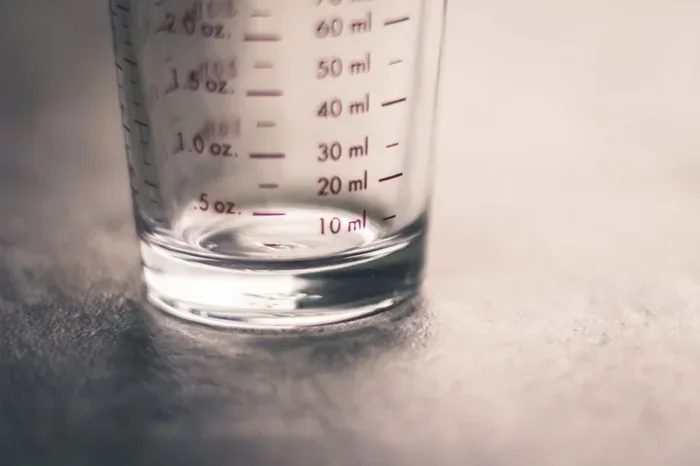
Knowing how many oz in a cup is essential for any home cook or baker. This guide covers liquid and dry conversions, provides a detailed chart, and shares practical tips to get your measurements right every time. Master kitchen conversions and elevate your cooking with confidence.
Have you ever stared at a recipe and wondered exactly how many oz in a cup? You are not alone. This question comes up in kitchens everywhere, from beginner cooks to seasoned chefs. The answer might seem simple, but there is more to it than you think.
Understanding oz in a cup conversions is one of the most useful skills you can build in the kitchen. Whether you are baking a cake, making a soup, or following a meal prep plan, getting your measurements right changes everything. A wrong measurement can mean the difference between a perfect dish and a disappointing one.
In this guide, we break down everything you need to know about oz in a cup. We will cover liquid and dry measurements, share a handy conversion chart, and give you practical tips you can use right away. By the end, you will never second-guess your measurements again.
Key Takeaways
- 1 cup equals 8 fluid ounces for liquid ingredients in the US customary system.
- Dry and liquid measurements are not the same, and using the wrong type of cup can alter your results.
- A clear conversion chart makes it easy to switch between oz in a cup and other units.
- Common mistakes like packing flour too tightly can throw off your measurements significantly.
- Using the right tools such as a liquid measuring cup or dry measuring cup ensures accuracy.
- Metric conversions are simple too, with 1 cup equaling about 240 milliliters.
- Practice makes perfect once you understand the basic principles of volume conversion in the kitchen.
📑 Table of Contents
What Does OZ in a Cup Actually Mean?
Before we dive into numbers, let us clear up what “oz” really means. The term “oz” stands for ounce, a unit of measurement used in the US customary system. But not all ounces are the same, and this is where many people get confused.
Understanding Fluid Ounces vs. Weight Ounces
A fluid ounce measures volume, which is how much space a liquid takes up. A weight ounce, on the other hand, measures how heavy something is. When we talk about oz in a cup, we are almost always referring to fluid ounces for liquids.
Here is the key point: 1 cup equals 8 fluid ounces. This is the standard for liquid measuring in the United States. So when a recipe calls for 1 cup of water, milk, or oil, you need 8 fluid ounces.
The Difference Between Liquid and Dry Measurements
This is where things get tricky. Dry ingredients like flour, sugar, and oats do not behave the same way as liquids. A cup of flour does not weigh the same as a cup of sugar. And when you scoop flour into a cup, you might pack in more than you think.
For dry ingredients, you should use a dry measuring cup and level it off with a straight edge. For liquids, a liquid measuring cup with a pouring spout and measurement markings works best. Using the right tool makes a big difference in your cooking measurements and baking conversions.
If you ever need to measure liquids for a coffee maker, check out our guide on how to measure coffee in a coffee maker for helpful tips on getting liquid volumes right.
How Many OZ in a Cup for Different Ingredients
The short answer for liquids is always 8 fluid ounces per cup. But for dry ingredients, the weight varies. Let us break this down by ingredient type so you always know what to expect.
Liquid Ingredients
Liquid volume conversion is straightforward. Here are some common liquids and their cup-to-ounce relationship:
- Water: 1 cup = 8 fluid ounces = 240 milliliters
- Milk: 1 cup = 8 fluid ounces = 240 milliliters
- Cooking oil: 1 cup = 8 fluid ounces = 240 milliliters
- Broth or stock: 1 cup = 8 fluid ounces = 240 milliliters
- Juice: 1 cup = 8 fluid ounces = 240 milliliters
Notice the pattern? All liquids follow the same rule. This is because volume conversion for liquids stays consistent regardless of the type of liquid. The US customary units system makes this simple for everyday cooking.
Dry Ingredients
Dry ingredients are a different story. The weight of 1 cup varies depending on the ingredient. Here is a quick look at common dry ingredients:
- All-purpose flour: 1 cup weighs about 4.5 ounces (120 grams)
- Granulated sugar: 1 cup weighs about 7 ounces (200 grams)
- Brown sugar (packed): 1 cup weighs about 7.5 ounces (215 grams)
- Rolled oats: 1 cup weighs about 3 ounces (85 grams)
- Cornmeal: 1 cup weighs about 5.5 ounces (155 grams)
As you can see, the weight changes a lot. This is why a kitchen conversion guide that accounts for different ingredients is so valuable. If you are ever unsure, a kitchen scale is your best friend for accurate recipe measurements.
Common Ingredients at a Glance
Here is a quick comparison table for easy reference:
| Ingredient | 1 Cup Volume | Weight in Ounces |
|---|---|---|
| Water | 8 fl oz | 8 oz (by volume) |
| Milk | 8 fl oz | 8.6 oz (by weight) |
| All-Purpose Flour | 8 fl oz | 4.5 oz |
| Granulated Sugar | 8 fl oz | 7 oz |
| Brown Sugar (Packed) | 8 fl oz | 7.5 oz |
| Rolled Oats | 8 fl oz | 3 oz |
See the difference? The volume stays the same at 1 cup, but the weight varies. This is why it matters whether you are measuring by volume or by weight. For the most accurate cooking tips, always follow the recipe’s instructions on how to measure.
If you are working with an Instant Pot and need to measure boiling liquids, our guide on how to boil in Instant Pot has helpful measurement tips for liquid ratios.
The Complete OZ to Cup Conversion Chart
Having a ready-made chart saves time and reduces errors. Here is a full measurement chart for converting between cups and fluid ounces:
- 1/4 cup = 2 fluid ounces
- 1/3 cup = 2.7 fluid ounces
- 1/2 cup = 4 fluid ounces
- 2/3 cup = 5.3 fluid ounces
- 3/4 cup = 6 fluid ounces
- 1 cup = 8 fluid ounces
- 1.5 cups = 12 fluid ounces
- 2 cups = 16 fluid ounces (1 pint)
- 4 cups = 32 fluid ounces (1 quart)
- 8 cups = 64 fluid ounces (1 gallon)
This chart covers the most common conversions you will encounter in everyday cooking. Print it out or save it to your phone for quick reference. When you are in the middle of a recipe and need to double or halve amounts, this chart becomes your best tool.
For metric conversion purposes, remember that 1 fluid ounce equals about 29.57 milliliters. So 1 cup is roughly 240 milliliters. Most kitchen scales also have a milliliter setting if you prefer metric measurements.
Common Mistakes When Measuring OZ in a Cup
Even experienced cooks make measurement mistakes. Knowing what to avoid helps you get better results every time. Here are the most common errors people make when measuring oz in a cup.
Packing Dry Ingredients Too Tightly
One of the biggest mistakes is packing flour or brown sugar into the cup too firmly. This adds extra weight and changes the ratio of your recipe. The right way is to spoon the ingredient into the cup and then level it off with a knife or straight edge. Never tap the cup or shake it down.
Using the Wrong Type of Cup
Using a dry measuring cup for liquids leads to spills and inaccurate amounts. Similarly, using a liquid measuring cup for dry ingredients means you cannot level the top properly. Always match your measuring tool to the type of ingredient you are working with.
Not Checking the Measurement at Eye Level
When using a liquid measuring cup, always place it on a flat surface and bend down to read the measurement at eye level. Looking from above or below gives you a false reading. This small habit makes a big difference in accuracy.
Ignoring Temperature Effects
Did you know that the temperature of a liquid can affect its volume slightly? Warm liquids expand and cold liquids contract. For most home cooking, this difference is tiny. But for precision baking, using room temperature liquids gives the most consistent results.
If you are reheating leftovers and need to measure liquids, our guide on how to reheat rice in a rice cooker includes helpful tips on measuring water and liquid ratios for perfect results.
Quick Tips for Perfect Measurements Every Time
Getting great measurements every time is easier than you think. Follow these simple cooking tips and you will see an immediate improvement in your cooking and baking.
- Always use the right measuring tool. Liquid ingredients go in a liquid measuring cup. Dry ingredients go in a dry measuring cup.
- Level off dry ingredients. Use a straight edge like a butter knife to sweep off the excess.
- Do not pack ingredients unless the recipe says to. Brown sugar is the main exception, and it should be packed firmly but not crushed.
- Use a kitchen scale for precision. Especially for baking, weighing ingredients in ounces or grams gives you the most reliable results.
- Keep your measuring cups clean and dry. Residue from the last use can affect the next measurement.
- Double-check your conversion. When in doubt, refer to a trusted volume conversion chart or online converter.
These small habits add up to big improvements. Your dishes will taste better, and your baking will rise more consistently. Over time, these kitchen measurements will become second nature.
Why Accurate Measurements Matter in Cooking
Cooking is part science and part art. But when it comes to baking, the science part really matters. Baking is a chemical process, and the ratio of ingredients determines the outcome. Too much flour makes bread dense. Too little liquid makes batter dry.
For savory cooking like soups, stews, and sauces, accurate measurements still matter. Too much broth dilutes the flavor. Too little seasoning leaves a dish flat. Understanding oz in a cup helps you control the final result.
Beyond the dish itself, accurate measurements save you money. When you measure correctly, you use only what you need. This reduces waste and keeps your grocery budget in check. It also makes it easier to scale recipes up or down for different serving sizes.
Whether you are a beginner just starting out or a seasoned cook looking to refine your skills, mastering cup to ounce conversions is a worthwhile investment. It builds confidence and opens the door to trying new recipes without fear of failure.
Remember, the goal is not perfection. It is consistency. Once you understand how oz in a cup works and build good measuring habits, you will cook with more confidence and enjoy better results every single time.
Conclusion
Now you know everything about oz in a cup. We covered the difference between liquid and dry measurements, shared a complete conversion chart, and highlighted common mistakes to avoid. The key takeaway is simple: 1 cup equals 8 fluid ounces for liquids, but dry ingredients vary by weight.
Use the tips and charts in this guide to improve your kitchen conversion skills today. Keep a measurement chart handy in your kitchen, and do not be afraid to invest in a good kitchen scale. These small tools make a huge difference.
The next time you step into the kitchen and see a recipe that calls for oz in a cup, you will know exactly what to do. Happy cooking!
Frequently Asked Questions
How many fluid ounces are in one cup?
One cup equals 8 fluid ounces in the US customary system. This is the standard conversion for liquid measurements in most American recipes. For metric measurements, 1 cup is approximately 240 milliliters.
Does 1 cup of dry ingredients weigh the same as 1 cup of liquid?
No, they do not. The volume is the same at 1 cup, but the weight varies depending on the ingredient. For example, 1 cup of flour weighs about 4.5 ounces, while 1 cup of water weighs 8 ounces. Always check the specific weight for each dry ingredient.
Can I use a regular drinking cup for cooking measurements?
No, you should not. A regular drinking cup is not standardized and can hold anywhere from 6 to 12 ounces. Always use proper measuring cups designed for cooking to ensure your recipe measurements are accurate and consistent.
How do I convert oz in a cup to metric units?
To convert fluid ounces to milliliters, multiply the number of fluid ounces by 29.57. So 8 fluid ounces (1 cup) equals about 240 milliliters. For weight ounces to grams, the conversion depends on the ingredient and its density.
Why do my baked goods turn out differently even when I follow the recipe?
Inaccurate measurements are the most common reason. Packing flour too tightly, using the wrong type of measuring cup, or not leveling off dry ingredients can all change the ratio of your recipe. Using a kitchen scale for weighing ingredients in ounces or grams gives you the most reliable results.
Is there a difference between a US cup and a metric cup?
Yes, there is a small difference. A US cup holds 8 fluid ounces or about 240 milliliters. A metric cup, used in some countries, holds 250 milliliters. This difference is small but can matter in precision baking. Most American recipes use the US cup standard.



