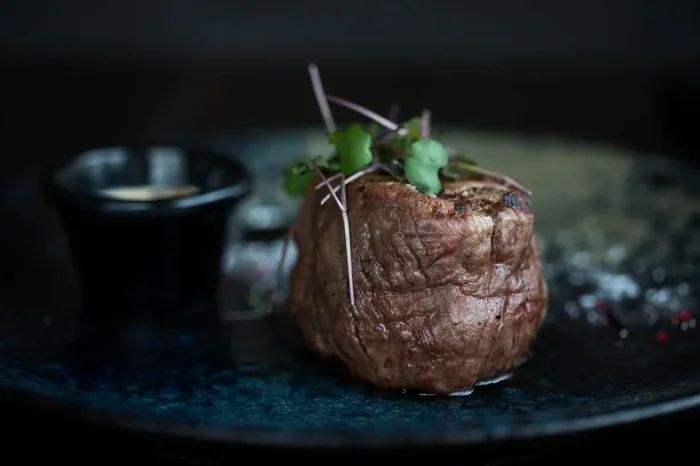
The filet mignon doneness chart is your ultimate guide to cooking the perfect steak every single time. Whether you prefer a rare, medium rare, or well-done filet mignon, knowing the exact internal temperature makes all the difference. This chart breaks down every level of doneness with clear temperatures, visual cues, and practical tips you can use right away.
There is nothing quite like a perfectly cooked filet mignon. The tender, buttery texture and rich flavor make it one of the most beloved cuts of beef. But getting it just right can feel tricky. That is where a filet mignon doneness chart becomes your best friend in the kitchen.
Whether you are grilling for a special occasion or cooking a weeknight dinner, knowing exactly how done you want your steak is the first step. A doneness chart gives you clear temperatures, visual cues, and timing guidance. It removes all the guesswork. In this guide, we will walk you through everything you need to know about cooking filet mignon to perfection.
We will cover every level of doneness, share practical cooking tips, and help you avoid the mistakes that ruin a great steak. By the end, you will feel confident enough to cook a juicy, restaurant-quality filet mignon at home every single time.
Key Takeaways
- Temperature is everything: A meat thermometer is the single most important tool for achieving perfect doneness.
- Resting your steak matters: Letting filet mignon rest for 5-8 minutes keeps juices locked inside.
- Medium rare is the sweet spot: Most chefs recommend 130-135°F for the best balance of flavor and tenderness.
- Searing creates flavor: A hot cast iron skillet gives your steak a beautiful charred crust.
- Thickness affects cooking time: A 2-inch thick filet mignon cooks differently than a 1-inch cut.
- Avoid common mistakes: Cutting into the steak too early and skipping the rest are the top errors home cooks make.
📑 Table of Contents
What Is Filet Mignon and Why Does Doneness Matter?
Filet mignon comes from the smaller end of the tenderloin. It is one of the most tender cuts of beef available. Because it has less fat compared to other steaks, it cooks faster and can dry out quickly if you are not careful. This is exactly why a filet mignon doneness chart is so valuable.
Doneness refers to how cooked through your steak is. Each level changes the texture, color, and juiciness of the meat. A rare filet mignon will be cool red in the center, while a well-done filet mignon will be gray-brown throughout. The difference is not just visual. It affects how the steak feels when you bite into it.
Understanding doneness also matters for food safety. The USDA recommends cooking beef to at least 145°F for safety. However, many steak lovers prefer temperatures below that for rare and medium rare steaks. Knowing where you stand on this spectrum helps you cook with confidence.
The Tenderloin Cut Explained
The tenderloin is a long, narrow muscle that runs along the cow’s backbone. Because it does very little work, it stays incredibly tender. Filet mignon is cut from this muscle, usually about 2 to 3 inches thick. The lack of marbling means this cut relies heavily on proper cooking technique. A meat thermometer is essential here because you cannot rely on color alone.
The Filet Mignon Doneness Chart
This is the heart of the guide. The filet mignon doneness chart breaks down every level of doneness with temperatures, descriptions, and what to expect. Use this chart as your go-to reference every time you cook steak.
Temperature Guide for Each Level
Here is a simple breakdown of the five main levels of steak doneness:
- Rare: 120-125°F internal temperature. The center is bright red and cool. The steak feels very soft when you press it.
- Medium Rare: 130-135°F internal temperature. A warm red center with a soft, juicy texture. This is the most popular choice among steak lovers.
- Medium: 140-145°F internal temperature. A pink center that is slightly firmer. A good balance of juice and structure.
- Medium Well: 150-155°F internal temperature. A hint of pink left, but mostly gray-brown. Firmer to the touch.
- Well Done: 160°F and above. No pink remaining. The steak is firm throughout and tends to be drier.
Visual Cues to Look For
Beyond temperature, your steak gives visual clues about its doneness. When you cut into a rare filet mignon, the center will be distinctly red and slightly translucent. A medium rare filet mignon shows a warm red-pink center. As you move up the scale, the pink shrinks and the brown area grows. These visual cues are helpful, but always confirm with a thermometer for accuracy.
How Resting Time Affects Final Temperature
One thing many people overlook is carryover cooking. After you remove your steak from the heat, the internal temperature continues to rise by about 5°F. This means if you want a medium rare steak at 135°F, you should pull it off the heat at around 130°F. Letting the steak rest allows the juices to redistribute, giving you a more even and moist bite.
How to Cook Filet Mignon to Your Preferred Doneness
Now that you know the chart, let us talk about how to actually cook your filet mignon. There are several methods that work beautifully for this cut.
Pan-Searing in a Cast Iron Skillet
Pan-searing is one of the best ways to cook filet mignon at home. A cast iron skillet holds heat incredibly well, which helps create a beautiful charred crust on the outside. Here is a simple process:
- Take your steak out of the refrigerator 30 minutes before cooking. Let it come to room temperature.
- Pat the steak dry with a paper towel. This helps achieve a better sear.
- Season generously with salt and pepper.
- Heat your cast iron skillet over high heat until it is smoking hot.
- Add a high smoke-point oil like avocado oil.
- Place the steak in the skillet and sear for 2-3 minutes per side.
- Add a tablespoon of butter, garlic, and fresh thyme for basting butter flavor.
- Use a meat thermometer to check the internal temperature.
- Remove the steak and let it rest for 5-8 minutes before serving.
Grilling Your Filet Mignon
Grilling adds a wonderful smoky flavor that pairs perfectly with filet mignon. Preheat your grill to high heat. Sear the steak over direct heat for about 3 minutes per side, then move it to indirect heat to finish cooking. A filet mignon doneness chart is especially helpful here because grilling temperatures can fluctuate. Always check with a thermometer.
Oven-Baked Filet Mignon
For a hands-off approach, oven-baking works great. Sear both sides in a hot skillet first, then transfer the skillet to a preheated oven at 400°F. Bake for about 6-10 minutes depending on thickness. This method gives you even cooking and a gorgeous crust. Again, use a meat thermometer to hit your target temperature.
Sous Vide Method
If you want absolute precision, sous vide is the way to go. Vacuum-seal your seasoned filet mignon and cook it in a water bath set to your exact desired temperature. For medium rare, set it to 130°F and cook for 1-2 hours. Finish with a quick, hard sear in a hot skillet for 30 seconds per side. This method produces incredibly consistent results every time.
Tools You Need for Perfect Doneness
Cooking a great filet mignon does not require fancy equipment, but a few tools make a big difference.
Meat Thermometer
This is the single most important tool for any steak cook. A digital instant-read thermometer gives you accurate readings in seconds. Insert it into the thickest part of the steak, away from the bone or fat. Without a thermometer, you are basically guessing. A filet mignon doneness chart means nothing if you do not measure the temperature correctly.
Cast Iron Skillet
A cast iron skillet retains heat beautifully and creates an even, powerful sear. It also goes from stovetop to oven, which makes it incredibly versatile. If you do not have one yet, it is worth investing in. Your steaks will thank you.
Tongs and Resting Board
Use long tongs to flip your steak without piercing it. Piercing releases juices and can dry out your filet mignon. A wooden resting board helps keep the steak elevated while it rests, allowing air to circulate and juices to settle.
Common Mistakes That Ruin Filet Mignon
Even experienced cooks make mistakes. Here are the most common ones to watch out for.
Starting with a Cold Steak
Cooking a cold steak straight from the fridge leads to uneven cooking. The outside overcooks while the center stays too cold. Always let your filet mignon sit at room temperature for 20-30 minutes before cooking.
Skipping the Rest
Cutting into your steak immediately after cooking releases all those beautiful juices onto the cutting board. Let it rest for at least 5-8 minutes. The juices redistribute and your steak stays moist and flavorful.
Not Using a Thermometer
The finger test for doneness is unreliable. Touch and pressure vary from person to person. A meat thermometer removes all doubt and takes the guesswork out of cooking.
Overcooking the Steak
Filet mignon is lean and tender. It does not need long cooking times. Overcooking turns a potentially amazing steak into a dry, tough piece of meat. Stick to the temperatures in the filet mignon doneness chart and pull the steak off the heat a few degrees early to account for carryover.
Neglecting the Sear
While internal temperature is the goal, the sear adds a layer of flavor that elevates your steak. Do not skip the initial high-heat sear. A charred crust on filet mignon creates a contrast in texture that makes every bite more exciting.
Expert Tips for a Perfect Filet Mignon Every Time
Here are some pro-level tips that will take your filet mignon game to the next level.
- Dry brine your steak: Salt your filet mignon 1-2 hours before cooking. The salt draws out moisture, which then gets reabsorbed. This seasons the meat deeply and creates a better crust.
- Use compound butter: A mix of softened butter, garlic, rosemary, and a pinch of salt adds incredible richness. Place a dollop on top of your rested steak and let it melt over the meat.
- Sear twice for extra crust: After the initial sear, let the steak rest for 5 minutes, then sear again for 30 seconds per side. This builds an even thicker crust without overcooking the center.
- Keep a notebook: Write down your cooking times and temperatures for each steak. Over time, you will learn exactly how your stove, grill, and oven behave. This personal data is gold.
- Sharpen your knife before serving: A sharp knife makes slicing filet mignon clean and effortless. Check out our guide on how to sharpen a filet knife for tips on keeping your blade in top shape.
Quick Tips Recap
Keep these quick tips in mind every time you cook filet mignon:
- Room temperature steak sears better and cooks more evenly.
- Always pat the steak dry before seasoning.
- High heat for the sear, then lower heat or oven to finish.
- Use a thermometer every single time.
- Rest your steak for at least 5 minutes before cutting.
- Add butter and aromatics during the last minute of cooking for extra flavor.
Conclusion
Cooking the perfect filet mignon is a skill anyone can learn. The filet mignon doneness chart gives you the foundation you need to cook steak exactly the way you like it. From rare to well done, every level has its own charm and its own ideal temperature. Use a thermometer, let your steak rest, and pay attention to the sear. These small steps make a massive difference in the final result.
The beauty of a great filet mignon is in its simplicity. A quality cut, proper seasoning, the right heat, and a little patience. Once you master the doneness levels and internal temperatures, you will never second-guess your steak again. Keep this guide handy, practice often, and soon enough, cooking a perfectly juicy filet mignon will feel like second nature.
Your next steak dinner is going to be a hit. Trust the chart, trust your thermometer, and enjoy every bite.
Frequently Asked Questions
What is the best doneness for filet mignon?
Most chefs and steak lovers agree that medium rare is the best doneness for filet mignon. At 130-135°F, the steak stays juicy, tender, and full of flavor. The tenderloin cut is naturally lean, so medium rare preserves the moisture that makes filet mignon so special.
How do I know when my filet mignon is done without a thermometer?
You can use the finger press test. Press the center of the steak with your finger. Rare feels very soft, medium rare feels soft with slight resistance, medium feels firm but still gives, and well done feels very firm. However, a meat thermometer is far more accurate and highly recommended for consistent results.
Can filet mignon be cooked to well done?
Yes, but it is not recommended. Filet mignon is a lean cut with very little fat. Cooking it to well done at 160°F or above will cause the steak to lose a lot of moisture and become tough. If you must cook it well done, use a lower temperature and add basting butter to keep it as juicy as possible.
How long should I rest my filet mignon after cooking?
Rest your filet mignon for at least 5-8 minutes after removing it from the heat. This allows the juices to redistribute throughout the meat. Cutting too early releases those juices onto the plate, leaving you with a drier steak. A short rest makes a big difference.
What is carryover cooking and how does it affect doneness?
Carryover cooking means the internal temperature of your steak continues to rise after you remove it from the heat source. This can add 3-5°F depending on the thickness of the cut. To account for this, pull your steak off the heat 5°F below your target temperature and let it rest.
Is sous vide better than pan-searing for filet mignon?
Sous vide offers incredible precision and consistency, making it a favorite for many home cooks. Pan-searing gives you a faster, more hands-on experience with a great crust. Both methods work beautifully for filet mignon. Many chefs combine both by sous vide cooking first, then finishing with a hot pan sear for the best of both worlds.
=== INTERNAL LINKS ===
For more tips on preparing your steak knife, check out our guide on how to sharpen a filet knife to make slicing your perfectly cooked steak a breeze.