
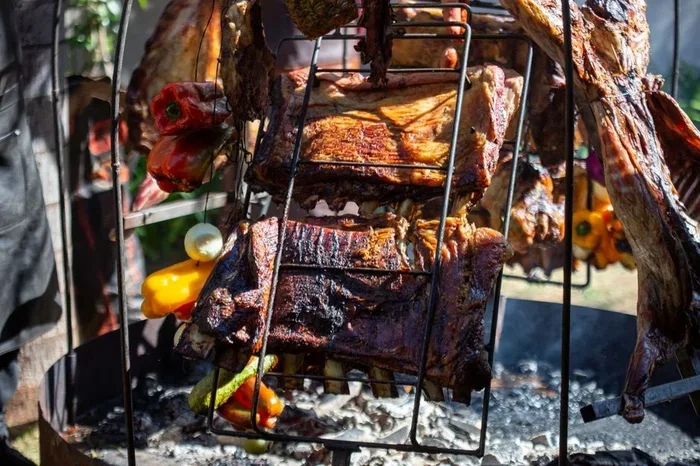
Our prime rib cooking time chart helps you roast the perfect standing rib roast with ease. You will learn the exact cooking times for rare, medium, and well done prime rib based on roast size and oven temperature. This guide covers preparation, cooking, resting, and carving tips so you can serve a show stopping prime rib every time.
A perfectly cooked prime rib is one of the most impressive things you can serve at a dinner table. Whether it is a holiday gathering or a weekend celebration, a juicy standing rib roast makes everyone feel special. But getting it just right can feel tricky. That is where a prime rib cooking time chart comes in handy.
A cooking time chart takes all the confusion out of roasting. You simply look up your roast size, pick your desired doneness, and follow the time and temperature guide. No more guessing. No more dry meat. In this article, we walk you through everything you need to know about using a prime rib cooking time chart to get perfect results every single time.
We will cover how long to cook prime rib at different temperatures, what internal temperatures to aim for, and simple tips that make a big difference. Whether you are a beginner or a seasoned home cook, this guide has something useful for you. Let us dive in.
Key Takeaways
- Use a cooking time chart: A prime rib cooking time chart takes the guesswork out of roasting and helps you plan your meal with confidence.
- Internal temperature matters most: Always use a meat thermometer to check the prime rib internal temperature for your desired doneness.
- Rest your roast: Letting the prime rib rest for at least 20 minutes keeps the juices inside and makes carving easier.
- Size affects cooking time: A larger bone in prime rib roast takes longer to cook than a smaller one, so adjust your timing accordingly.
- Save the drippings: Prime rib drippings are perfect for making gravy or saving in a best grease container for reusable cooking oil.
- Prep ahead for best flavor: Dry brining and seasoning the night before gives your prime rib a deeper, more flavorful crust.
📑 Table of Contents
- Why You Need a Prime Rib Cooking Time Chart
- Understanding Prime Rib Cooking Times by Weight
- Prime Rib Temperature Guide for Perfect Doneness
- Step by Step Guide to Roasting Prime Rib
- Common Mistakes to Avoid When Roasting Prime Rib
- Expert Tips for the Best Prime Rib Ever
- Prime Rib Cooking Time Chart Quick Reference
- Final Thoughts on Using a Prime Rib Cooking Time Chart
Why You Need a Prime Rib Cooking Time Chart
Roasting a prime rib without a plan is like driving without a map. You might get there, but it could take a lot longer and you might make wrong turns along the way. A prime rib cooking time chart gives you a clear roadmap from start to finish.
Here is why a chart is so helpful:
- It removes guesswork: You know exactly how long to cook your roast based on its weight and your oven temperature.
- It helps with timing: If you are cooking for guests, knowing the exact time lets you plan when to put the roast in the oven.
- It improves consistency: Using a chart means you get great results every time, not just by luck.
- It builds confidence: Even if you have never roasted a prime rib before, a chart makes the process feel simple and doable.
The best part is that charts are easy to find and even easier to follow. You do not need to be a professional chef to roast a stunning prime rib. A little planning goes a long way.
Understanding Prime Rib Cooking Times by Weight
The most important factor in your prime rib cooking time chart is the weight of the roast. A smaller roast cooks faster than a larger one. Here is a general breakdown of cooking times based on roast size.
Small Roasts (2 to 4 Pounds)
A small bone in prime rib roast takes about 15 to 20 minutes per pound at 325°F. For a 3-pound roast, you are looking at roughly 45 to 60 minutes of total cook time. These smaller roasts are great for intimate dinners or small families.
Medium Roasts (5 to 7 Pounds)
This is the most common size for a prime rib roast. Plan for about 13 to 17 minutes per pound at 325°F. A 6-pound roast will take around 1 hour and 18 minutes to 1 hour and 42 minutes. This size feeds about 6 to 8 people comfortably.
Large Roasts (8 to 10 Pounds)
Bigger roasts need more time but still follow the same per-pound guidelines. A 10-pound roast at 325°F will take roughly 2 hours and 10 minutes to 2 hours and 50 minutes. Always use a meat thermometer to check the internal temperature rather than relying on time alone.
Extra Large Roasts (10+ Pounds)
For very large standing rib roasts, cooking time can stretch to 20 minutes per pound or more. These roasts benefit from a slightly lower temperature of 300°F to ensure even cooking all the way through. Patience is key with larger cuts.
Prime Rib Temperature Guide for Perfect Doneness
Time is only half the equation. Temperature is what truly determines how your prime rib turns out. A reliable meat thermometer is your best friend in the kitchen. Here are the internal temperatures you should aim for based on how you like your roast.
Rare Prime Rib
A rare prime rib has a warm red center. Pull the roast off the heat when the internal temperature reaches 120°F to 125°F. The meat will continue to cook as it rests, so the final temperature will rise a few degrees.
Medium Rare Prime Rib
Medium rare is the most popular choice for prime rib. It has a pink center that is juicy and tender. Pull the roast at 130°F to 135°F. After resting, the temperature will stabilize around 135°F to 140°F.
Medium Prime Rib
If you prefer your roast more cooked through, aim for 140°F to 145°F. This gives you a pink center that is slightly firmer but still moist. Many people find this to be a comfortable middle ground.
Well Done Prime Rib
Well done prime rib is cooked all the way through with little or no pink. Pull the roast at 155°F to 160°F. Keep in mind that well done prime rib can be drier than other levels, so it helps to use a higher fat cut.
| Doneness | Pull Temperature | Final Temperature After Rest | Texture |
|---|---|---|---|
| Rare | 120°F – 125°F | 125°F – 130°F | Warm red center, very juicy |
| Medium Rare | 130°F – 135°F | 135°F – 140°F | Pink center, juicy and tender |
| Medium | 140°F – 145°F | 145°F – 150°F | Slightly pink, firmer texture |
| Well Done | 155°F – 160°F | 160°F+ | Cooked through, less juicy |
Step by Step Guide to Roasting Prime Rib
Now that you understand the basics of time and temperature, let us walk through the actual roasting process step by step. Following these steps will help you get the best possible results.
Step 1: Prep the Night Before
Take your prime rib out of the refrigerator the night before you plan to cook it. Let it sit uncovered on a rack. This dries out the surface slightly, which helps create a beautiful brown crust. Season the roast generously with salt, pepper, and any herbs you like. Garlic cloves and fresh rosemary work wonderfully.
Step 2: Preheat Your Oven
Preheat your oven to 325°F for most prime rib roasts. If you are using a very large cut, consider lowering the temperature to 300°F for more even cooking. Let the oven fully heat up before you put the roast in.
Step 3: Sear the Roast
Place the prime rib in a roasting pan and sear it at a higher temperature of 450°F for the first 15 to 20 minutes. This step creates a flavorful dark crust on the outside. After searing, reduce the heat to your target cooking temperature.
Step 4: Cook and Monitor
Insert a meat thermometer into the thickest part of the roast, away from the bone. Check the temperature regularly as you approach your target. Use a long handled tool like a best extra long wooden spoon for cooking when you need to baste or check the pan juices.
Step 5: Rest the Roast
Once the prime rib reaches your target temperature, take it out of the oven and let it rest for at least 20 to 30 minutes. Cover it loosely with foil. During this time, the juices redistribute throughout the meat, making every slice tender and flavorful. If you are handling a very hot pan, consider wearing best heat resistant arm sleeves for cooking to protect your forearms.
Step 6: Carve and Serve
Carve against the grain for the most tender slices. Serve with au jus or a simple pan gravy made from the drippings. Those drippings are too good to waste. Store any leftover fat in a best grease container for reusable cooking oil so you can use it for cooking later in the week.
Common Mistakes to Avoid When Roasting Prime Rib
Even with a prime rib cooking time chart, mistakes can happen. Here are the most common ones and how to avoid them.
- Skipping the rest: Cutting into the roast too early lets all the juices run out. Always let it rest for at least 20 minutes.
- Not using a thermometer: Time alone is not enough. Every oven is different, and a thermometer takes the guesswork out completely.
- Cooking at too high a temperature the whole time: High heat all the way through can burn the outside while leaving the inside undercooked. Start hot, then lower the temperature.
- Over seasoning: A little salt and pepper goes a long way. Too much seasoning can mask the natural flavor of the meat.
- Ignoring carryover cooking: The roast continues to cook after you take it out. Pull it off the heat a few degrees before your target temperature.
Avoiding these mistakes will save you from a lot of frustration. Keep your eye on the thermometer and trust the process.
Expert Tips for the Best Prime Rib Ever
Want to take your prime rib to the next level? Here are some tips from experienced cooks and chefs.
- Dry brine for 24 hours: Rub the roast with salt and leave it uncovered in the fridge overnight. This draws out moisture and then reabsorbs it, creating a more flavorful and juicy roast.
- Use bone in cuts: Bone in prime rib roasts have more flavor and stay juicier during cooking. The bone also acts as a natural insulator.
- Let the roast come to room temperature: Take the prime rib out of the fridge about 2 hours before cooking. A room temperature roast cooks more evenly.
- Make a simple pan gravy: Use the drippings from the roasting pan, add a little flour and beef broth, and you have a rich gravy that pairs perfectly with prime rib.
- Save leftovers creatively: Leftover prime rib makes amazing sandwiches, hash, or even a quick prime rib fried rice the next day.
These small extra steps can make a huge difference in the flavor and texture of your roast. The best prime rib comes from a combination of good technique and a little patience.
Prime Rib Cooking Time Chart Quick Reference
Here is a quick reference guide you can use the next time you roast a prime rib. These times are based on cooking at 325°F for a bone in roast.
- 2 to 3 pounds: 30 to 50 minutes for medium rare
- 4 to 5 pounds: 55 to 85 minutes for medium rare
- 6 to 7 pounds: 90 to 120 minutes for medium rare
- 8 to 10 pounds: 125 to 170 minutes for medium rare
- 10+ pounds: 170+ minutes for medium rare
Remember, these are starting points. Always check the internal temperature with a thermometer to confirm your prime rib is done exactly the way you like it. Adjust times slightly if you prefer rare or well done.
Final Thoughts on Using a Prime Rib Cooking Time Chart
Roasting a prime rib does not have to be stressful. With a reliable prime rib cooking time chart, some basic prep, and a good thermometer, you can serve a restaurant quality roast right in your own kitchen. The key is to plan ahead, monitor the temperature, and let the roast rest properly before slicing.
Use this guide as your go-to reference every time you plan a prime rib dinner. You will find that the process becomes easier and more enjoyable with each roast. Soon, you will be the person everyone turns to for advice on how to cook the perfect prime rib. Happy roasting.
Frequently Asked Questions
How long does it take to cook a 5 pound prime rib?
At 325°F, a 5 pound prime rib roast takes about 1 hour and 15 minutes to 1 hour and 45 minutes for medium rare. Always use a meat thermometer to check the internal temperature and adjust based on your preferred doneness.
What temperature should I cook prime rib to?
The ideal internal temperature depends on your preference. Pull a rare prime rib at 120°F to 125°F, medium rare at 130°F to 135°F, and medium at 140°F to 145°F. Remember that the temperature will rise a few degrees as the roast rests.
Should I cover prime rib while it rests?
Yes, loosely cover the roast with aluminum foil during the resting period. This keeps the heat in without trapping too much steam, which could make the crust soggy. A 20 to 30 minute rest is ideal for most roasts.
Can I cook prime rib from frozen?
It is best to thaw your prime rib in the refrigerator for 24 to 48 hours before cooking. Cooking from frozen leads to uneven cooking and can significantly affect the texture and flavor of the final result.
How do I know when my prime rib is done without a thermometer?
A thermometer is the most reliable way to check doneness. However, you can also use the finger test by pressing the meat and comparing the firmness to the feel of your palm. This method takes practice and is less accurate than using a thermometer.
What size prime rib do I need per person?
Plan for about 1/2 pound of bone in prime rib per person if you are serving it as the main course. For a smaller appetite or if you are offering multiple dishes, 1/3 pound per person should be enough.



