
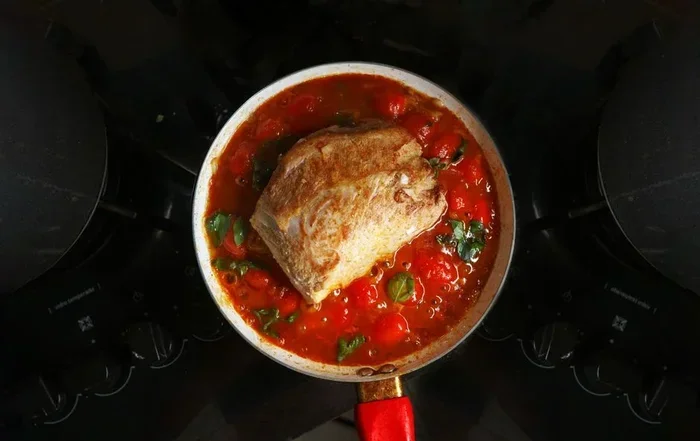
Braised pork is a slow-cooked, flavorful dish that turns tough cuts into melt-in-your-mouth meals. This guide covers everything you need to know, including the best cuts, step-by-step techniques, and delicious flavor variations. Whether you are a beginner or a seasoned cook, you will find practical tips to make perfect braised pork every time.
There is something magical about braised pork. You take a tough, inexpensive cut of meat, add some liquid, and let time do the heavy lifting. A few hours later, you have a dish that is falling apart with flavor and tenderness. It is comfort food at its finest, and it is easier to make than you might think.
If you have ever wondered how restaurants get their pork so tender and juicy, the answer is simple: braising. This cooking method has been around for centuries, and for good reason. It works. Whether you are cooking for a family dinner or meal prepping for the week, braised pork delivers every single time.
In this guide, we will walk you through everything you need to know. We will cover the best cuts, the step-by-step process, flavor ideas, and common mistakes to avoid. By the end, you will feel confident enough to braise pork like a pro.
Key Takeaways
- Braising transforms tough pork cuts into tender, juicy meals through low and slow cooking in liquid.
- The best cuts for braised pork include pork shoulder, pork belly, and bone-in chops because they have plenty of connective tissue and fat.
- A proper braising liquid — made with broth, wine, or spices — is the secret to deep, rich flavor.
- Braising takes 2 to 4 hours depending on the cut, and it is one of the easiest hands-off cooking methods.
- Braised pork works great for meal prep and makes excellent leftovers for sandwiches, tacos, and soups.
- Avoid common mistakes like using lean cuts, skipping the sear, or opening the lid too often.
📑 Table of Contents
- What Is Braised Pork and Why It Is So Popular
- The Science Behind Braising Pork
- Best Cuts of Pork for Braising
- How to Braise Pork: A Step-by-Step Guide
- Braised Pork Recipes and Flavor Variations
- Common Mistakes to Avoid When Braising Pork
- Storing and Using Leftover Braised Pork
- Expert Tips for Perfect Braised Pork Every Time
- Frequently Asked Questions
- Conclusion
What Is Braised Pork and Why It Is So Popular
Braised pork is a cooking method where pork is seared first and then simmered slowly in a covered pot with liquid. The low heat and moisture break down the tough fibers in the meat, leaving it incredibly tender. Think of it as a bridge between roasting and stewing.
The reason braised pork is so popular comes down to two things: flavor and convenience. The long cooking time lets the meat absorb all the flavors from the braising liquid. Spices, herbs, vegetables, and liquids all meld together into something rich and satisfying. And because it is a mostly hands-off process, you can prep it and walk away.
Braised Pork vs. Other Pork Cooking Methods
Not all pork cooking methods are the same. Here is how braised pork compares to some popular alternatives:
- Roasting: Uses dry heat in an oven. Great for leaner cuts but can dry out pork if not watched carefully.
- Grilling: Adds smoky flavor but requires more attention and skill to avoid overcooking.
- Slow Cooking: Similar to braising but uses less liquid. Great for set-it-and-forget-it meals.
- Pan-Frying: Quick and easy but works best for thinner cuts like pork chops.
What sets braising apart is the combination of searing and slow simmering. You get a caramelized crust on the outside and a silky, tender interior. No other method quite matches that texture and depth of flavor.
If you love slow-cooker pork chop recipes, you will appreciate how braising offers even more control over the final result. You can adjust the liquid, spices, and cooking time to suit your exact taste.
The Science Behind Braising Pork
Braising might feel like magic, but it is actually pure science. Understanding what happens to the meat during cooking helps you get better results every time.
Collagen Breakdown
Tough cuts of pork are full of collagen, a type of protein that makes meat chewy. When you cook pork at low heat for a long time, collagen breaks down into gelatin. This is what gives braised pork that silky, melt-in-your-mouth texture. The process starts around 160°F and works best over several hours.
The Role of the Braising Liquid
The liquid you choose matters more than people think. It is not just about keeping the meat moist. The braising liquid becomes the sauce. It carries flavor from spices, herbs, vegetables, and any wine or stock you add. Common choices include:
- Chicken or beef broth
- Red or white wine
- Beer or cider
- Canned tomatoes
- A mix of any of the above
For best results, use enough liquid to come about halfway up the meat. You do not want to fully submerge it. The part of the pork that sticks out above the liquid gets the benefit of the steam, which helps cook it evenly.
Why the Sear Matters
Searing the pork before braising is a step you should never skip. When meat hits a hot pan, the Maillard reaction occurs. This is a chemical process that creates complex, savory flavors and a beautiful brown crust. That crust adds a whole layer of depth to your final dish that you simply cannot get any other way.
Best Cuts of Pork for Braising
Not every cut of pork is ideal for braising. You want cuts with lots of connective tissue and intramuscular fat. These are the parts that transform during the slow cooking process. Lean cuts like pork tenderloin will dry out and become tough, so they are better suited for quick cooking methods.
Pork Shoulder
Pork shoulder is the king of braising cuts. It is affordable, packed with flavor, and has just the right amount of fat and connective tissue. When braised, pork shoulder becomes so tender you can shred it with a fork. It is the go-to cut for pulled pork and many traditional braised pork dishes.
Pork Belly
Pork belly is rich, fatty, and absolutely delicious when braised. It has layers of meat and fat that render down during cooking, creating a luxurious texture. Braised pork belly works beautifully in Asian-inspired dishes, pasta, and hearty stews.
Bone-In Pork Chops
Bone-in pork chops are another excellent choice for braising. The bone adds flavor to the cooking liquid and helps keep the meat juicy. If you are looking for a more elegant presentation, bone-in chops braised with herbs and mustard make a stunning dinner option. For more ideas on cooking bone-in pork, check out our guide on bone-in pork chop recipes for flavorful meals.
Boneless Pork Chops
Boneless pork chops can work for braising, but you need to be more careful with timing. Without the bone, they cook faster and can become overcooked if left too long. Look for thicker-cut boneless chops, and keep a close eye on the internal temperature. For juicy results, our boneless pork chop recipes that are juicy tender offer great tips that apply to braising as well.
| Cut | Fat Content | Braising Time | Best For |
|---|---|---|---|
| Pork Shoulder | High | 3-4 hours | Pulled pork, stews, family meals |
| Pork Belly | Very High | 2-3 hours | Asian dishes, pasta, rich mains |
| Bone-In Pork Chops | Medium | 1.5-2.5 hours | Elegant dinners, herb-braised dishes |
| Boneless Pork Chops | Medium-Low | 1-2 hours | Quick braised meals, weeknight dinners |
How to Braise Pork: A Step-by-Step Guide
Now that you understand the basics, let us walk through the actual process. Braising pork is straightforward, but a few details make all the difference.
Step 1: Choose and Prep Your Pork
Start by selecting your cut and patting it dry with paper towels. Moisture is the enemy of a good sear. Season the pork generously with salt and pepper on all sides. You can also add garlic powder, paprika, or any dry rub you like at this stage.
Step 2: Sear the Pork
Heat a heavy-bottomed pot or Dutch oven over medium-high heat. Add a tablespoon of oil and wait until it shimmers. Place the pork in the pot and let it brown without moving it for about 3 to 4 minutes per side. You want a deep golden-brown crust. Remove the pork and set it aside on a plate.
Step 3: Build the Base
In the same pot, add diced onions, carrots, and celery. Sauté for about 5 minutes until softened. Add minced garlic and cook for another minute. Scrape up any browned bits from the bottom of the pot — those bits are packed with flavor.
Step 4: Add the Braising Liquid
Pour in your chosen liquid. This could be broth, wine, or a combination. Add herbs like thyme, rosemary, or bay leaves. The liquid should come about halfway up the pork when it is placed back in the pot.
Step 5: Braise Low and Slow
Return the pork to the pot, bring the liquid to a gentle simmer, and then cover with a tight-fitting lid. Place it in an oven preheated to 300°F to 325°F. Let it cook for 2 to 4 hours depending on the cut. The pork is done when a fork easily slides into the meat and pulls apart.
Step 6: Rest and Finish
Remove the pork from the pot and let it rest for 10 to 15 minutes. Strain the braising liquid and skim off excess fat. You can reduce the liquid on the stove to make a rich, flavorful sauce. Pour it over the pork just before serving.
If you are short on time, a fast fry pork chop recipe can be a great alternative for weeknight meals, though it will not deliver the same deep braised flavor.
Braised Pork Recipes and Flavor Variations
One of the best things about braised pork is how versatile it is. You can change the flavor profile simply by adjusting the braising liquid and seasonings. Here are some delicious variations to try.
Classic Braised Pork with Mustard and Herbs
This is a French-inspired approach. Use Dijon mustard in the braising liquid along with fresh thyme and rosemary. The mustard adds a tangy kick that pairs perfectly with the richness of the pork. Serve it with mashed potatoes or crusty bread to soak up the sauce.
Asian-Style Braised Pork
For an Asian twist, use soy sauce, rice wine, ginger, and star anise in your braising liquid. Add sliced mushrooms and bok choy toward the end of cooking. This style works beautifully with pork belly and pork shoulder. It is hearty, savory, and full of umami.
Spicy Braised Pork with Chipotle
Add chipotle peppers in adobo sauce to your braising liquid for a smoky, spicy kick. This pairs wonderfully with pork shoulder and makes incredible tacos or burritos the next day. The heat balances the richness of the pork in a way that is simply addictive.
Italian Braised Pork with Tomatoes and Olives
Use crushed tomatoes, green olives, capers, and Italian herbs for a Mediterranean-style braise. This is a wonderful way to use up leftover braised pork in sandwiches or over pasta. The acidity from the tomatoes brightens the rich pork flavor.
If you are following a low-carb diet, braised pork fits perfectly into a keto lifestyle. Try one of our keto pork chop recipes for low-carb eating for inspiration on how to keep your braised pork meals carb-free.
Common Mistakes to Avoid When Braising Pork
Braising is forgiving, but a few missteps can ruin an otherwise perfect dish. Here are the most common mistakes and how to avoid them.
Using Lean Cuts
This is the number one mistake. Lean cuts like pork loin or tenderloin do not have enough fat or connective tissue to survive the long braising process. They will dry out and become tough. Always choose well-marbled, collagen-rich cuts for braising.
Skipping the Sear
It might be tempting to skip this step when you are in a hurry, but do not. The sear builds the foundation of flavor for the entire dish. Without it, your braised pork will taste flat and one-dimensional.
Using Too High Heat
Braising is all about low and slow. If your heat is too high, the liquid will boil aggressively instead of gently simmering. This can make the meat tough rather than tender. Keep the temperature low and steady throughout the cook.
Opening the Lid Too Often
Every time you open the lid, you lose steam and heat. This extends the cooking time and can result in drier meat. Trust the process and resist the urge to peek. Check on your pork only once or twice during the entire cook.
Not Letting the Pork Rest
After braising, the meat needs time to rest. The juices redistribute throughout the fibers, making every bite moist and flavorful. Cutting into it immediately will cause those juices to run out, leaving you with drier pork.
Storing and Using Leftover Braised Pork
One of the greatest advantages of braised pork is that it tastes even better the next day. The flavors continue to develop as the meat sits in its sauce. Here is how to store and reuse it.
Let the pork cool completely before storing. Place it in an airtight container and refrigerate for up to 4 days. You can also freeze braised pork for up to 3 months. Reheat gently on the stovetop or in the microwave until warmed through.
Leftover braised pork is incredibly versatile. Use it in tacos, sandwiches, fried rice, or pasta. You can also chop it up and add it to soups or salads. For more creative ideas, check out our leftover pork chop recipe ideas — the same principles apply perfectly to braised pork leftovers.
Expert Tips for Perfect Braised Pork Every Time
Here are some pro tips that will elevate your braised pork from good to outstanding:
- Use a Dutch oven. The heavy cast iron distributes heat evenly and retains it well, which is exactly what braising needs.
- Brown the pork in batches. Overcrowding the pot creates steam instead of a sear. Work in batches for the best results.
- Add a splash of acid. A small amount of vinegar or citrus juice at the end brightens the flavor and balances the richness.
- Season in layers. Salt the pork before searing, season the aromatics while sautéing, and adjust the final sauce before serving.
- Let it cool in the liquid. Pork absorbs more flavor as it sits in the braising liquid after cooking. This is why braised pork tastes better reheated.
For a hands-off approach that still delivers amazing results, a slow cooker can be a great tool for braising pork. Our slow cooker pork chop recipes for families demonstrate how adaptable this method is for busy home cooks.
Frequently Asked Questions
Can I braise pork in a slow cooker?
Yes, absolutely. A slow cooker works well for braised pork and is even more hands-off than using a Dutch oven. Simply sear the pork first, then transfer everything to the slow cooker with your braising liquid. Cook on low for 6 to 8 hours or on high for 3 to 4 hours.
What is the difference between braising and stewing?
The main difference is the size of the meat pieces. Braising uses larger, whole cuts of meat that are partially submerged in liquid. Stewing uses smaller, cut-up pieces that are fully submerged. Both methods use low and slow cooking, but braising is ideal for larger cuts of pork.
How do I know when braised pork is done?
The pork is done when it is tender and pulls apart easily with a fork. The internal temperature should reach at least 195°F to 205°F for the best texture. At this temperature, the collagen has fully broken down, giving you that signature melt-in-your-mouth quality.
Can I braise pork without wine?
Absolutely. You can use beef broth, chicken broth, apple cider, or even beer as your braising liquid instead of wine. The wine adds depth, but it is not essential. The most important thing is to use a flavorful liquid that complements the pork.
Is braised pork healthy?
Braising is one of the healthier cooking methods because it does not require added fats like frying. The long cooking time also breaks down tough connective tissue, making the meat easier to digest. However, braised pork can be high in sodium depending on your braising liquid, so adjust seasonings to taste.
Can I use frozen pork for braising?
It is best to thaw the pork completely before braising. Frozen meat will not sear properly, and the uneven thawing can lead to inconsistent cooking. Plan ahead and thaw your pork in the refrigerator overnight for the best results.
Conclusion
Braised pork is one of the most rewarding dishes you can make at home. It is affordable, forgiving, and incredibly delicious. Whether you choose pork shoulder, pork belly, or bone-in chops, the low and slow cooking method transforms simple ingredients into something extraordinary.
The beauty of braising lies in its simplicity. You sear, you add liquid, you wait, and you eat. Along the way, your kitchen fills with aromas that make the whole house smell amazing. And the end result? Tender, juicy, flavor-packed pork that will have everyone asking for seconds.
Now that you know everything about braised pork, it is time to put that knowledge into action. Pick your favorite cut, choose a braising liquid, and give it a try. You will quickly see why this timeless cooking method has stood the test of time. Happy cooking!



