
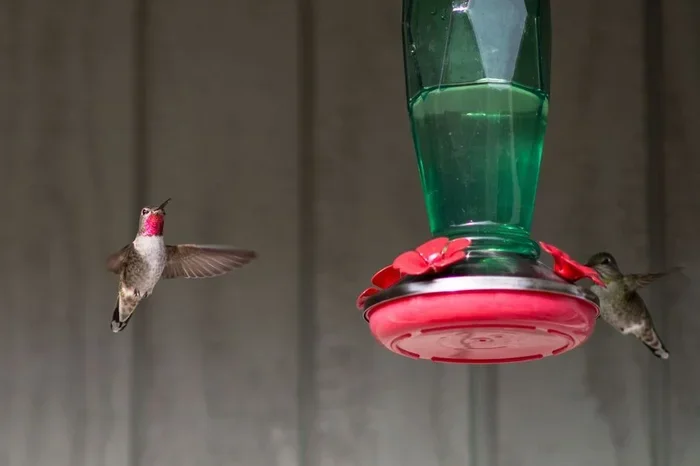
Making hummingbird food at home is incredibly easy and takes just a few minutes. You only need two ingredients — white sugar and water — to create the perfect nectar that hummingbirds love. This guide covers everything from the basic recipe to feeder maintenance, so you can attract these beautiful birds to your yard all season long.
There is something truly magical about watching a hummingbird hover near your window. These tiny, vibrant creatures zip through the air with incredible speed and energy. If you have ever wanted to bring them closer to your home, how to make hummingbird food is the first step.
The good news is that making hummingbird nectar at home is simple, affordable, and takes just a few minutes. You do not need any special ingredients or fancy equipment. Just two household items — white sugar and water — are all you need to create a hummingbird nectar recipe that these little birds cannot resist.
In this guide, we will walk you through everything you need to know about making homemade hummingbird food. From the perfect sugar-to-water ratio to feeder placement and cleaning tips, you will find all the details you need to start attracting hummingbirds to your yard right away.
Key Takeaways
- Simple Recipe: A 1:4 ratio of sugar to water creates the ideal hummingbird nectar.
- No Red Dye Needed: Skip the artificial dye — plain sugar water works perfectly.
- Fresh Nectar Matters: Always make fresh batches and discard old nectar to keep birds safe.
- Clean Feeders Regularly: A clean feeder prevents mold and keeps hummingbirds healthy.
- Store Extra Nectar Properly: Refrigerate leftover nectar and use it within a week.
- Timing Is Key: Put out feeders in early spring and keep them through fall migration.
📑 Table of Contents
Why Make Hummingbird Food at Home?
Store-bought hummingbird nectar often contains preservatives, artificial red dye, and other additives that can harm these delicate birds. When you make your own, you control exactly what goes into the mixture. Homemade hummingbird food is pure, natural, and safe for the birds.
Making your own nectar also saves money. A bag of white sugar costs just a few dollars and can make dozens of batches of nectar. Compare that to the price of pre-made liquid nectar at the store, and the savings add up quickly.
Another big reason to make your own is freshness. Hummingbird nectar tastes best when it is fresh. Pre-made nectar sitting on a store shelf for weeks loses its appeal. When you mix it yourself, you know it is the freshest possible option for your feathered visitors.
The Basic Hummingbird Food Recipe
Here is the simplest and most reliable hummingbird food recipe you will ever need:
- 1 part white granulated sugar
- 4 parts water
That is it. No honey, no brown sugar, no artificial sweeteners, and definitely no red dye. Let us break down why each part matters.
White granulated sugar is the closest thing to the natural sucrose found in flower nectar. It dissolves easily in water and provides the energy hummingbirds need to fuel their incredibly fast metabolisms. Honey can ferment and grow harmful bacteria. Brown sugar contains molasses that can be too rich for hummingbirds. Artificial sweeteners offer no nutritional value at all.
The 1:4 ratio mimics the natural sugar concentration found in most nectar-producing flowers. This concentration is sweet enough to attract hummingbirds but not so thick that it is hard for them to digest.
Step-by-Step Instructions
Follow these simple steps to whip up a batch of fresh nectar:
- Measure four parts water into a pot. For example, use one cup of water for every quarter cup of sugar.
- Add one part white sugar to the water. Stir gently to combine.
- Bring the mixture to a boil on the stove. This helps the sugar dissolve completely and sterilizes the water.
- Let the solution simmer for about two minutes. You do not need to boil it for a long time.
- Remove the pot from the heat and let the nectar cool completely to room temperature.
- Pour the cooled nectar into your hummingbird feeder and place it outside.
You can also make a larger batch and store the extra in the refrigerator. Just make sure the nectar is fully cooled before storing it. If you have extra nectar that will not be used within a week, consider how to store food without fridge methods for short-term use, or simply make smaller batches more frequently.
Why You Should Never Use Red Dye
This is one of the most important points when learning how to make hummingbird food. Many commercial nectar products contain red dye to make the liquid look more appealing. However, there is no scientific evidence that red dye is safe for hummingbirds. In fact, it may cause health problems over time.
The good news is that you do not need dye at all. The hummingbird feeder itself is usually red or has red parts that naturally attract the birds. Hummingbirds are drawn to the color red, so a red feeder does all the work for you.
Some people like to tie a red ribbon near the feeder as an extra attractant. This is a safe and effective alternative to adding dye to the nectar. Keep the food itself clean and pure — that is what the hummingbirds really need.
How to Make Your Hummingbird Feeder More Attractive
Making the food is only half the equation. Where and how you place your feeder plays a big role in how many hummingbirds visit your yard.
Placement Tips
- Hang the feeder in a shaded area. Direct sunlight can cause the nectar to spoil faster.
- Place the feeder near flowers that hummingbirds naturally visit. They will feel more comfortable exploring an area that already has nectar sources.
- Keep the feeder away from windows to prevent collisions. A distance of at least three feet is ideal.
- Position the feeder at least five feet off the ground to protect the birds from predators like cats.
Timing and Season
The best time to put out your feeder depends on where you live. In most regions, early spring is ideal. Hummingbirds begin their migration back north around March or April, depending on your location. Having the feeder ready before they arrive gives them a reliable food source right from the start.
Keep the feeder up through the fall migration. Late-blooming flowers and feeders help hummingbirds build up fat reserves for their long journey south. If you live in a warmer climate, you may even keep feeders out year-round.
How Often to Change the Nectar
Fresh nectar is essential for healthy hummingbirds. Old nectar can grow mold and attract insects, both of which can be dangerous to the birds.
In hot weather above 80 degrees Fahrenheit, change the nectar every two days. In moderate temperatures between 60 and 80 degrees, change it every three to four days. When the temperature drops below 60 degrees, you can stretch it to once a week.
Watch for signs that the nectar needs changing. Cloudy liquid, black spots inside the feeder, or a sour smell all mean it is time to refill. Always clean the feeder thoroughly before adding fresh nectar.
When cleaning your feeder, avoid harsh chemical detergents. A simple solution of one part white vinegar to four parts water works wonderfully. Rinse the feeder several times with hot water after cleaning to remove any vinegar residue.
Common Mistakes to Avoid
Even experienced bird lovers sometimes make mistakes when preparing hummingbird food. Here are the most common ones to watch out for:
- Using the wrong type of sugar: Never use honey, brown sugar, powdered sugar, or artificial sweeteners. Only use plain white granulated sugar.
- Adding red dye: The feeder itself provides enough color attraction. The dye is unnecessary and potentially harmful.
- Making the mixture too concentrated: More sugar is not better. Stick to the 1:4 ratio. A stronger solution can cause kidney damage in hummingbirds.
- Using dirty water: Always use clean, fresh water. If your tap water is heavily chlorinated, let it sit out overnight before using it.
- Letting nectar sit too long: In warm weather, old nectar spoils quickly. Do not leave it in the feeder for more than two days during summer.
One quick tip: if you accidentally make the nectar too strong, you can dilute it with more hot water. But it is always better to get the ratio right from the start. How to make hummingbird food correctly the first time saves you from wasted batches and unhappy birds.
Storing Extra Nectar
If you make a large batch of nectar, you will likely have some left over. The best way to store extra hummingbird food is in a clean glass jar with a tight-fitting lid. Place the jar in the refrigerator, where it will stay fresh for up to seven days.
Before filling the feeder, let the refrigerated nectar come to room temperature. Cold nectar can slow hummingbirds down and may not attract them as effectively. A quick warm water bath can speed up the warming process if you are in a hurry.
When storing sugar for future batches, keep it in a dry, cool place. Proper how to store sugar practices keep it free from moisture and clumping, ensuring your nectar always turns out perfectly. You can also check out general food storage guides for tips on keeping your kitchen organized.
Never freeze hummingbird nectar. Freezing changes the texture of the sugar and can make it difficult for the birds to digest. Always make fresh batches or use refrigerated leftovers within the recommended time frame.
Quick Tips for Success
- Make fresh nectar every time. Do not reuse old nectar.
- Use boiling water to help the sugar dissolve faster.
- Let the nectar cool fully before adding it to the feeder.
- Clean your feeder with a bottle brush every time you refill it.
- Keep multiple feeders spaced apart to reduce territorial behavior.
- Plant native red and orange flowers near your feeder for extra attraction.
- Avoid using pesticides near the feeder area.
What About During Cold Weather?
Hummingbirds need energy even in cooler weather. If you live in an area where temperatures drop unexpectedly, keeping a feeder up can be a lifesaver for late migrants or resident hummingbirds. However, cold nectar can be too thick for the birds to drink easily.
In cold weather, you can slightly warm the nectar before filling the feeder. Just make sure it is not hot — lukewarm is perfect. You can also move the feeder indoors at night and bring it back outside in the morning. This keeps the nectar from freezing and ensures the birds have fresh food each day.
Some people also use feeder covers or wraps to insulate the nectar during cold nights. These simple accessories can make a big difference in keeping the food at a drinkable temperature.
Conclusion
How to make hummingbird food is one of the easiest and most rewarding things you can do for your backyard. With just white sugar and water, you can create a safe, healthy, and delicious nectar that attracts hummingbirds all season long. Skip the store-bought options with dyes and preservatives, and enjoy the satisfaction of making pure, natural food for these amazing creatures.
Remember the golden rules: use the right sugar-to-water ratio, keep the feeder clean, change the nectar regularly, and never add red dye. Follow these simple steps and you will have a steady stream of hummingbird visitors in no time. The joy of watching these tiny birds visit your feeder is a reward that makes every minute of preparation well worth it.
Start today. Mix up a fresh batch, hang your feeder, and get ready to enjoy one of nature’s most delightful sights right from your own backyard. Happy bird feeding!
Frequently Asked Questions
Can I use brown sugar instead of white sugar?
No, brown sugar contains molasses that is too rich for hummingbirds and can cause digestive problems. Always use plain white granulated sugar for the safest and most effective nectar.
How long does homemade hummingbird food last?
Fresh nectar should be changed every two to four days depending on the temperature. In hot weather, change it every two days. In the refrigerator, extra nectar stays fresh for up to seven days.
Do hummingbirds need red dye in their food?
Absolutely not. Red dye is unnecessary and may be harmful. The feeder itself provides enough red color to attract hummingbirds naturally without any additives.
Can I make hummingbird food with bottled water?
Yes, bottled water works fine. However, tap water is also perfectly safe as long as it is clean. If your tap water has a strong chlorine smell, let it sit out overnight before using it.
What is the best ratio for hummingbird nectar?
The standard and safest ratio is one part white sugar to four parts water. This mimics the natural sugar concentration found in flower nectar and is easy for hummingbirds to digest.
How do I keep ants away from my hummingbird feeder?
Use a feeder with built-in ant moats or attach a separate ant moat above the feeder. You can also apply a thin layer of petroleum jelly on the hanger to deter ants from climbing down to the feeder.



