
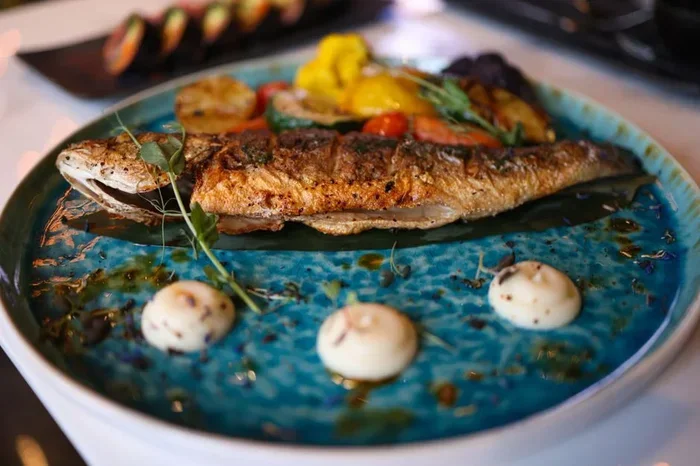
Red snapper is a delicious, versatile fish that deserves a spot on your dinner table every week. It offers a mild, sweet flavor with a firm texture that cooks beautifully in many ways. Packed with protein, omega-3s, and essential nutrients, this fish supports heart health and overall wellness. Whether you grill, bake, or pan-sear it, the results are always outstanding. This guide covers everything you need to know about cooking and enjoying red snapper.
Red snapper is one of the most popular seafood fish in the world, and for good reason. Its mild, sweet flavor and firm texture make it a favorite among home cooks and professional chefs alike. If you have never tried red snapper before, you are missing out on one of the best eating experiences the ocean has to offer. This fish is not only delicious but also loaded with health benefits that make it a smart choice for any meal.
In this guide, we will explore everything you need to know about red snapper. We will talk about its taste, nutrition, cooking methods, and how to pick the freshest fish at the market. By the end, you will understand why red snapper is truly the best fish you will ever want to eat.
Key Takeaways
- Great Taste: Red snapper has a mild, sweet flavor that almost everyone loves.
- Super Healthy: It is rich in protein, omega-3 fatty acids, and vital vitamins.
- Easy to Cook: You can bake, grill, pan-sear, or fry red snapper with simple methods.
- Versatile: It pairs well with many herbs, spices, and side dishes.
- Fresh is Best: Knowing how to pick fresh red snapper makes a huge difference in taste.
- Budget-Friendly Option: Compared to other premium fish, red snapper offers great value.
📑 Table of Contents
What Makes Red Snapper So Special
Not all fish are created equal, and red snapper stands out from the crowd for several reasons. Let us look at what makes this fish so unique and beloved by seafood lovers everywhere.
A Fish with a Rich History
Red snapper has been a staple in coastal cuisines for centuries. Native to the Atlantic Ocean and the Gulf of Mexico, this fish has deep roots in Southern American cooking. Families along the coast have been catching and cooking red snapper for generations. The fish also plays a big role in Mediterranean and Caribbean seafood traditions, where it is grilled, stewed, or baked with local spices.
Today, red snapper is one of the most sought-after fish in restaurants and homes across the country. Its popularity continues to grow as more people discover its wonderful taste and health benefits. Whether you live near the coast or inland, you can find fresh or frozen red snapper at most grocery stores and fish markets.
Why Red Snapper Is a Seafood Favorite
There are many reasons why red snapper is a top choice among seafood lovers. First, it has a mild flavor that does not overpower your palate. This makes it perfect for people who are new to eating fish or who do not enjoy strong fishy tastes. Second, the firm, flaky texture holds up well during cooking, so it does not fall apart on the grill or in the oven.
Another big reason is versatility. You can season red snapper with almost anything and it will taste amazing. From simple lemon and herb combinations to bold Caribbean spice rubs, this fish adapts to any flavor profile. It also works beautifully in soups, stews, salads, and tacos, making it a go-to choice for weeknight dinners and special occasions alike.
The Incredible Taste and Texture of Red Snapper
If you are wondering what red snapper tastes like, the answer is simple: it is mild, sweet, and slightly nutty. The flavor is delicate but never bland, which is why it pairs so well with bold sauces and seasonings. Unlike some fish that have a strong ocean taste, red snapper is approachable and crowd-pleasing.
Texture That Melts in Your Mouth
The texture of red snapper is one of its biggest selling points. When cooked properly, the flesh is firm yet tender and flakes apart easily with a fork. The skin, when left on during cooking, becomes crispy and adds a nice contrast to the soft interior. This combination of crispy skin and flaky flesh makes every bite satisfying.
Different cooking methods bring out different qualities in the fish. For example, pan-searing creates a golden, caramelized crust on the outside while keeping the inside moist. Baking allows the fish to cook evenly and absorb the flavors of marinades and aromatics. Grilling gives the fish a smoky char that adds depth and complexity to its natural sweetness.
Best Flavor Pairings for Red Snapper
One of the joys of cooking red snapper is experimenting with flavors. Here are some classic pairings that work beautifully:
- Lemon and herbs: Fresh dill, parsley, and thyme with a squeeze of lemon brighten up the fish perfectly.
- Garlic butter: A simple garlic butter sauce adds richness and depth to every bite.
- Citrus marinade: Orange juice, lime, and a touch of honey create a tangy glaze that caramelizes in the oven.
- Spicy rubs: Paprika, cayenne, cumin, and brown sugar make a bold seasoning perfect for grilling.
- Mediterranean style: Olive oil, olives, sun-dried tomatoes, and capers give the fish a rustic, savory flavor.
These flavor combinations work because red snapper has a clean, neutral taste that lets seasonings shine. You cannot go wrong with most pairings, which is part of what makes this fish so beginner-friendly.
Health Benefits of Eating Red Snapper
Eating red snapper is not just a treat for your taste buds, it is also great for your body. This fish is packed with nutrients that support overall health and well-being. Let us break down the key health benefits of adding red snapper to your diet.
Packed with Lean Protein
A single serving of red snapper provides about 20 to 25 grams of high-quality protein. Protein is essential for building and repairing muscles, supporting immune function, and keeping you feeling full after meals. Unlike red meat, fish protein comes with less saturated fat, making it a heart-healthier option for your daily protein needs.
Rich in Omega-3 Fatty Acids
Red snapper contains omega-3 fatty acids, which are healthy fats that your body needs but cannot produce on its own. Omega-3s support brain health, reduce inflammation, and help lower the risk of heart disease. Regular consumption of omega-3-rich fish like red snapper has been linked to improved mood, better cognitive function, and reduced joint pain.
Loaded with Vitamins and Minerals
This fish is a great source of several important vitamins and minerals. It provides vitamin D, which is crucial for bone health and immune support. It also contains vitamin B12, which helps with energy production and nerve function. Selenium, potassium, and phosphorus are also present in meaningful amounts, contributing to everything from thyroid health to muscle function.
Compared to many other protein sources, red snapper is relatively low in calories. A typical fillet contains around 130 to 150 calories, making it an excellent choice for anyone watching their calorie intake while still wanting a satisfying, nutritious meal.
How to Cook Red Snapper Like a Pro
Cooking red snapper is easier than you might think. The fish is forgiving and works well with a variety of techniques. Here are some of the best ways to prepare red snapper at home.
Baked Red Snapper
Baking is one of the simplest and most reliable methods for cooking red snapper. Preheat your oven to 400 degrees Fahrenheit. Place the fillets in a baking dish, drizzle with olive oil, and season with salt, pepper, garlic, and your favorite herbs. Add a splash of white wine or lemon juice for extra flavor. Bake for about 15 to 20 minutes, or until the fish flakes easily with a fork. The result is a moist, tender fillet with a golden finish.
Pan-Seared Red Snapper
Pan-searing gives red snapper a beautiful crispy skin and a lightly browned exterior. Heat a tablespoon of oil in a cast-iron skillet over medium-high heat. Pat the fillets dry and season them generously. Place the fish skin-side down and cook for about 4 to 5 minutes without moving it. Flip carefully and cook for another 3 to 4 minutes. The skin should be golden and crispy, while the inside stays juicy and flaky.
Grilled Red Snapper
Grilling is perfect for summer and adds a wonderful smoky flavor to red snapper. Preheat your grill to medium-high heat. Brush the fillets with oil to prevent sticking and season with your favorite spice rub. Place the fish on the grill and cook for about 4 to 5 minutes per side. The high heat creates grill marks and a slight char that complements the fish’s natural sweetness. Serve with a squeeze of fresh lime and a drizzle of tahini sauce for a restaurant-quality meal.
Quick Tips for Perfect Red Snapper Every Time
- Pat the fish dry: Moisture is the enemy of a good sear. Always blot the fillets with a paper towel before seasoning.
- Do not overcook: Red snapper cooks quickly. Check for doneness early to keep the flesh moist.
- Let it rest: Allow the fish to rest for a couple of minutes after cooking to let the juices redistribute.
- Use fresh herbs: Fresh herbs make a noticeable difference in flavor compared to dried ones.
- Check for bones: Run your fingers along the fillet before cooking to remove any pin bones.
Red Snapper vs. Other Popular Fish
How does red snapper compare to other popular fish? Let us look at a side-by-side comparison to help you understand why it stands out.
| Fish | Flavor | Texture | Best Cooking Method | Calories per Serving |
|---|---|---|---|---|
| Red Snapper | Mild, sweet | Firm, flaky | Baked, grilled, pan-seared | ~140 |
| Tilapia | Very mild, almost neutral | Soft, delicate | Pan-fried, baked | ~130 |
| Salmon | Rich, fatty | Soft, oily | Grilled, baked, raw (sashimi) | ~200 |
| Cod | Mild, slightly sweet | Dense, flaky | Fried, baked, poached | ~120 |
| Mahi-Mahi | Sweet, mildly fishy | Firm, meaty | Grilled, blackened, pan-seared | ~140 |
As you can see, red snapper sits in a sweet spot between mild flavor and firm texture. It is more flavorful than tilapia but lighter than salmon. It has a firmer texture than cod, which makes it less likely to fall apart during cooking. For many home cooks, red snapper is the perfect balance of taste, texture, and ease of preparation.
Where to Buy Fresh Red Snapper and How to Store It
Finding high-quality red snapper is the first step to a great meal. Here are some tips for purchasing and storing this delicious fish.
How to Pick the Freshest Red Snapper
When buying red snapper, look for bright, clear eyes and vibrant red or pinkish skin. The flesh should be firm and spring back when pressed. Fresh fish should smell clean and ocean-like, not fishy or sour. If buying fillets, check that the flesh is moist and has no browning or drying around the edges. Whenever possible, buy from a trusted fishmonger or a reputable seafood market.
Storage Tips for Keeping Red Snapper Fresh
Fresh red snapper should be stored in the coldest part of your refrigerator and used within one to two days. If you need to store it longer, wrap the fish tightly in plastic wrap or aluminum foil and place it in the freezer, where it will keep for up to three months. When you are ready to use frozen fish, thaw it slowly in the refrigerator overnight for the best results.
If you have leftover cooked red snapper, store it in an airtight container in the refrigerator and consume it within three days. You can also freeze cooked fish for up to two months. For more detailed storage guidance on seafood and related items, check out our guide on How To Store Red Lobster Biscuits, which covers general seafood storage principles that apply to many types of fish and seafood dishes.
Best Places to Buy Red Snapper
- Local fish markets: Often carry the freshest selection and can tell you exactly where the fish was caught.
- Supermarket seafood counters: Convenient and widely available, but check the freshness date.
- Online seafood delivery: Services like Vital Choice and Wild Alaskan Company ship flash-frozen fish right to your door.
- Direct from fishermen: If you live near the coast, buying directly from local fishermen ensures maximum freshness.
Conclusion
Red snapper truly is the best fish you will ever want to eat. Its mild, sweet flavor and firm, flaky texture make it a joy to cook and consume. The health benefits are impressive, from high-quality protein to heart-healthy omega-3 fatty acids and essential vitamins. Whether you bake it, grill it, or pan-sear it, red snapper delivers outstanding results every single time.
Now that you know how versatile, nutritious, and delicious red snapper can be, there is no reason not to add it to your regular meal rotation. Pick up a fresh fillet at your local market this week, try one of the cooking methods we covered, and taste the difference for yourself. Once you start cooking red snapper, you will wonder why you ever settled for anything else. Your taste buds, and your body, will thank you.
Frequently Asked Questions
What does red snapper taste like?
Red snapper has a mild, sweet flavor with a slightly nutty undertone. It is not overly fishy, which makes it appealing to people who are new to eating seafood. The taste is delicate enough to pair well with a wide range of seasonings and sauces.
Is red snapper a healthy fish to eat?
Yes, red snapper is very healthy. It is an excellent source of lean protein, omega-3 fatty acids, and important vitamins like B12 and D. It is also relatively low in calories and saturated fat compared to many other protein sources.
Can you eat the skin of red snapper?
Absolutely. Red snapper skin is safe and delicious to eat when cooked properly. It becomes crispy and adds a nice textural contrast to the tender flesh. Many chefs recommend leaving the skin on during cooking for the best flavor and presentation.
How much does red snapper cost?
The price of red snapper varies depending on whether it is wild-caught or farm-raised and where you live. Wild-caught Gulf red snapper tends to be more expensive due to demand and limited supply. On average, expect to pay between $15 and $25 per pound at most markets.
What is the best way to cook red snapper for beginners?
Baking is the easiest and most forgiving method for beginners. Simply season the fillets, add some lemon and herbs, and bake at 400 degrees Fahrenheit for 15 to 20 minutes. Pan-searing is also a great option if you want a crispy skin with minimal effort.
How can you tell if red snapper is fresh?
Fresh red snapper should have bright, clear eyes, vibrant red skin, and firm flesh that springs back when pressed. It should smell clean and ocean-like, not fishy or sour. Avoid any fillets with browning edges or a dull appearance.



