
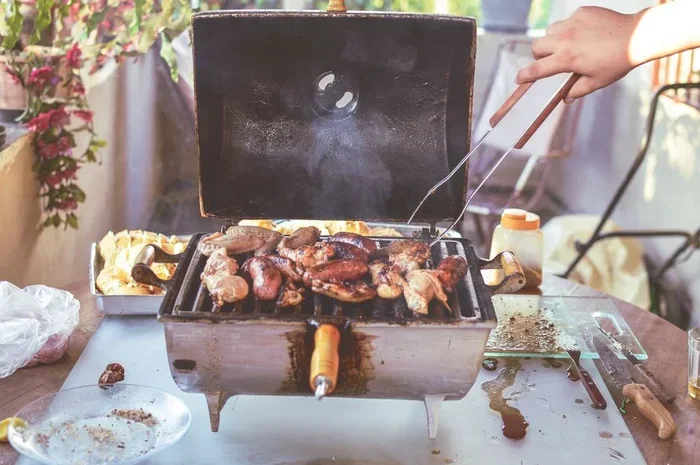
Knowing your chicken temperature done is the single most important skill for cooking safe, juicy poultry. The safe internal temperature for chicken is 165°F (74°C), but factors like cut, bone-in vs. boneless, and cooking method all affect the final result. This guide covers everything from thermometer use to resting temperature so you never serve undercooked or overcooked chicken again.
Key Takeaways
- 165°F is the minimum: Chicken must reach an internal temperature of 165°F (74°C) to be considered safe for eating according to USDA guidelines.
- Use an instant-read thermometer: A reliable instant read thermometer is the only accurate way to check chicken doneness without cutting into the meat.
- Rest your chicken: Letting chicken rest for 3-5 minutes after cooking allows carryover cooking to finish the job and keeps juices locked in.
- Different cuts, different temps: Bone-in chicken, boneless chicken breast, and chicken thighs each have slightly different ideal cooking temperatures and times.
- Avoid the color test: Juice color and meat color are unreliable indicators of chicken temperature done and can lead to foodborne illness.
- Carryover cooking matters: Chicken continues to rise 5-10°F after removal from heat, so pull it off just before hitting 165°F for the best results.
- Cold spots are dangerous: Uneven cooking can leave cold spots where bacteria survive, making proper poultry temperature guide knowledge essential for food safety.
Key Takeaways
- Understanding chicken temperature done: Provides essential knowledge
📑 Table of Contents
- Chicken Temperature Done: Everything You Need To Know
- What Does Chicken Temperature Done Mean?
- The Safe Internal Temperature For Chicken
- How To Measure Chicken Temperature Correctly
- Temperature Guide By Chicken Cut
- Common Mistakes When Checking Chicken Temperature
- Tips For Perfectly Cooked Chicken Every Time
- Expert Insights On Chicken Temperature Done
- Quick Tips For Chicken Temperature Done
- Conclusion
Chicken Temperature Done: Everything You Need To Know
Cooking chicken can feel tricky. One minute it looks golden and delicious, the next it’s dry and tough. The secret to chicken temperature done perfection lies in one simple tool: a thermometer. But there is more to it than just poking a probe into the meat.
In this guide, you will learn the safe internal temperature for chicken, how different cuts affect cooking time, and why carryover cooking can make or break your meal. Whether you are grilling, baking, or pan-searing, these tips will help you serve juicy, safe chicken every single time.
Let us dive in and take the guesswork out of cooking chicken. By the end, you will feel confident about chicken doneness and never worry about undercooked poultry again.
What Does Chicken Temperature Done Mean?
When we talk about chicken temperature done, we mean the internal temperature at which the meat is fully cooked and safe to eat. This is not just about taste. It is about food safety. Chicken can carry harmful bacteria like Salmonella and Campylobacter. These bacteria die when the meat reaches the right safe cooking temperature.
The USDA recommends that all poultry reach an internal temperature of 165°F (74°C). This applies to chicken breasts, thighs, wings, and whole birds. However, the journey to reaching that number involves more than just the final reading.
Why Temperature Matters More Than Color
Many home cooks judge chicken doneness by looking at the meat. They press it with a finger or cut into it to check the juice color. While this might seem helpful, it is actually unreliable. Here is why:
- Color can be misleading: Sometimes chicken can appear slightly pink even when it has reached 165°F. This is especially true near the bones. The USDA confirms that color is not a reliable indicator.
- Juices are not always clear: While clear juices are a good sign, some recipes with marinades or seasonings can tint the juice. Do not rely on this alone.
- Texture is subjective: How the meat feels when pressed does not accurately reflect its internal temperature. Dense chicken breast and tender thigh can feel similar at very different temperatures.
The only way to be sure is to use a thermometer for chicken. This removes all doubt and keeps your family safe.
The Safe Internal Temperature For Chicken
The magic number for chicken temperature done is 165°F (74°C). This is the minimum temperature needed to kill dangerous bacteria. But hold on before you pull that chicken off the heat. There is a concept called carryover cooking that changes things.
Understanding Carryover Cooking
When you remove chicken from the heat source, it does not stop cooking immediately. The residual heat continues to raise the internal temperature by 5 to 10 degrees Fahrenheit. This is called carryover cooking or resting temperature rise.
For the best results, pull your chicken off the heat when it reaches about 160°F (71°C). Then let it rest for 3 to 5 minutes. During this time, the temperature will climb to the safe 165°F mark. This method also gives you juicier chicken because it prevents overcooking.
Temperature Breakdown By Cooking Method
Different cooking methods require slightly different approaches to chicken temperature done. Here is a quick look:
- Oven baking: Pull at 155°F and let carryover do the rest. Oven heat is even and gentle.
- Grilling: Grill at higher heat. Pull at 155°F and rest under foil for 5 minutes.
- Pan-searing: The sear creates a nice crust. Pull at 155°F and rest on a warm plate.
- Pressure cooking: The sealed environment cooks quickly. You may not need carryover here, but always verify with a thermometer. For more tips on this method, check out this guide on how long to cook chicken thighs in pressure cooker.
How To Measure Chicken Temperature Correctly
Having a thermometer is one thing. Using it correctly is another. Many people make mistakes that lead to inaccurate readings. Let us fix that now.
Choosing the Right Thermometer
Not all thermometers are created equal. Here are the best options for checking chicken doneness:
- Instant-read thermometer: This is the gold standard. It gives you a reading in 2 to 3 seconds. Insert it into the thickest part of the meat, away from bone, fat, or gristle.
- Leave-in probe thermometer: Great for oven cooking. You can monitor the temperature without opening the oven door.
- Infrared thermometer: This measures surface temperature only. It cannot tell you the internal safe cooking temperature. Avoid this for checking poultry.
Where to Place the Probe
Placement matters a lot. Putting the probe in the wrong spot gives you a false reading. Follow these tips:
- Always aim for the thickest part of the chicken piece.
- Avoid touching bone. Bone conducts heat faster and gives a higher reading.
- Do not probe near the surface. The outside is always hotter than the center.
- For whole chicken, insert the probe into the inner thigh near the breast. This is the slowest part to cook.
Calibrating Your Thermometer
A faulty thermometer is worse than no thermometer. Check your thermometer regularly. The ice water test is simple: fill a glass with crushed ice and water. Insert the probe. It should read 32°F (0°C). If it does not, you may need to adjust or replace it. Keeping your instant read thermometer calibrated is key to accurate chicken temperature done readings.
Temperature Guide By Chicken Cut
Not all chicken parts are the same. Different cuts have different thicknesses, fat levels, and cooking times. Here is your poultry temperature guide for the most common cuts.
Chicken Breast
Chicken breast is lean and dries out fast. The target internal temperature is 165°F. Because it has little fat, overcooking happens quickly. For juicier results, pull it at 155°F and let carryover cooking bring it to 165°F during rest.
Want more tips on cooking chicken breast perfectly? Check out this helpful resource on how long chicken breast in oven 350 for precise timing and temperature guidance.
Chicken Thighs
Chicken thighs are more forgiving. They have more fat and connective tissue, which means they stay juicy at higher temperatures. The safe chicken temperature done for thighs is also 165°F, but many chefs prefer to cook them to 175°F or even 185°F for fall-off-the-bone tenderness. If you love thighs, you will enjoy these easy chicken thigh recipes for busy nights that are perfectly timed every time.
Chicken Wings
Wings are all about crispy skin and juicy meat. Cook them to 165°F for safety. For extra crunch, you can push them to 175°F. The high heat renders the fat under the skin, making them irresistibly crispy. For oven-baked wings at 400°F, you can reference our detailed guide on how long to cook chicken wings in oven 400 for exact cook times.
Whole Chicken
A whole chicken is done when the innermost part of the thigh reaches 165°F. Check multiple spots. The breast area near the wing joint is often the last to cook through. Let the entire bird rest for at least 10 minutes before carving.
Quick Comparison Table
| Chicken Cut | Target Internal Temp | Pull-Off Temp | Rest Time |
|---|---|---|---|
| Chicken Breast | 165°F | 155°F | 3-5 min |
| Chicken Thigh | 165-175°F | 160°F | 3-5 min |
| Chicken Wing | 165-175°F | 160°F | 3-5 min |
| Whole Chicken | 165°F (thigh) | 155°F | 10 min |
Common Mistakes When Checking Chicken Temperature
Even experienced home cooks make mistakes. Here are the most common errors that lead to undercooked chicken or dry, overcooked poultry.
Mistake 1: Guessing Instead of Measuring
Time and appearance are not reliable indicators. A chicken breast can look done on the outside while still being raw inside. Always use a thermometer. Guessing leads to either undercooked chicken risk or dried-out meat.
Mistake 2: Probing Too Shallow
If you only insert the probe a quarter inch, you are measuring the surface temperature. The hot exterior will read higher than the center. Push the probe at least half an inch into the thickest part for an accurate chicken temperature done reading.
Mistake 3: Ignoring Resting Time
Cutting into chicken immediately after cooking releases all the juices and drops the temperature fast. Always rest your chicken. This allows the resting temperature to stabilize and the juices to redistribute. You get safer and tastier results.
Mistake 4: Not Accounting for Uneven Thickness
Chicken breasts often have one end that is much thicker than the other. This creates uneven cooking. The thin edge dries out while the thick center may still be undercooked. Consider pounding the breast to an even thickness before cooking for more consistent chicken doneness.
Mistake 5: Using the Same Thermometer for Everything
Cross-contamination is a real risk. Use a dedicated thermometer for poultry. If you must share, sanitize it thoroughly between uses. This is especially important when transitioning from raw chicken to other foods.
Tips For Perfectly Cooked Chicken Every Time
Now that you know the fundamentals of chicken temperature done, here are some expert tips to elevate your cooking.
Brine or Dry Brine for Juicier Chicken
Brining adds moisture to the meat. A simple salt-water soak for 30 minutes to a few hours helps chicken retain juice even at higher cooking temperatures. Dry brining is even simpler. Just salt the chicken and refrigerate it uncovered for a few hours. The salt draws moisture out, then it gets reabsorbed with the seasoning. The result is seasoned, juicy chicken with crisp skin.
Pound Chicken Breasts for Even Cooking
As mentioned earlier, uneven thickness causes uneven cooking. Use a meat mallet or rolling pin to flatten chicken breasts to a uniform 3/4-inch thickness. This ensures the entire piece reaches chicken temperature done at the same time. No more dry edges and raw centers.
Let the Chicken Come to Room Temperature
Take chicken out of the fridge 15 to 20 minutes before cooking. Cold chicken hitting a hot pan leads to uneven searing. The outside overcooks while the inside struggles to heat up. A brief rest at room temperature helps the meat cook more evenly from edge to center.
Use a Meat Resting Rack
After cooking, place chicken on a wire rack or cutting board. Do not cover it tightly with foil unless you are keeping it warm for a while. A resting rack allows air circulation. This prevents steam from softening the skin and keeps the surface crispy while the interior rests.
Reheat Leftovers Safely
Leftover chicken should be reheated to at least 165°F again. Use a skillet, oven, or microwave. If using a microwave, stir or rotate the pieces to eliminate cold spots where bacteria can survive. For shredded chicken leftovers, you can use tools like an immersion blender to quickly repurpose leftovers into new meals while ensuring they heat evenly.
Expert Insights On Chicken Temperature Done
Professional chefs have a few secrets that make a big difference. Here is what the experts want you to know:
- Cook to temperature, not to time. Every oven, grill, and pan is different. Time is just a rough estimate. Always rely on your instant read thermometer.
- Hot chicken rests better. Do not let chicken sit on a cold plate. Use a warm plate or a towel-lined basket. A cold surface drops the temperature too fast and can cause soggy skin.
- Thighs love high heat. Chicken thighs can handle higher cooking temperatures than breasts. Do not be afraid to cook them to 175°F or 185°F for maximum flavor and tenderness.
- Always calibrate. Thermometers drift over time. Check yours monthly with the ice water test. A few degrees off can mean the difference between safe and risky.
Quick Tips For Chicken Temperature Done
- Always use an instant read thermometer for checking doneness.
- Pull chicken off heat at 155-160°F and let carryover cooking finish the job.
- Rest chicken for 3-10 minutes depending on the size of the cut.
- Calibrate your thermometer monthly with an ice water test.
- Never rely on color, texture, or cooking time alone for chicken doneness.
- Pound thick chicken breasts to even thickness for uniform cooking.
- Check the thickest part of the meat, away from bone and surface.
Conclusion
Mastering chicken temperature done is a game-changer in your kitchen. It means safer meals, juicier chicken, and more confidence on the stove or grill. The key points are simple: use a reliable thermometer, know your target temperatures, respect carryover cooking, and always let your chicken rest before serving.
Remember that 165°F is the minimum safe internal temperature for all chicken cuts. But with carryover cooking, you can pull it at 155°F for juicier results. Different cuts like chicken breast, thighs, and wings each have their own sweet spots for flavor and texture.
Put these tips into practice on your next cook. Grab your thermometer, follow this poultry temperature guide, and enjoy perfectly cooked chicken every time. Your family will taste the difference, and you will love how easy it becomes. Happy cooking!
Frequently Asked Questions
What is the safe internal temperature for chicken?
The USDA recommends a minimum internal temperature of 165°F (74°C) for all chicken cuts. This ensures harmful bacteria like Salmonella are destroyed. Use an instant-read thermometer in the thickest part of the meat to verify.
Can I pull chicken off the heat before it reaches 165°F?
Yes, you can. Due to carryover cooking, the chicken will continue to rise 5-10°F after removal from heat. Pull it at around 155°F and let it rest for 3-5 minutes. The final resting temperature will safely reach 165°F while keeping the meat juicier.
How do I check chicken temperature without a thermometer?
You really should not. Visual and touch methods are unreliable for chicken doneness. However, if you must, the juice should run clear (not pink) when you pierce the thickest part. This is not a guaranteed method though. Always invest in a quality instant read thermometer for food safety.
Does bone-in chicken take longer to reach done temperature?
Yes, bone-in chicken generally takes longer to cook through. The bone absorbs and conducts heat differently than the meat. However, bone-in pieces are more forgiving at higher cooking temperatures because the bone retains moisture. Use a thermometer to confirm the meat around the bone reaches 165°F.
What temperature should grilled chicken be when done?
Grilled chicken should reach an internal temperature of 165°F. Pull it off the grill at about 155°F and let it rest for 5 minutes under foil. The carryover cooking from grilling at high heat will bring it to the safe mark. This method gives you charred, flavorful skin with juicy meat inside.
Is 150°F chicken safe to eat?
A chicken temperature done of 150°F is not considered safe by USDA standards, which require 165°F. However, some studies show that holding chicken at 150°F for a specific duration can pasteurize it. This is risky for home cooks who cannot control time precisely. Always aim for 165°F to be safe.



