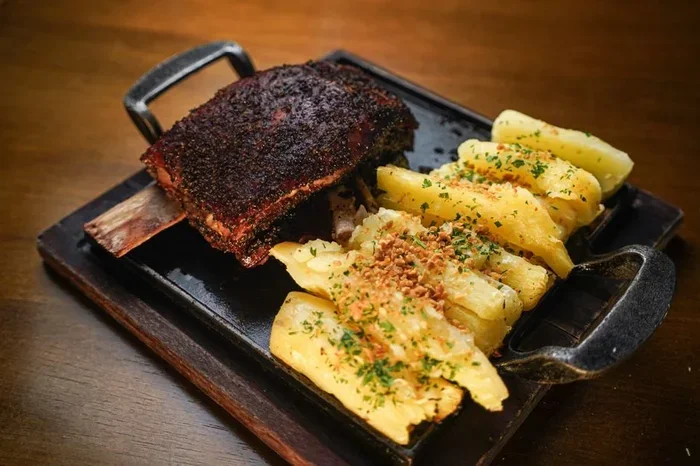
Prime rib is the king of Sunday dinners, and cooking it at home is easier than you think. This guide walks you through everything from choosing the right roast to nailing the perfect internal temperature. You will learn simple techniques that turn a basic prime rib into a show-stopping centerpiece your whole family will love.
There is something magical about a perfect prime rib. It fills the kitchen with a rich, beefy aroma that makes everyone gather around the table. Whether you are hosting a holiday dinner or treating yourself to a special meal, this cut of beef delivers every time.
Cooking prime rib at home might seem intimidating. But honestly, it is simpler than most people think. With the right cut, a little patience, and a reliable meat thermometer, you can achieve restaurant-quality results in your own kitchen. This guide covers everything you need to know.
You will learn how to pick the best roast, season it properly, cook it to the exact cooking temperature you want, and serve it like a pro. Let us dive in and make your next prime rib unforgettable.
Key Takeaways
- Pick the right cut: A bone-in standing rib roast gives you the best flavor and juiciness.
- Use a meat thermometer: This is the single most important tool for perfect doneness.
- Let it rest: Resting your roast for at least 20 minutes keeps the juices inside.
- Season simply: Salt, pepper, garlic, and fresh herbs are all you need for a great prime rib.
- Low and slow works best: A lower temperature with a final sear gives you a beautiful crust.
- Make au jus from the drippings: The pan fond is liquid gold for a rich dipping sauce.
📑 Table of Contents
- What Is Prime Rib and Why It Is Worth Cooking at Home
- Choosing the Right Prime Rib Roast for Your Kitchen
- Essential Tools and Ingredients You Will Need
- Step-by-Step Guide to Cooking Prime Rib
- Pro Tips for Nailing the Perfect Prime Rib
- Serving Your Prime Rib Like a Restaurant
- Storing and Reheating Leftover Prime Rib
- Conclusion
What Is Prime Rib and Why It Is Worth Cooking at Home
Understanding the Cut
Prime rib comes from the primal rib section of the cow. It is also called a standing rib roast because the ribs remain intact during cooking. This cut runs along the back of the animal and includes some of the most tender and flavorful beef available.
The magic of prime rib lies in its marbling. Those thin streaks of beef fat melt during roasting and keep every slice juicy. The rib bones also add flavor as they slowly cook, creating a natural roasting environment that is hard to replicate any other way.
A true prime rib is different from a regular ribeye roast, though the two cuts come from the same area. Prime rib is typically a larger roast with bones, while a ribeye is usually cut into individual steaks. Both are delicious, but a bone-in prime rib delivers a more dramatic and flavorful experience.
Prime Rib vs Other Beef Roasts
Not all beef roasts are created equal. Here is how prime rib stacks up against some common alternatives:
| Cut | Texture | Flavor | Best For |
|---|---|---|---|
| Prime Rib | Very tender, juicy | Rich, beefy, buttery | Special occasions, holiday dinners |
| Chuck Roast | Tough, needs slow cooking | Deep, hearty | Stews, pot roast, braises |
| Ribeye Roast | Tender, less juicy | Mild, clean beef flavor | Individual steaks, smaller gatherings |
| Sirloin Roast | Lean, can be dry | Mild, slightly gamey | Budget-friendly roasts |
| Brisket | Fibrous, needs long cook | Smoky, bold | Smoking, barbecue |
As you can see, prime rib stands in a league of its own when it comes to tenderness and flavor. It is the cut you reach for when you want to impress.
Choosing the Right Prime Rib Roast for Your Kitchen
Bone-In vs Boneless
One of the first decisions you will make is whether to buy a bone-in or boneless prime rib. Both have their merits.
A bone-in roast offers more flavor. The bones create a natural roasting rack and radiate heat evenly. They also contribute to a richer, more complex taste. If you are cooking for a special event, a bone-in prime rib is the way to go.
A boneless roast is easier to slice and serves more people per pound. It also fits more easily into standard roasting pans. Many home cooks prefer boneless prime rib for everyday meals because of its convenience.
Here is a quick comparison:
- Bone-in prime rib: More flavor, natural rack, impressive presentation, harder to slice
- Boneless prime rib: Easier to handle, more servings, simpler carving, slightly less flavor
What to Look for at the Butcher
When you visit the butcher or meat counter, look for a few key things. First, check the beef fat cap. It should be thick and even, about a quarter-inch thick. This layer of fat bastes the meat as it cooks and keeps the roast moist.
Next, look at the marbling. Fine white streaks of fat running through the meat are a great sign. This marbling melts during slow roasting and creates that melt-in-your-mouth texture we all love.
Ask your butcher for a standing rib roast with the ribs trimmed but not too closely. Leaving about two inches of rib bone gives you a perfect handle for carving and adds extra flavor. A good rule of thumb is to buy about one pound of raw prime rib per person if you want leftovers.
Quick Tip: Always bring your prime rib out of the fridge at least one hour before cooking. Letting it come to room temperature helps it cook more evenly and reduces the total cooking time.
Essential Tools and Ingredients You Will Need
Equipment You Will Need
You do not need fancy equipment to cook a great prime rib. Here is what you will need:
- A heavy roasting pan or Dutch oven
- A reliable meat thermometer (this is non-negotiable)
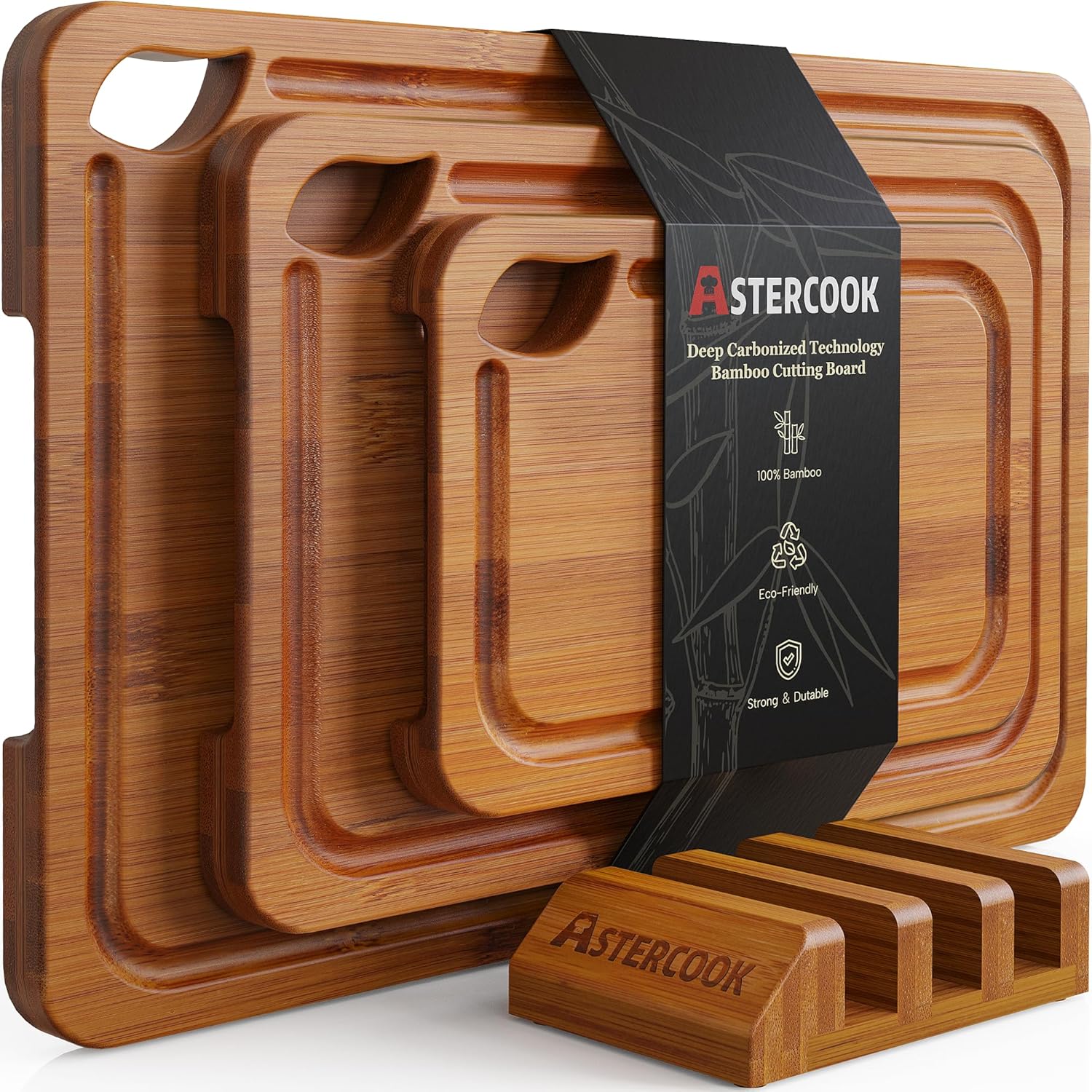
- A sharp carving knife and cutting board
- Aluminum foil for resting
- A wire rack (optional but helpful)
The meat thermometer deserves special mention. This is the one tool that will transform your cooking. Without it, you are guessing. With it, you know exactly when your prime rib has reached the perfect level of doneness every single time.
The Best Seasoning Blend for Prime Rib
When it comes to seasoning prime rib, less is more. You want the natural flavor of the beef to shine through. Here is a simple blend that works beautifully:
- Kosher salt (coarse salt works best)
- Freshly cracked black pepper
- Garlic powder or minced fresh garlic
- Fresh rosemary and thyme
- A drizzle of olive oil to help the rub stick
Apply the seasoning at least two hours before cooking, or even the night before. This gives the salt time to penetrate the meat and create a delicious herb crust during roasting. Some cooks like to add mustard powder or smoked paprika for extra depth, but the classic blend is hard to beat.
Step-by-Step Guide to Cooking Prime Rib
Preparing the Roast
Start by patting your prime rib dry with paper towels. Dry meat gets a better crust. Remove it from the fridge and let it sit uncovered on a rack for about an hour. This dries the surface slightly, which helps with browning.
Preheat your oven to 450 degrees Fahrenheit for the initial sear. This high heat kickstarts the Maillard reaction, which is the chemical process that creates that gorgeous brown crust on the outside of your roast.
Rub the entire roast with olive oil, then apply your seasoning generously. Press the herbs and spices into the meat so they stick. Place the roast fat-side up in your roasting pan.
Cooking Temperature and Time
Here is where the reverse sear method really shines. After the initial sear at 450 degrees for 15 minutes, reduce the oven temperature to 325 degrees. This lower temperature cooks the meat gently and evenly.
Plan for about 15 to 20 minutes per pound at 325 degrees. But remember, the meat thermometer is your real guide. Here are the target internal temperatures for different levels of doneness:
- Rare: 120 to 125 degrees Fahrenheit
- Medium Rare: 130 to 135 degrees Fahrenheit
- Medium: 140 to 145 degrees Fahrenheit
- Well Done: 155 degrees and above (not recommended for prime rib)
Most people prefer their prime rib at medium rare. This gives you a warm pink center with a juicy, tender texture. The temperature will rise about 5 to 10 degrees after you pull the roast out, so factor that into your timing.
The Resting Period
Once your prime rib reaches the target temperature, pull it out and tent it loosely with aluminum foil. Let it rest for at least 20 to 30 minutes. This resting period is critical. It allows the juices to redistribute throughout the meat, so every slice is moist and flavorful.
Do not skip this step. Cutting into a hot roast right away releases all those juices onto the cutting board instead of staying in the meat. Patience here makes a huge difference.
Expert Insight: Professional chefs always let their beef roast rest until it is comfortable to touch. If the outside is too hot to hold, it is not ready to cut. Trust the process and you will be rewarded with perfectly juicy slices every time.
Pro Tips for Nailing the Perfect Prime Rib
The Reverse Sear Method Explained
The reverse sear is a technique where you cook the roast slowly at a low temperature first, then finish with a blast of high heat. This method gives you incredible control over the cooking temperature and produces an evenly pink interior with a deeply caramelized crust.
Here is how to do it with prime rib:
- Preheat your oven to 250 degrees Fahrenheit
- Place the seasoned roast on a rack in a roasting pan
- Cook until the internal temperature is about 10 degrees below your target
- Increase the oven temperature to 450 degrees
- Return the roast and sear for 10 to 15 minutes until browned
- Pull and rest for 20 to 30 minutes before slicing
This method works beautifully for larger roasts and gives you the most consistent results. It is the technique many professional kitchens use for their oven roast preparations.
Common Mistakes to Avoid
Even experienced cooks can make mistakes with prime rib. Here are the most common ones and how to avoid them:
- Skipping the thermometer: Guessing doneness leads to overcooked or undercooked meat. A meat thermometer is essential.
- Not resting the roast: Cutting too soon releases all the juices. Give it at least 20 minutes.
- Seasoning too late: Salt needs time to penetrate the meat. Season at least two hours ahead, or better yet, the night before.
- Cooking at too high a temperature the whole time: This dries out the outer layers before the center is done. Use the two-stage method.
- Buying a poor-quality roast: Not all prime rib is created equal. Choose well-marbled cuts from a trusted source.
Common Mistake: Many home cooks overcook their prime rib because they rely on time alone. Time varies based on oven accuracy, roast size, and starting temperature. Always use a meat thermometer as your guide.
Serving Your Prime Rib Like a Restaurant
Best Side Dishes to Pair with Prime Rib
The sides you serve with your prime rib can elevate the whole meal. Here are some classic pairings that work beautifully:
- Creamy mashed potatoes: The smooth, buttery texture pairs perfectly with rich beef
- Roasted root vegetables: Carrots, parsnips, and onions caramelized in the oven
- Green beans almondine: A light, nutty side that balances the richness
- Yorkshire pudding: A British classic made from the same drippings as the roast
- Crusty bread: Perfect for soaking up the au jus
Making Au Jus from Pan Drippings
One of the best parts of cooking prime rib at home is making au jus from the pan drippings. Those browned bits stuck to the bottom of the roasting pan are called fond, and they are packed with flavor.
After resting your roast, pour off the excess fat from the pan, leaving the drippings behind. Add a cup of beef broth and a splash of red wine to the pan. Place it on the stove over medium heat and scrape up all the fond with a wooden spoon. Let it simmer for 10 minutes, then strain and serve in small cups alongside the sliced prime rib.
This simple beef roast recipe addition takes your meal from great to extraordinary. Your guests will be impressed, and it costs almost nothing extra.
Storing and Reheating Leftover Prime Rib
How to Store Cooked Prime Rib
If you have leftovers, store them properly to enjoy them for days. Wrap sliced prime rib tightly in plastic wrap or foil and refrigerate within two hours of cooking. It will keep in the fridge for up to four days.
For longer storage, wrap the roast tightly and freeze it. Frozen prime rib keeps well for up to three months. When you are ready to eat it, thaw it overnight in the refrigerator and reheat gently.
The Best Way to Reheat
Reheating prime rib the wrong way can turn it dry and tough. Here is the best method:
- Place slices in a baking dish
- Add a splash of beef broth to the bottom of the dish
- Cover tightly with foil
- Heat in a 300-degree oven for 15 to 20 minutes
- Remove the foil for the last 5 minutes to refresh the crust
This gentle reheating method keeps the meat moist and preserves that tender texture. You will barely notice a difference from the original roast.
Conclusion
Cooking prime rib at home is one of the most rewarding things you can do in the kitchen. It does not require fancy techniques or expensive equipment. With the right cut, a simple seasoning blend, a reliable meat thermometer, and a little patience, you can serve a roast that rivals anything from a steakhouse.
Remember to choose a well-marbled bone-in prime rib, season it generously, cook it low and slow, and always let it rest before slicing. These steps might seem small, but they make all the difference between a good roast and a perfect one.
Now that you have all the tools and knowledge, it is time to put them into action. Pick up a beautiful prime rib from your local butcher this weekend and give it a try. Your family and guests will thank you. Happy roasting!
Frequently Asked Questions
How long does it take to cook a prime rib roast?
A prime rib roast typically takes about 3 to 4 hours total, depending on the size. Plan for roughly 15 to 20 minutes per pound at 325 degrees after the initial sear. Always use a meat thermometer to check doneness rather than relying on time alone.
What is the best internal temperature for prime rib?
Most people prefer prime rib at medium rare, which is 130 to 135 degrees Fahrenheit. The temperature will continue to rise about 5 to 10 degrees after you pull the roast out. For rare, target 120 to 125 degrees, and for medium, aim for 140 to 145 degrees.
Should I buy prime grade or choice grade prime rib?
Prime grade has more marbling and tends to be juicier and more flavorful. However, choice grade prime rib is still excellent and more budget-friendly. Look for a cut with good marbling and a thick beef fat cap regardless of the grade.
Can I cook prime rib in a slow cooker?
While you can, oven roasting is the preferred method for prime rib. It gives you a better crust and more even cooking. A slow cooker can work for smaller cuts or when you want a hands-off approach, but you will miss the flavorful browned exterior.
How do I know when my prime rib is done?
The only reliable way is with a meat thermometer inserted into the thickest part of the roast, avoiding the bone. The internal temperature should match your target doneness. Visual cues like juice color can help, but a thermometer removes all guesswork.
Can I freeze leftover prime rib?
Yes, leftover prime rib freezes well for up to three months. Wrap it tightly in plastic wrap and then in foil or a freezer bag. Thaw overnight in the refrigerator before reheating gently in the oven with a splash of beef broth to keep it moist.