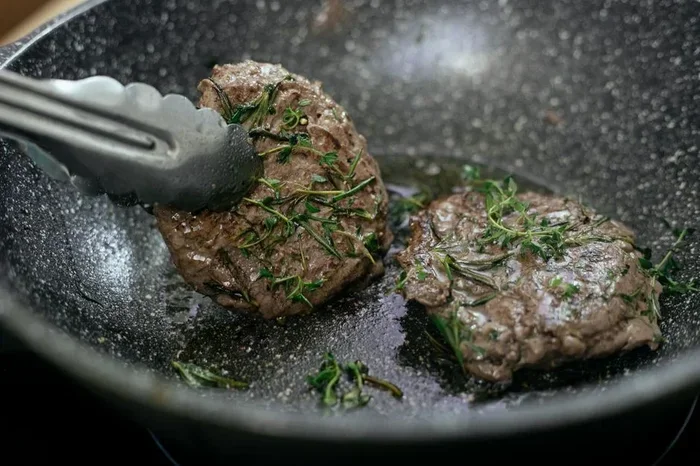
Tenderizing steak at home is easier than you think, and you do not need fancy tools or expensive equipment. Whether you use salt, baking soda, a meat mallet, or a simple marinade, each method breaks down tough muscle fibers to give you a juicy, melt-in-your-mouth steak. This guide walks you through the fastest and most effective ways to tenderize steak right in your own kitchen.
There is nothing worse than biting into a steak and feeling like you are chewing a rubber band. Tough, chewy steak ruins a perfectly good meal, and it happens more often than you might think.
The good news is that tenderizing steak quickly does not require a fancy restaurant kitchen or expensive equipment. You can transform a tough cut into a juicy, flavorful steak using simple household items you already have. Whether you are prepping for a weeknight dinner or a weekend grill session, these easy methods will change the way you cook steak forever.
In this guide, we will walk you through every reliable technique to tenderize steak fast. You will learn why steak gets tough in the first place, which methods work best, and how to avoid mistakes that ruin your meat. Let us get started.
Key Takeaways
- Salt tenderizes steak: Coarse salt draws out moisture, dissolves proteins, and creates a naturally tender texture when you rinse and cook.
- Baking soda works fast: A baking soda solution raises the pH of the meat, which prevents proteins from bonding and keeps steak soft.
- Physical methods are instant: Pounding with a mallet or scoring with a knife breaks down tough fibers without any wait time.
- Acidic marinades add flavor and tenderness: Citrus, vinegar, and yogurt gently soften steak over a short period.
- Avoid common mistakes: Over-salting, over-marinating, and using the wrong acid can ruin your steak’s texture and taste.
- Store tenderized steak properly: Learn how to store beef safely after tenderizing for the best results.
📑 Table of Contents
Why Does Steak Get Tough?
Understanding why steak turns tough helps you pick the right tenderizing method. Meat is made up of muscle fibers, connective tissue, and fat. When you cook steak at high heat, the muscle fibers contract and squeeze out moisture. The connective tissue, especially in cuts like flank steak or skirt steak, becomes stiff and chewy.
Several factors make steak tough:
- Muscle fiber structure: Harder-working muscles have more fibers and less fat, making them tougher.
- Connective tissue: Collagen in the meat tightens during cooking, creating a chewy texture.
- Cooking temperature: High heat without proper preparation dries out the steak fast.
- Cut direction: Slicing against the grain leaves long fibers that are hard to chew.
The goal of tenderizing steak is to break down these fibers and connective tissues before or during cooking. The faster you do this, the better your steak will taste. Now let us look at the best home methods that actually work.
Best Methods to Tenderize Steak Quickly
There are several proven ways to make steak tender at home. Some work in minutes, while others need a little more time. Here are the most effective methods you can try today.
Method 1: Use a Meat Mallet or Tenderizer
This is the fastest physical method. A meat mallet or tenderizer tool physically breaks the muscle fibers apart. You simply place the steak between plastic wrap and pound it evenly on both sides.
Here is how to do it right:
- Place the steak on a cutting board and cover it with plastic wrap.
- Use the textured side of the mallet and start pounding from the center outward.
- Apply even pressure. Do not hammer one spot too hard.
- Flip the steak and repeat on the other side.
- Remove the plastic wrap before seasoning and cooking.
If you do not have a mallet, you can also tenderize meat without mallet using a fork or the bottom of a heavy pan. Just prick the steak lightly on both sides to break up the fibers.
This method works best for thicker cuts like ribeye, sirloin, and strip steak. It is perfect when you need a tender steak in under five minutes.
Method 2: Salt It Overnight or Right Before Cooking
Salt is one of the simplest and most effective ways to tenderize steak. When you apply coarse salt to the surface, it draws out moisture through osmosis. The salt then dissolves the proteins in the meat, creating a tender, juicy texture.
There are two ways to use salt for tenderizing:
Dry brining (overnight method): Generously coat the steak with kosher salt and place it on a wire rack in the fridge for 1 to 24 hours. The salt pulls out moisture, which gets reabsorbed and breaks down the muscle fibers. Pat the steak dry before cooking.
Quick salt method: If you do not have time, coat the steak with salt 30 to 45 minutes before cooking. Let it sit at room temperature, then rinse off the salt and pat dry. This gives you a noticeable improvement in tenderness without the long wait.
For more details on this approach, check out our guide on how to tenderize meat naturally using salt and other simple ingredients.
Method 3: Use Baking Soda
Baking soda is a powerful meat tenderizer that raises the pH level of the steak. When the pH goes up, the proteins in the meat relax and do not bond together as tightly. The result is a much softer, more tender steak.
Here is the simple process:
- Dissolve 1 teaspoon of baking soda in 1 cup of water.
- Submerge the steak in the solution for 15 to 20 minutes.
- Remove the steak and rinse it thoroughly under cold water.
- Pat it dry with a paper towel before seasoning and cooking.
Do not skip the rinsing step. Baking soda can leave a soapy taste if you do not wash it off. For a deeper dive into this method, visit our article on how to tenderize beef with baking soda, which covers exact measurements and timing for different cuts.
Method 4: Acidic Marinades
Acids like citrus juice, vinegar, and yogurt gently break down the tough fibers in steak. They work by denaturing the proteins on the surface and slightly deeper into the meat.
Here are some great acidic options:
- Lemon or lime juice: Fresh citrus adds brightness and softens steak fast.
- Apple cider vinegar: A mild acid that tenderizes without overpowering flavor.
- Yogurt or buttermilk: These contain enzymes and lactic acid that gently tenderize over 30 minutes to 2 hours.
- Pineapple juice: Contains bromelain, a natural enzyme that breaks down meat proteins quickly.
For quick tenderizing, marinate the steak for 30 minutes to 2 hours. Going longer can make the texture mushy, especially with strong acids like pineapple juice. The key is to find the right balance between flavor and tenderness.
Method 5: Score the Steak
Scoring means making shallow cuts across the surface of the steak before cooking. This technique shortens the muscle fibers and allows marinades to penetrate deeper into the meat.
Use a sharp knife and make cuts about 1/8 inch deep in a crosshatch pattern. This works especially well for thin cuts like flank steak, skirt steak, and hanger steak. Scoring takes less than a minute and makes a real difference in how tender the final steak feels.
How to Choose the Right Method for Your Steak
Not every method works the same for every cut. Here is a quick comparison to help you decide which approach fits your situation.
| Steak Type | Best Method | Time Needed | Effort Level |
|---|---|---|---|
| Ribeye / Sirloin | Meat mallet or salt brine | 5 min / 1-24 hrs | Low |
| Flank Steak | Scoring + acidic marinade | 30 min – 2 hrs | Low |
| Skirt Steak | Baking soda soak or scoring | 15-20 min | Low |
| Chuck Steak | Baking soda + salt brine | 30 min – 2 hrs | Medium |
| Filet Mignon | Salt brine only | 1-4 hrs | Low |
Thick, well-marbled steaks like ribeye are naturally tender and only need light tenderizing. Thinner, leaner cuts like flank and skirt benefit the most from strong methods like baking soda or scoring. Choose the method that matches your cut and your time frame.
Common Mistakes to Avoid When Tenderizing Steak
Even with the best intentions, it is easy to make mistakes that hurt your steak instead of helping it. Here are the most common errors people make when trying to tenderize steak.
Over-marinating with acid: Leaving steak in a citrus or vinegar marinade for too long breaks down the meat too much. The texture becomes mushy and mealy. Stick to 30 minutes for strong acids and up to 2 hours for mild acids like yogurt.
Using too much baking soda: More is not better. Too much baking soda leaves a soapy, salty taste and creates an unpleasant texture. Stick to 1 teaspoon per cup of water.
Pounding unevenly: If you hammer one spot too hard, you tear the meat and create uneven thickness. This leads to some parts overcooking while others stay underdone. Always pound evenly and gently.
Forgetting to pat dry: After rinsing off salt or baking soda, always pat the steak dry with paper towels. Excess moisture on the surface prevents a good sear and can steam the steak instead of grilling it.
Skipping the rest after cooking: Even if you tenderize perfectly, cutting into the steak right after cooking releases all the juices. Let the steak rest for 5 to 10 minutes before slicing.
Expert Tips for the Perfect Tender Steak
Professional chefs use a few extra tricks that take your steak from good to incredible. Here are tips that make a real difference at home.
Bring steak to room temperature first: Take the steak out of the fridge 30 minutes before cooking. A cold steak cooks unevenly, and the center stays tough. Room temperature steak cooks more consistently throughout.
Slice against the grain: After cooking, look at the direction of the muscle fibers and cut perpendicular to them. This shortens the fibers and makes each bite much easier to chew. This is especially important for flank steak and skirt steak.
Use a meat thermometer: Overcooking is the number one cause of tough steak. Pull the steak off the heat at 130°F for medium-rare. The internal temperature will rise a few more degrees as it rests.
Season generously: Do not be shy with your salt and pepper. Good seasoning enhances the natural flavor of the beef and complements any tenderizing method you use.
Store leftover tenderized steak properly: If you have tenderized more steak than you need, make sure to store beef in an airtight container in the fridge and use it within 3 to 4 days for the best quality and food safety.
Final Thoughts
Tenderizing steak quickly is a skill anyone can learn with these simple home methods. Whether you reach for a mallet, reach for the salt, or mix up a quick baking soda solution, each technique delivers real results. The key is matching the method to your steak type and your available time.
Start with one or two methods and practice them until they feel natural. You will notice the difference in every bite. Your steak will be juicier, more flavorful, and far more enjoyable. No more tough, chewy steak nights. With these tips, you can serve a perfect steak any night of the week.
Remember, great steak starts before it hits the pan. Take the extra few minutes to tenderize, and your taste buds will thank you every time.
Frequently Asked Questions
Can I tenderize steak with a fork?
Yes, a fork works as a simple tenderizer. Just poke the steak all over on both sides with a fork to break up the surface fibers. This method is not as powerful as a mallet, but it helps marinades penetrate deeper and softens the steak slightly.
How long should I marinate steak to make it tender?
For acidic marinades, 30 minutes to 2 hours is the sweet spot. Going longer than 2 hours can break down the meat too much and make it mushy. For dairy-based marinades like yogurt, you can go up to 4 hours safely.
Does baking soda really tenderize steak?
Yes, baking soda is very effective. It raises the pH of the meat, which relaxes the proteins and prevents them from tightening during cooking. Just make sure to rinse it off thoroughly before cooking to avoid any soapy taste.
Is it better to tenderize steak before or after cooking?
Always tenderize before cooking. Physical methods like pounding and scoring, as well as marinating and brining, all work best when applied before the steak hits the heat. Tenderizing after cooking does not change the texture of the meat.
What is the fastest way to tenderize a steak?
The fastest method is using a meat mallet or tenderizer tool. It takes less than 5 minutes and immediately breaks down the muscle fibers. Scoring the steak with a sharp knife is another quick option that takes just a minute or two.
Can I use lemon juice to tenderize steak?
Absolutely. Lemon juice is a natural acid that gently breaks down the proteins in steak. Use it in a marinade and let the steak sit for 30 minutes to 1 hour. Lemon juice adds a bright, fresh flavor along with tenderness, making it a great choice for summer grilling.