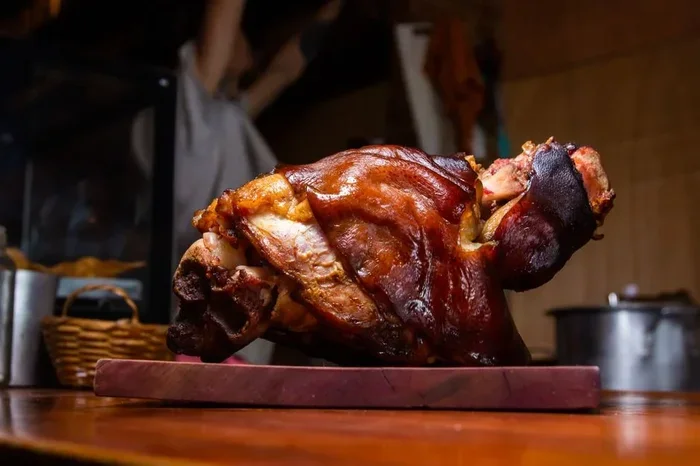
Ham cooking time depends on the method, size, and type of ham you are preparing. Whether you bake, slow cook, or simmer your ham, knowing the right cooking time for ham ensures tender, juicy meat every single time. This guide breaks down every method, temperature, and tip you need for perfect results.
Cooking ham is one of those tasks that feels simple on the surface. You throw it in the oven or slow cooker and wait, right? But anyone who has ended up with dry, overcooked ham knows the truth. Ham cooking time is more nuanced than most people realize. The right timing transforms a tough, bland piece of meat into a juicy centerpiece everyone loves.
Whether you are preparing a holiday spiral ham, a fresh country ham, or a boneless roast for a weeknight dinner, this guide has you covered. We will walk through every method, every temperature, and every trick that matters. By the end, you will never second-guess your ham roast time again.
Key Takeaways
- Oven-baked ham typically takes 15-20 minutes per pound at 325°F for a fully cooked ham.
- Slow cooker ham needs 4-6 hours on low or 2-3 hours on high for a 4-5 pound ham.
- Raw and fresh ham requires significantly longer cooking time than pre-cooked varieties.
- Internal temperature is the most reliable way to know when your ham is done.
- Resting time after cooking lets juices redistribute for a moister result.
- Glazing should be added in the last 15-30 minutes to prevent burning.
- Bone-in hams take longer but deliver more flavor than boneless cuts.
📑 Table of Contents
Understanding Ham Types and Why Cooking Time Matters
Not all hams are the same, and this is the first thing every cook needs to understand. The type of ham you buy directly affects how long it needs to cook and what method works best. Using the wrong approach can mean the difference between a show-stopping meal and a disappointing dinner.
Precooked ham comes fully cooked at the factory. You just need to heat it through. This is the most common type found in grocery stores. Fresh ham, on the other hand, is raw pork that has never been cured or cooked. It needs the full cooking time for ham from start to finish. Then there is country ham, which is heavily cured and often soaked or boiled before baking.
Precooked vs. Raw Ham: What You Need to Know
When you pick up a ham at the store, check the label carefully. If it says “fully cooked” or “ready to eat,” you are dealing with precooked ham. These hams need only to reach an internal temperature of 140°F. A raw ham must reach 160°F to be safe to eat.
This distinction matters a lot for your ham cooking time. Precooked ham takes roughly half the time of raw ham. A 10-pound precooked ham might need 2-3 hours in the oven. A raw ham of the same size could take 5-6 hours or more. Always let the type of ham guide your planning.
Bone-In vs. Boneless Ham
Bone-in ham takes longer to cook because the bone slows heat transfer. However, it also adds more flavor and tends to stay juicier. Boneless ham cooks faster and is easier to slice, but it can dry out more quickly if you are not careful.
If you are short on time, a boneless ham is a practical choice. For special occasions or when flavor is your top priority, bone-in wins every time. Adjust your ham cooking time expectations based on which cut you choose.
Oven-Baked Ham: The Classic Method
Baking ham in the oven is the most traditional approach. It gives you a beautiful glaze and an even cook that is hard to beat. Most cooks prefer this method for holiday meals and special gatherings.
How Long to Cook Ham in the Oven
For a fully cooked ham cooking time in the oven, plan for about 15-20 minutes per pound at 325°F. A 10-pound ham will take roughly 2.5 to 3.5 hours. This includes the time it takes for the internal temperature to rise to 140°F.
Here is a simple breakdown to follow:
- Small ham (3-5 lbs): 1.5 to 2 hours
- Medium ham (5-8 lbs): 2 to 2.5 hours
- Large ham (8-12 lbs): 2.5 to 3.5 hours
- Extra-large ham (12+ lbs): 3.5 to 4.5 hours
These times assume you are heating a precooked ham. If you are cooking a raw ham, add about 20-30 minutes per pound and aim for an internal temperature of 160°F.
The Importance of Internal Temperature
Do not rely on the clock alone. A meat thermometer is your best friend when cooking ham. Insert it into the thickest part of the meat, avoiding the bone. The ham is done when it reaches 140°F for precooked ham and 160°F for raw ham.
Many cooks make the mistake of overcooking because they trust the time more than the thermometer. This is the single biggest reason ham turns out dry. Always use a thermometer and pull the ham when it hits the right temperature, not when the timer goes off.
Adding a Glaze Without Burning It
A good glaze makes ham shine. Most glazes contain sugar, which can burn quickly at high temperatures. Apply your glaze during the last 15-30 minutes of cooking. This gives it time to caramelize without turning black and bitter.
Some cooks like to apply the glaze in two stages. Add half the glaze at the one-hour mark and the rest in the final 20 minutes. This builds layers of flavor and creates a beautiful, sticky finish. If you are looking for glaze ideas or recipe inspiration, check out these ham recipes for creative flavor combinations.
Slow Cooker Ham: Set It and Forget It
The slow cooker is a fantastic option for ham, especially if you want to free up your oven for sides and desserts. It produces incredibly tender meat with minimal effort.
Slow Cooker Cooking Times for Ham
A general rule for slow cooker ham is about 4-6 hours on low or 2-3 hours on high for a 4-5 pound ham. Smaller hams may need less time, while larger ones could push past 6 hours on low.
Here is a helpful reference for planning:
- 3-4 pound ham on low: 4-5 hours
- 5-6 pound ham on low: 5-6 hours
- 3-4 pound ham on high: 2-3 hours
- 5-6 pound ham on high: 3-4 hours
Slow cooker ham does not always develop the same caramelized exterior as oven-baked ham. To get a nice crust, you can transfer the ham to a hot oven for the last 15-20 minutes and brush on your glaze. This gives you the best of both worlds.
For a complete slow-cooked ham experience with beans and vegetables, you might enjoy this crockpot ham and beans recipe that pairs perfectly with your main dish.
Tips for Moist Slow Cooker Ham
Slow cookers can sometimes dry out ham if you are not careful. Add a cup of apple juice, cider, or broth to the bottom of the cooker before you start. This creates steam that keeps the ham moist during the long cook.
Also, resist the urge to open the lid too often. Every time you lift the lid, you lose heat and add 15-20 minutes to your ham cooking time. Let the slow cooker do its work and trust the process.
Stovetop and Simmering Methods
Not all ham is cooked in an oven or slow cooker. Some traditional methods involve simmering ham on the stovetop, especially for country hams or fresh cuts that need gentle, even cooking.
Simmering Fresh Ham on the Stove
Fresh ham needs a longer ham roast time when simmered on the stovetop. Plan for about 20-25 minutes per pound at a gentle simmer. A 6-pound fresh ham could take 2-3 hours of simmering before it is safe to eat.
After simmering, many cooks finish the ham in the oven at 325°F for an additional 30-45 minutes to develop a crispy outer layer. This two-step approach gives you tender meat inside and a flavorful crust outside.
Using the Right Cookware
The pot you choose matters more than you might think. A heavy-bottomed pot distributes heat evenly and prevents hot spots that can cause uneven cooking. For larger hams, make sure your pot is big enough to hold the ham fully submerged in liquid.
When selecting cookware for ham and other cooking tasks, having the right pots and pans for your stove type makes a real difference in heat distribution and cooking results. The right pan ensures your ham cooks evenly from edge to center.
Factors That Affect Ham Cooking Time
Several factors can change how long your ham takes to cook. Understanding these helps you plan better and avoid common pitfalls.
Ham Size and Weight
This is the most obvious factor. A larger ham takes more time because heat needs to penetrate deeper into the meat. As a rule of thumb, add about 10-15 minutes per additional pound beyond the base weight. However, this is not a perfect formula. The shape of the ham matters too. A wide, flat ham cooks faster than a tall, narrow one of the same weight.
Starting Temperature
Does your ham go straight from the refrigerator into the oven? A cold ham takes longer than one that has been sitting at room temperature for 30-60 minutes. Letting your ham rest at room temperature before cooking can reduce your ham cooking time by 15-20 minutes and promote more even cooking.
Oven Accuracy
Many home ovens run hotter or cooler than the dial says. An oven thermometer is a cheap and essential tool. If your oven runs 25°F hot, your ham will cook faster than expected and could dry out. If it runs cool, you will need to extend the time.
Altitude
High altitude affects cooking times for all meats. At elevations above 3,000 feet, water boils at a lower temperature, which means your ham cooks more slowly. Add about 10-15% more time if you live at a high altitude.
Common Mistakes to Avoid When Cooking Ham
Even experienced cooks sometimes make mistakes with ham. Knowing what to avoid saves you from dry meat, wasted time, and disappointing results.
Overcooking the Ham
This is the number one mistake. Ham is already cooked in most cases, so you really just need to heat it through. Leaving it in the oven for too long dries out the meat and ruins the texture. Always pull the ham when it reaches the target internal temperature and let it rest.
Skipping the Resting Period
Resting is not just for steak. After removing your ham from the oven or slow cooker, let it sit for 15-20 minutes before slicing. This allows the juices to redistribute throughout the meat. Cut too early, and those juices run out onto the cutting board instead of staying in the ham.
Applying Glaze Too Early
Sugar-based glazes burn easily. Putting the glaze on too early in the cooking process leads to a bitter, blackened exterior. Wait until the last 15-30 minutes to add any sugary glaze. If your glaze has a lot of honey or brown sugar, be especially careful with the timing.
Not Planning for Carryover Cooking
Carryover cooking means the ham continues to rise in temperature after you take it out of the oven. The internal temperature can increase by 5-10°F during resting. Pull the ham a few degrees below your target to account for this. This is especially important for precooked ham where you want to hit exactly 140°F.
Quick Tips for Perfect Ham Every Time
Here are some fast, practical tips that make a big difference in your results:
- Use a meat thermometer. It is the only reliable way to know your ham is done.
- Let the ham come to room temperature before cooking for more even results.
- Score the ham in a diamond pattern before glazing. This helps the glaze absorb and creates an attractive presentation.
- Wrap in foil for the first half of cooking, then remove it for the last hour to let the surface brown.
- Save the ham bone. It makes incredible soup stock for your next meal.
- Use a heavy, oven-safe pot if simmering on the stovetop. The right big non-stick pots make ham preparation much easier and cleanup a breeze.
- Plan for 15-20 minutes per pound as your baseline for oven-baked ham and adjust from there.
These tips may seem small, but they add up to a noticeably better ham every time you cook one.
Conclusion
Ham cooking time is not a one-size-fits-all number. It depends on the type of ham, the cooking method, the size of the cut, and even your oven’s quirks. But once you understand the basics, it becomes second nature. A precooked ham baked in the oven needs about 15-20 minutes per pound at 325°F. A slow cooker ham takes 4-6 hours on low. A fresh ham simmered on the stovetop demands patience and a longer cook.
The most important tools in your arsenal are a good meat thermometer and a little patience. Let the ham rest, apply the glaze at the right time, and always cook to temperature rather than time alone. With these guidelines, you will serve ham that is juicy, flavorful, and perfectly cooked every single time. Your family and guests will never know how easy it actually was.
Frequently Asked Questions
How long does it take to cook a 10-pound ham?
A 10-pound precooked ham takes about 2.5 to 3.5 hours in the oven at 325°F. This means roughly 15-20 minutes per pound. Always use a meat thermometer to confirm the internal temperature reaches 140°F before serving.
Can you overcook ham in a slow cooker?
Yes, it is possible. While slow cookers are forgiving, cooking ham on high for too long can dry it out. Stick to the recommended 4-6 hours on low for most hams and check the internal temperature to be sure.
What is the best temperature for cooking ham?
For oven-baked ham, 325°F is the standard temperature. This allows the ham to heat through evenly without drying out the outer layers. For raw ham, you must reach an internal temperature of 160°F for food safety.
How do you know when ham is done cooking?
The most reliable method is using a meat thermometer. Precooked ham is done at 140°F internally, while raw ham needs to reach 160°F. The meat should also feel firm but springy when pressed gently.
Should I cover my ham with foil while cooking?
Yes, covering with foil for the first part of cooking helps retain moisture. Remove the foil during the last hour to allow the surface to brown and the glaze to caramelize properly.
How long should ham rest before slicing?
Let your ham rest for 15-20 minutes after cooking. This resting period allows the juices to settle back into the meat, resulting in a juicier, more flavorful slice when you cut into it.