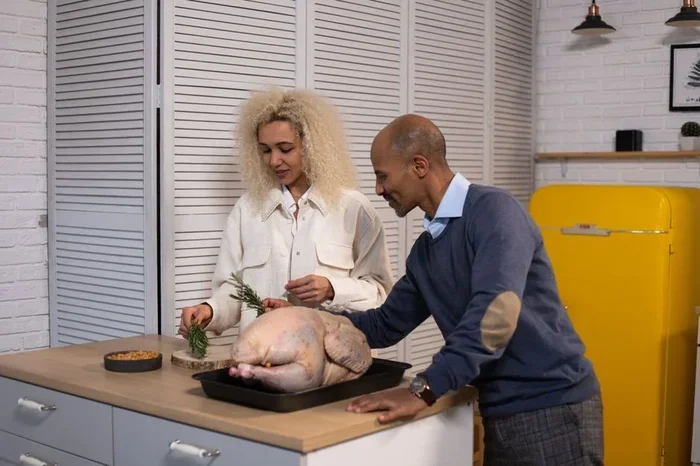
Thawing turkey the right way is the key to a safe and delicious holiday meal. The how to thaw turkey safely process depends on your timeline and the tools you have. Whether you use the refrigerator, cold water, or microwave, following the right steps prevents bacterial growth and keeps your family safe from foodborne illness.
Every year, millions of families sit down to enjoy a roast turkey during the holidays. But behind that beautiful golden bird lies a simple question: did you thaw it the right way? The answer matters more than most people think. How to thaw turkey safely is not just about convenience. It is about protecting your family from food poisoning and foodborne illness.
Raw turkey can carry harmful bacteria like Salmonella and Campylobacter. These bacteria grow fast when meat sits at the wrong temperature. The good news is that thawing turkey safely is not complicated. You just need the right method, enough time, and a little patience. This guide walks you through every safe turkey thawing method so you can serve a meal that is both delicious and worry-free.
Key Takeaways
- Refrigerator thawing is the safest method: It keeps your turkey at a steady, safe temperature throughout the process.
- Cold water thawing is faster: It works well when you have less time, but requires constant attention and cold water changes.
- Microwave thawing is the quickest option: Use it only for smaller turkeys and cook immediately after thawing.
- Never thaw turkey on the counter: Room temperature allows dangerous bacteria to multiply rapidly on the outer layers.
- Always check for ice crystals: A fully thawed turkey has no ice blocks and feels flexible throughout.
- Cook turkey within 48 hours of refrigerator thawing: This window keeps the meat fresh and safe to eat.
📑 Table of Contents
Why Proper Turkey Thawing Matters
Many people underestimate the risks of thawing turkey incorrectly. They leave it on the counter overnight or run it under hot water. These shortcuts seem harmless. But they create the perfect conditions for bacterial growth. The outer layers of the turkey warm up into the “danger zone” between 40°F and 140°F. Meanwhile, the center may still be frozen solid.
The danger zone is where bacteria multiply the fastest. In just two hours, Salmonella levels on a turkey left at room temperature can reach dangerous levels. This is why food safety experts stress using controlled thawing methods. The goal is simple: keep the turkey cold all the way through until it hits the cooking temperature.
Proper thawing also ensures even cooking. A frozen center in a turkey that looks done on the outside is a serious health risk. When you thaw turkey correctly, the meat cooks evenly from edge to center. This means no more guessing whether the bird is done.
The Refrigerator Thawing Method
The refrigerator method is the gold standard for how to thaw turkey safely. It takes the longest, but it is the most reliable. The steady cold temperature of your fridge keeps the turkey safe from bacteria the entire time.
Here is how to do it right:
- Plan ahead: Allow about 24 hours of thawing time for every 4 to 5 pounds of turkey.
- Keep it sealed: Leave the turkey in its original wrapper or place it in a leak-proof bag.
- Place it on the bottom shelf: This prevents any juices from dripping onto other foods and causing cross-contamination.
- Use a tray or pan: Put the turkey on a rimmed baking sheet to catch any drips.
- Cook within 48 hours: Once fully thawed, the turkey should go into the oven within two days.
For a 12-pound turkey, you would need about three days in the refrigerator. For a 20-pound bird, count on five days. This method is ideal if you are planning ahead for Thanksgiving or a holiday dinner. It is also the method that gives you the most flexibility because the turkey can stay in the fridge safely until you are ready to cook it.
If you are short on fridge space, consider storing other items like how to store beef or other proteins in a separate cooler with ice. This frees up room and keeps everything at a safe temperature.
The Cold Water Thawing Method
The cold water method is your best friend when time is tight. It works much faster than the refrigerator, but it requires more hands-on attention. The key is keeping the water cold — below 40°F at all times.
Follow these steps for safe cold water thawing:
- Keep the turkey in its sealed wrapper: This prevents water from soaking into the meat and spreading bacteria.
- Submerge the turkey in cold tap water: Make sure the entire bird is covered.
- Change the water every 30 minutes: Stale water warms up fast. Fresh cold water keeps the process safe.
- Estimate about 30 minutes per pound: A 12-pound turkey thaws in roughly 6 hours.
- Cook the turkey immediately after thawing: Do not refreeze or store it for later.
This method works well for same-day cooking. If you wake up on Thanksgiving morning and realize the turkey is still frozen, the cold water method saves the day. Just set a timer, change the water regularly, and stay patient. Never use warm or hot water. Warm water starts cooking the outer layers and creates the same bacterial risks as leaving the turkey on the counter.
Some people wonder if they can speed things up by using a running faucet. While a gentle stream of cold water can help, a bowl or sink filled with cold water is more effective. The standing water transfers heat more evenly around the turkey.
The Microwave Thawing Method
The microwave is the fastest way to thaw turkey, but it comes with trade-offs. Microwaves heat unevenly, which means some parts of the turkey may start cooking while other parts remain frozen. This uneven thawing creates pockets where bacteria can survive.
Use the microwave method only when you have no other option. Here is what you need to know:
- Check your microwave manual: Look for the defrost setting and follow the weight-based instructions.
- Use a microwave-safe dish: Place the turkey on a plate or shallow pan to catch any juices.
- Turn and rotate the turkey: This helps distribute the heat more evenly.
- Cook immediately after thawing: The microwave starts cooking the edges, so the turkey must go into the oven right away.
- Best for smaller birds: Most microwaves cannot fit a full-sized turkey. This method works best for birds under 12 pounds.
Because the microwave begins the cooking process, you must not refreeze the turkey after using this method. The partial cooking creates conditions where bacteria can thrive if the meat sits out. Think of microwave thawing as a last-resort tool, not your go-to strategy.
Common Mistakes That Lead to Food Poisoning
Even experienced cooks make mistakes when thawing turkey. Knowing what to avoid is just as important as knowing what to do. Here are the most common errors that put your family at risk.
Leaving the Turkey on the Counter
This is the single most dangerous mistake. A frozen turkey sitting on the kitchen counter will thaw from the outside in. The outer layers warm up into the danger zone while the inside is still frozen. Bacteria multiply rapidly on those warm surfaces. No matter how busy you are, never leave raw turkey out at room temperature for more than two hours.
Using Hot Water
Hot water thaws the turkey faster, but it also starts cooking the outer layers. This partial cooking creates an environment where bacteria like Salmonella can grow. Always use cold water — 40°F or below — and change it every 30 minutes. The extra effort is worth the safety it provides.
Thawing the Turkey in Its Grocery Bag
Many turkeys come in thin plastic bags that are not leak-proof. Juices from the raw turkey can seep into the bag and contaminate your sink, countertops, and other foods. Always transfer the turkey to a leak-proof container or double-bag it before thawing. This simple step prevents cross-contamination in your kitchen.
Not Washing Hands and Surfaces
Handling raw turkey means handling potential bacteria. Wash your hands thoroughly with soap and warm water for at least 20 seconds after touching the raw meat. Clean all surfaces, cutting boards, and utensils with hot, soapy water. This basic hygiene step stops the spread of foodborne illness before it starts.
Refreezing Improperly
You can refreeze a turkey that was thawed in the refrigerator, but only if you cook it first. A turkey thawed using the cold water or microwave method should never be refrozen unless you cook it immediately. Refreezing raw, thawed turkey degrades the texture and increases the risk of bacterial contamination.
Skipping the Internal Temperature Check
A thawed turkey does not automatically mean a cooked turkey. Always use a meat thermometer to check the internal temperature. The thickest part of the thigh and the thickest part of the breast should both reach 165°F. This is the only way to confirm that harmful bacteria have been destroyed.
Proper raw turkey handling goes beyond just thawing. It covers the entire preparation process. When you follow safe practices from thawing to cooking, you build a strong defense against food poisoning.
How to Know Your Turkey Is Fully Thawed
It is easy to assume a turkey is thawed when it is not. An under-thawed turkey cooks unevenly, leaving cold spots where bacteria can survive. Here are three reliable ways to check if your turkey is ready to cook:
- Touch test: Press the thickest part of the breast and the thigh. A fully thawed turkey feels soft and flexible all the way through. If you feel any ice crystals or hard spots, it needs more time.
- Check the cavity: Look inside the turkey. If there are still ice chunks or frost, the bird is not fully thawed.
- Wiggle the legs: A thawed turkey’s legs move freely at the joints. A partially frozen turkey feels stiff and tight.
When in doubt, give it more time. It is always better to wait an extra few hours than to serve an undercooked turkey. Remember that how to thaw turkey safely means taking your time and doing it right.
Once you confirm the turkey is fully thawed, you can move on to seasoning and cooking. If you plan to keep the turkey warm after cooking, consider learning how to keep a turkey warm in the oven for helpful tips on maintaining the right temperature without drying out the meat.
Cooking Your Thawed Turkey Safely
Thawing is only half the battle. Cooking the turkey to the right temperature is what makes the whole process worthwhile. A fully thawed turkey cooks more evenly than a partially frozen one. This means better results and safer food on the table.
Set your oven to at least 325°F. Place the thawed turkey in a roasting pan and cook it until a meat thermometer reads 165°F in both the breast and the thigh. Let the turkey rest for at least 20 minutes before carving. This resting time allows the juices to redistribute and ensures a moist, tender result.
If you are new to roasting a whole turkey, you may want to review general turkey preparation tips. Understanding the full process — from thawing to resting — gives you confidence in the kitchen and peace of mind at the dinner table.
After the meal, proper storage of leftovers is just as important. Leftover turkey should be refrigerated within two hours of cooking. If you are curious about long-term storage options, you can explore how to store food without fridge for general food storage guidance that applies beyond just turkey.
Final Thoughts on Thawing Turkey Safely
How to thaw turkey safely comes down to three things: time, temperature, and attention. The refrigerator method is the safest and most hands-off option. The cold water method works when you need speed. The microwave method is a backup for small turkeys on tight schedules. No matter which method you choose, never leave the turkey out on the counter and always cook it to 165°F.
Food poisoning from undercooked or improperly thawed turkey is entirely preventable. With the right knowledge and a little planning, you can serve a turkey that is safe, juicy, and delicious. Your guests will remember the meal, not the worry. Take the time to do it right, and enjoy every bite with confidence.
Frequently Asked Questions
What is the safest way to thaw a turkey?
The refrigerator method is the safest way to thaw a turkey. It keeps the meat at a consistent, cold temperature that prevents bacterial growth. Allow 24 hours for every 4 to 5 pounds of turkey, and cook it within 48 hours of thawing.
Can I thaw a turkey on the counter overnight?
No. Leaving a turkey on the counter at room temperature is one of the most dangerous thawing methods. The outer layers warm up into the danger zone where bacteria multiply rapidly, even if the inside is still frozen. Always use the refrigerator, cold water, or microwave method instead.
How long does it take to thaw a turkey in cold water?
Cold water thawing takes about 30 minutes per pound. A 12-pound turkey will thaw in roughly 6 hours. You must change the water every 30 minutes to keep it cold and safe. Cook the turkey immediately after it is fully thawed.
Can I refreeze a turkey after thawing it?
You can refreeze a turkey that was thawed in the refrigerator, but it is best to cook it first. A turkey thawed using the cold water or microwave method should be cooked immediately and not refrozen unless it was cooked right after thawing.
What temperature should a thawed turkey reach when cooked?
A thawed turkey must reach an internal temperature of 165°F in both the breast and the thickest part of the thigh. Use a meat thermometer to check, and let the turkey rest for at least 20 minutes before carving.
Do I need to wash a turkey before thawing it?
No. Washing a turkey before thawing can spread bacteria to your sink, countertops, and other surfaces. The heat from cooking will kill any bacteria on the turkey. Focus on keeping the turkey sealed and maintaining safe temperatures during the thawing process.