
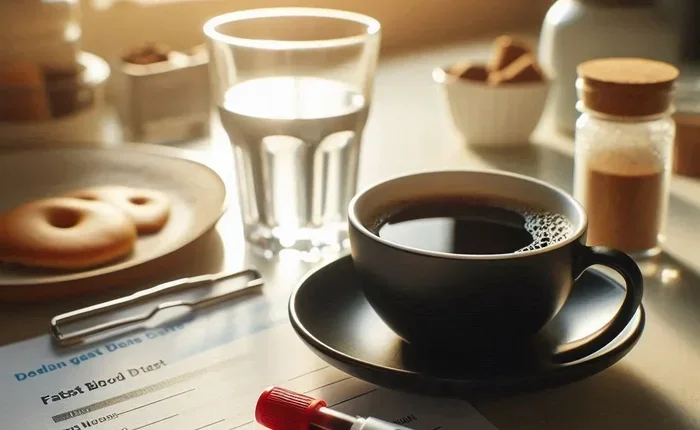
Many patients ask whether black coffee before blood work is allowed. While plain coffee has no sugar or milk, caffeine can still influence certain lab values. This guide explains when it is safe, when to skip it, and how to prepare properly. You will learn simple rules to avoid inaccurate results and feel confident before your appointment.
Key Takeaways
- Plain black coffee is often acceptable for routine fasting tests like cholesterol or blood sugar, but always confirm with your doctor.
- Caffeine can temporarily affect blood pressure, heart rate, and some hormone levels, which may skew specific lab results.
- No sugar, milk, cream, or flavorings should be added if your provider approves coffee during your fast.
- Water is the safest choice during fasting windows because it keeps you hydrated without altering test values.
- Fasting rules vary by test type, so follow the exact instructions given for your specific blood draw.
- Timing matters, as drinking coffee too close to the appointment may impact results more than drinking it earlier.
- When in doubt, skip the coffee and ask your healthcare team for clear, personalized guidance.
📑 Table of Contents
- Can I Have Black Coffee Before Blood Work
- Why Fasting Matters for Blood Tests
- Does Black Coffee Affect Lab Results
- When Black Coffee Is Usually Okay
- When You Should Avoid Coffee Before a Blood Draw
- What You Can Drink While Fasting
- Practical Tips for Test Day
- Expert Insights and Common Mistakes
- Final Thoughts on Black Coffee and Blood Work
Can I Have Black Coffee Before Blood Work
Many people wake up and reach for a hot cup of coffee before heading to the lab. It feels normal. It feels safe. But when you are preparing for a blood test, simple habits can suddenly matter a lot. The question of black coffee before blood work comes up often because fasting instructions are not always clear. Some clinics say yes. Others say no. The truth sits somewhere in the middle, and it depends on what you are being tested for.
Fasting does not always mean zero everything. In many cases, it means no food and no caloric drinks for a set window of time. Plain coffee usually fits that rule because it has almost no calories. Still, coffee is not just water with flavor. It contains caffeine and other natural compounds that can nudge your body in small ways. Those small shifts can matter when a lab is looking for very precise numbers. That is why the safest answer is usually to check your specific instructions and ask if you are unsure.
This guide breaks the topic down in a simple, practical way. You will learn how fasting works, why coffee can be tricky, which tests are more sensitive, and what to do on the morning of your appointment. The goal is to help you feel calm, prepared, and confident when you walk into the lab.
Why Fasting Matters for Blood Tests
Fasting gives your lab results a cleaner starting point. When you eat or drink certain things, your body begins breaking them down right away. That process changes your blood sugar, fats, hormones, and digestion. If a lab draws your blood too soon after a snack, the numbers may reflect your breakfast instead of your baseline health.
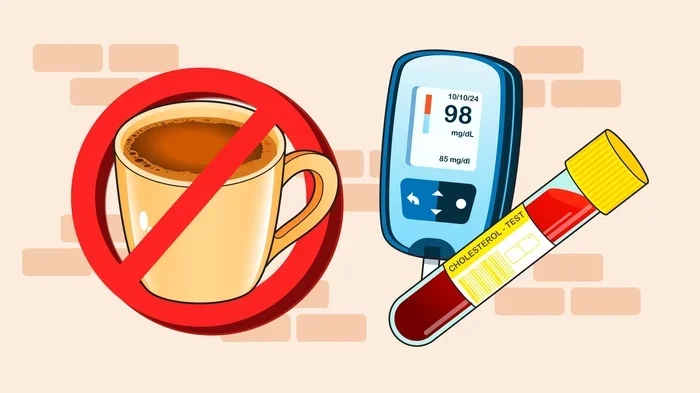
Visual guide about black coffee next to blood test kit
Image source: cdn.shopify.com
That is why doctors ask patients to fast before certain tests. The aim is to reduce outside influences. A clean fasting window helps the lab see your natural levels. It also makes results easier to compare over time. If one test is done after a meal and another is done on an empty stomach, the comparison becomes less useful.
Fasting rules are not the same for every test. Some tests only need a few hours without food. Others need a full overnight fast. A few tests are very flexible and do not require fasting at all. The important part is to follow the instructions for the exact test you are having. If your paperwork says nothing about fasting, it is still smart to ask the lab or your provider just to be safe.
What Fasting Usually Means
In most lab settings, fasting means no food and no caloric drinks for a set period. Water is usually allowed because it does not add calories or affect most blood values. Some providers also allow plain medications with a small sip of water, but that should always be confirmed first.
A common fasting window is 8 to 12 hours. That is why many people schedule morning appointments. You can eat dinner as usual, then stop eating after a certain time. By the next morning, your body has had enough time to settle into a fasting state. This makes the blood draw more consistent and easier to interpret.
Why Instructions Can Feel Confusing
Lab instructions can seem vague because different tests have different needs. One form may say “fasting required,” while another says “no special preparation.” Even when fasting is required, the rules about coffee are not always written clearly. Some providers simply forget to mention it. Others assume patients will know that only water is safe.
Another reason for confusion is that coffee affects people differently. Your metabolism, caffeine tolerance, and overall health all play a role. A cup of coffee might not change one person’s results much, while it could matter more for someone else. That is why blanket advice is hard to give. The best approach is to treat coffee as a small variable and handle it carefully.
Does Black Coffee Affect Lab Results
This is the heart of the question. Black coffee before blood work may seem harmless because it has no sugar, no milk, and no obvious calories. But coffee is more than a warm drink. It is a chemical mixture that can interact with your body in ways that matter to a lab test.

Visual guide about black coffee next to blood test kit
Image source: medicalservicefinder.com
Caffeine is the biggest concern for many tests. It can stimulate your nervous system. It may raise your blood pressure slightly. It can also increase alertness and change how your body handles stress. Those effects are usually temporary, but temporary changes can still show up in certain results. If a test is measuring something sensitive, even a small shift can make the reading less accurate.
Coffee also contains acids and antioxidants that may influence digestion and metabolism. While these effects are milder than the caffeine effect, they still exist. For most routine tests, a single cup of plain black coffee is unlikely to cause a major problem. For more sensitive tests, though, it is better to be cautious. The safest path is to ask whether your specific test allows coffee or whether you should stick to water only.
Caffeine and Blood Pressure Readings
If your appointment includes blood pressure checks, caffeine can matter. Caffeine may cause a short-term rise in pressure for some people. That does not mean coffee is bad for you. It simply means your reading may reflect a temporary effect rather than your usual baseline. If your provider is tracking hypertension or adjusting medication, they may want a calmer, more stable measurement.
In that case, skipping coffee before the visit may help. If you are not sure, ask whether your blood pressure will be checked and whether caffeine should be avoided beforehand. Small preparation choices can make the visit more useful.
Caffeine and Stress-Related Markers
Some labs look at hormones and other markers tied to stress and metabolism. Caffeine can stimulate the release of adrenaline and affect how your body feels in the moment. While one cup of coffee is unlikely to cause dramatic changes, sensitive tests may still prefer a calm, rested state. If your test is related to hormones, adrenal function, or other delicate markers, it is wise to follow the most conservative instructions.
When a test is especially precise, the goal is to reduce as many variables as possible. That usually means water only, unless your provider says otherwise.
When Black Coffee Is Usually Okay
There are many situations where black coffee before blood work is generally considered acceptable. This is especially true for routine tests that measure cholesterol, triglycerides, or basic blood sugar. In those cases, the main concern is food and caloric drinks, not a small cup of plain coffee.
Visual guide about black coffee next to blood test kit
Image source: static.vecteezy.com
If your provider says fasting is required but does not mention coffee, many patients still choose to play it safe with a small cup of black coffee. No sugar. No creamer. No flavored syrups. Just plain coffee. That keeps the drink close to non-caloric and reduces the chance of affecting the results. Even so, it is always better to confirm than to guess.
Some people also find that a modest amount of coffee helps them feel normal before a morning appointment. If you are a regular coffee drinker, suddenly stopping may leave you with a headache or a rough morning. For some patients, that discomfort is unnecessary. If coffee is allowed, a modest serving can be a practical compromise.
Routine Blood Panels
Routine panels often focus on broad health markers. These may include cholesterol, blood sugar, liver function, kidney function, and basic blood counts. For many of these tests, the biggest fasting concern is food intake. Plain coffee usually has a much smaller effect than a meal or a sweetened drink.
If your instructions mention fasting but not coffee, ask whether a small cup of black coffee is acceptable. If the answer is yes, keep it simple and modest. Do not turn a basic cup of coffee into a large, strong, multi-serving habit on the morning of the test.
Basic Metabolic Checks
Some basic checks are designed to see how your body handles sugar and fats after a fasting period. In those cases, the most important rule is to avoid calories. Black coffee usually fits that rule better than almost any other morning drink. Still, the final decision belongs to the provider ordering the test.
If you are preparing for a standard fasting glucose or lipid panel, ask directly. A quick question can save you from redoing the test later.
When You Should Avoid Coffee Before a Blood Draw
There are times when it is better to skip coffee entirely. If your test is sensitive to caffeine, stress, or digestive changes, water may be the only safe choice. This is especially true when the lab needs a very clean baseline or when your provider has given specific restrictions.
Some tests are more sensitive than others. For example, certain hormone tests, specialized metabolic panels, or tests tied to heart and blood pressure evaluation may call for a calmer state. In those cases, even a normal cup of coffee could add a small variable that the provider would rather avoid.
Another reason to avoid coffee is comfort. If coffee makes you jittery, upset your stomach, or change how you feel before the appointment, it may be better to wait. A blood draw should be as smooth as possible. If coffee makes you feel uneasy, it is not helping.
More Sensitive Tests
Tests that measure delicate markers often come with stricter prep rules. If your provider mentions special instructions, follow them closely. Do not assume coffee is fine just because it is plain. Special tests sometimes require special preparation, and those instructions override general habits.
If you are unsure whether your test falls into this category, call the lab or clinic. A short conversation can prevent confusion and help you prepare correctly.
Personal Sensitivity Matters
Two people can drink the same coffee and react very differently. One person may feel perfectly calm. Another may feel stimulated, restless, or physically uncomfortable. If caffeine affects you strongly, it may be wise to avoid it before a test, even if the lab does not strictly forbid it. Your own response matters because it can influence your stress level and overall comfort.
If you know you are sensitive to caffeine, consider switching to water on test morning. That simple choice can make the experience easier and reduce any possible interference.
What You Can Drink While Fasting
When you are preparing for a blood test, the safest drink is usually water. Water keeps you hydrated and does not add calories, sugar, or caffeine. That makes it the most neutral choice for almost all fasting situations. If you are thirsty, water is the best friend you can have before a blood draw.
Plain black coffee may be allowed in some cases, but only when your provider says so. Tea can be similar to coffee in that it may contain caffeine, so the same caution applies. Herbal tea may be an option in some situations, but even that should be checked if the test is sensitive. The safest rule is to keep your drinks simple and clear.
Avoid anything with calories if you are fasting. That means no milk, no cream, no sugar, no honey, no flavored syrups, and no juice. Even small amounts can break a fast for certain tests. If you want the cleanest results, stick to water unless your provider gives you a different answer.
Best Choices Before a Blood Test
Here are simple, safe options to consider before your appointment:
- Water, which is usually the best and safest choice
- Plain black coffee, only if your provider approves it
- Plain tea, if caffeine and test rules allow it
- Small sips of water with prescribed medications, if approved
These options keep your preparation simple. They also help you avoid accidental breaks in your fast.
Drinks to Skip
Some drinks are best avoided when you are fasting for lab work:
- Coffee with sugar, milk, or cream
- Flavored lattes or sweetened coffee drinks
- Juice and soda
- Energy drinks
- Alcohol the night before, if your provider advises against it
These drinks can add calories, sugar, or stimulants that may affect your results or break your fast.
Practical Tips for Test Day
A little preparation goes a long way. The morning of your blood test does not need to be stressful. With a few simple habits, you can make the process smoother and reduce the chance of confusion.
Start by reading your instructions carefully. If something is unclear, ask before the appointment, not after. It is much easier to adjust your morning routine than to repeat a test later. If coffee is allowed, keep it plain and moderate. If it is not allowed, switch to water and save the coffee for afterward.
Also think about timing. If you drink coffee, do it early enough that it does not feel like a fresh stimulus right before the draw. A calm, hydrated, and comfortable state is usually the best goal. If you tend to feel faint or nervous at the lab, tell the staff. They can help you sit comfortably and make the draw easier.
Simple Test-Day Checklist
Use this quick list to prepare with confidence:
- Confirm your fasting rules with the lab or your provider
- Drink water unless you are told otherwise
- Avoid calories unless your instructions allow them
- Keep coffee plain if it is permitted
- Bring your order form and any required paperwork
- Wear easy-to-roll-up sleeves for a smoother blood draw
- Plan a small reward, like coffee afterward, if you want one
This kind of preparation helps you feel organized. It also reduces last-minute uncertainty.
What to Do if You Accidentally Break Your Fast
If you sip something you should not have, do not panic. First, check what you consumed and how much. A tiny taste is different from a full breakfast. If you drank a little coffee with sugar or had a snack, tell the lab or your provider before the draw. They can advise whether to proceed or reschedule.
Being honest is better than guessing. Lab staff would rather know upfront than interpret results that may be affected. In many cases, they will simply note it or suggest a new appointment if needed.
Expert Insights and Common Mistakes
One common mistake is assuming all fasting rules are the same. They are not. Another mistake is thinking “black coffee” automatically means “safe.” Plain coffee is closer to safe than a sugary drink, but it is still coffee. The test type matters. The provider’s instructions matter. Your own health situation matters too.
Another frequent error is adding hidden calories without realizing it. A splash of milk, a bit of creamer, or a sweetener can change the drink enough to matter for some tests. If you are fasting, keep the cup as plain as possible. When in doubt, less is more.
Expert advice usually comes down to one idea: clarity. If the instructions are vague, ask for clarification. If the test is routine, a small cup of black coffee may be fine. If the test is sensitive, water is the safer choice. The goal is not to make lab prep complicated. The goal is to make it accurate and comfortable.
Common Mistakes to Avoid
- Assuming coffee is always allowed without checking
- Adding cream, sugar, or flavorings during a fast
- Drinking too much coffee and feeling jittery before the draw
- Ignoring special instructions for sensitive tests
- Forgetting to ask when the paperwork is unclear
Expert Insight
The best preparation is the one that matches your specific test. A simple question at the front end can save time, stress, and possible retesting later. If your provider says water only, follow that. If they say black coffee is okay, keep it plain and moderate. Either way, the point is to make the blood draw as clean and reliable as possible.
Final Thoughts on Black Coffee and Blood Work
So, can you have black coffee before blood work? In many cases, the answer is maybe, but it depends on the test and the instructions you were given. Plain black coffee is often less disruptive than food or sweetened drinks, yet caffeine and individual sensitivity still matter. That is why the smartest move is to confirm your fasting rules before test morning.
If your provider allows black coffee, keep it simple. No sugar. No milk. No extras. If your provider says water only, follow that guidance and enjoy your coffee afterward. A short check-in with the lab or clinic can make the whole process easier and more accurate.
The main lesson is this: preparation builds confidence. When you know what is allowed, you can walk into your appointment with less worry and better focus. That makes the blood draw smoother and the results more trustworthy. When you are unsure, choose the safer option and ask. Your future self will thank you for it.
Frequently Asked Questions
Can I drink black coffee before a fasting blood test?
Sometimes yes, but only if your provider says plain black coffee is allowed. Since coffee has no sugar or milk, it is often less disruptive than other drinks, but caffeine can still matter for some tests.
Does black coffee break a fast for blood work?
It may not break a fast in the same way food does, but it can still affect certain results. If your test requires a strict fast, water is usually the safest choice unless your provider approves coffee.
What can I drink before blood work if I am fasting?
Water is usually the best option because it keeps you hydrated without adding calories. Plain black coffee or plain tea may be allowed in some cases, but you should confirm that first.
Why do some doctors say no coffee before a blood test?
Caffeine can temporarily affect blood pressure, alertness, and some metabolic responses. For sensitive tests, providers may prefer a calmer baseline, so they ask patients to avoid coffee.
Is it okay to have black coffee before cholesterol or glucose tests?
Often it is acceptable for routine panels, but the final rule depends on your provider’s instructions. If you are unsure, ask whether a small cup of plain black coffee is permitted during your fast.
What should I do if I drank coffee before my blood draw by mistake?
Tell the lab or your provider what you had and how much. They can decide whether to continue with the draw or reschedule, depending on the test and how much coffee you consumed.



