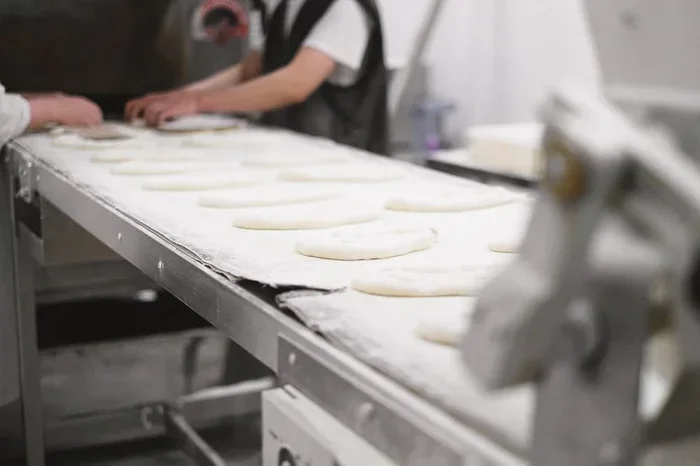
A dough sheeter is a game-changing tool that saves time and delivers consistent results every time you bake. Whether you run a home kitchen or a small bakery, choosing the right machine makes a huge difference in your workflow. This guide walks you through types, features, and key factors so you can buy with confidence. We also share practical tips to help you avoid common pitfalls.
A dough sheeter is one of those kitchen tools that changes everything once you start using it. If you have ever rolled out pastry dough by hand for hours, you know how tiring and inconsistent it can be. A sheeter takes that workload off your shoulders and gives you perfectly even sheets every single time.
But with so many options on the market, picking the right one can feel overwhelming. Should you go manual or electric? What size do you actually need? How much should you spend? This guide answers all those questions and more. By the end, you will feel confident choosing a dough sheeter that fits your kitchen, your baking goals, and your budget.
We have tested and reviewed dozens of machines over the years. In this article, we break down everything you need to know in plain, simple language. No jargon, no fluff, just honest advice you can use right away.
Key Takeaways
- Right tool matters: A dough sheeter dramatically improves consistency and saves time in any baking setup.
- Know your options: Manual, electric, and commercial models each serve different needs and budgets.
- Size and capacity: Match the machine to your kitchen space and typical batch sizes.
- Material quality: Stainless steel rollers and sturdy frames last longer and perform better.
- Ease of use: Look for simple controls, easy cleaning, and adjustable thickness settings.
- Budget wisely: You don’t need to spend a fortune, but investing in quality pays off over time.
📑 Table of Contents
What Is a Dough Sheeter and Why Do You Need One?
A dough sheeter is a machine that rolls and flattens dough to a uniform thickness. Think of it as a powerful rolling pin on steroids. You feed dough into the machine, and it comes out as an even sheet ready for cutting, shaping, or baking.
These machines are popular in bakeries, pizzerias, and home kitchens alike. They handle everything from pastry dough and pizza dough to bread dough and pasta sheets. The main benefit is consistency. When you roll dough by hand, thickness varies. A sheeter eliminates that problem completely.
Using a sheeter also saves a ton of time. What takes 20 minutes of vigorous rolling by hand might take two minutes with a machine. Over weeks and months, that time savings adds up fast. For anyone who bakes regularly, a dough sheeter is a worthwhile investment.
Who Benefits Most From a Dough Sheeter?
Several types of bakers and food businesses rely on these machines daily:
- Home bakers who make bread, pastries, or pizza dough several times a week
- Small bakery owners who need consistent output without hiring extra staff
- Pizza restaurants that produce large volumes of dough daily
- Pastry shops that require thin, even sheets for croissants and danishes
- Pasta makers who roll out sheets for ravioli, lasagna, or flat noodles
If you fall into any of these categories, a dough sheeter will make your life much easier. Even casual bakers who enjoy weekend projects find these machines incredibly helpful.
Types of Dough Sheeters
Not all sheeters are the same. They come in different styles, each with its own strengths. Understanding the main types helps you narrow down your choices.
Manual Dough Sheeters
A manual dough sheeter requires you to crank the dough through the rollers by hand. These machines are simple, affordable, and do not need electricity. They work well in smaller kitchens where counter space is limited.
Manual models are great for bakers who do not need high volume. They are also quieter than electric versions. The trade-off is effort. You need to turn the crank yourself, which can be tiring with stiff bread dough.
One popular option for home bakers is using a wooden dough bowl alongside a manual sheeter for dough resting and storage. This combination works beautifully for traditional bread-making workflows.
Electric Dough Sheeters
An electric dough sheeter does the work for you. You feed the dough in, and the machine pulls it through the rollers automatically. These models are faster, easier to use, and better suited for medium to high volume baking.
Electric sheeters often come with adjustable thickness settings. You can dial in exactly how thin or thick you want your dough sheet. This level of control is essential for professional results.
Many electric models also double as dough mixers or work alongside one. This versatility makes them a smart choice for busy kitchens. If you plan to bake frequently, an electric dough sheeter is worth the extra cost.
Commercial Dough Sheeters
Commercial-grade machines are built for heavy-duty, all-day use. They feature powerful motors, heavy-duty rollers, and large throughput capacity. These are the machines you see in industrial bakeries and high-volume pizzerias.
Commercial models are not practical for most home kitchens. They are large, heavy, and expensive. However, if you run a growing bakery or restaurant, investing in a quality commercial dough sheeter can transform your production speed and consistency.
Key Features to Look For
When shopping for a dough sheeter, certain features matter more than others. Here is what to focus on.
Roller Material
The rollers are the heart of any sheeter. Stainless steel rollers are the best choice. They are durable, food-safe, and easy to clean. Some cheaper models use plastic rollers, which wear down quickly and can scratch your dough.
Look for machines with hardened stainless steel components. These last longer and maintain their smooth surface over time. Good roller quality directly affects how evenly your dough sheets come out.
Thickness Adjustment
Adjustable thickness settings give you control over your final product. The best dough sheeters offer multiple settings, usually ranging from about 2mm down to paper-thin sheets. This flexibility lets you make everything from thick pizza bases to delicate pastry layers.
Check how easy the adjustment is on each model. Some machines require tools or complex adjustments. The best ones let you change thickness with a simple dial or lever.
Capacity and Size
Consider how much dough you typically work with at once. A small home machine might handle one pound of dough per pass. A larger model can process several pounds in a single cycle.
Measure your available counter space before buying. These machines are not small. You need room to place the unit, feed dough in, and collect the output. A cramped kitchen will make the process frustrating.
Ease of Cleaning
Dough is sticky. Cleaning a sheeter can be a hassle if the design is not user-friendly. Look for machines with removable parts, smooth surfaces, and dishwasher-safe components. The easier it is to clean, the more likely you are to maintain the machine properly.
Some bakers keep a dedicated pasta machine or dough roller for specific tasks. Having separate equipment for different jobs keeps things organized and efficient.
How to Choose the Right Dough Sheeter for Your Needs
Choosing the right dough sheeter comes down to matching the machine to your specific situation. Here is a practical framework to help you decide.
Step 1: Assess Your Baking Volume
Ask yourself how often you bake and how much dough you process. If you bake once a week for your family, a basic manual model will work fine. If you run a weekly farmers market stall, you need something faster and more durable.
Be honest about your volume. Buying a machine that is too small leads to frustration. Buying one that is too large wastes money and counter space.
Step 2: Set a Realistic Budget
Dough sheeters range from about $100 for basic manual models to over $2,000 for commercial-grade electric units. Set a budget before you start shopping, and stick to it.
Remember that a higher price usually means better build quality, longer lifespan, and more features. But you do not need to buy the most expensive option. Focus on the features you actually need.
For those on a tighter budget, consider buying a quality electric dough mixer with dough hook attachments. This can handle many tasks and is a solid starting point for new bakers.
Step 3: Read Reviews and Compare Models
Take time to read real user reviews before purchasing. Look for feedback on durability, ease of use, and consistency of results. Pay attention to comments about customer service and warranty coverage.
Compare at least three models side by side. Note the pros and cons of each. This simple step prevents buyer’s remorse and helps you find the best value.
Step 4: Test If Possible
If you can, test a machine in person before buying. Visit a restaurant supply store or a local bakery that uses a sheeter. Feel the build quality, try the controls, and see how smoothly the machine operates.
Testing gives you a feel for the machine that no review can match. It also helps you notice things like noise level, vibration, and ease of feeding dough through the rollers.
Common Mistakes to Avoid
Even experienced bakers make mistakes when buying a dough sheeter. Here are the most common ones to watch out for.
- Buying without measuring your space. A machine that does not fit your kitchen creates clutter and frustration.
- Ignoring dough hydration. Very wet or very dry dough behaves differently in a sheeter. Know your dough’s characteristics before choosing a machine.
- Skipping the cleaning routine. Neglecting regular cleaning leads to buildup, stickiness, and eventually machine damage.
- Overlooking warranty and support. A good warranty protects your investment. Choose brands that stand behind their products.
- Choosing speed over quality. The cheapest machine is not always the best deal if it breaks after six months. Prioritize build quality.
Avoiding these mistakes saves you money, time, and headaches. Take your time and make a thoughtful decision.
Expert Tips for Getting the Most From Your Dough Sheeter
Once you have your dough sheeter, these tips will help you get the best results every time.
Keep Your Dough at the Right Temperature
Dough works best when it is cool and slightly firm. If your dough is too warm and sticky, it will clog the rollers. Let your dough rest in the refrigerator for 15 to 30 minutes before sheeting. This simple step makes a big difference in performance.
Fold and Pass Multiple Times
For the smoothest sheets, fold your dough in thirds and pass it through the rollers again. This aligns the gluten strands and creates a more uniform texture. You will notice the difference in your finished baked goods.
Use Flour Sparingly
A light dusting of flour on the dough prevents sticking. But too much flour dries out the dough and affects the final texture. Use just enough to keep things moving smoothly through the machine.
Store the Machine Properly
When not in use, cover your dough sheeter to protect it from dust and moisture. Clean it thoroughly after each use and store it in a dry spot. Proper care extends the machine’s lifespan significantly.
Pair It With the Right Dough Recipes
Not all dough recipes are created equal for sheeting. Recipes designed for machine processing tend to have balanced hydration and proper gluten development. If you are using store-bought pizza dough, check that it is pliable enough to feed through smoothly. Cold dough straight from the fridge works best in most sheeters.
Many bakers also enjoy pairing their sheeter with a good set of wooden dough bowls for resting and proofing. The natural wood helps regulate moisture and temperature, creating ideal conditions for your dough to develop flavor and texture.
Conclusion
Choosing the right dough sheeter comes down to understanding your needs, your budget, and your kitchen setup. Whether you pick a simple manual model or invest in a powerful electric machine, the right sheeter transforms your baking experience. You save time, achieve better consistency, and enjoy the process more.
Take the time to compare options, read reviews, and think about your long-term baking goals. A good dough sheeter serves you for years. It becomes an essential part of your kitchen routine, just like your oven or your favorite rolling pin.
Start with the basics, learn your machine, and build from there. The world of dough processing opens up when you have the right tools. Happy baking.
Frequently Asked Questions
What is the difference between a dough sheeter and a pasta machine?
A dough sheeter is designed specifically for rolling out larger quantities of dough evenly. A pasta machine is smaller and meant for thinner sheets used in pasta making. While they look similar, a sheeter handles heavier dough and higher volumes more effectively.
Can a dough sheeter handle bread dough?
Yes, many dough sheeters work well with bread dough. However, bread dough needs to be slightly firmer and cooler for best results. Very high-hydration bread doughs may be too sticky for some machines. Always check your machine’s recommended dough types.
How much does a good dough sheeter cost?
Manual models typically range from $80 to $300. Electric models cost between $300 and $1,500. Commercial-grade machines can exceed $2,000. Your budget should match your baking volume and how often you plan to use the machine.
Is a manual or electric dough sheeter better for home use?
For most home bakers, a manual dough sheeter works perfectly. It is affordable, compact, and requires no electricity. If you bake frequently or in larger quantities, an electric model saves time and effort. Choose based on how often you bake and how much dough you typically process.
How do I clean a dough sheeter properly?
Always unplug the machine first. Remove any detachable parts and wash them with warm water and mild soap. Wipe down the rollers and frame with a damp cloth. Never submerge electric motors. Clean your sheeter after every use to prevent dried dough buildup.
Can I use a dough sheeter for gluten-free dough?
Some dough sheeters handle gluten-free dough well, but results vary. Gluten-free doughs tend to be stickier and more fragile. Use a light flour dusting and keep the dough cool. Test a small batch first to see how your machine performs with your specific recipe.
=== INTERNAL LINKS ===
For more tips on traditional bread-making tools, check out our guide on the best wooden dough bowl for bread making.
If you often work with store-bought pizza dough, our article on how to use store bought pizza dough offers helpful techniques for getting the best results.