Mastering T bone steak cooking temperature is the single most important factor in achieving a juicy, perfectly cooked steak. Whether you prefer medium rare or well done, knowing the exact internal temperature ensures consistent results. This guide covers everything from grill searing to oven finishing, with practical tips and temperatures you can trust.
There is something deeply satisfying about a perfectly cooked T bone steak. The tender filet mignon side sits right next to the rich strip steak, separated by that signature T-shaped bone. But getting it just right can feel tricky. The difference between a great steak and a disappointing one often comes down to one thing: T bone steak cooking temperature.
Whether you are firing up the grill on a summer evening or searing a steak in your kitchen, knowing the right temperature makes all the difference. Too high and you dry out the meat. Too low and you end up with something that feels undercooked. This guide walks you through everything you need to know about steak cooking temperature, from the best methods to the exact numbers you should aim for.
We will cover grilling, pan-searing, oven finishing, and even the reverse sear method. By the end, you will feel confident cooking a T bone steak to absolute perfection every single time. Let us dive in.
Key Takeaways
- Target Temperature Matters: The ideal T bone steak cooking temperature ranges from 130°F for medium rare to 155°F for well done.
- Use a Meat Thermometer: Always check the internal temperature with a reliable meat thermometer for accurate results.
- Rest Your Steak: Letting the steak rest for 5-10 minutes redistributes juices and improves tenderness.
- Sear First, Then Finish: The reverse sear or pan-sear-and-oven method delivers even cooking edge to edge.
- Thickness Affects Timing: Thicker steaks need lower heat and longer cooking to avoid burning the outside.
- Bone-In Steaks Need Extra Care: The bone acts as an insulator, so adjust cooking time accordingly.
📑 Table of Contents
- Why T Bone Steak Cooking Temperature Is So Important
- Understanding Steak Doneness Temperatures
- Best Methods for Cooking T Bone Steak
- How to Rest Your Steak Properly
- Common Mistakes That Ruin Steak Temperature
- Serving Your Perfectly Cooked T Bone Steak
- Final Thoughts on T Bone Steak Cooking Temperature
Why T Bone Steak Cooking Temperature Is So Important
The T bone steak is a cut that demands respect. It has two different types of meat on one steak. The tenderloin side cooks faster than the strip side. This means heat distribution is not even, and temperature management becomes critical.
Getting the internal temperature right ensures both sides of the steak reach the perfect level of doneness. A steak that is too hot turns tough and dry. One that is too cool stays chewy and lacks that beautiful caramelized crust. The sweet spot lies somewhere in between, and that is exactly what we will explore here.
Using a meat thermometer is the single best way to take the guesswork out of cooking steak. Professional chefs rely on them every day. You should too. A good instant-read thermometer costs very little and transforms your cooking results immediately.
The USDA Safe Temperature for Steak
The United States Department of Agriculture recommends cooking whole cuts of beef to at least 145°F. However, most steak lovers prefer their steak medium rare at around 130°F to 135°F. This is where the flavor and juiciness peak. The steak is safe to eat when the outside reaches a high enough temperature to kill surface bacteria, and the inside stays at your preferred level of doneness.
Understanding Steak Doneness Temperatures
Every level of doneness has a specific temperature range. Understanding these ranges helps you cook exactly what you want. Here is a simple breakdown of what happens inside the meat at different temperatures.
Rare to Medium Rare
A rare steak sits at about 120°F to 125°F. The center is mostly cool and red. Many steak purists love this level because it preserves the most natural beef flavor. However, it is not for everyone, especially those who prefer a more firm texture.
Medium rare is the gold standard for most steak lovers. At 130°F to 135°F, the steak has a warm red center. The fat has started to render, giving you that rich, buttery mouthfeel. This is the ideal temperature for T bone steak because it balances juiciness with a slight chew.
Medium to Well Done
Moving up the scale, medium steak reaches 140°F to 145°F. The center turns pink and the juices become less abundant. Some people prefer this level because it feels safer and more familiar.
At medium well (150°F to 155°F), very little pink remains. The steak starts to lose significant moisture. By the time you reach well done at 160°F and above, the steak becomes quite dry and tough. Most steak experts advise against cooking past medium for a T bone, because you miss out on the best flavor and texture.
Quick Reference: Steak Doneness Temperature Chart
- Rare: 120°F to 125°F
- Medium Rare: 130°F to 135°F
- Medium: 140°F to 145°F
- Medium Well: 150°F to 155°F
- Well Done: 160°F and above
Keep in mind that the temperature will rise about 5°F after you remove the steak from heat. This is called carryover cooking. So if you want a medium rare steak, pull it off the heat at 125°F to 130°F and let it rest.
Best Methods for Cooking T Bone Steak
There are several ways to cook a T bone steak, and each method affects the final cooking temperature differently. Let us look at the most popular approaches and how to get the best results with each one.
Grilling T Bone Steak
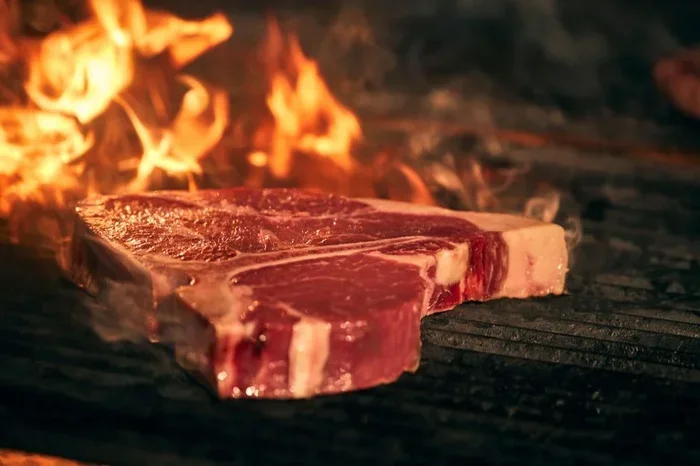
Grilling is the classic way to cook steak, and for good reason. The high direct heat creates a beautiful charred crust while keeping the inside juicy. To grill a T bone steak properly, start by preheating your grill to high heat. You want those grates screaming hot.
Season your steak generously with salt and pepper at least 30 minutes before cooking. This draws out moisture and helps form a great crust. Place the steak over direct heat and sear for about 3 to 4 minutes per side. Then move it to a cooler part of the grill to finish cooking to your desired internal temperature.
Use your meat thermometer to check the temperature near the bone. The bone can heat up faster than the surrounding meat, so always check the thickest part away from the bone for the most accurate reading.
Pan-Searing T Bone Steak
Pan-searing works beautifully when you do not want to fire up the grill. A heavy cast iron skillet is your best friend here. It holds heat incredibly well and creates an even, beautiful sear on the steak.
Heat the skillet over medium-high heat until it is very hot. Add a high smoke-point oil like avocado or grapeseed oil. Place the steak in the pan and do not move it for about 3 to 4 minutes. Let the crust form. Then flip and cook for another 2 to 4 minutes depending on the thickness and your target T bone steak cooking temperature.
For a thicker steak, you can finish it in the oven after searing. Transfer the skillet to an oven set at 400°F and cook until the internal temperature reaches your goal. This method works well for steaks that are 1.5 inches thick or more.
The Reverse Sear Method
The reverse sear is a technique that has gained a lot of popularity among steak enthusiasts. It involves cooking the steak low and slow in the oven first, then finishing with a hot sear on the stovetop or grill.
Start by placing the steak on a wire rack over a baking sheet in an oven set to 250°F. Cook until the internal temperature is about 10 to 15 degrees below your target. Then remove it and sear in a ripping hot cast iron skillet for about 1 minute per side.
This method gives you incredibly even cooking from edge to edge. There is no gray band of overcooked meat between the crust and the center. The reverse sear is especially great for thicker T bone steaks that are 2 inches or more.
Using the Best Pots and Pans for Cooking Steak
The pan you use matters more than you might think. A thin pan loses heat the moment you place the cold steak on it, leading to uneven cooking. For the best results, use a heavy-bottomed skillet made of cast iron or stainless steel. These materials retain heat and distribute it evenly across the cooking surface.
If you have an induction cooktop, make sure your pan is compatible. Not all cast iron works well on induction, so check the bottom of the pan for a magnetic base. The right pots and pans for induction cooking can make a noticeable difference in your sear quality.
For even better heat control, consider using a heavy non-stick pan. A quality non-stick surface prevents the steak from sticking while you achieve a great crust. The best big pots and pans for cooking non-stick options give you the freedom to cook without worrying about the meat tearing when you flip it.
Tools That Help You Nail the Perfect Temperature
Cooking a great steak is not just about the pan or grill. The right tools make a big difference. A reliable meat thermometer is essential. There are many affordable options on the market that give you instant and accurate readings.
An extra long wooden spoon is also handy when working with hot pans and grills. It keeps your hands safely away from the heat while you flip and check your steak. Using the right tools shows that you take your cooking seriously, and it pays off in better results every time.
How to Rest Your Steak Properly
One of the most overlooked steps in cooking steak is resting. Once your steak reaches the target internal temperature, pull it off the heat and let it sit for at least 5 to 10 minutes. This resting period allows the juices inside the meat to redistribute evenly.
When you cut into a steak immediately after cooking, all those juices run out onto the cutting board. You lose the very thing that makes the steak juicy and flavorful. By letting it rest, the fibers relax and reabsorb the moisture. The result is a steak that is tender, juicy, and full of flavor.
Place the steak on a warm plate and tent it loosely with aluminum foil. Do not wrap it tightly, or you will trap too much steam and soften the crust. Let it sit patiently, and you will be rewarded with a much better eating experience.
Common Mistakes That Ruin Steak Temperature
Even experienced cooks make mistakes when it comes to steak temperature. Here are some common errors to avoid so your T bone steak always comes out perfectly.
Not Bringing the Steak to Room Temperature
Take your steak out of the refrigerator about 30 to 45 minutes before cooking. A cold steak placed on a hot grill or pan will cook unevenly. The outside will burn before the inside reaches the right temperature. Letting it sit at room temperature helps it cook more evenly and reduces the overall cooking time.
Skipping the Meat Thermometer
Relying on touch or time alone is a recipe for inconsistency. Every steak is different in thickness, starting temperature, and fat content. A meat thermometer removes all the guesswork. It is the most important tool you can own for cooking steak.
Cutting Into the Steak to Check Doneness
Never cut into the steak to see if it is done. You release valuable juices every time you do this. Use a thermometer instead. It gives you an accurate reading without sacrificing a single drop of juice.
Over-Salting at the Wrong Time
Salt draws moisture to the surface of the meat. If you salt too early, the steak can become wet and difficult to sear properly. Salt at least 40 minutes before cooking, or right before you place it on the heat. Both approaches work well and produce different but good results.
Serving Your Perfectly Cooked T Bone Steak
Once your steak has rested and reached the perfect T bone steak cooking temperature, it is time to serve it right. Presentation matters, and the right servingware enhances the entire dining experience.
A beautiful bone china dinnerware set for 8 makes every steak night feel special. The elegant white surface highlights the rich color of the steak and makes the meal feel restaurant-quality at home.
Pair your steak with a simple side like roasted vegetables or garlic mashed potatoes. Keep the seasoning light on the sides so the steak remains the star of the plate. And of course, use a quality silverware set that won’t rust to complete the experience. Good utensils may seem like a small detail, but they add to the overall enjoyment of your meal.
Take a moment to appreciate the crust, the juicy center, and the aroma rising from the plate. Cooking a great T bone steak is about more than just hitting a number on a thermometer. It is about creating an experience that you and your guests will remember.
Final Thoughts on T Bone Steak Cooking Temperature
Getting the T bone steak cooking temperature right is the foundation of a great steak. Whether you grill, pan-sear, or use the reverse sear method, the principles remain the same. Preheat your equipment, use a meat thermometer, and always let your steak rest before cutting.
Start with a quality steak that is at least 1.5 inches thick. Season it well. Cook it to your preferred doneness, and give it time to rest. These simple steps will elevate your steak game from ordinary to outstanding.
The beauty of cooking steak at home is that you control every variable. You decide the temperature, the seasoning, and the level of doneness. Once you master the basics of steak cooking temperature, you will never go back to ordering out again. Your kitchen becomes your favorite steakhouse.
So fire up that grill or heat up your cast iron skillet. Grab your thermometer, and cook the best T bone steak of your life. You have got this, and the results will speak for themselves.
Frequently Asked Questions
What is the best internal temperature for a T bone steak?
The best internal temperature for a T bone steak is 130°F to 135°F for medium rare. This range gives you the perfect balance of juiciness, tenderness, and beef flavor. If you prefer your steak more cooked, aim for 140°F to 145°F for medium. Always use a meat thermometer for the most accurate reading.
How long should I rest my T bone steak after cooking?
Let your T bone steak rest for at least 5 to 10 minutes after removing it from heat. During this time, the juices redistribute throughout the meat, making it more tender and flavorful. Tent the steak loosely with foil to keep it warm without steaming the crust.
Can I cook a T bone steak from frozen?
It is best to cook T bone steak from a thawed state for even cooking. If you must cook from frozen, use the low-and-slow reverse sear method. Start in a 250°F oven and finish with a hot sear. This approach helps the steak cook more evenly without burning the outside.
What is the reverse sear method for T bone steak?
The reverse sear involves cooking the steak low and slow in the oven first, then finishing with a high-heat sear on the stovetop or grill. Place the steak in a 250°F oven until it reaches about 10 to 15 degrees below your target temperature. Then sear in a hot cast iron skillet for about one minute per side.
Does the bone affect the cooking temperature of a T bone steak?
Yes, the bone acts as an insulator and can cause uneven cooking. The meat near the bone tends to cook at a different rate than the meat away from it. Always check the temperature in the thickest part of the steak away from the bone for the most accurate reading.
What type of pan is best for searing a T bone steak?
A cast iron skillet is the best pan for searing T bone steak. It retains heat extremely well and creates an even, beautiful crust. Make sure the pan is very hot before adding the steak, and use a high smoke-point oil like avocado or grapeseed oil for the best results.