
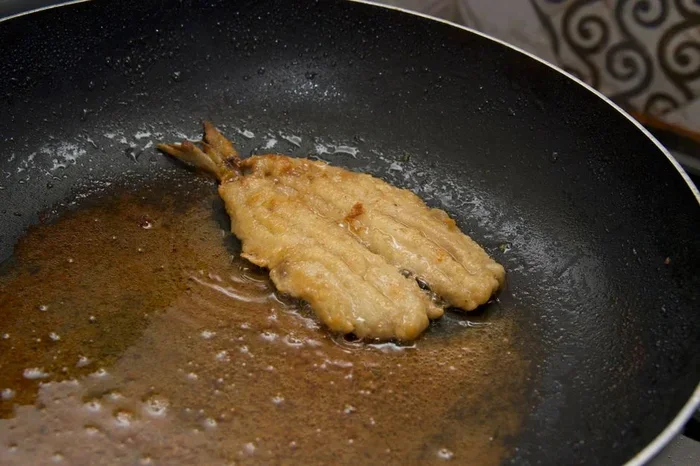
Smelt fish is a small, flavorful seafood favorite that’s easy to cook and packed with nutrition. Whether you fry, bake, or pan-sear it, this guide covers everything you need to know about preparing and cooking smelt fish at home. You will learn cleaning techniques, top recipes, health benefits, and expert tips for perfect results every time.
Smelt fish is one of those hidden gems in the seafood world that deserves way more attention. These small, silver fish pack a surprising amount of flavor and nutrition into their tiny bodies. If you have never tried cooking smelt fish before, you are missing out on something truly special.
This guide will walk you through everything you need to know about smelt fish. We will cover what smelt fish is, how to clean it, the best cooking methods, and even some delicious recipes to try at home. By the end, you will feel confident enough to cook smelt fish like a seasoned pro.
Whether you are a seafood lover looking for a new dish or a curious cook exploring fresh fish options, this guide has you covered. Let us dive in and explore the wonderful world of smelt fish together.
Key Takeaways
- Smelt fish is a nutrient-dense seafood rich in omega-3 fatty acids, protein, and essential vitamins.
- Proper cleaning is essential before cooking smelt fish, especially when removing the bones and guts.
- Pan-frying in cast iron delivers the crispiest texture, but baking and broiling are healthier alternatives.
- Whole smelt fish is the traditional way to eat it, bones and all, for the most authentic experience.
- Avoid overcooking smelt fish to keep it tender, moist, and full of flavor.
- Fresh smelt fish tastes best and should be used within a day or two of purchase.
📑 Table of Contents
What Is Smelt Fish?
Smelt fish refers to a group of small, slender fish that belong to the family Osmeridae. These fish are found in both freshwater and saltwater environments across the Northern Hemisphere. They are known for their delicate, almost sweet flavor and soft, edible bones.
Types of Smelt Fish
There are several species of smelt fish that people commonly eat. The most popular ones include:
- Rainbow smelt — found in the Atlantic and Pacific coasts of North America. These are the most commonly eaten variety.
- European smelt — also called capelin, these are popular in Scandinavian and Eastern European cuisines.
- Eulachon or candlefish — a Pacific coast species that was historically so fatty it could be dried and used as a candle.
- Surf smelt — a smaller species often found near sandy beaches and shorelines.
Each type of smelt fish has a slightly different taste and texture, but they all share the same tender, flaky quality that makes them so enjoyable to eat. Rainbow smelt is the variety you will most likely find at your local fish market or grocery store.
What Does Smelt Fish Taste Like?
Smelt fish has a mild, slightly sweet flavor that is often compared to trout or sardines. The taste is delicate and not overly “fishy,” which makes it a great option for people who are new to eating small whole fish. When cooked properly, smelt fish has a crispy exterior and a soft, moist interior that melts in your mouth.
Health Benefits of Smelt Fish
Smelt fish is not just tasty. It is also incredibly good for you. This small fish is loaded with nutrients that support overall health and well-being.
Rich in Omega-3 Fatty Acids
One of the biggest health benefits of smelt fish is its high omega-3 content. Omega-3 fatty acids are essential fats that help reduce inflammation, support heart health, and improve brain function. Eating smelt fish regularly can contribute to better cardiovascular health and lower cholesterol levels.
Excellent Source of Protein
Smelt fish provides a solid amount of protein per serving. Protein is essential for building and repairing muscle tissue, supporting immune function, and keeping you feeling full after meals. A single serving of smelt fish can deliver a meaningful protein boost without a lot of calories.
Packed with Vitamins and Minerals
Smelt fish contains important vitamins and minerals including:
- Vitamin D — supports bone health and immune function.
- Vitamin B12 — essential for nerve function and energy production.
- Selenium — a powerful antioxidant that protects cells from damage.
- Phosphorus — important for healthy bones and teeth.
- Calcium — found in the soft edible bones of smelt fish.
The fact that you eat the bones of smelt fish whole means you get extra calcium and phosphorus that you would miss with larger fish fillets. This is one of the unique advantages of cooking and eating smelt fish in its whole form.
Smelt Fish Nutrition at a Glance
| Nutrient | Per 100g Serving |
|---|---|
| Calories | ~140 kcal |
| Protein | ~18g |
| Fat | ~7g |
| Omega-3 | ~1.5g |
| Calcium | ~90mg |
| Vitamin B12 | ~5mcg |
These smelt fish nutrition numbers make it a great choice for anyone looking to eat healthier without sacrificing flavor. Compared to many processed protein sources, smelt fish is a clean, natural, and nutrient-dense option.
How to Prepare Smelt Fish for Cooking
Before you start cooking smelt fish, you need to prepare it properly. Cleaning fresh smelt fish is a simple process, but it does require a little patience. The good news is that once you learn the steps, it becomes second nature.
Step-by-Step: Cleaning Smelt Fish
Follow these steps to get your smelt fish ready for the kitchen:
- Rinse the fish under cold running water to remove any surface dirt or slime.
- Remove the head by cutting just behind the gills. You can also leave the head on for traditional whole-fish cooking.
- Gut the fish by making a small cut along the belly and removing the internal organs.
- Rinse again inside and out to make sure all blood and grit are washed away.
- Pat dry with paper towels to remove excess moisture before seasoning or breading.
Some people prefer to leave the head and bones intact when cooking smelt fish whole. This is perfectly fine and is actually the traditional way to serve it. The bones are soft enough to eat and add extra calcium to your meal.
Should You Remove the Bones?
For the most authentic experience, eat smelt fish whole with the bones. The bones are thin and soft, and they pose no choking risk when the fish is cooked properly. However, if you are serving smelt fish to young children or people who prefer boneless fish, you can carefully remove the backbone after cooking.
Storing Fresh Smelt Fish
Fresh smelt fish should be used within one to two days of purchase. Store it in the coldest part of your refrigerator, ideally on ice. If you need to keep it longer, you can freeze smelt fish for up to three months. Make sure to wrap it tightly in plastic wrap or aluminum foil to prevent freezer burn.
Best Cooking Methods for Smelt Fish
Smelt fish is incredibly versatile and can be cooked in several different ways. Each method brings out a slightly different flavor and texture. Here are the most popular and effective ways to cook smelt fish at home.
Pan-Frying Smelt Fish
Pan-frying is the most popular method for cooking smelt fish, and for good reason. It creates a golden, crispy exterior while keeping the inside tender and juicy. A cast iron skillet works especially well for this because it holds heat evenly and produces a beautiful crust.
To pan-fry smelt fish, simply dredge the cleaned fish in flour or cornmeal, season with salt and pepper, and fry in hot oil for about two to three minutes per side. The result is a crispy, golden smelt fish that is absolutely delicious.
If you cook smelt fish in cast iron and notice any lingering fish odor, you can learn how to get fish smell out of cast iron with a few simple household tricks.
Baking Smelt Fish
Baking is a healthier alternative to frying. It uses less oil and is easier to manage for beginners. To bake smelt fish, place the cleaned fish on a greased baking sheet, drizzle with olive oil, and season with herbs like dill, lemon zest, or garlic powder.
Bake at 400°F for about 10 to 12 minutes until the fish is opaque and flakes easily. Baked smelt fish has a lighter texture compared to fried, but it is still full of flavor. This method works especially well if you are cooking smelt fish for a larger group.
Broiling Smelt Fish
Broiling gives smelt fish a nice charred top and a quick cook time. Place the seasoned fish on a broiler pan, keeping it about four inches from the heat source. Broil for three to four minutes per side. Watch it closely, as smelt fish can go from perfectly crispy to overcooked very quickly.
Deep Frying Smelt Fish
Deep frying is the method used in many traditional European and Asian recipes. It produces the crispiest possible coating and is the way smelt fish is often served at seafood festivals and markets. Use a neutral oil with a high smoke point, like vegetable or canola oil, heated to 375°F. Fry the smelt fish for about two minutes until golden brown and drain on paper towels.
Comparison of Cooking Methods
| Method | Time | Texture | Healthiness | Difficulty |
|---|---|---|---|---|
| Pan-Frying | 5-7 min | Crispy outside, tender inside | Moderate | Easy |
| Baking | 10-12 min | Light and flaky | High | Very Easy |
| Broiling | 6-8 min | Charred top, moist inside | Moderate | Easy |
| Deep Frying | 2-3 min | Extra crispy all over | Lower | Moderate |
Each cooking method has its own charm. If you want the most authentic experience, pan-frying or deep frying whole smelt fish is the way to go. For a lighter meal, baking or broiling works wonderfully.
Popular Smelt Fish Recipes
Now that you know the best ways to cook smelt fish, let us look at some tried-and-true recipes you can try right away.
Classic Fried Whole Smelt
This is the most traditional way to enjoy smelt fish. Clean the fish but leave the head and bones in. Dredge each fish in a mixture of flour, salt, pepper, and a pinch of paprika. Fry in hot oil until crispy and golden. Serve immediately with lemon wedges and tartar sauce.
Quick tip: Adding a splash of beer to the flour dredge creates an extra light and crispy coating on your smelt fish.
Herb-Baked Smelt Fillets
If you prefer fillets, this recipe is for you. Lay smelt fish fillets in a baking dish and top them with fresh herbs like parsley, dill, and thyme. Drizzle with olive oil and lemon juice, then bake at 400°F for 10 minutes. This recipe is simple, healthy, and full of bright flavor.
Smelt Fish Tacos
This is a fun and modern twist on cooking smelt fish. Fry or bake the fish until crispy, then serve it in warm tortillas with shredded cabbage, lime crema, and a squeeze of fresh lime. Smelt fish tacos are a hit at casual gatherings and make a great appetizer.
Common Mistakes to Avoid When Cooking Smelt Fish
Even experienced cooks can make mistakes when preparing smelt fish. Here are the most common errors and how to avoid them.
Overcooking the Fish
Smelt fish is very small and thin, which means it cooks extremely fast. Overcooking leads to dry, tough fish that loses its delicate flavor. Watch your cooking time closely and remove the fish from heat as soon as it turns opaque and flakes easily.
Not Drying the Fish Before Cooking
Moisture is the enemy of a good crispy coating. If you do not pat your smelt fish dry before seasoning or dredging, the coating will not stick properly and the fish will steam instead of fry. Always dry your fish thoroughly with paper towels before cooking.
Using the Wrong Oil Temperature
Oil that is not hot enough will result in greasy, soggy smelt fish. Oil that is too hot will burn the outside before the inside is cooked. Use a thermometer to monitor your oil temperature and keep it between 350°F and 375°F for the best results.
Skipping the Cleaning Step
Some people buy fresh smelt fish and go straight to cooking without cleaning it properly. This can leave a bitter taste and unpleasant texture. Always rinse, gut, and pat dry your smelt fish before seasoning or cooking it.
Expert Tips for Perfect Smelt Fish Every Time
Here are some insider tips from experienced cooks and chefs that will elevate your smelt fish dishes.
- Buy fresh smelt fish from a trusted source. Look for fish that smells clean and briny, not fishy or ammonia-like.
- Season generously. Smelt fish has a mild flavor, so do not be shy with salt, pepper, and herbs.
- Serve immediately. Smelt fish is best eaten right after cooking. It loses its crispiness as it sits.
- Experiment with coatings. Try cornmeal, panko breadcrumbs, or even rice flour for different textures.
- Pair with simple sides. A squeeze of lemon, a dollop of aioli, or a fresh salad complements smelt fish perfectly without overwhelming it.
These small adjustments can make a big difference in the quality of your smelt fish dishes. Once you master the basics, feel free to get creative with flavors and presentations.
Where to Buy Smelt Fish
Finding fresh smelt fish can depend on where you live. In coastal areas, you may find smelt fish at local fish markets or directly from fishermen. Inland, your best bet is the seafood section of well-stocked grocery stores or Asian and European markets.
Frozen smelt fish is also widely available and can be a convenient option. Look for flash-frozen products that have been properly stored. While fresh is always preferred, frozen smelt fish can still produce excellent results when cooked correctly.
When buying smelt fish, check for clear eyes, firm flesh, and a clean ocean-like smell. These are signs of freshness and quality that will translate into a better-tasting final dish.
Conclusion
Smelt fish is a wonderfully underrated seafood option that deserves a regular spot in your kitchen. It is nutritious, delicious, simple to prepare, and incredibly versatile. From pan-frying to baking, there is a cooking method that fits every skill level and dietary preference.
Whether you are eating whole smelt fish the traditional way or getting creative with smelt fish tacos and baked fillets, the key is to keep things simple and let the natural flavor of the fish shine. Clean it properly, cook it just right, and serve it fresh.
Now that you have all the knowledge you need, it is time to head to the kitchen and try cooking smelt fish for yourself. Start with the classic fried whole smelt recipe, and from there, explore the many other ways to enjoy this fantastic little fish. You will not regret it.
Frequently Asked Questions
Is smelt fish safe to eat whole, including the bones?
Yes, smelt fish bones are soft and edible. In fact, eating the whole fish is the traditional way to enjoy smelt fish. The bones add extra calcium and are not a choking hazard when the fish is cooked properly.
What does smelt fish taste like compared to other fish?
Smelt fish has a mild, slightly sweet flavor that is less fishy than sardines or mackerel. It is often compared to trout in taste but has a more delicate and tender texture.
Can I freeze smelt fish for later use?
Yes, you can freeze smelt fish for up to three months. Wrap the cleaned fish tightly in plastic wrap or aluminum foil, or store it in an airtight freezer bag. Thaw it in the refrigerator overnight before cooking.
What is the best oil for frying smelt fish?
Neutral oils with a high smoke point work best for frying smelt fish. Vegetable oil, canola oil, and peanut oil are all excellent choices. Avoid olive oil for deep frying, as it has a lower smoke point and can impart a strong flavor.
How can I tell if smelt fish is fresh?
Fresh smelt fish should have clear, bright eyes, firm and shiny flesh, and a clean, ocean-like smell. Avoid fish that looks dull, has a strong fishy or ammonia odor, or feels slimy to the touch.
Are smelt fish high in mercury?
No, smelt fish are small fish and are generally low in mercury compared to larger predatory fish like tuna or swordfish. This makes smelt fish a safer and healthier choice for regular consumption.



